The Local newsletter is your free, daily guide to life in Colorado. For locals, by locals.
Want to support local food businesses without making a restaurant reservation? These Colorado-made pantry staples let you bring some of the state’s most interesting culinary talent into your own kitchen.
Read More: 10 of the Best Grocery Stores Around Denver

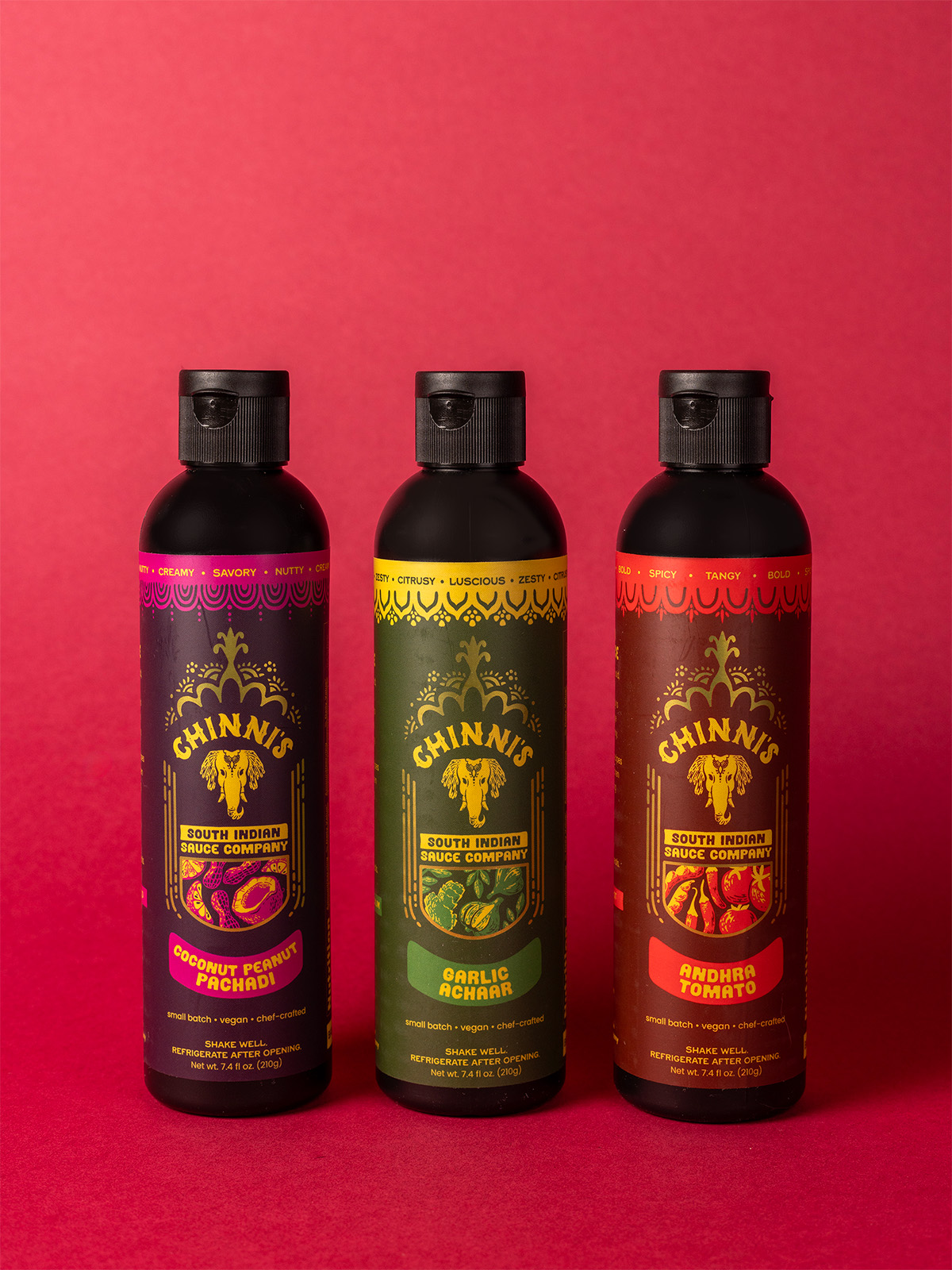
Chinni’s South Indian Sauce Company
- Creator: Cindhura Reddy, Spuntino
- Where to buy: Pick up bottles ($12 each) at the restaurant (2639 W. 32nd Ave.), at Highland’s St. Kilian’s Cheese Shop, or online.
At LoHi’s decade-old Spuntino, the aromas wafting through the air often include the scent of chef and co-owner Cindhura Reddy’s South Indian sauces. Reddy’s family hails from Telengana, and several years ago she began incorporating the flavors of her childhood into Spuntino’s traditional Italian dishes. Andhra-style tomato sauce enlivened with chiles and tamarind; garlic achaar, a pickled condiment balanced with lime and brown sugar; and chutneylike coconut peanut pachadi became part of her professional repertoire. Diners took notice. “We definitely started having more interesting conversations with guests,” Reddy says. “It’s a way to express my heritage.”
Now you can bring those flavors home with Reddy’s new sauce trio, branded Chinni’s (Telugu for “little,” the nickname her niece and nephews chose for her). To try them in a garlicky yogurt dip, a Bloody Mary, or Spuntino’s unique take on pasta aglio e olio, find these recipes and more on the sauce company’s website.
Read More: These Will Be Denver’s Top Dining Trends in 2026—According to 6 Local Chefs
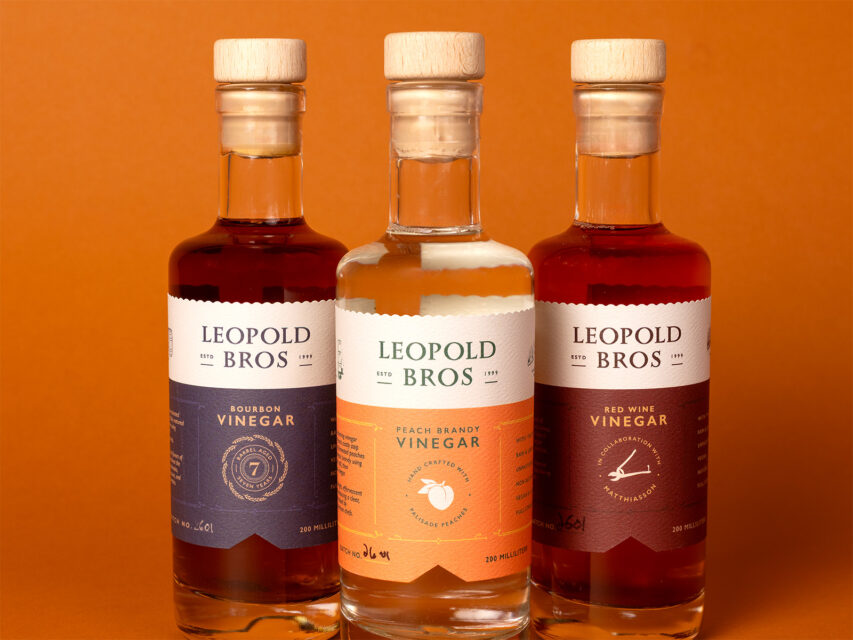
Leopold Bros. Heritage Vinegars
- Creator: Todd Leopold, Leopold Bros.
- Where to buy: You can purchase the vinegars—there’s also a California Cabernet Sauvignon wine vinegar, made in partnership with renowned Napa vintner Steve Mathiasson—for $20 for 20 centiliters at Leopold Bros. (5285 Joliet St.) or at shops like Blackbelly Market (1606 Conestoga St., Boulder).
Ten years ago, Todd Leopold contracted Kentucky’s Vendome Copper & Brass Works to build a three-chamber still for Leopold Bros., the Montbello distillery he operates with his brother, Scott. In the late 1800s, rye makers preferred this type of still because it extracts more flavor and aroma oils from the grain, but by the 1930s its inefficient design had been replaced.
During his research, Leopold discovered that three-chamber stills were also used in distilled vinegar production. After perfecting his whiskey, he began working on a line of vinegars; in April, he released a peach brandy version made with Palisade’s Talbott Farms produce and one made with his seven-year aged bourbon. “The inefficiency is what makes it so glorious; it leaves in the essence of what you’re making the vinegar out of,” Leopold says.
Don Zorros Molino Nixtamal Tortillas
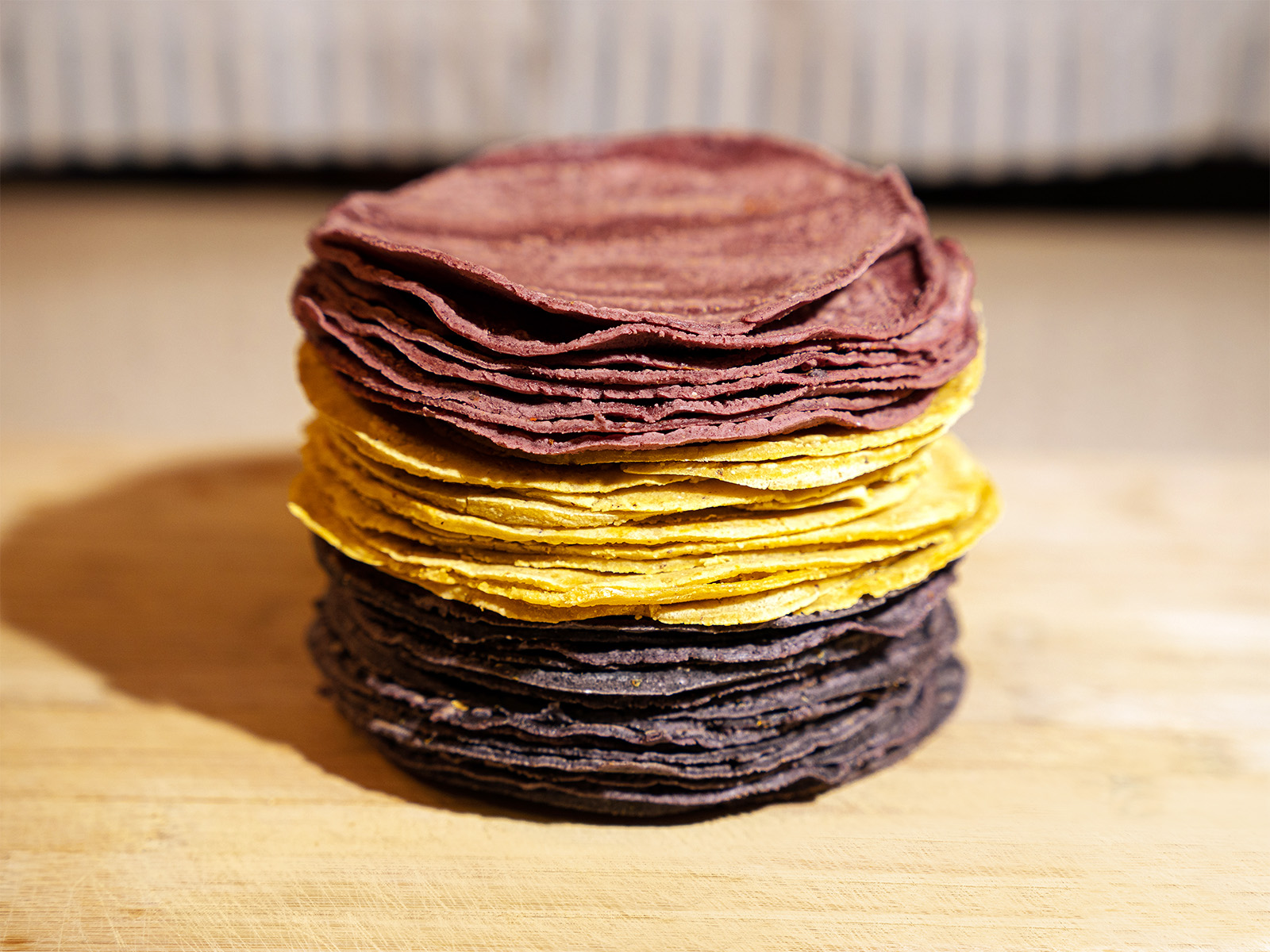
- Creator: Julian Salas, Don Zorros Molino
- Where to buy: Find Don Zorros Molino at the City Park Farmers Market (along with jarred salsa macha and escabeche) and at Denver Celiacs’ pop-up markets in the winter. You can also find Don Zorros tortillas ($4.99 per dozen) at Highland’s Leevers Locavore.
When Chicago native Julian Salas moved to Denver several years ago, he noticed a surprising gap in the city’s culinary scene: Traditional nixtamal tortillas (made by first cooking dried corn in an alkaline solution) were a rarity. “Chicago is a big tortilla town,” he says. “We didn’t see that here, so my wife and I started making them out of our apartment.” Applying a chef’s scientific mind, he dialed in just the right process to soften the corn for grinding while maintaining the color and flavor of the heirloom corn varieties he buys. Those include white, yellow, and blue corn from Bow & Arrow Brand, a farm and ranch enterprise run by Montezuma County’s Ute Mountain Ute tribe.
A year and a half ago, Salas quit his restaurant job and launched Don Zorros Molino, selling corn masa, tortillas, and chips to Denver eateries—Chicken Riot, Xiquita, and Cimera among them—and to the public.
Read More: The Best Farmers’ Markets in Metro Denver and Beyond