The Local newsletter is your free, daily guide to life in Colorado. For locals, by locals.
Binion cervi steers his rented blue Ford Expedition down streets lined with carnival rides and barbecue stands, past droves of men in 10-gallon hats, women in colorful sundresses, and kids eating cotton candy. It’s 3 p.m. on a cloudless afternoon in March, three hours before showtime, and already people are swarming the sidewalks outside of Rodeo Houston.
At the gate to NRG Stadium, a security guard notices a pass on the window of the SUV—“Cervi Championship Rodeo”—and waves Binion through. “It’s going to be fast and furious tonight,” Binion says as he steps out of the car, looking up at the towering doors of the NFL stadium, where more than 70,000 people will later pack the stands. “This rodeo seats more than Texans football games,” Binion says. “So the Texans can’t ever say they have the record.”
Binion has only a few short hours left before he will produce the world’s largest indoor rodeo—a relentless job that requires him to coordinate everything from truck drivers unloading the horses to beauty queens riding into the arena before the show—but there’s something he needs to take care of first. His wife, Hannah, and their daughters, seven-year-old Reagan and four-year-old Reese, have traveled from the family ranch in Roggen, a flyspeck in unincorporated Weld County, to Texas specifically to watch country music star Lainey Wilson perform that night.
The girls idolize Wilson, and Binion doesn’t want to screw up their chance to meet her. His boot spurs jangle on the pavement as he rushes through the back door with his young family by his side. Beads of sweat drip from his brow. He has dark circles under his eyes. He hurries the girls around pallets of hot dogs and beer and finally reaches a makeshift pasture near the loading docks. He lifts his daughters onto horses.
“Let’s go,” Binion says. He leads them into the dark, cavernous arena, where Wilson’s band is about to rehearse on a stage underneath the glow of orange lights. Wilson isn’t up there. She’s down on the dirt in a black hoodie and camo baseball cap, riding a Cervi family bay—Reagan’s horse, actually—named Link. Reagan and Reese gawk as she approaches.
“You got a good horse,” Wilson says to the girls. “Y’all are all-around cowgirls.”
The sisters giggle and wave. Their father smiles.
Rodeo Houston has been the setting of plenty of core Cervi memories. Mike Sr., the late patriarch of the family, began providing bucking horses and bulls to the event more than 50 years ago. Now 41, Binion started working at age seven by shining contestants’ boots for two bucks a pair in the old Astrodome across the street. His younger brother, 40-year-old Chase, was still a nervous teenager when he launched his pickup career, rescuing cowboys from bucking horses, at the rodeo. Their eldest brother, Mike Jr., met his wife there during a Willie Nelson concert. And last year—on this very day, though Binion’s trying not to think about it—Mike Sr. died in Colorado while the family’s stock tussled in Houston.
Wilson finishes rehearsing, and the overhead lights flicker on. Binion meets Chase—whose one-year-old daughter, Clay Lynn, is with him—in the bowels of the stadium, where they watch cowboys whistle and wave the family’s horses through the gates. The Cervis brought more than 180 of the animals here, driving them for nearly two days from the ranch in Colorado. The colts, the future of the company but still years away from performing, wrestle in the grass. Binion and Chase study the animals, their bloodlines dating back decades, as their own daughters play at their boots. “What is this, family day?” quips one of the cowboys.
Binion looks at the time on his phone: Less than an hour till the chutes start jumping. He retreats to his dressing room. The crowd is filing in, and the ceiling above vibrates. He puts on a blue blazer and tie, fixes a beige cowboy hat over his thin black hair and the recently installed cochlear implants in his ears. Then he walks to his quarter horse near the entrance of the pens, climbs into a custom leather saddle Mike Sr. had made for him, and rides into the stadium.
Cervi Championship Rodeo is one of the top stock contractors in an industry that is becoming more crowded by the year. When Mike started the company in 1967, he had about 30 competitors for roughly 850 rodeos across the United States and Canada. Today, there are nearly 90 outfits vying to supply about 650 rodeos.
The profession has become a rich person’s game. In many cases, it’s a write-off for surgeons, construction tycoons, and tech moguls—anyone with money who wants to play cowboy. Mike Sr., on the other hand, was no pretender. In addition to the rodeo company, which supplies horses and bulls to 40 rodeos every year, including the National Western Stock Show in Denver, Mike grew a cattle herd (3,000 cows, at its height) in Roggen. He spent his late teens and early 20s riding and wrestling steer and ran with at least one notorious outlaw—then became one himself.
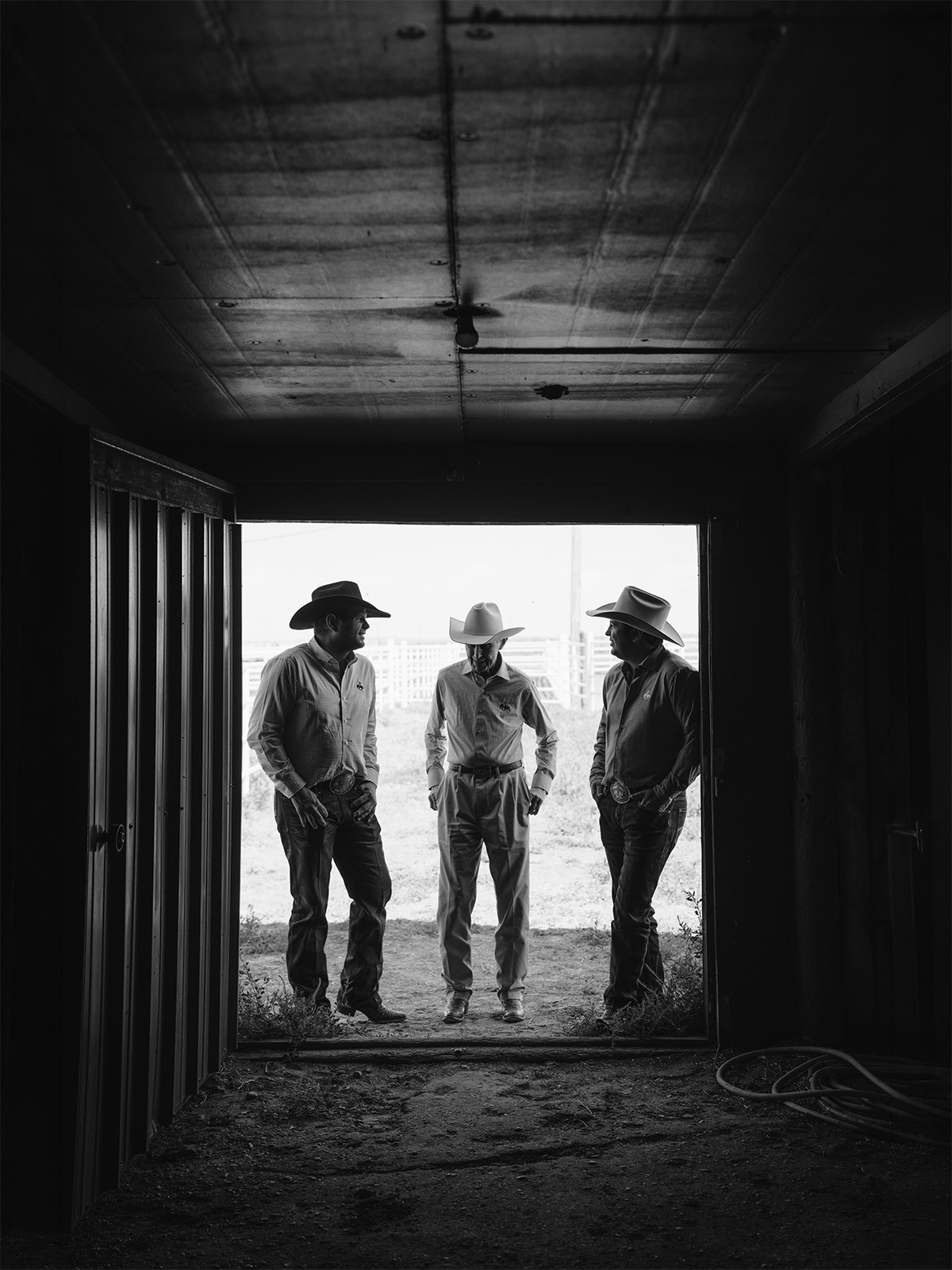
Now that he’s gone, it’s up to Binion and Chase to steer Mike’s empire through the second generation, all the while navigating threats their father never encountered. Chase is quiet and old-school in his approach. He’s the family’s livestock superintendent, overseeing the ranch in Roggen while riding as a pickup man in Cervi Championship Rodeo events. Binion is more tenacious in business, always thinking through the moves he might make—directing the breeding program, choosing the bucking horses and bulls that will compete, planning the performances. “He’s not scared to try new things,” says Steve Knowles, a longtime friend of Mike Sr. and the chief operating officer of the Pro Rodeo Cowboys Association (PRCA). “That’s a remade Mike Cervi, and he hates for me to say that.”
With his sons’ encouragement, Mike struck lucrative deals in recent years on his land in Roggen, allowing a Texas-based oil company to drill on the ranch after years of rejecting such suitors. In 2023, he partnered with developers who plan to build, of all things, a world-class golf resort on 4,000 acres of the property.
Still, there’s more work to do—for the company, but also for the family. Mike’s life revolved around business; he would often stay up past midnight in his office, scribbling in his logbooks, only to rise before dawn. Binion’s priorities look much the same. Rodeo Houston capped three straight months of rodeos, following stops in Denver and San Antonio.
His daughters love being around horses, and he often talks with Hannah about creating more opportunities for them and other girls in the male-dominated industry. But Mike made it clear: Binion had little say in his future. Reese and Reagan will have options. “I want to see my kids in the family business,” Binion says, “but I don’t want it to define them as the people they are.” It’s his job, Binion says, to keep the company alive so Reese and Reagan have the choice.
In 1958, Mike Cervi, then 21 years old, was among nearly 200 cowboys and cowgirls, including both Anglo and Sioux riders, who performed at the World’s Fair in Brussels as part of an American Wild West Show. Mike helped guide a stagecoach into the arena and later rode bulls and wrestled steers, but thanks to unrelenting rain, the show went belly-up within three weeks. Mike and the rest of the troupe were left stranded.
The international press closely covered the failure; Gene Autry, the Singing Cowboy and a stock contractor who supplied some of the livestock, tried to negotiate a deal with the show’s creditors. “He left after two days, saying the outlook was hopeless,” reported the New York Times. In the end, the U.S. government intervened to fly everyone home, and Mike returned to Colorado with a knapsack full of ideas about how he might one day run his own rodeo company.
Mike had been drawn to the sport at an early age. Born in Littleton in 1936 to a Denver newspaperman, Mike preferred life on the family’s ranch in Weld County’s Stoneham, which his grandfather homesteaded in 1883. He started spending his summers there when he was 10, never mind the prairie dust that aggravated his asthma and left him wheezing.
By 12, he was jockeying at local horse tracks. After puberty sent him shooting up toward an eventual six-foot-two, Mike switched to rodeo: When a clown didn’t show to a local event, the then-14-year-old stepped in. He started bull dogging and bull riding at stops as far away as Calgary, Canada, where he lost all his money on a rigged dice game under the wooden grandstands. He made it back by stuffing his trunk with bootlegged bottles of Canadian horse medicine and selling them to trainers in Colorado.
Mike purchased his first herd of about 100 cows at 17, convincing a bank in Nebraska to loan him the money. In July 1965, he bought 9,000 head out of Oregon for roughly $1 million, reported to be one of the largest cattle transactions in Colorado history at the time. “He was just addicted to the thrill of doing business,” Knowles says.
Mike looked the part of a cattleman. He hid a crown of dark brown hair under a silverbelly hat, sideburns running alongside high cheekbones. He always wore a pressed Western shirt and starched pants over custom Paul Bond cowboy boots. In his shirt pocket he kept a memo book and pencil; he’d write down everything from equations to calculate the hay he’d need to phone numbers of cowboys he could deal with. Between its pages he kept a signed blank check from his mother, Eulalia, who had promised him every dollar she had if he ever needed it.
He bought a Cessna 210 and learned how to fly, because if he was going to be a serious cattleman, he would need to get to sales across the country—Iowa, Arizona, New Mexico, Idaho. He parked the plane at the strip in Sterling and moved into a Holiday Inn there because it would allow him to travel more easily than living on the Stoneham ranch.
In 1967, Mike took his biggest risk yet. He and a partner got a bank loan and purchased the Beutler Rodeo Company for about $250,000, a move that would give them a dozen major rodeo contracts, including the National Western Stock Show. Seven years later, Mike hammered out a deal at the Holiday Inn to acquire the rodeo business of Billy Minnick, one of the country’s largest stock contractors. “You didn’t even know how far ahead of the game he was,” Knowles says. “Mike is by far the largest stock contractor that this business has ever had.”
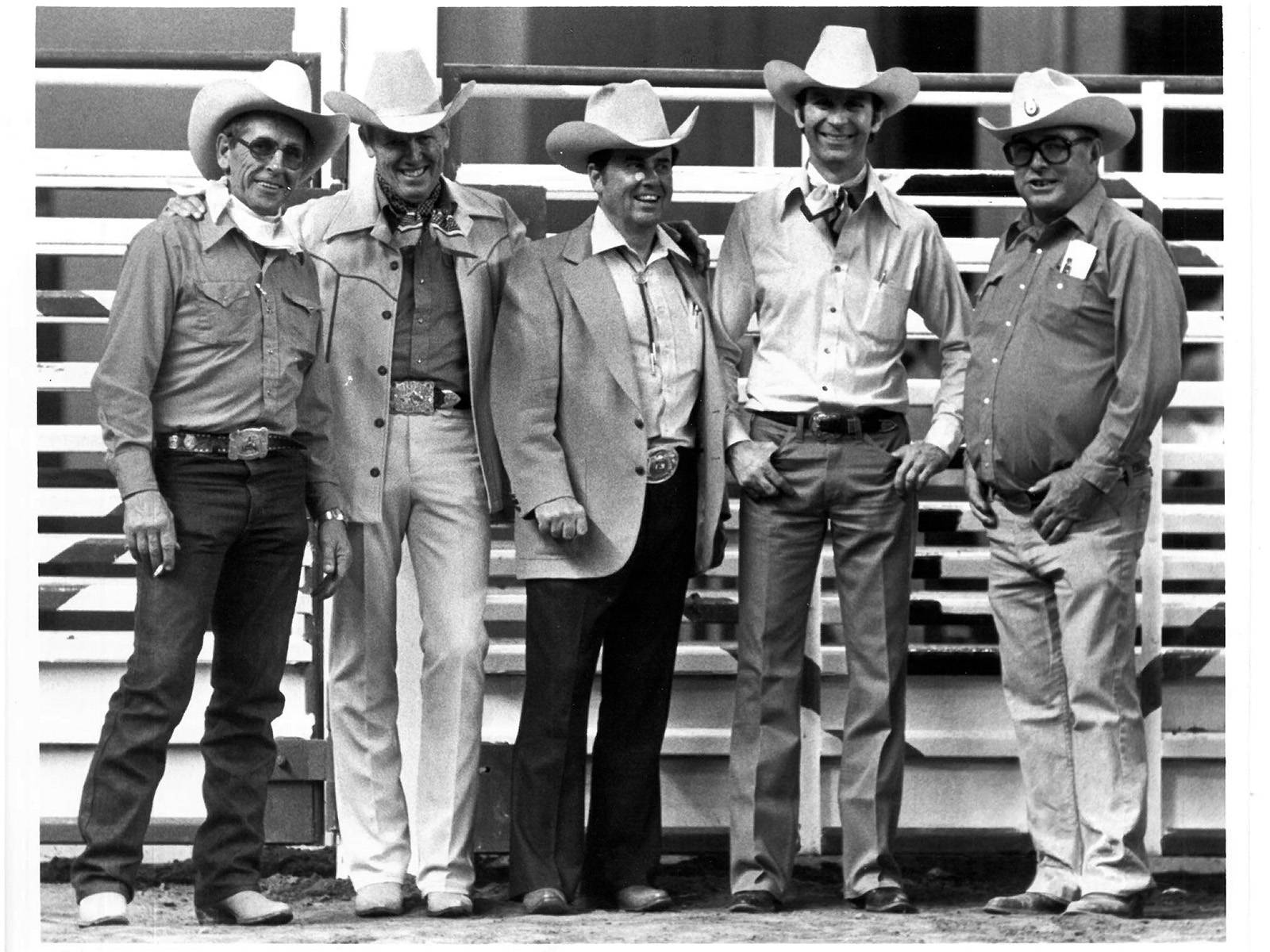
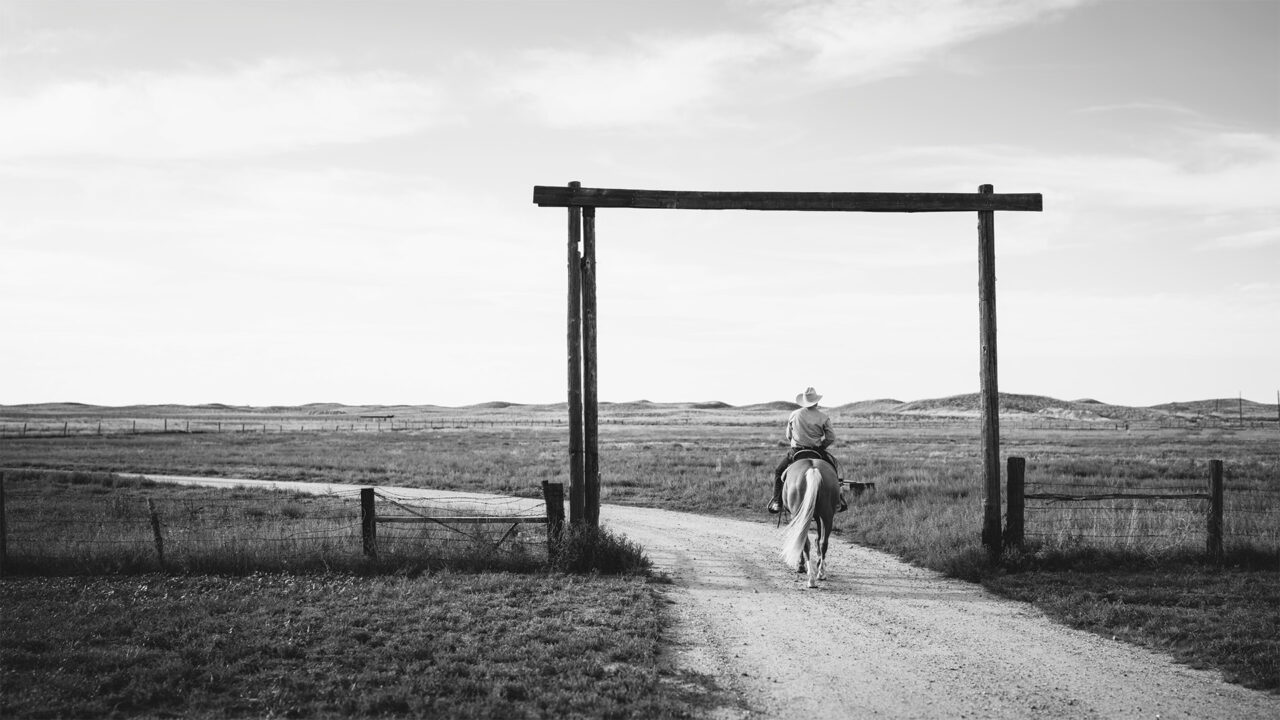
Roggen is not a ghost town, but it can be easily mistaken for one. Tumbleweeds and dust blow across its cracked main street, which is flanked by a lonely post office and a telephone company. A few shacks and a boarded-up motel sit in the shadow of grain elevators. The pavement eventually gives way to dirt, leading under a highway to an iron gate and a white arch inscribed with three words: Cervi Cattle Company.
Mike kept his prized rodeo horses at Stoneham, but in 1979 he bought this 60,000-acre ranch for his cattle—and his family. He had a son, Mike Jr., from a previous marriage who lived with his ex-wife in California. Binion and Chase arrived in an 18-month span during his third marriage and were raised in an old farmhouse on the Roggen property that had once served as the town’s train depot. In the summertime, they were up by 4:30 in the morning and had their horses saddled by 5, herding cattle until it got too hot in the afternoon. Over steak dinners, Mike would talk to them about that day’s labor and everything they would do tomorrow.
“It was all about work. Christmas Day, we talked about: ‘Are we getting ready for the stock show?’ ” Binion says. “There was no personal.”
Both Binion and Chase looked up to their half-brother, who was more than a decade older. Tall, handsome, and athletic, Mike Jr. drew people in with his big personality. He earned a football scholarship to Sacramento State and pursued his own career as a rodeo cowboy while working for his father at Cervi Championship Rodeo.
Binion and Chase might as well have been employees, too. When the boys weren’t ranching, they’d often cram into the Cessna with Mike and their mother, Nancy, to fly to the next rodeo. “They grew up in this industry, because we didn’t have a lot of a choice. My wife and I, more or less, had to take them with us,” Mike once told a reporter.
Their trips often included visits to Mike Sr.’s close friend, Benny Binion, an infamous Texas mobster who, along with being a Las Vegas casino tycoon, was also a world-class horse trader. Mike kept Benny’s Horseshoe Casino stocked with beef. Benny kept Mike’s Cervi Championship Rodeo stocked with saddle horses. But their relationship went beyond business. Benny was also the best man in Mike’s wedding and his second son’s namesake.
Once, the story goes, a bull escaped following a Las Vegas rodeo and wandered near Tropicana Avenue. Mike was inside Benny’s idling limo when one of his cowboys, looking for cover, opened the door and jumped inside. Benny pulled a pistol. “Whoa, whoa, whoa!” Mike yelled. “He’s one of mine!” Benny lowered the gun and cussed out his driver for leaving the door unlocked.
As much time as Mike spent with his children, he remained removed from them. “He just never had a lot of peace,” says Sunni Deb Backstrom, Mike’s longtime secretary. “He was just going and going and wheeling and dealing. He loved his children. I know he loved all of his children. He would not tell them necessarily how proud he was. He might tell me, but he wouldn’t tell them. He didn’t want them to be soft, I guess.”
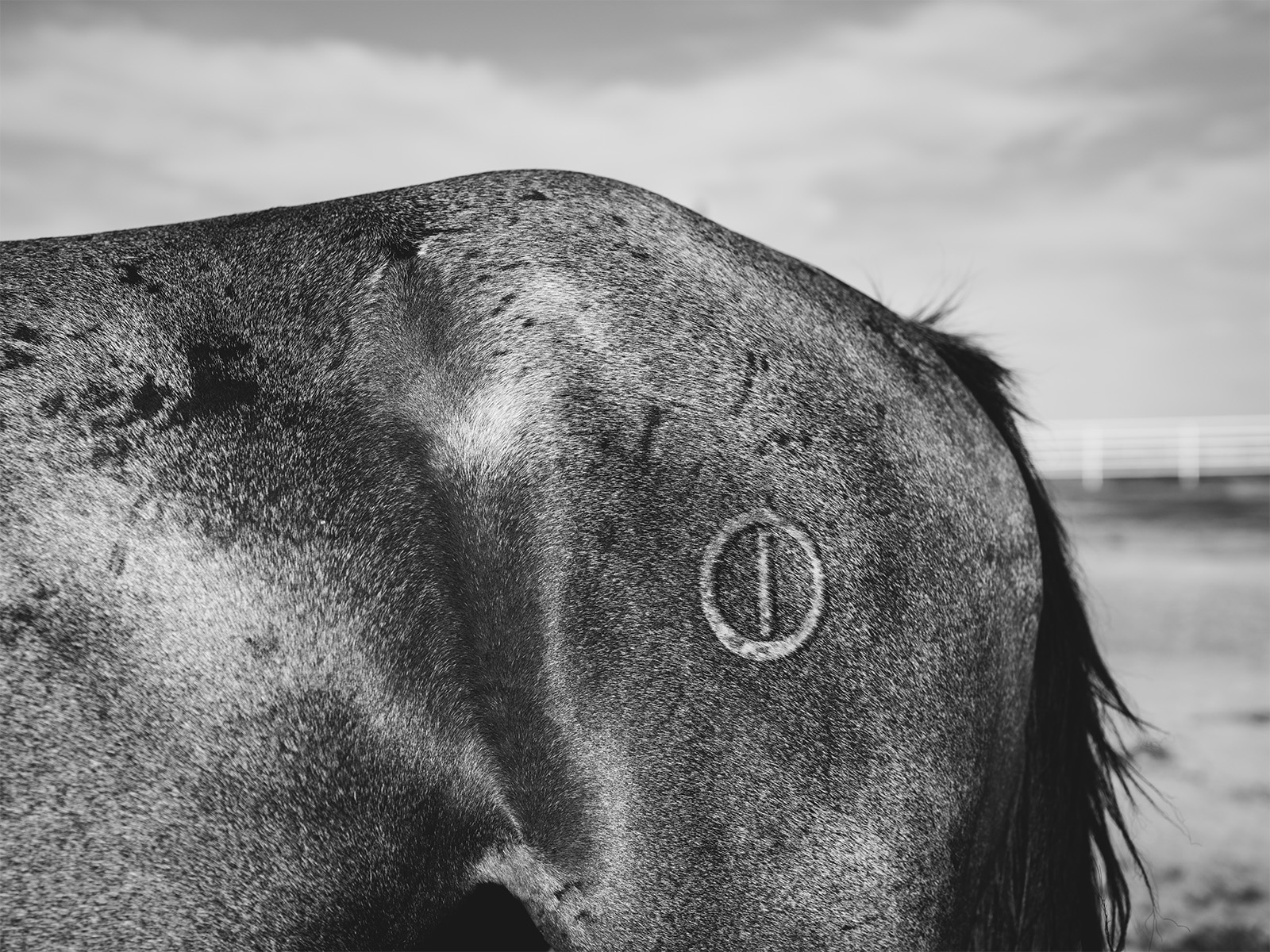
Nevertheless, Mike’s children stayed close to home. Unlike other teenagers, Binion and Chase didn’t attend school dances or hang out at football games. Both had hearing loss—Binion was born with it, while Chase’s developed when he was young—so conversations were tough. They had to read lips to understand what people said, but working with animals felt natural. Binion became a trick rider who would try anything on a horse in front of large crowds, while Chase had a gift as a pickup man. Mike Jr., meanwhile, helped introduce Cervi Championship Rodeo’s vaunted breeding program.
After a stallion mates with a mare, a capable foal will not see action in a pro rodeo until at least six years later. The tradition spans decades: Cowboys still talk about bucking horses like Roan Angel and Big Sky from the 1990s, and in recent years, the Cervi breeding program has produced Womanizer, a world champion bronc in 2020, and William Wallace, a black gelding with one striking blue eye who has been selected to perform at the National Finals Rodeo in 11 of the last 12 years. “When you get on a Cervi horse, it’s usually a lot of fun,” says Cole Reiner, a top-ranked bareback bronc rider.
Mike Jr. never stopped pursuing his own career as a team roper, a timed event in which two riders work together to rope a steer. In late September 2001, the 30-year-old boarded a small plane in Wisconsin bound for a rodeo in Missouri. It was late in the season, but Mike Jr. wanted to compete. On the runway, Mike Jr. called his father to let him know he was about to take off.
A thousand miles away in Colorado, Binion and Chase were helping their father build pens on the north side of the Stoneham ranch when Mike Jr. called. “Take care, son,” Binion heard Mike Sr. say before he hung up and got back to work. Eventually, they got into the truck to head home.
The telephone rang when they arrived back at the farmhouse. The twin-engine Cessna carrying Mike Jr. had experienced engine failure and crashed in a field. All three passengers died.
Mike rarely spoke of his oldest son’s death. Backstrom threatened to take him to a psychiatrist, and Binion watched his father soften. “Losing little Mike changed him to be overly loving,” Binion says. Even before the crash, Mike Sr. was close to Chase, who sometimes called his dad 10 times a day. The boys watched as their father, though still a tireless worker, stopped making the same courageous moves he had in his earlier years.
By 2005, Mike had made a critical error. Along with Cervi Championship Rodeo, he also owned a business called Envirocycle, which processed wastewater from oil drilling operations in Weld County. The company was required to maintain a leak-detection system; Mike and his employees were accused of tampering with it to hide leaks. Mike eventually pleaded guilty to felony violation of the Safe Drinking Water Act, and at the sentencing hearing, he appeared in his cowboy boots in front of a federal judge.
“Mr. Cervi truly is one of a kind,” his attorney told the judge, according to the Rocky Mountain News. “He is truly indispensable to the operation of several businesses, and there aren’t many people about whom you can say that.”
“Oh, come on now,” the judge replied. “You’re not telling me that his empire will collapse into dust, are you?… When he gets out, it’ll still be there, won’t it?”
“I don’t think so,” the lawyer answered.
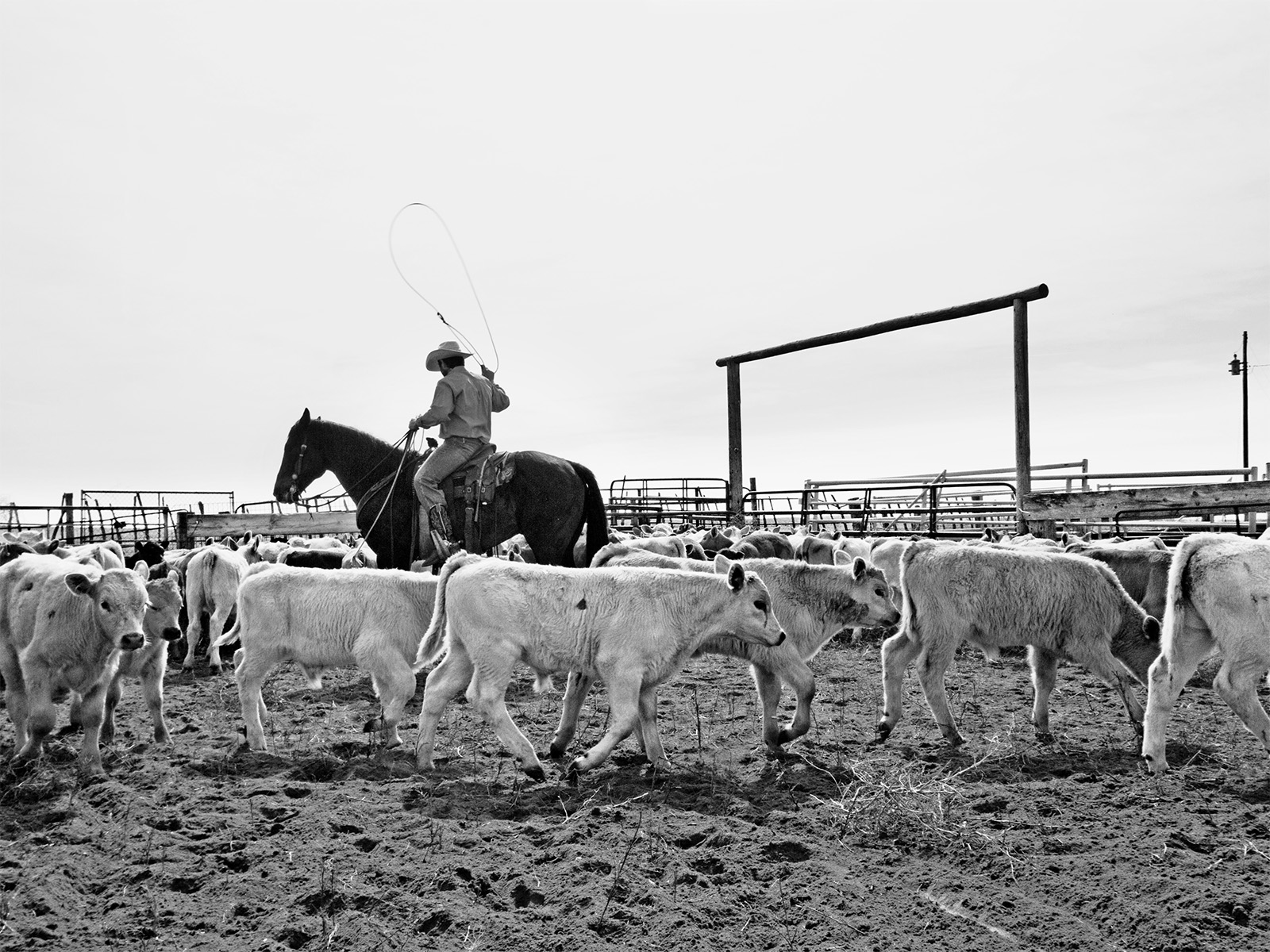
Mike was sentenced to five months in federal prison in Lompoc, California, where he would help teach the wardens how to ride horses. Before he left, Mike called Binion, then 20 years old, into the tack room on the ranch. Mike wasn’t the type to give gifts, especially sentimental ones, but he handed Binion a custom brown saddle, along with the names of several trusted advisers to call if he had any questions about running the company.
Then he told his son not to lose any rodeos. “The wolves were at the door,” says Knowles, the PRCA executive.
Binion had waited for this moment since he was a boy, but he wondered to himself if he was ready. That December, his confidence took a hit when a truck transporting the company’s horses back from the National Finals Rodeo in Las Vegas tipped over on the highway, killing a horse. Mike, who had ordered Binion to hire a different driver, was furious when he heard the news from prison.
The first major rodeo on Binion’s watch was the National Western Stock Show, and other prominent stock contractors showed up to keep an eye on the first-time operator. “They weren’t there to taunt you, but they were—like, if shit hits the fan, they’re gonna be in there to swoop and save the day, and then make the rodeo theirs,” Binion says.
But the show went off without a hitch, and Cervi Championship Rodeo kept all 16 contracts it had at the time. Binion began putting his own ideas into action. He and his team designed yearslong regimens for the stock that focused on nutrition—feeding the horses grain and supplements around the clock—and trained young horses on dummies and then at college rodeos before entering them into professional events. He built on Mike Jr.’s breeding plan, introducing what he calls the Born to Buck program, which tracks genetics to pair mares and stallions.
Binion also leaned into his experience as a trick rider to shape rodeos that captured audiences’ attention. One such stunt involved a cowboy dressed in a bunny suit atop a bronc. Once the rider was bucked off, Binion would send in a rodeo clown to chase him with a shotgun.
He loved to make the crowd laugh, but he also wanted them to understand his family’s history. He produced videos that told the story of the horses’ bloodlines and paraded mares and colts into the arena to show the next generation of performers. “I immersed myself into the business because I wanted my father’s approval,” Binion says. “But at the same time, I loved it that much.”
Mike was released during Rodeo Houston. He flew to the city to have a get-out-of-prison party with his sons and friends but needed to be back the next morning to meet with his parole officer. Binion, however, dropped his father off at the wrong terminal at the airport, and Mike missed his flight. The family rushed to charter a plane so he wouldn’t violate the terms of his sentence.
From then on, Mike stayed close to Colorado, buying a feedlot in Greeley. He spent most of the next 20 years attending mass every day (he had a key to the church) and overseeing 30,000 head of cattle. He worked there until the final two weeks of his life—though he did attend the National Finals Rodeo in 2022, when he gave a short speech at a banquet and told the crowd how proud he was of his sons.
Once Mike’s kidneys began failing, the hospice nurses fixed a hospital bed in the feedlot’s back office. They tended to him around the clock, shuffling across the room’s black-and-white hide rug. Thousands of cows just outside the window, Mike faced the wood-paneled walls that told so much of his story: images of his famous horses, a black-and-white portrait of Benny Binion holding his namesake in a casino, a framed tribute from Mike Jr.’s memorial.
Mike died early on a Wednesday evening, at the age of 88, with Binion and Chase sitting by his side. They took Mike’s pocketbook out of his shirt, his final cattle notes and the blank check from his mother still inside. They lifted a navy blanket over his face and rested his silverbelly hat on his chest. Then they headed back to Houston to finish the rodeo.
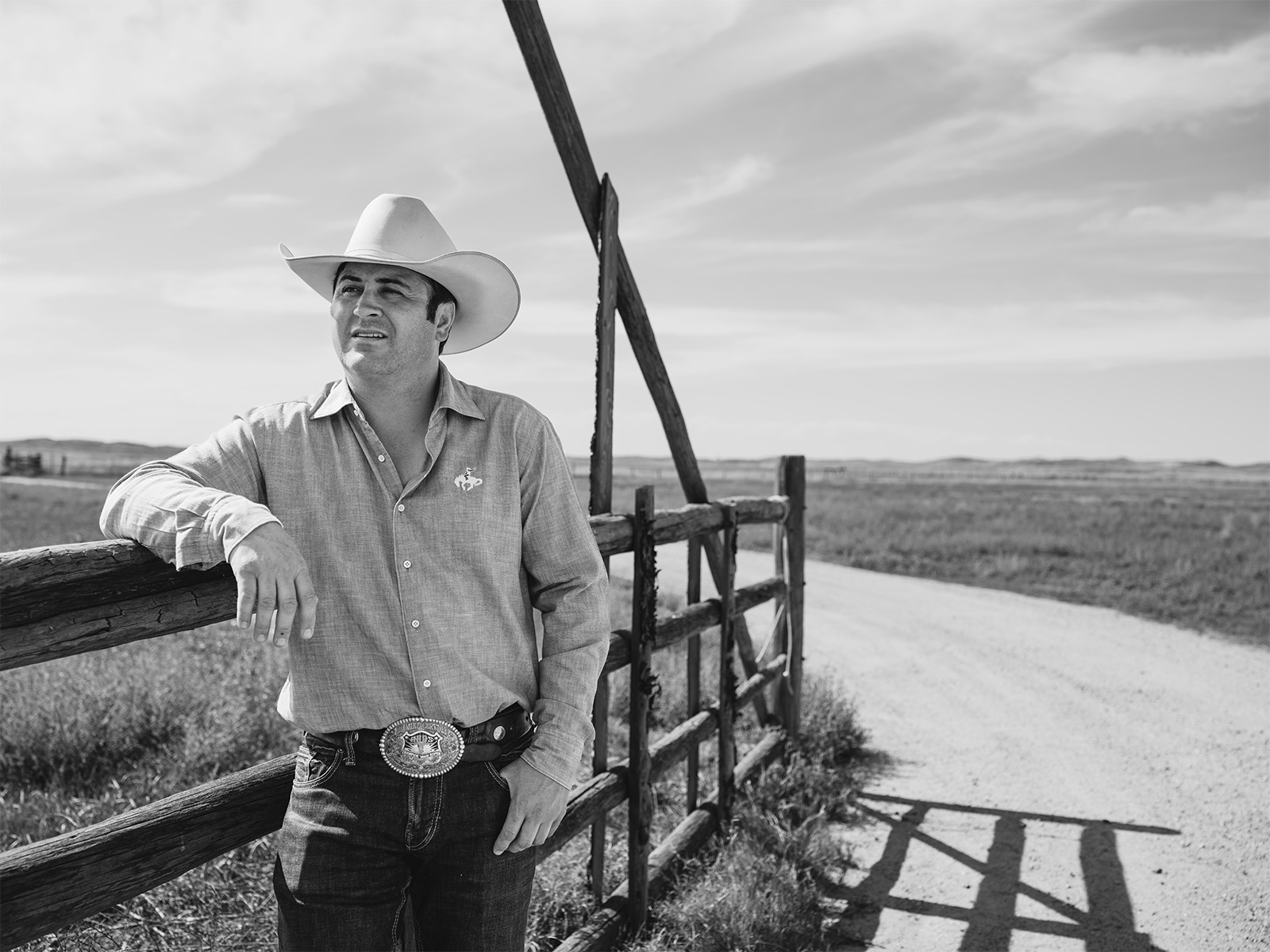
Late on a recent spring morning, with the sun beating down and temperatures touching 85 degrees, Chase climbs onto a horse at the Roggen ranch. It’s calving season, peak time for the herd to feed and give birth, but there’s been little moisture, so there’s little grass. Chase has been working from sunup to sundown partly to feed hay, stacked in hangars, to 400 cows. Sweat bleeding through his gold Western shirt, he adjusts the aviator sunglasses under his cowboy hat and looks to the sky. “You gotta have rain,” Chase says. “We haven’t had anything. So, hope and pray, and just—pray.”
He eventually hops off his horse and into his white truck, steering it through the roads of the ranch, each curve leading to a new business venture. Chase has been named the PRCA’s Pickup Man of the Year twice and invited to the National Finals Rodeo eight times, but the ranch is where he feels closest to Mike. Part of the land has been leased to farmers, who set up 12 circles of row-crop farms, blanketing the earth with corn, potatoes, and carrots. Just beyond that, oil pump jacks drill five miles down into the ground. Occidental Petroleum, a Texas-based company, has set up nine pads across the ranch. New roads have been built, and man camps buzz. Dozens of workers park their trucks next to the trailers by the rigs.
Chase pulls into one of the camps and watches them mill about. “All those guys stay in there. Twenty-four hours a day, they drill, 365 days a year. Christmas, Thanksgiving. Time is money,” he says. “They just started drilling this year.”
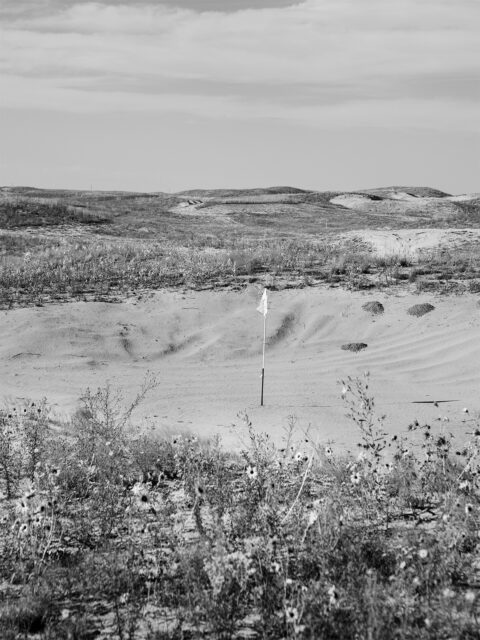
As Chase pilots the truck toward the southern end of the property—the cattle, farms, and pump jacks in his rearview mirror—the golf course begins taking shape. The developers of what will be called Rodeo Dunes intend to construct up to six courses on rolling dunes that were useless for rearing cattle but are evidently ideal for links-style golf. Chase weaves through the dirt roads between lush fairways and manicured greens. Landscapers hold water hoses, as if the course will be open tomorrow, even though Rodeo Dunes won’t welcome the public until early 2027. “I’ve got lost so many times in here,” Chase says, putting the truck in reverse after taking a wrong turn on a sandy path between fairways. He once knew this land like the back of his hand but is still learning its new shape.
It had taken years for Mike to sign off on the project; maybe he couldn’t fathom anyone wanting to build a premier golf resort on 4,000 acres of his remote land. But Binion and Chase convinced Mike to take another chance, because making a living in agriculture wasn’t getting any easier.
Existential threats always seem to be looming. During the pandemic, drought forced the family to sell most of its herd of about 3,000 cows; it’s taken years to replenish their numbers. Just last night, a spark from a power line started a fire in tall, dried-up grass on the ranch. Chase raced to the edge of the blaze, his stomach churning, and a ranch hand helped him hook up a disc harrow behind a John Deere tractor. They drove in circles, the disc digging a trench to stop the fire. By the time they finished, fire trucks from about 10 miles away had arrived to put out the flames.
It wasn’t as bad as a decade before—in 2015, the family lost more than 20,000 acres to a blaze—but it had scorched 20 acres. Chase could see the blackened land as he calved.
That same morning, while Chase ranched in Roggen, Binion arrived at the feedlot in Greeley, the air thick with manure and chemicals. He parked his truck near a welcome sign bearing his father’s favorite saying: “Luck Is For Shooting Dice,” the logo of Benny Binion’s Horseshoe Casino completing the design.
Binion had a few days off before his next rodeo, so he had picked up Reagan from school and brought her to work. Inside the office, she scattered posters for her own boot-shining business on the floor while Binion ran numbers with his bookkeeper, Lisa Olson, on their latest rodeo dues. Binion had other business on his mind, too: He’d recently sold Mike’s feedlot, and the property would change hands within 48 hours.
The feedlot was a volatile investment—“My dad always said it’s a ticking time bomb,” Chase says—that could put their other businesses at risk. Cattle is a perishable commodity that fluctuates wildly with the market. “My joke while I was trying to sell this feedlot was: ‘I was named after a gambler, but I don’t want to be a gambler,’ ” Binion says.
He’s trying to do things his way now, but it’s not easy. In 2021, Hannah suffered an infection while pregnant with Reese and was rushed to the hospital. Doctors stabilized them both, and for two weeks, Hannah stayed confined to her hospital bed awaiting a premature birth. Nevertheless, Binion left his wife for three days to produce a rodeo in Montana. He made it back to Colorado but was working at the ranch, his phone dead, when Reese was born. “That’s where I drew the line,” he says.
Reese weighed one pound and 11 ounces at birth and contracted meningitis about a month after. Doctors told Binion and Hannah their daughter had a 50/50 chance to live. Binion decided not to travel to a rodeo in Nebraska, even though he felt a strong urge to go. “Hannah had a talk with me, and she said: ‘You have to start to be here for this family, too,’ ” Binion says.
“It was definitely a big crossroads for us,” Hannah says. “Up until that point, it was just Reagan and myself. We could still pretty much keep going. But when Reese came into the picture, it was, OK, we really need our dad. We really need our husband here. That’s where we finally came up with the solution of, Look, you just simply can’t be at all these rodeos. You need someone in cases like this that we can lean on.”
Binion knows he can depend on the cowboys who help him run the company, many of whom had also been loyal to Mike. Still, he rarely misses a rodeo. Two years ago, he skipped one in Nampa, Idaho, to take his family to the Baseball Hall of Fame induction of their close friend, former Colorado Rockies star Todd Helton. And Binion left Rodeo Houston last year to be with Mike as he was dying. But even on those occasions, he admits that he feels the addictive pull to work.
He’s watched Hannah approach other mothers and wives in the business to ask for advice about setting boundaries and has resolved to do better. Mike never took a vacation, but Binion started planning yearly family getaways. In between rodeos, he often races home to take the girls to school and tennis lessons, and at night he turns his phone off to play board games and read bedtime stories.
He’s even turned down chances to produce more rodeos, knowing they would cut into time with his daughters. “I’m trying to break the cycle,” he says. “There’s some things that I want to change, generationally, with our family businesses.”
Back in Houston, the rodeo has come alive. The bareback bronc riding event is about to begin, dust curling into the air from the chutes, and country music booms through the stadium’s sound system. Binion looks into the crowd, fans chugging beer and stomping their boots. He dismounts from his horse and peers into the chute, where a cowboy balances himself on top of a horse named Enuff Cherry. Binion holds the rope tied around the animal’s neck: “Go win the money,” he says, and the cowboy nods.
The gate flings open, and the horse veers left, violently bucking into the air. The cowboy flies off, his body twirling before slamming into the ground. He lies motionless, his face in the dirt underneath his hat. The crowd groans. “Stretcher!” a paramedic yells, and everyone rushes to the cowboy’s side as Chase runs down the horse.
Binion hurries to the cowboy and kneels down. “Are you OK?” he asks, but there’s no answer. He adjusts his headset. Part of Binion’s job is to tell the television producers in the trucks outside what he’s seeing on the ground, so the camera operators know what to focus on.
“He’s down,” he tells the producers, who sometimes grow nervous about focusing too much on wrecks. But before the cowboy can be planted onto the stretcher, he wakes up. “He’s coming to,” Binion says into his headset, and the cowboy climbs to his feet and staggers off. Thousands in the crowd clap and whistle in relief, and Binion tells the producer to zoom in on the happy ending.
About an hour later, after the chaos has subsided and the animals have been returned to the pens, the stage is wheeled onto the dirt. The lights dim. The sold-out crowd thunders in the dark. Dressed in metallic blue and bronze leather chaps, stitched leather tassels reaching her boots, Lainey Wilson holds onto her black cowboy hat as she begins to sing. Binion rushes into the stands to meet Hannah and the girls.
He clutches Reagan and Reese as they sing along to “Wildflowers and Wild Horses” and thinks about Mike taking him to see Reba McEntire after a rodeo three decades before. Binion couldn’t hear the music from most singers then, but for some reason he could always make out Reba’s melodies.
Wilson finishes her set, and as the crowd drones with a standing ovation, she climbs onto Link and rides in circles around the stage, a spotlight following her every move. Binion rushes his family down the stands and reaches the pens underneath the stadium. When Wilson comes through the entrance on the Cervis’ horse, she greets the girls one last time, and they wrap their arms around her legs.
Reagan and Reese are still shaking with adrenaline when they get back to their hotel after midnight. They crawl into bed with their parents but are still wide awake, still thinking about how they got to meet Lainey Wilson at the rodeo. Binion and Hannah can feel their daughters toss and turn and curl up their toes as they try to fall asleep.
Binion closes his eyes and, after weeks on the road, thinks about how much he needed this, how this night reminded him that the rodeo life was worth it. In a few hours, he’ll be up and back at the stadium, ready to do it all over again.
Read More: Take a Ride Through Colorado’s Spur-Rattling Rodeo Scene This Summer