

The Local newsletter is your free, daily guide to life in Colorado. For locals, by locals.
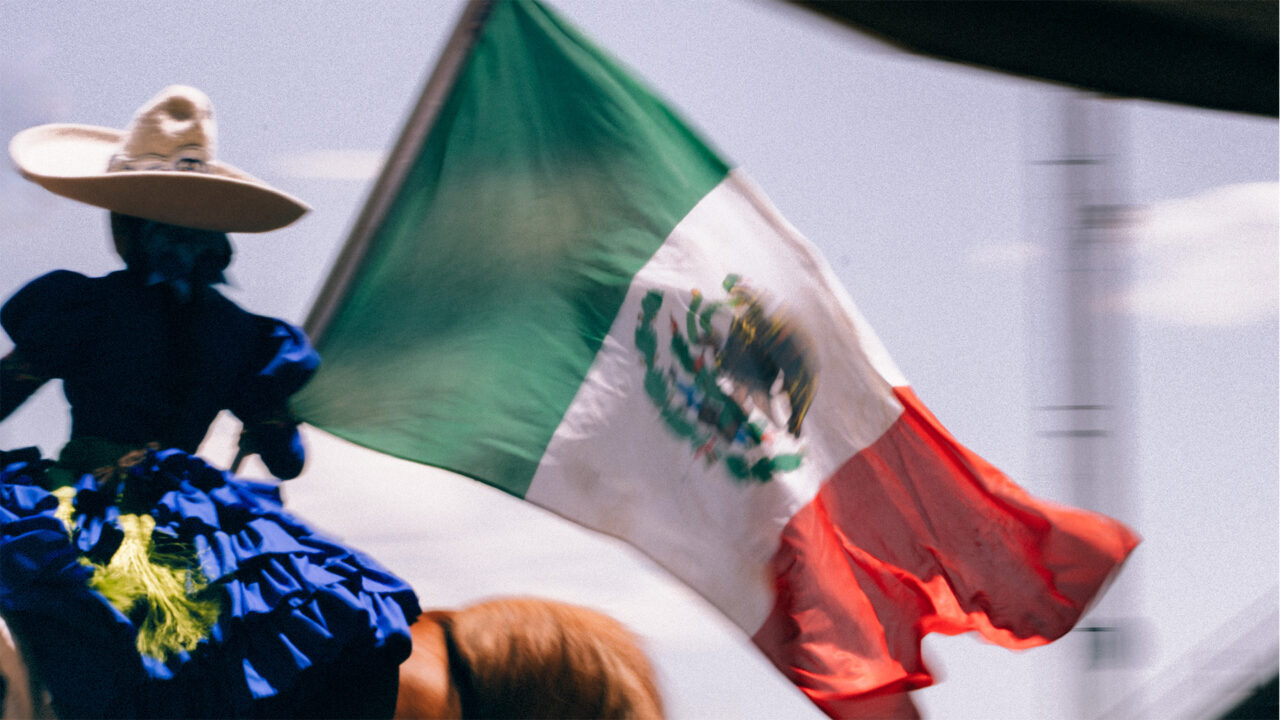
Roping, riding, dancing, and tradition all share the arena in charrería, Mexico’s national sport. For the Diaz family, which has spent generations preserving and promoting the practice from Denver to Dallas, every performance is equal parts competition, cultural celebration, and family affair. These photographs offer a closer look at what keeps the tradition thriving in Colorado and beyond.
Read More: 7 Rodeos in Colorado You Need To Check Out This Summer
Jump Ahead:
- Folklórico in the Arena
- The Art of Charrería
- The Women of Escaramuza
- Bringing Charrería to Colorado
- A Five-Generation Legacy
Folklórico in the Arena
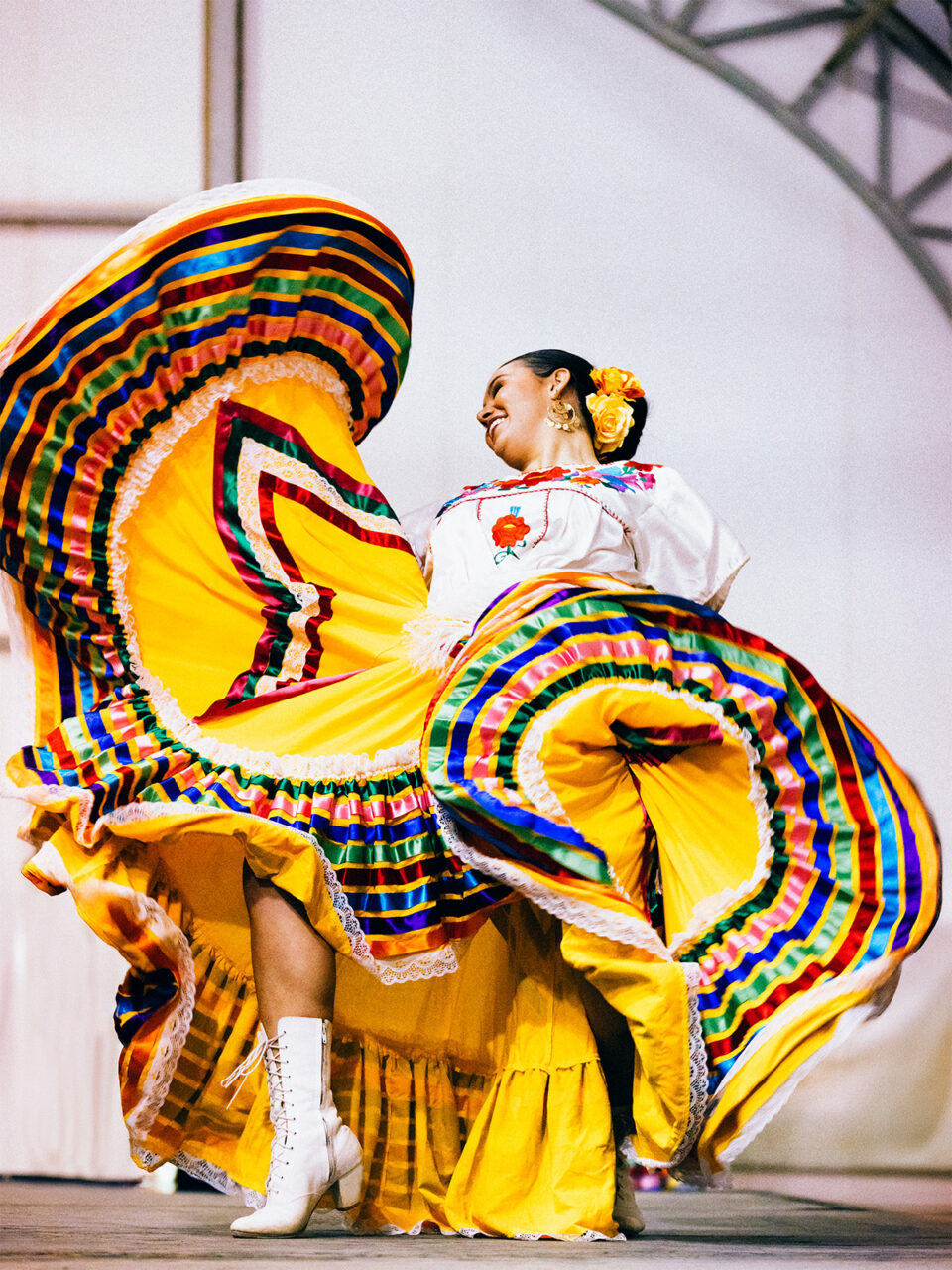
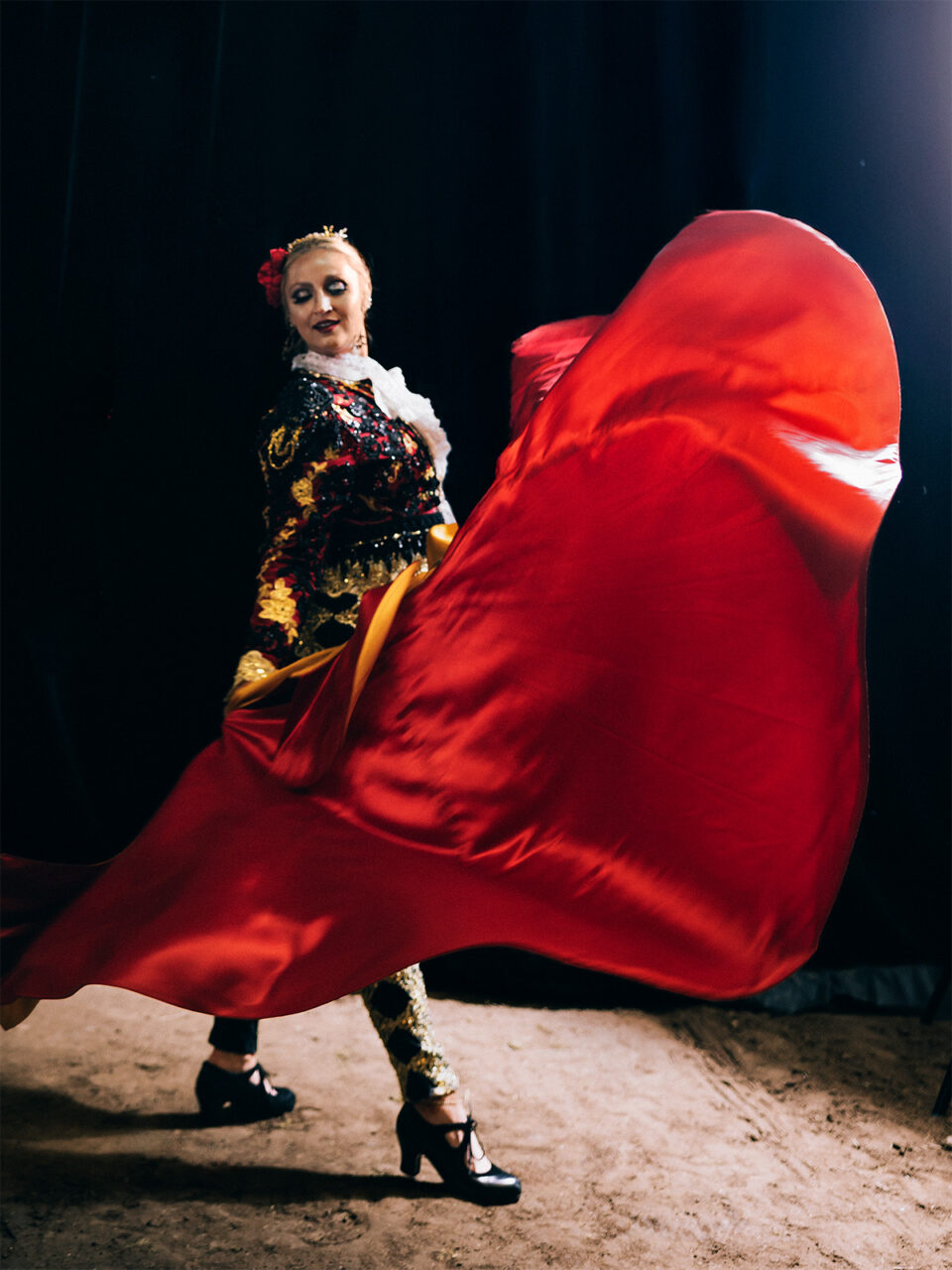
The Diaz family honors the diversity of Mexico by showcasing folklórico performances between their charrerías’ nine scored, livestock-centric events. “Every state of Mexico has its own dance style and music, and we want to embrace that,” says 22-year-old Nicolas Diaz, a fifth-generation charro who produces performances for state fairs, stock shows, and fundraising galas across the country alongside his parents, Jerry Diaz and Staci Anderson Diaz.
In Colorado, the Diazes rely on Lakewood’s Lisa T’s Dance Academy, founded three decades ago by Lisa Trujillo, to embody each region’s distinctive steps, sound, and garments—from Jalisco’s vibrantly colorful skirts to the dark dresses with aprons from Michoacán.
The Art of Charrería
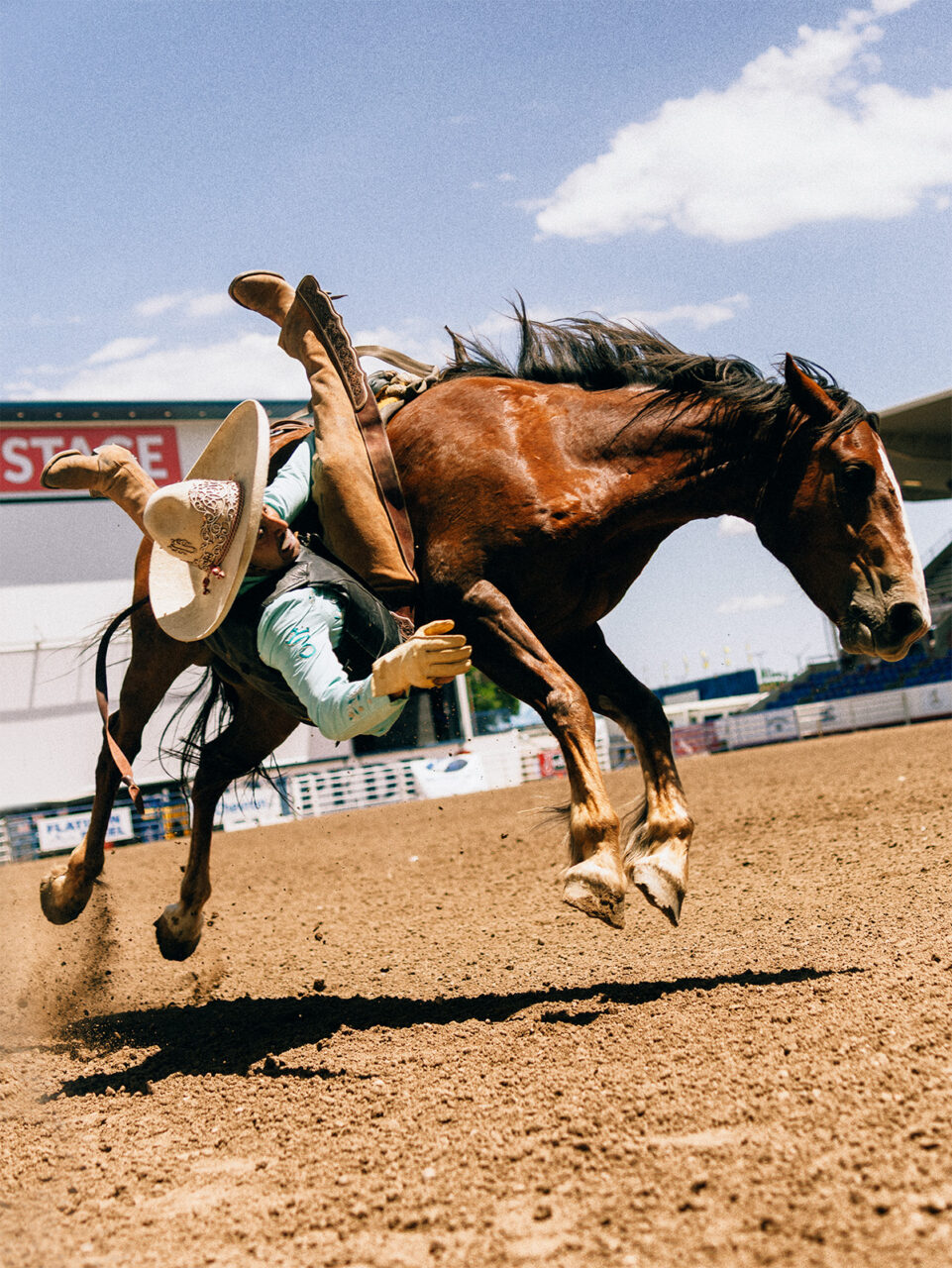
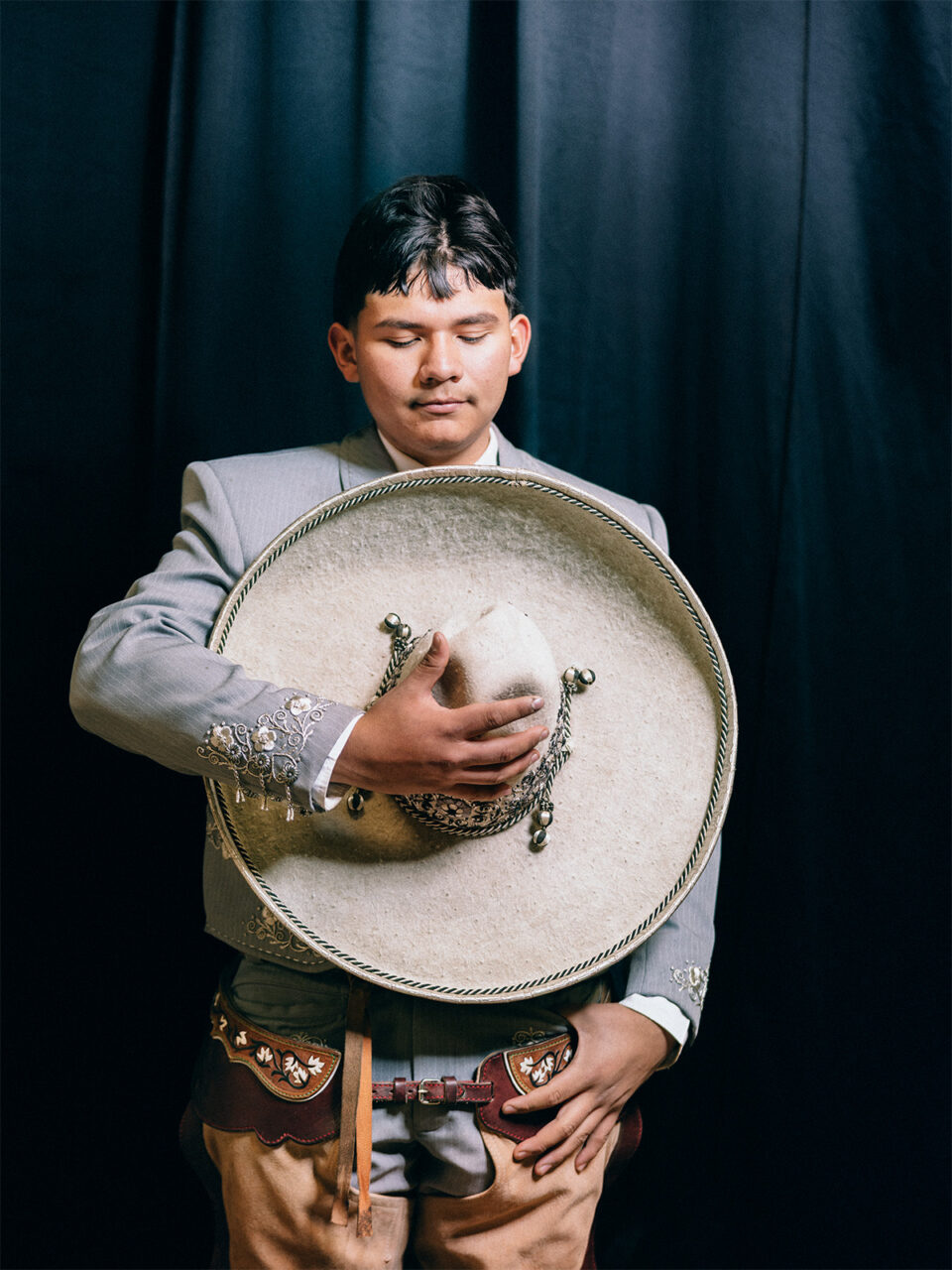
Along with roping contests, bull riding, and the cala de caballo (an evaluation of riders’ control over and bond with their steeds, similar to dressage), bareback horse riding has been a competitive element of charrería for generations. It looks different than its U.S. counterpart, however—and not just because charros’ sombreros have wider brims than the hat styles favored by American cowboys. In the event, competitors may use two hands on the rigging (a minimal leather handhold); American rodeo allows only one. To encourage riders to pick strong broncs, riders and horses are judged separately and each receive up to 50 points. What spectators see in a matter of seconds, however, represents years of training—a truism across all of charrería’s disciplines.
At the Diazes’ ranch in New Braunfels, Texas, Nicolas raises Andalusians for the sport’s pageantry and dancing events. Those horses don’t begin training until age three or four, and many are nine years old by the time they’re ready for the ring.
The Women of Escaramuza
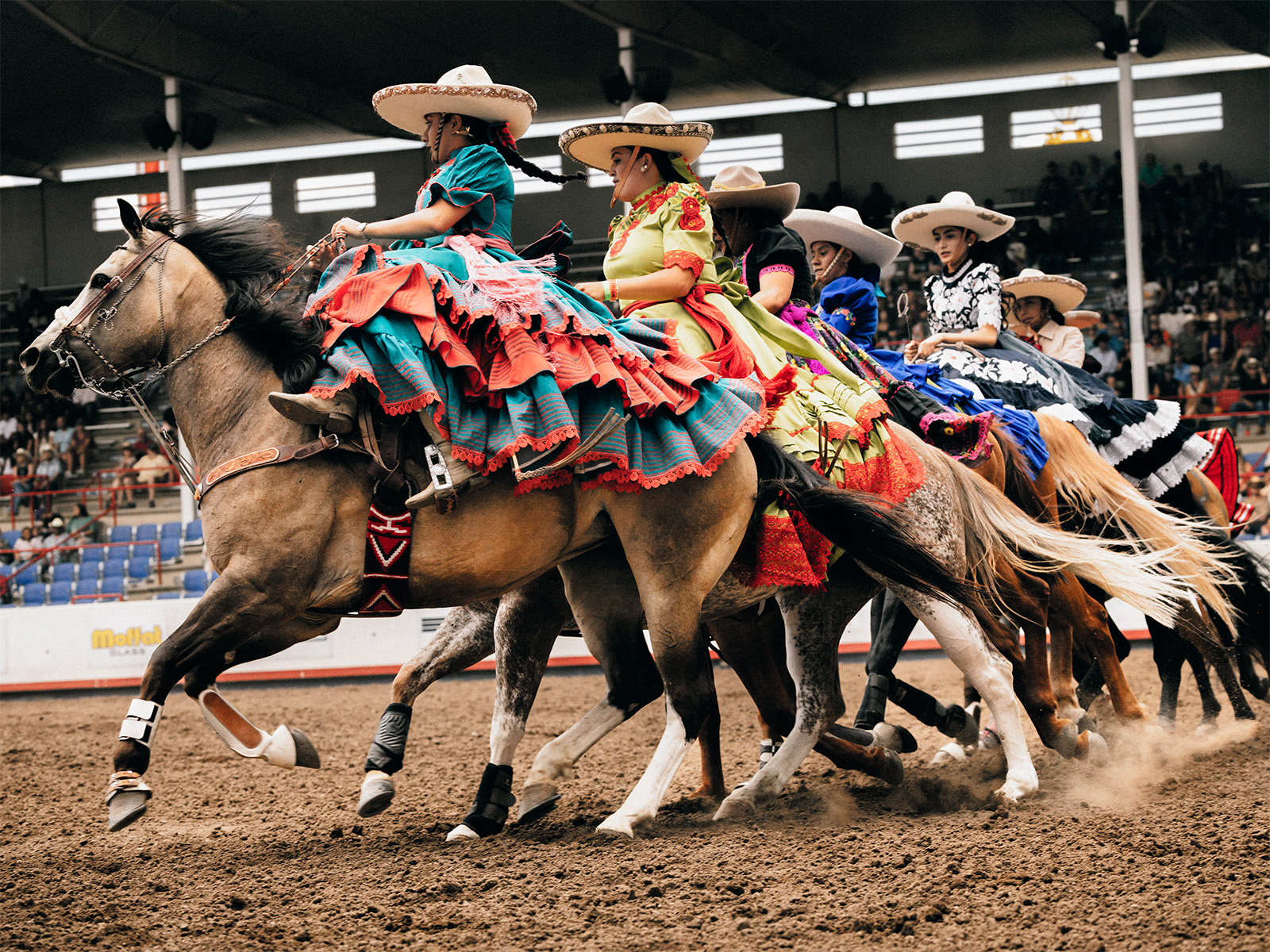
Escaramuza emerged in the 1950s as the only scored event for women and girls in charrería, a tradition long dominated by men. Riding sidesaddle at a full gallop, teams of eight execute choreographed patterns to music. Their elaborate Adelita dresses, embroidered by hand and weighing up to 15 pounds each, are a nod to the uniforms worn by soldaderas (women soldiers) of the Mexican Revolution.
Escaramuza Charra Flor de Aguileña, a team that’s been performing since 2009, is among the Colorado-based groups that partner with the Diaz family to bring the tradition to fans here. “Many people from our audiences come from a Mexican heritage, and they feel connected to these performances,” Nicolas says. “It resonates with them and their history.”
Bringing Charrería to Colorado
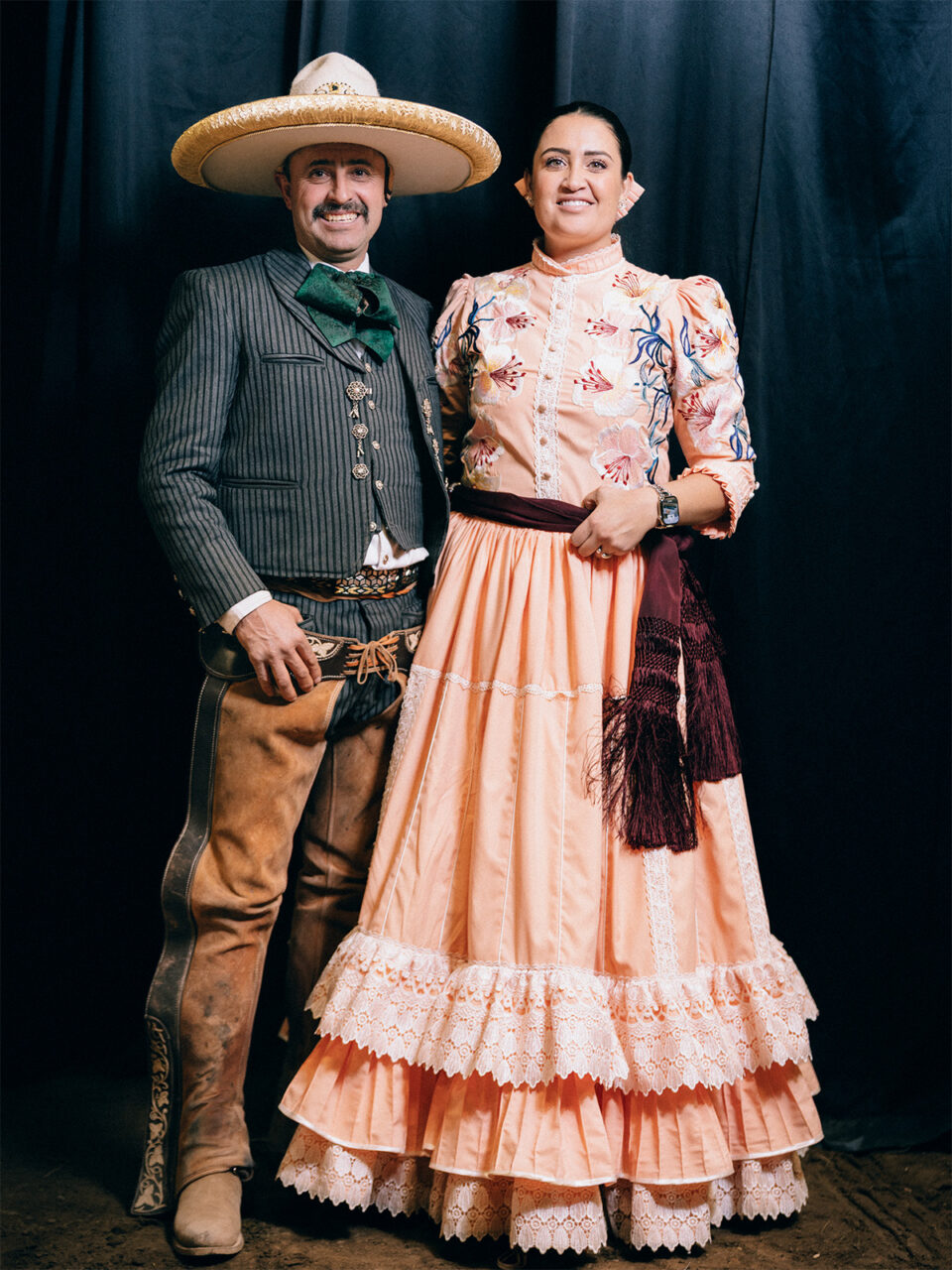
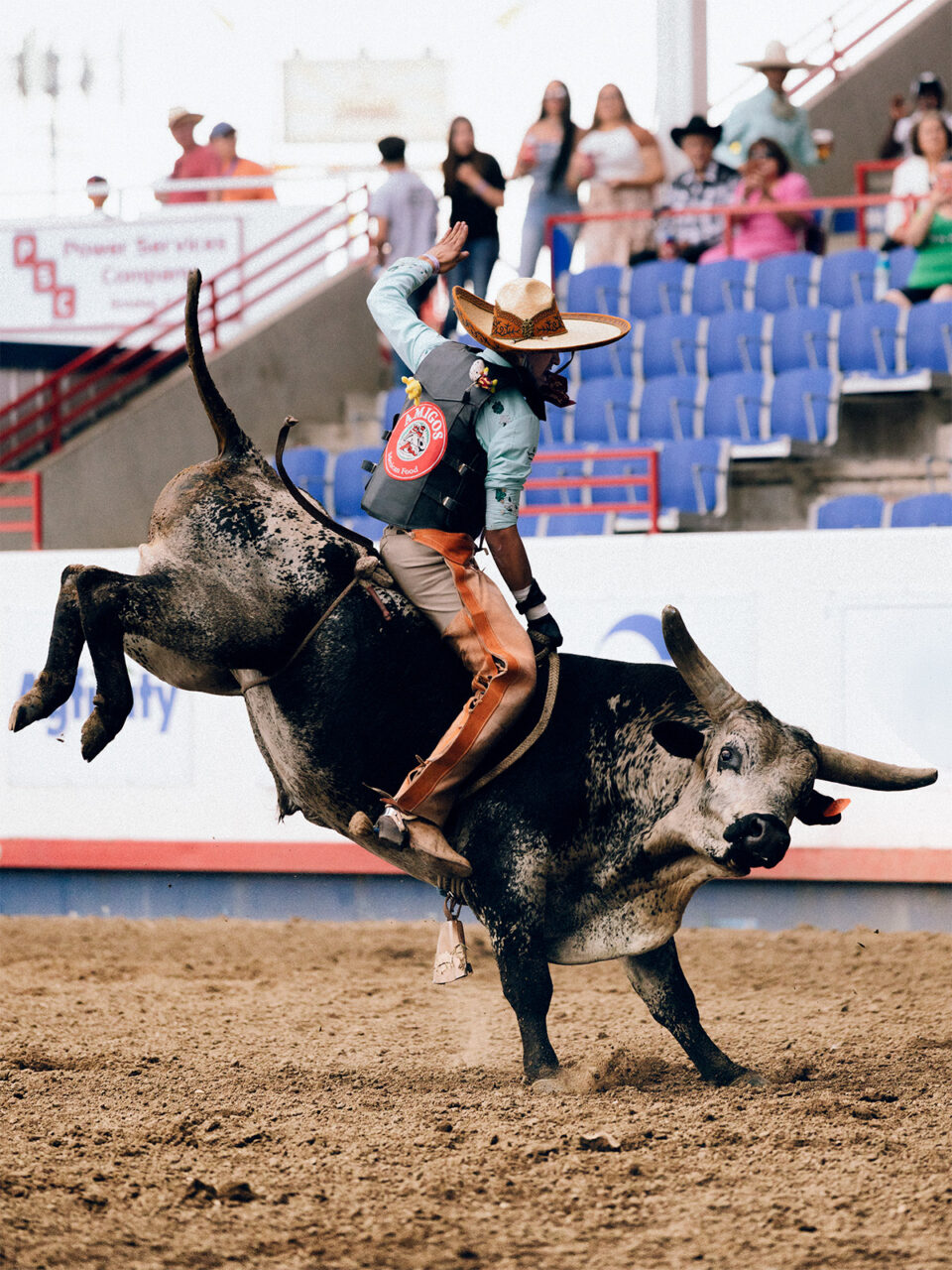
The Diaz family organizes 150 to 200 performances annually, including at the Greeley Stampede (June 25 to July 4), the State Fair of Texas in Dallas (September 25 to October 18), Denver’s National Western Stock Show (January 9 to 24, 2027), the EquiFest of Kansas (late January 2027), and even the occasional Broncos halftime show. Although the family travels across the country, for Nicolas, Colorado is special. “The fans are very loving and very supportive of our culture,” he says. “Colorado is kind of our second home.”
A Five-Generation Legacy
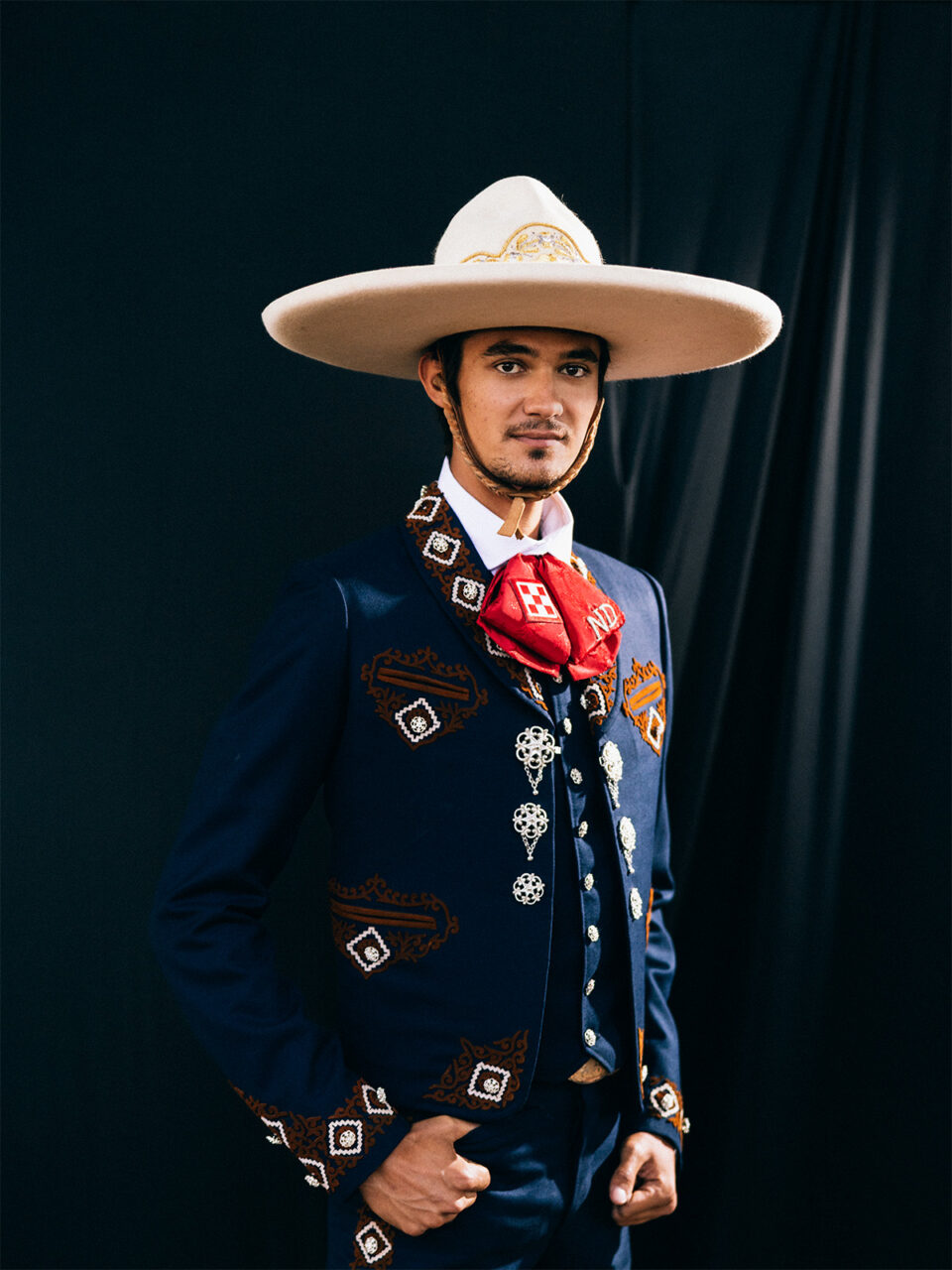
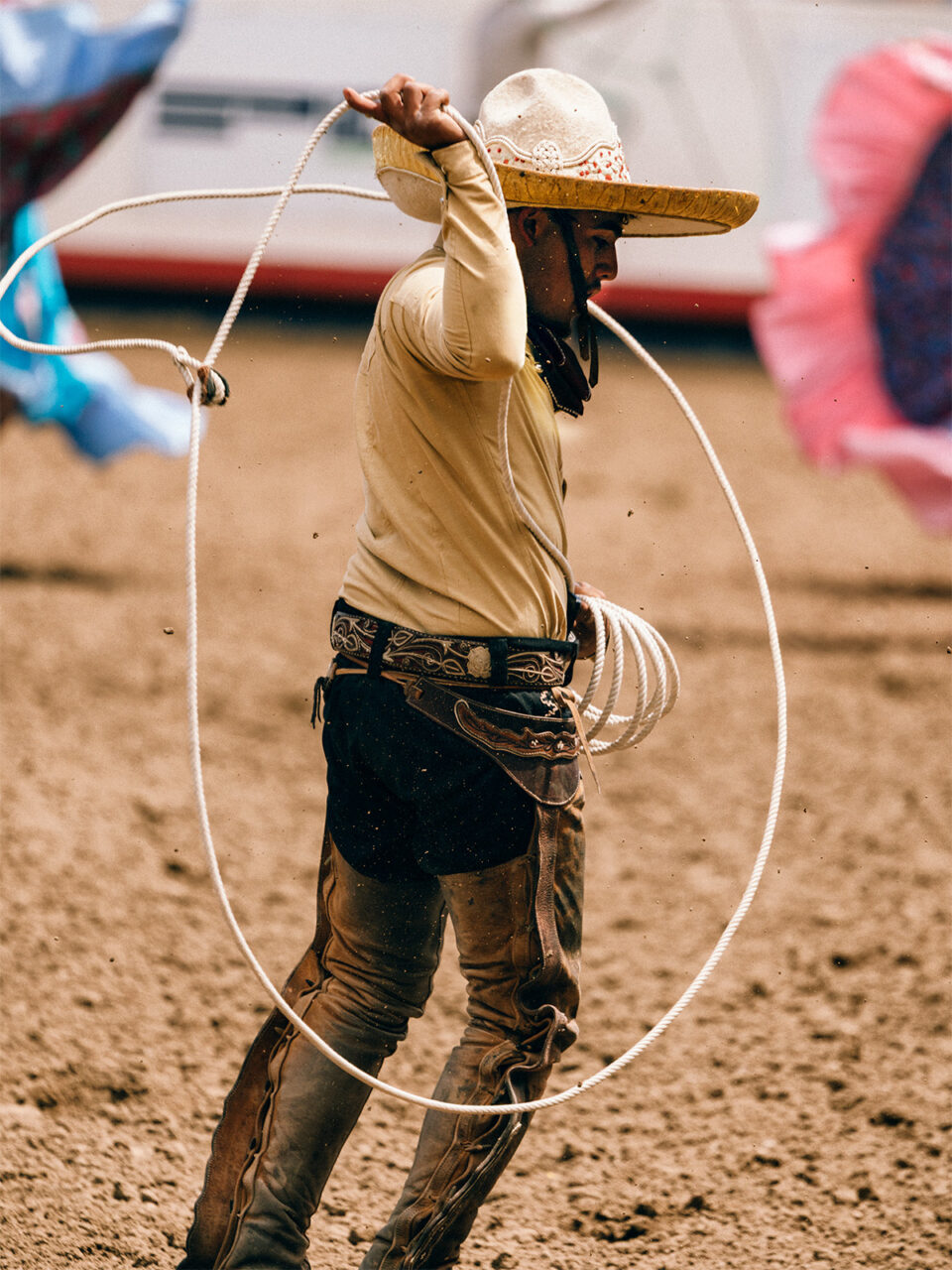
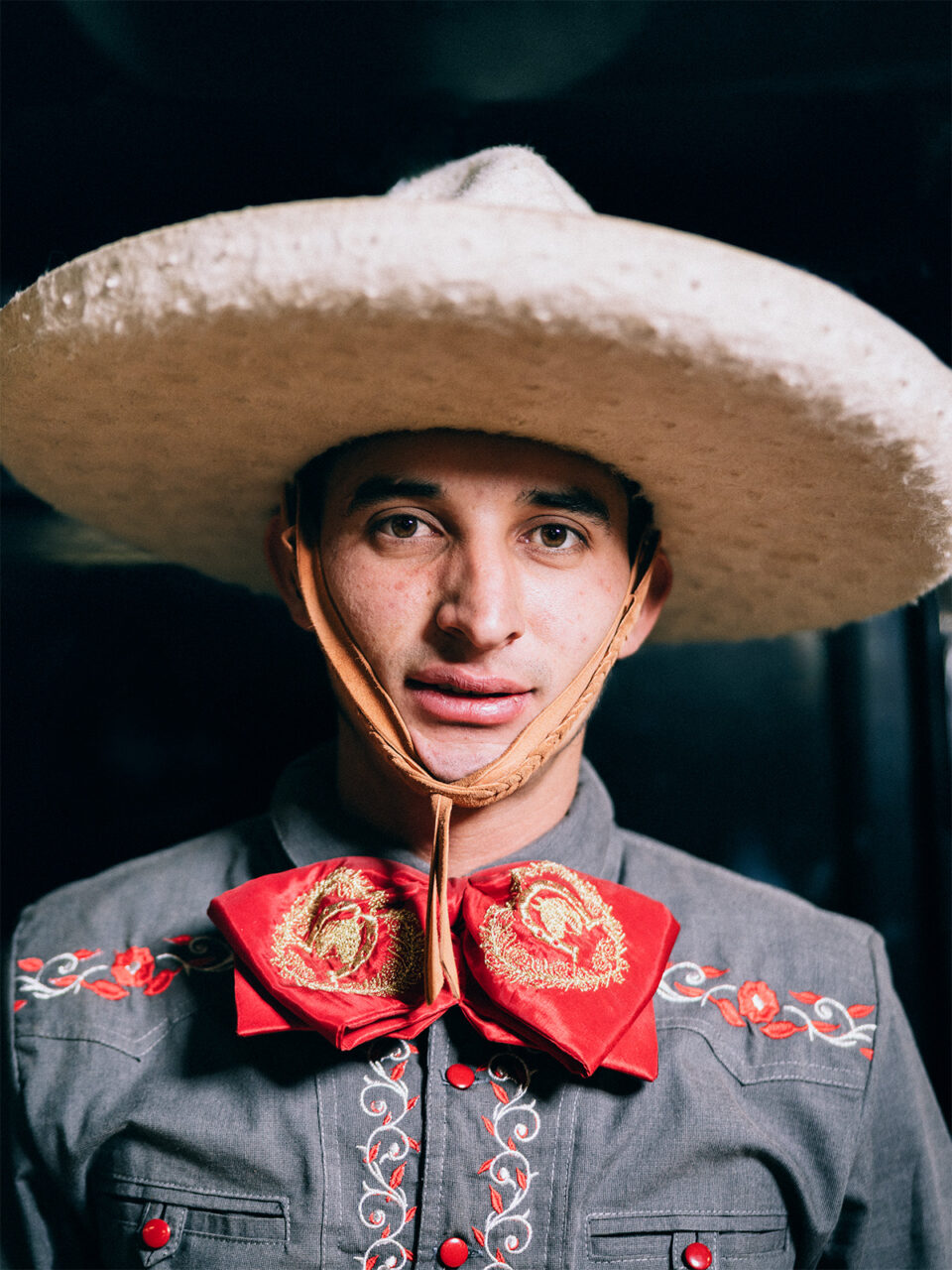
Jerry Diaz’s father, José “Pepe” Diaz, was born in Jalisco and trained horses for the president of Mexico in the early 1900s before coming to the United States. Jerry, a 65-year-old fourth-generation charro, eventually crossed paths with Staci Anderson the way most things happen in this family: through horses. Her grandparents were equestrians, and she’d grown up in the saddle just like Jerry had. Together, they built a life and a livelihood producing charrerías that draw thousands and sell out arenas.
Nicolas, their only child, has never known anything different. “It is a great honor,” says Nicolas, who will someday inherit the family business, “but also a huge responsibility.” Five generations in, it always has been.