

How Coloradans Are Fighting Sexism in Health Care
Women’s health has long been overlooked and underfunded, but that’s changing in the Centennial State.


To understand how deeply sexism is rooted in health care, look no further than the word “hysteria.”
For millennia, this misogynistic diagnosis—which comes from the Greek term for uterus, “hystera”—referred to any woman who couldn’t control her emotions. The ancient Greek physician Hippocrates prescribed sex as the treatment; 23 centuries later, Freud endorsed the same idea. Women with epilepsy were often misdiagnosed as hysterical and sent to insane asylums. The label wasn’t removed from the American Psychiatric Association’s Diagnostic and Statistical Manual of Mental Disorders until 1980.
We’ve come a long way since then, but disparities persist. In the emergency room, women are less likely to be given pain medication than men, and when they do get relief, they wait an average of 30 minutes longer for it. And though women tend to live longer than men, they also spend an average of nine years in poor health, which is 25 percent more time than men. Fifteen percent of all Colorado women who responded to a 2023 KFF survey described their health as fair or poor. Women also reported an average of 10 poor mental health days during the preceding month.
Look for signs of progress, though, and you’ll find plenty: For example, the mortality rate for women with breast cancer nationwide has fallen by 43 percent since 1989, thanks to earlier diagnosis and better treatments. In Colorado, researchers and providers are expanding care for female athletes, destigmatizing menopause, fighting racism in prenatal and obstetric care, and more. Here’s how they’re charting better outcomes.

A First-of-Its-Kind Colorado Clinic Is Changing the Game for Teen Girls in Sports

She Barely Survived Giving Birth. Then She Vowed To Give Other New Moms a Better Experience.
Heart Attacks Are Twice As Deadly in Women. A Colorado Doctor Believes Earlier Detection Could Save Lives.
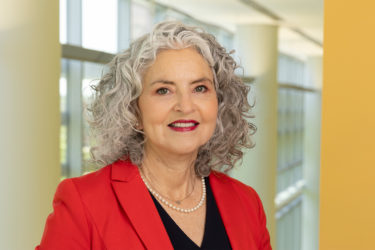
Denver Doctor Nanette Santoro Is Busting Menopause Myths