

The Local newsletter is your free, daily guide to life in Colorado. For locals, by locals.
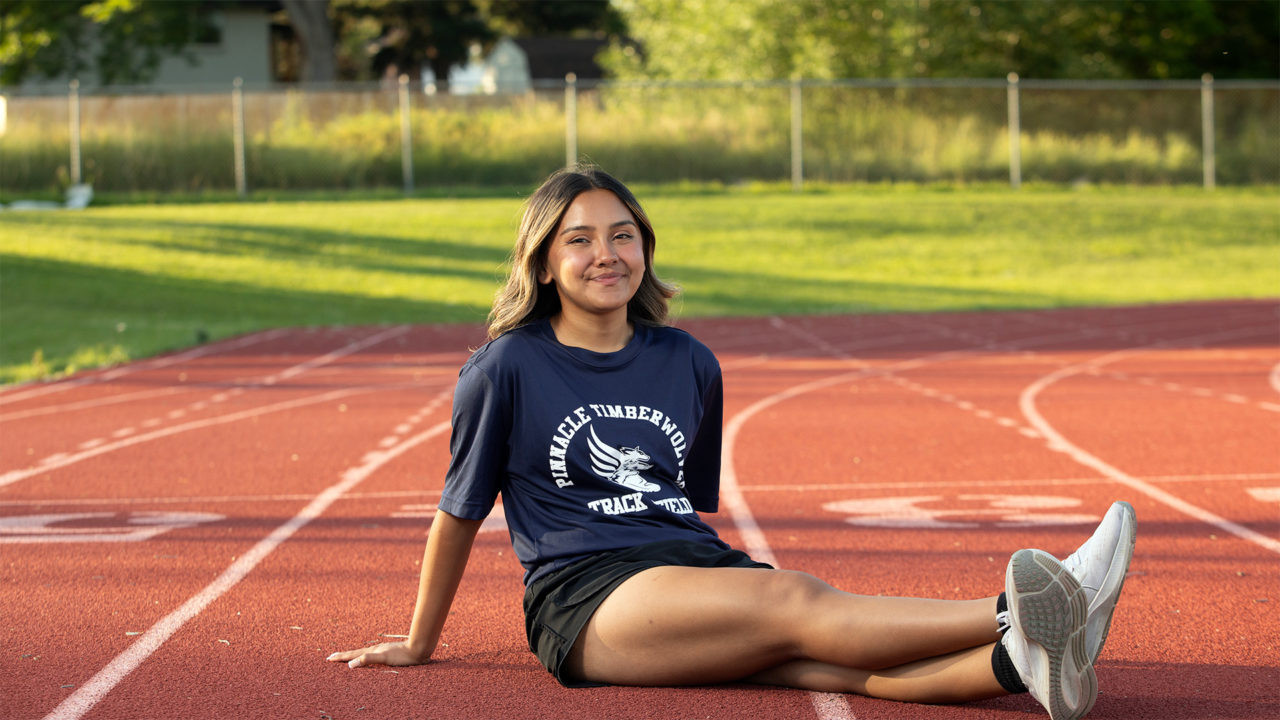
During her freshman year at Thornton’s Pinnacle Charter School, Nevaeh Zamora felt a pain in her hip. The injury sidelined the competitive track and cross-country runner and landed her in the office of Dr. Aubrey Armento, a sports medicine physician at Children’s Hospital Colorado. Armento diagnosed a torn hip flexor—and saw symptoms of an even more dangerous condition.
Zamora was wary of doctors and at first gave only one-word, yes-or-no answers to Armento’s questions. But the orthopedics specialist knew how to handle this delicate conversation, in part because of her personal experience. Armento had also been a runner in high school and had struggled with bone stress injuries as a result of overtraining and undereating. “I lost my period in high school, and I had a difficult relationship with food,” she says. “It was taboo to talk about periods or weight.” She recounted her story to her young patient, who began to open up.

During a routine physical in eighth grade, a doctor had told Zamora, “Looks like you’ve put on some pantry weight.” The careless words echoed in her mind for years, prompting waves of shame. “Food became the enemy from that point on,” says Zamora, now 18. “I just stopped eating.” Losing weight would also improve her race times, she believed.
Her Instagram and TikTok feeds were filled with images of slender young women: health and fitness influencers sharing endless diet and exercise tips. “Eat this, don’t eat that, do this, don’t do that—social media was definitely fueling the negative thoughts,” she says. Zamora put in more and more hours on the track and watched her clothes get looser as the pounds slipped away, until her hip injury forced her to slow down.
Instead of treating the torn hip flexor in isolation, Armento referred Zamora to Amanda McCarthy, a registered dietitian at Children’s who specializes in sports nutrition. Slowly, with both experts’ help, Zamora stopped counting calories. “I learned to see food as fuel, not a reward,” she says, adding of Armento and McCarthy: “They were my saviors.”
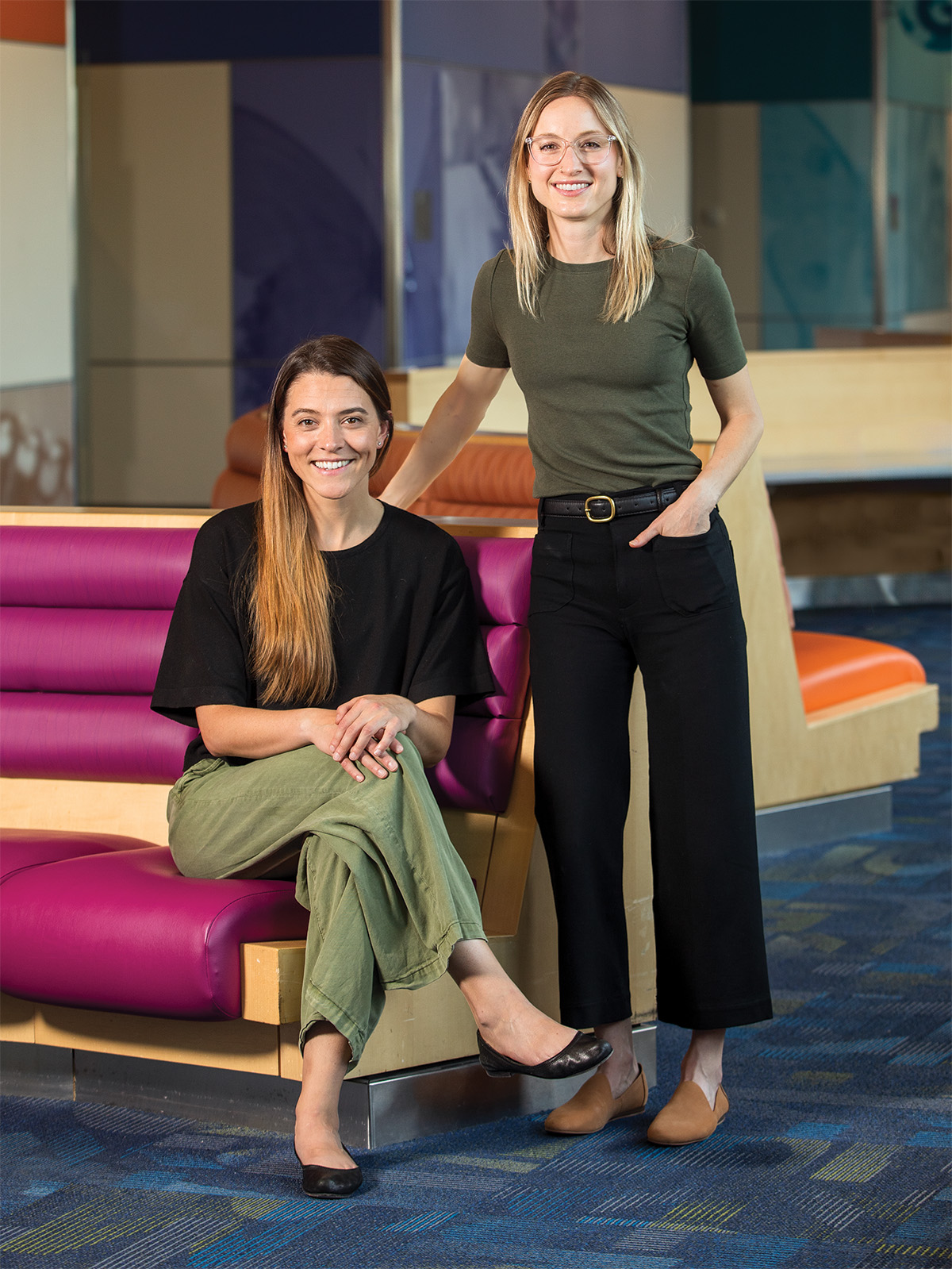
This experience was by design. Zamora later became one of the first patients at the new Female Athlete Program, a clinic that opened at Children’s last year. The only such program in Colorado and one of just a few nationwide, the clinic includes specialists in sports medicine, orthopedics, nutrition, and gynecology, all focused on providing wraparound care for a population that has historically been overlooked.
“There’s always been an assumption in medicine that you can treat women the same way you treat men, and it’s shortsighted,” says Dr. Lauryn Roth, one of the program’s founding physicians and a specialist in pediatric and adolescent gynecology. “Female hormones absolutely change things, and female athletes are dealing with a whole different set of issues.” That includes the female athlete triad: missed or irregular periods, disordered eating, and low bone-mineral density, issues that often plague young women who overtrain and underfuel.
Before Roth can make a specialized plan for each patient, she often has to correct false beliefs they may have learned from coaches, peers, or the internet. “It’s a common misconception in the athletic world that, ‘Oh, your period might stop,’ ” Roth says. “But it’s not normal. It’s a sign that we need to make changes.” Over the long term, missed periods are a sign that the body is in a low-estrogen state, which increases the chance of such complications as broken bones, osteoporosis, and heart problems. Endurance athletes, such as runners and swimmers, as well as participants in sports that emphasize appearance, like figure skating and gymnastics, are at particular risk. (Men and boys can suffer from eating disorders too, though they may not feel as much pressure to lose weight if they play sports that emphasize bulking up.)
Like Armento, Roth sometimes shares her own experiences with patients. She was a figure skater and swimmer who missed practices because of painful periods, even while peers told her that disruptive cramping was normal. Now she helps female athletes with similar symptoms explore options that can make periods easier or safely eliminate them altogether.
The clinic’s opening comes at a time when more elite athletes are speaking publicly about their struggles with eating disorders. In her 2023 memoir, Olympic runner Kara Goucher of Boulder revealed that one of her coaches had pushed her to lose weight, leaving her with lingering body image issues. Allie Ostrander, also a professional runner in Boulder, frequently posts about her recovery from anorexia on Instagram and YouTube.
For her part, Zamora has been teaching food positivity to health classes at her high school, a task she took on as her senior capstone project. She also leads by example with her teammates. “I’m the one handing out granola bars and orange slices before a race,” she says. “And sometimes I’m the one saying, ‘Let’s go to Dairy Queen after practice.’ I don’t want to sacrifice the joy that comes with eating.”
Read More: