

The Local newsletter is your free, daily guide to life in Colorado. For locals, by locals.
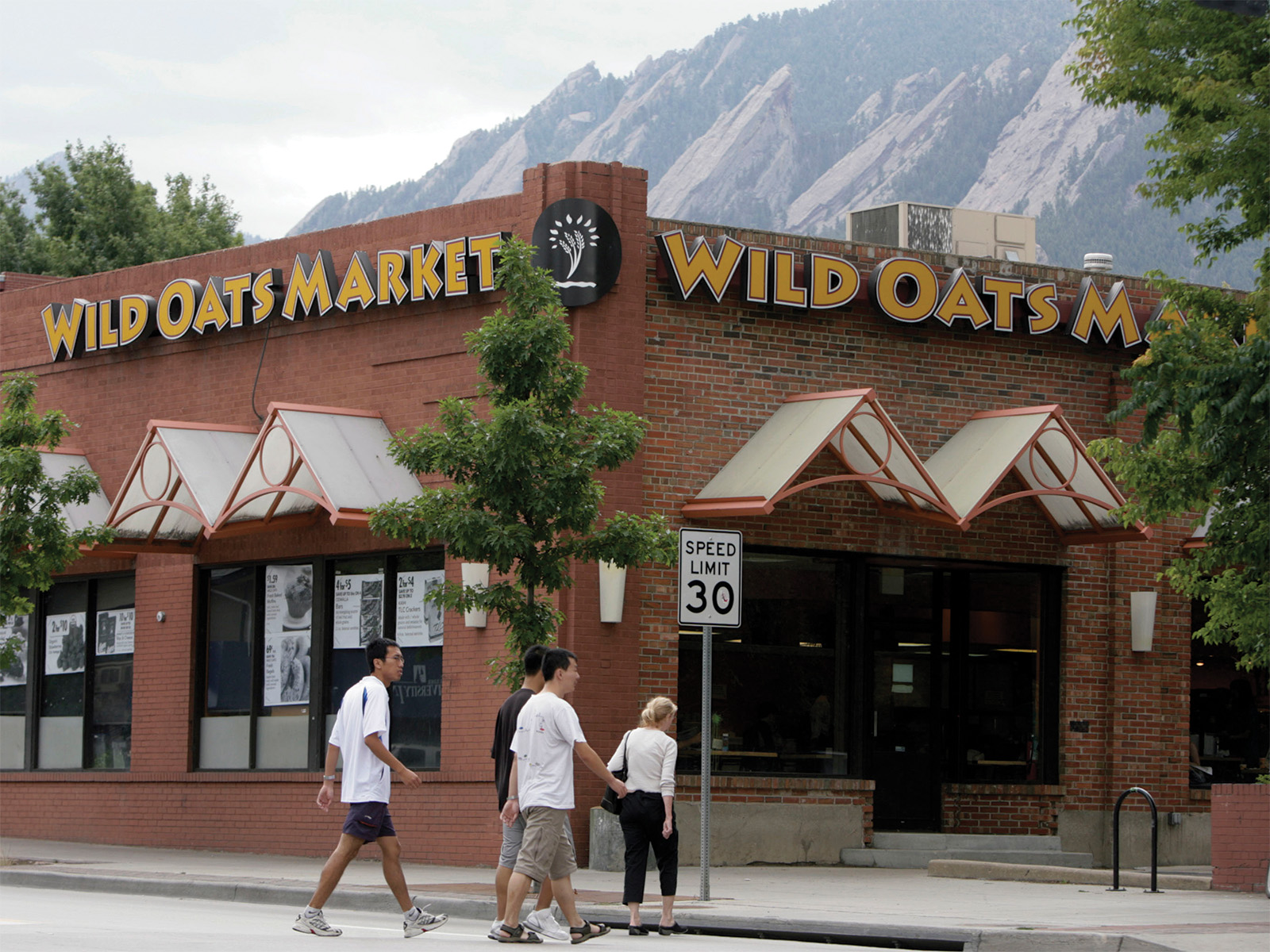
If you’ve called Colorado home for at least a couple of decades, you probably remember Wild Oats Marketplace, a natural grocery store founded in 1987 in Boulder (2584 Baseline Road, to be exact). At its peak, the chain operated more than 20 stores in the Centennial State—and sowed more than 100 around the country. But by 2009, all of the Wild Oats had vanished.
Particularly in our health-obsessed region—where labels like organic, free-range, and non-GMO held sway with consumers long before they became national trends—it feels mysterious that such a purveyor would have tanked. The culprit, it turns out, was an attempted 2007 acquisition by competitor Whole Foods Market, which (after being blocked by the Federal Trade Commission on antitrust grounds) rebranded many Wild Oats locations to its own name and sold off the remainder.

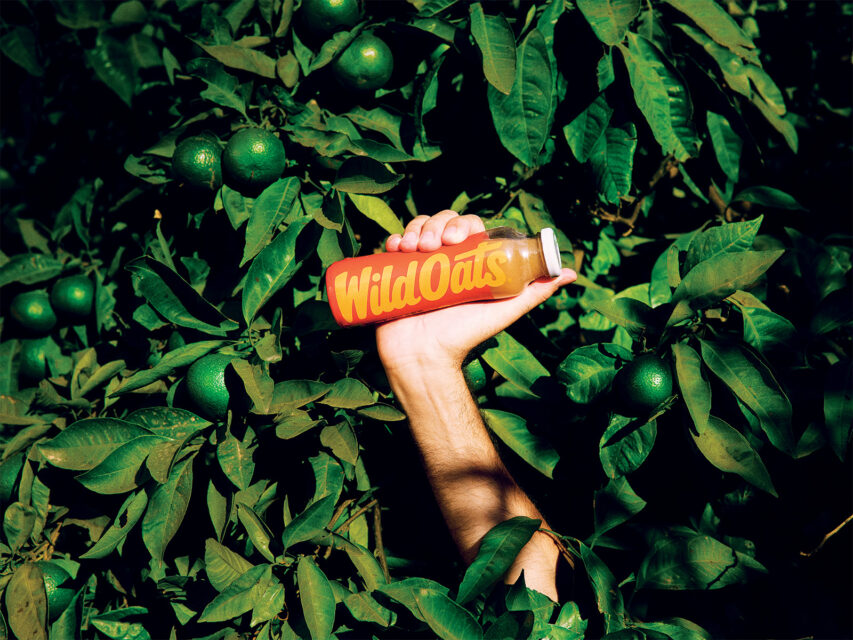
After that, Wild Oats became a brand name bought and sold by various players, even landing on the shelves of Walmart from 2014 to 2016 as part of its line of affordable organic foods. Most recently, KeHE, an employee-owned distributor of natural and organic foods, saw potential in the Wild Oats brand and its positive associations for Coloradans. In 2025, the company purchased the rights to the name, with the ultimate goal of rolling out a line of products—starting with juices, smoothies, and eggs—to sell in specialty markets.
KeHE Brands executive director Ben Friedland (who grew up in Colorado and still lives in Boulder) says the purchase of Wild Oats was about more than just nostalgia. “KeHE is first and foremost a mission-driven organization that is using food as a force for good,” Friedland says. “Wild Oats was really a pioneer in the natural foods community and introduced natural foods to a larger audience. ”
Over the past year, Wild Oats has been working with growers and producers of organic foods that focus on regenerative agriculture, which uses farming techniques such as rotating crops and grazing livestock, disturbing the soil as little as possible, and using cover crops to improve soil health, biodiversity, and rural ecosystems. KeHE also got Regenerative Organic Certified status for the new Wild Oats beverages and eggs.
“We currently have 600 individual locations that have opted into the brand,” Friedland says. That means you’ll be able to purchase bottles of Wild Oats pomegranate, pear, apricot, and watermelon juices; green, mixed berry, and tropical smoothies; and eggs by the dozen or 18-pack as soon as mid-June across the Front Range.
Younger Coloradans may well wonder where the oat-based products are. Friedland admits the name could trip up those who have never stepped into a Wild Oats grocery store, which in its heyday rivaled Whole Foods in product depth. But for those who fueled their outdoor adventures with the company’s goods in the 1990s and 2000s, a taste of the brand that helped shape Colorado’s reputation for healthy living will likely be a refreshing blast from the past.
Read More: How Boulder Became the Silicon Valley of the Natural Products Industry