The Local newsletter is your free, daily guide to life in Colorado. For locals, by locals.
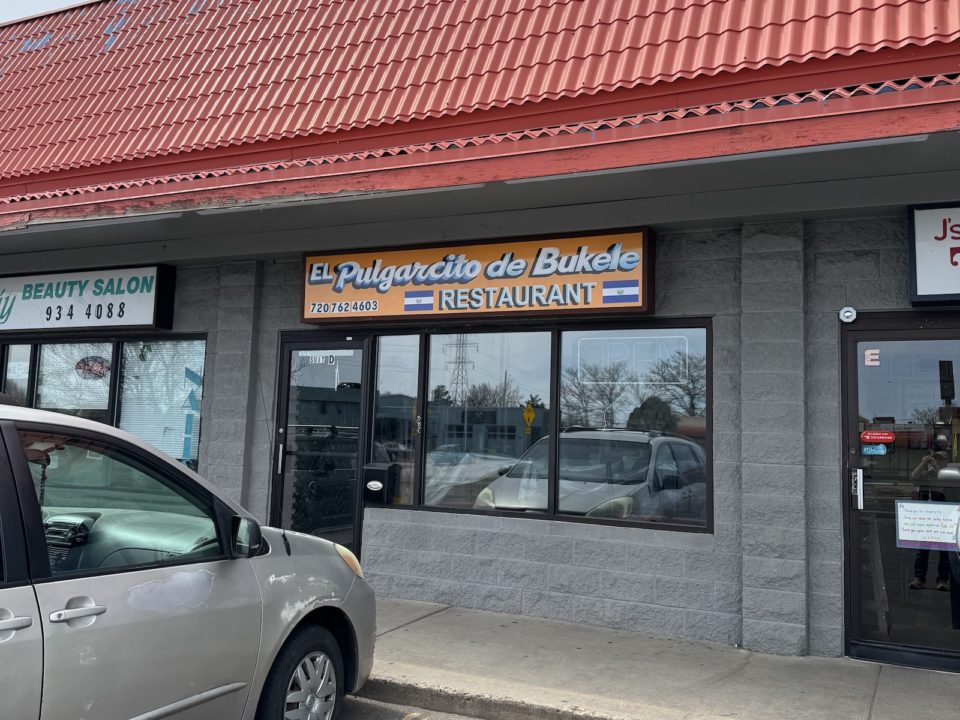
There are signs of life at the former home of longtime soup dumpling favorite Lao Wang Noodle House, which closed on South Federal Boulevard in February after a 25-year run. You won’t find xiaolongbao or dan dan noodles, though. Instead, a new restaurant called El Pulgarcito de Bukele is now serving pupusas and other Salvadoran specialties.
The first part of the eatery’s name comes from El Salvador’s endearing nickname “El Pulgarcito de America” (the Little Thumb of the Americas), so called because it’s the smallest country in Central America. The rest of it comes from Nayib Bukele, who has been president of the tiny nation since 2019 and has greater name recognition in the United States these days due to his acceptance of Trump deportees, many of whom are now locked up in the country’s notorious mega-prison.
A cartoon image of Bukele dressed in chef’s whites on the restaurant’s sign, a life-size photo of him on the dining room wall, and a brief conversation with the staff all confirm that the restaurant’s name is intended as a tribute to the controversial leader. That’s a tricky sell in heavily blue Denver, but Salvadorans (or Cuzcatlecos, as many call themselves) re-elected the self-described “world’s coolest dictator” by an unbelievable 85 percent in 2024. With its menu of nostalgic dishes from the home country, the restaurant’s primary audience is definitely compatriots, so offending the political sensibilities of Denver’s non-Salvadoran population doesn’t seem like a concern.
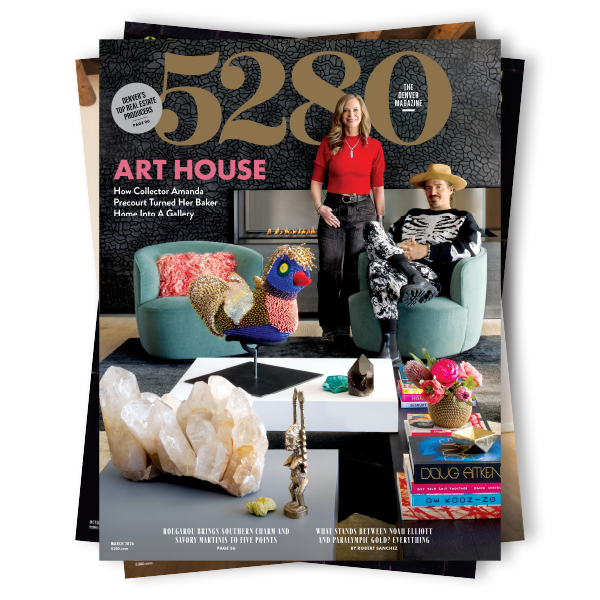
Take the sandwich known as a mata niño: The name translates as “child killer,” but it’s just a hearty street snack favored by Salvadoran school kids looking to kill nothing more than their appetites. Built on a long, skinny roll that comes in somewhere between a baguette and a Coors Field Rocky Dog bun, the mata niño is stuffed with an herb-laced slaw called curtido, diced mortadella, shredded yellow and orange bell peppers (which you might mistake for cheese at first glance), and end-to-end squiggles of mayo and ketchup. Hit it with a few drops of bright green Picamas Salsa Brava hot sauce to balance out the ketchupy sweetness.
And then there are riguas: flat corn cakes cooked inside folded banana leaves on a hot griddle so that the fresh corn in the batter caramelizes a little. Served with crema Salvadoreña, the slightly sweet rigua (sometimes served as a dessert) goes well with the savory, tangy cream. Other sentimental dishes include nuegados (fried yuca patties), pasteles (similar to Mexican empanadas), and empanadas de manjar blanco (fried plantain pockets dusted with sugar and filled with sweet, custardy cream).
Of course, pupusas are always a draw at Salvadoran spots, and El Pulgarcito offers a dozen varieties, including loroco (the edible flower buds of a tropical vine), zucchini, chicharrón, shrimp, and carne al pastor—all oozing with molten white cheese. The menu is rounded out with a handful of soups and entrées—from whole fish to smothered burritos—of both Salvadoran and Mexican origin.
It’s understandable that the association with El Pulgarcito de Bukele’s namesake politician could keep many Denverites from setting foot in the restaurant, but for Salvadorans looking for a taste of home, options in the metro area are few and far between. After all, where else can homesick Cuzcatlecos go for their mata niños? 945 S. Federal Blvd., Denver