


The Local newsletter is your free, daily guide to life in Colorado. For locals, by locals.
Jump Ahead:
- Cochinita Pibil
- Frijoles con Puerco
- Rajas con Crema
- Tomatillo Salsa con Chiles de Árbol
- Ensalada de Nopales
- Curtido Yucateco
- Nonalcoholic Colada
- Classic Margarita
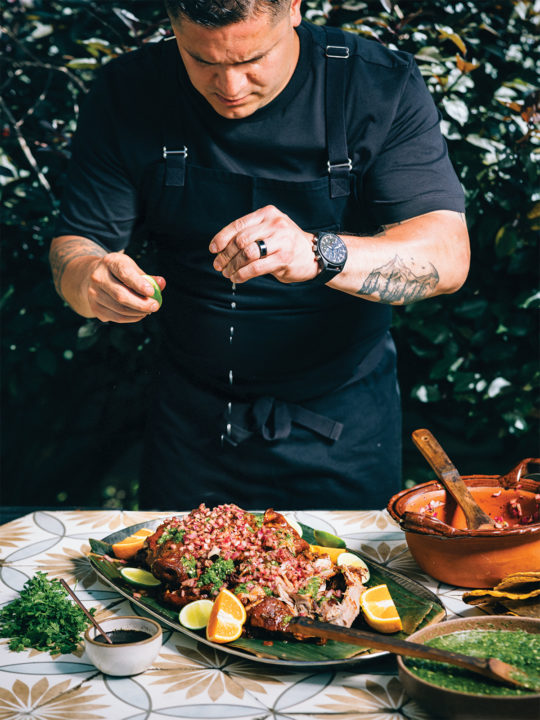
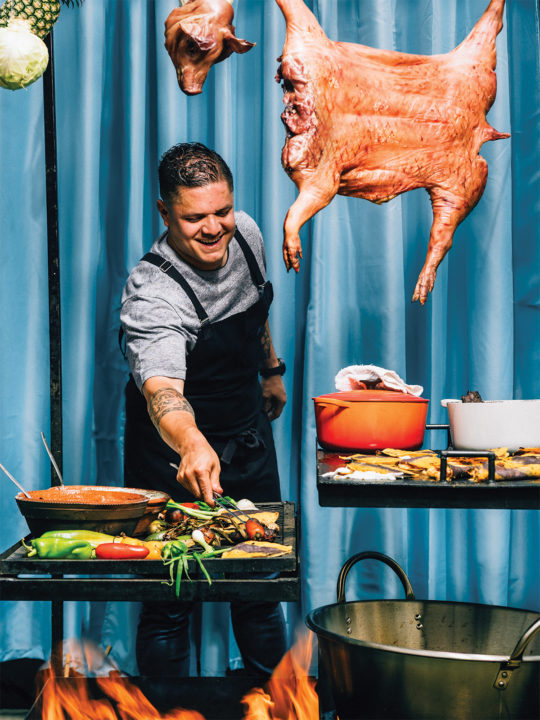
Every summer for the past three years, restaurateurs Johnny and Kasie Curiel have hosted a dinner party with one unusual guest: a whole hog. A day or two before the Curiels’ friends and family sip mezcal, margaritas, and ice-cold Modelos on their LoHi patio, Johnny can be found at his kitchen counter breaking down a 90- to 120-pound pig (or two to three smaller ones): shoulders and shanks, ribs and belly, even the head and feet. The cuts are bound for a variety of traditional Mexican dishes he has perfected after working in his parents’ restaurant in Guadalajara, traveling all over Mexico for food research, and serving beautiful plates at the couple’s restaurants: Michelin-starred Alma Fonda Fina in LoHi, Mezcaleria Alma next door, Cozobi Fonda Fina in Boulder, and Alteño in Cherry Creek.

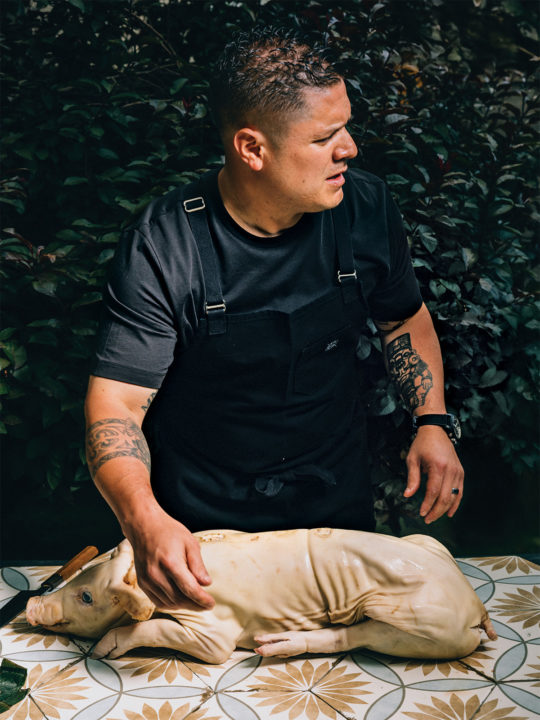
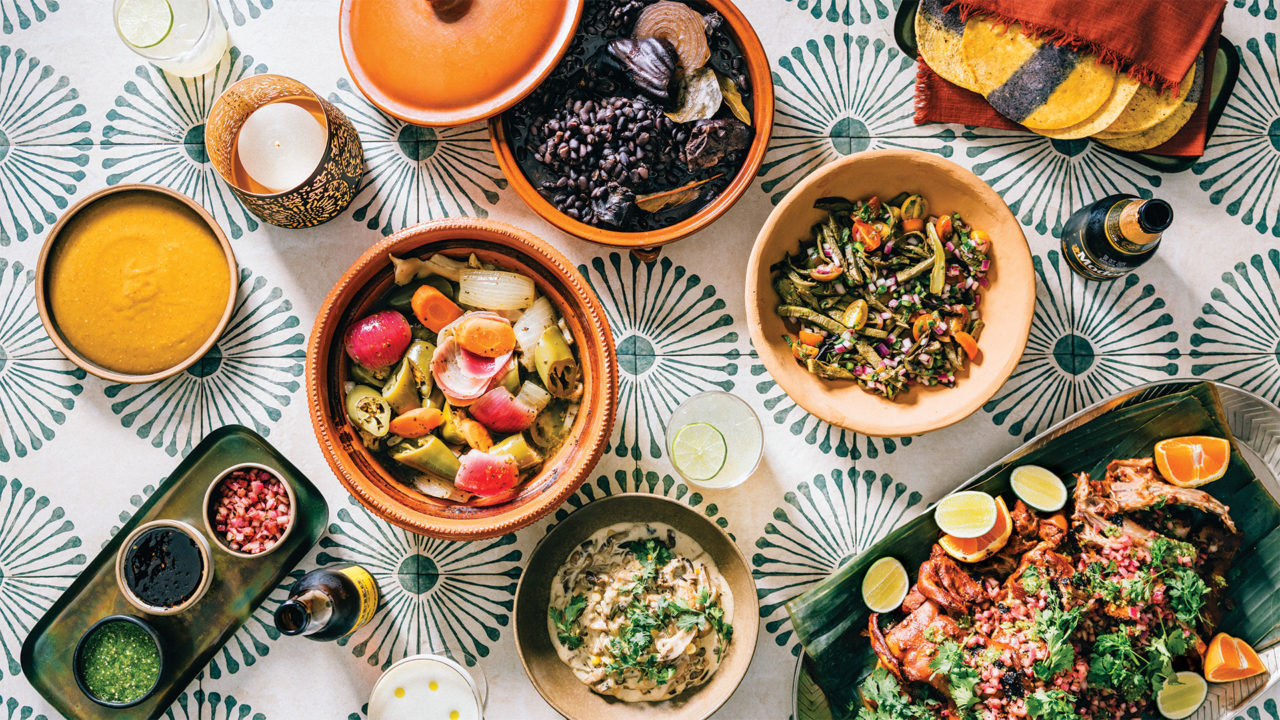
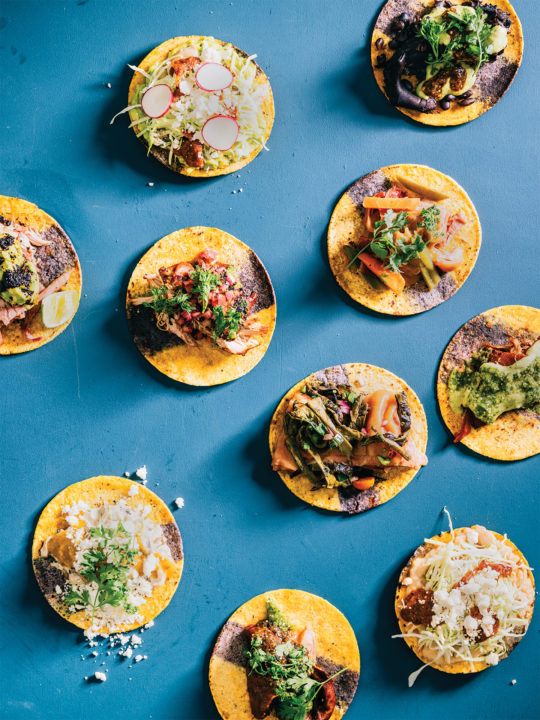
Ahead of the party, a skin-on pork leg slow-roasts in an aromatic rub for Yucatecan cochinita pibil; the feet pickle in tangy brine before being slivered onto crispy tostadas. The ribs, tail, and belly become carnitas after several hours of bubbling away in manteca madre (seasoned rendered lard) in a cauldron-size cazo, the traditional pot used in Jalisco to coax out the most intense flavors. The collar goes into inky frijoles negros con puerco seasoned with chiles, cumin, and avocado leaves. Bright salsas; creamy rajas (strips of poblano chiles cooked in a rich sauce with mushrooms, onions, and roasted corn); curtido (a Yucatecan slaw vibrant with habaneros); and ensalada de nopales (prickly pear cactus) round out a feast bursting with freshness and spice.
Meanwhile, even after long days and nights spent overseeing the front of the house and ensuring hospitality at the couple’s eateries, Kasie is still thinking about the best ways to welcome guests into her own home. That includes shaking up cocktails and mocktails as well as displaying the mementos—earthenware bowls and other decorative items—she and Johnny have saved from each of their establishments’ openings as a reminder of the joys (and hard work) of being a restaurant family.



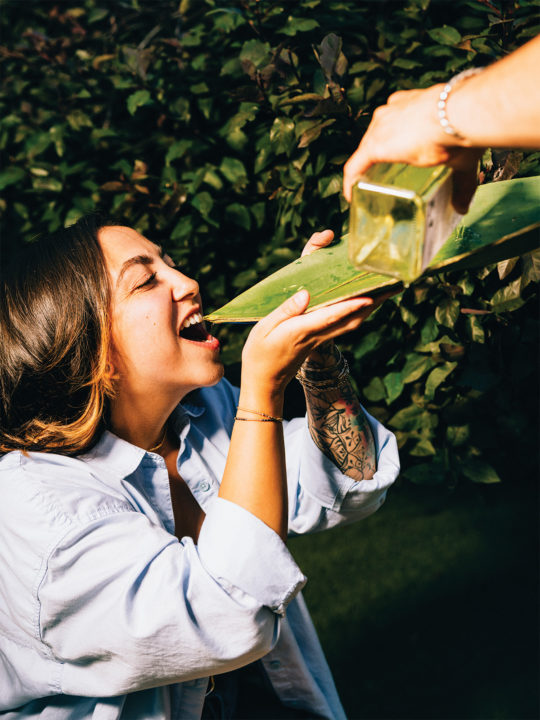

The Curiels’ summer fiesta brings friends and industry colleagues together to celebrate Mexican cooking and culture and to emphasize the importance of carrying on family customs with their four-year-old son, John Jr. “It’s incredibly important to pass down the generational traditions that were shared with me,” Johnny says. “I want him to understand that the best moments in life happen over a good meal—and to take pride in his Mexican heritage and its cooking traditions.”
That’s why the Curiels begin the process with a whole animal, even if it means extra time and work; that’s the way it’s done in the kitchens, carnitas shops, and backyards of Jalisco, and that dedication yields the deepest, most nostalgic flavors.
You don’t need to source a whole hog to host a pork-themed party, though. Here, the Curiels share recipes based on fresh ingredients and familiar cuts to help you capture the essence of Mexico for 12 to 15 guests. The many hands of friends and family make quick work of prep and cleanup, giving everyone more time to enjoy drinks and conversation while the flavors slowly come together.
Read More: Alma Fonda Fina Is Modern Mexican Cuisine at Its Finest
Cochinita Pibil
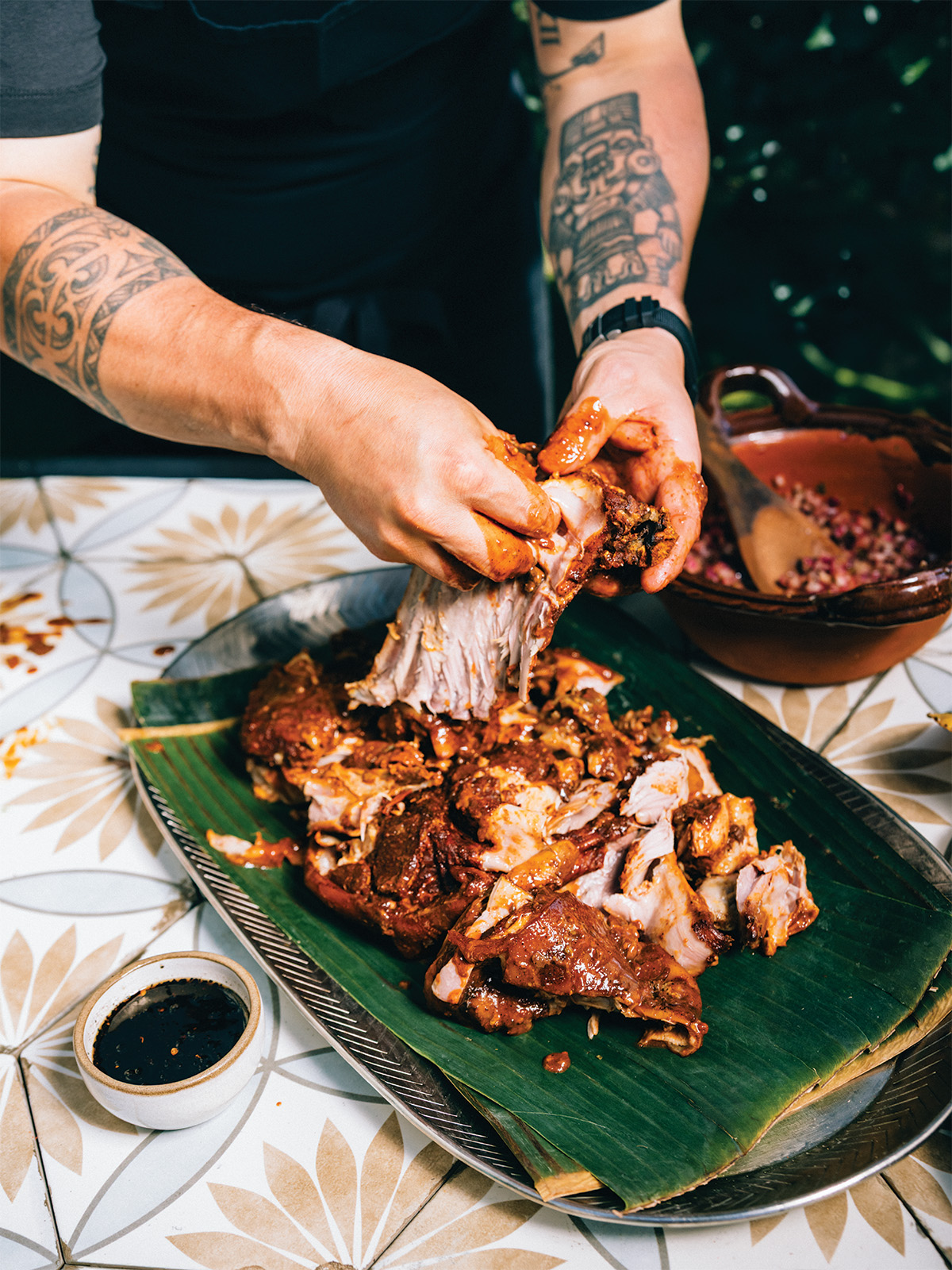
In Mexico’s Yucatán region, cochinita pibil is pork traditionally roasted in an underground oven called a pib. Fortunately, Curiel’s adaptation doesn’t require building a stone-lined pit in your backyard. Achiote paste, made primarily from orange-red annatto seeds, is the key ingredient to making the marinade colorful and aromatic. (Just be careful: Achiote stains.) You can find the paste in eight-ounce bricks—the perfect size for this recipe—at most Mexican grocery stores or online.
For the pork, a bone-in leg or shoulder is preferable to create more flavor, and the skin will add unctuous collagen. But boneless, skinless shoulder still yields excellent results; just don’t use a lean cut like loin or sirloin. Leftovers are great crisped in a pan and served in tacos, sopes, quesadillas, burritos, or tortas.
Ingredients for the marinade:
- 5 habanero chiles, roasted so the skins become blistered
- 1 large white onion, roughlychopped and pan-roasted to blister the exterior
- ¼ cup garlic cloves, pan-roasted but not softened
- ¼ cup apple cider vinegar
- ½ cup achiote paste, broken into pieces
- 2 tsp. Mexican oregano
- 4 bay leaves
- 3 cloves
- 2 tbsp. Diamond Crystal kosher salt
- ½ cup fresh-squeezed orange juice (1–2 oranges)
- ½ cup fresh-squeezed lime juice (4–5 limes)
- 1 bunch cilantro, roughly chopped
- 2 cups chicken broth
Ingredients for the cochinita pibil:
- 6 banana leaves, toasted
- 1 bone-in, skin-on pork leg (or about 10–15 lb. pork shoulder)
Instructions:
Preheat your oven to 225° F. Combine all marinade ingredients in a blender or food processor and purée until smooth.
Clean and lightly toast the banana leaves under a broiler or over direct flame (if you have a gas range or grill). They don’t need to be scorched, but you should see the leaves soften and intensify in green color. Line a roasting pan with the leaves, place the pork on top of them, and pour the marinade over the meat, massaging it in as you go. You can also marinate the pork in the mixture overnight in your refrigerator.
Tightly cover the roasting pan with aluminum foil and place it on the middle rack of the oven for eight hours. Remove the pan from the oven and let the pork rest for about 20 minutes before unwrapping.
Use kitchen tongs or a serving fork to move the pork to a serving platter or bowl, breaking up the meat and mixing in some of the cooking liquid at the bottom of the roasting pan. Add finishing salt to taste and serve with tortillas.
Frijoles con Puerco
This meaty black bean dish is as economical as it is delicious. Johnny uses brown chicken stock, which is made with roasted chicken bones. If you’re buying premade stock, use a richer brand or substitute a quarter of the liquid with bone broth for extra flavor. The final consistency will be more like a thick soup than like American-style baked beans.
Ingredients:
- 1 lb. dry black beans
- 6 qt. homemade or store-bought brown chicken stock (low- or no sodium)
- 4 lb. boneless pork collar or shoulder, cut into two-inch cubes
- 1 poblano chile, seeded and diced small
- 2 jalapeños, seeded and diced small
- 6 habanero chiles, halved
- 1 white onion, diced small
- ½ cup Diamond Crystal kosher salt
- 1 tbsp. ground cumin
- 1 tsp. fresh-ground black pepper
- 1 tbsp. dark chili powder
- 2 large avocado leaves
Instructions:
Soak the black beans overnight in six quarts of water in a container large enough to allow space for the beans to expand as they hydrate.
You can toast whole cumin seeds (in a medium-hot pan until the aroma is released, one to two minutes) and then grind them or use recently purchased cumin powder.
In a large pot, combine the stock, pork, chiles, onion, avocado leaves, ¼ cup of salt, and the remaining spices and bring the liquid to a simmer. Let the pork simmer for one hour before rinsing the soaked beans and adding them to the pot (discarding the soaking water).
Simmer for three more hours or until the beans and pork are tender. Use the remaining ¼ cup of salt to season throughout the simmering time, tasting the cooking liquid as you go (you may not need to use all of it). When done, the pieces of pork should pull apart easily with a fork.
Remove the avocado leaves and use a slotted spoon to serve the frijoles and pork in bowls. Use a ladle to add more cooking liquid to each bowl as desired.
Rajas con Crema
Rajas con crema are typically strips of poblano chile cooked in a creamy sauce; Curiel’s version eats almost like creamed corn (amplified with mushrooms, chiles, onions, and garlic). Curiel loves oyster mushrooms for this dish because of their delicate texture, but you can use any variety. Whole Foods Market and other grocers generally carry a “chef’s medley” with several types in one package. If you use larger varieties such as crimini or white button, scale back to 1.5 pounds since they tend to release more liquid while cooking.
Ingredients:
- 3 oz. European-style butter
- 2 white onions, thinly sliced
- 4 cloves garlic, minced
- 4 poblano chiles, seeded and julienned
- 1 tbsp. Diamond Crystal kosher salt
- 6 cobs yellow corn, roasted
- 2 lb. oyster mushrooms (or a mix of what’s available), broken into half-inch pieces
- 2 pinches freshly ground black pepper
- 1 cup heavy cream
- 1 cup full-fat sour cream (Curiel likes Daisy)
- 1 tsp. garlic powder
Instructions:
Melt the butter in a large pot over medium heat. Make sure the butter doesn’t overheat or brown. Add the onions, garlic, poblanos, and salt and sweat the onions for 7 to 8 minutes (until they are translucent).
Add the corn, sliced off the cob, and mushrooms and let cook for about another 15 minutes. The poblanos should be tender but not mushy, and the mushrooms should not fall apart.
Mix the cream, sour cream, and garlic powder in a bowl, then pour it over the vegetables. Cook for about three more minutes, stirring frequently until the sauce thickens and coats the vegetables. Season to taste. Rajas con crema are great on corn tortillas.
Tomatillo Salsa con Chiles de Árbol
When sorting through piles of tomatillos at the grocery store, look for fruit that completely fill the papery husk; if the husk is loose or the tomatillo feels small inside it, skip it for plumper, riper specimens.
This is a fairly mild salsa, but you can up the amount of chiles de árbol to your liking.
Ingredients:
- 2.5 lb. tomatillos
- 4 chiles de árbol
- 10 garlic cloves
- 1 tbsp. Diamond Crystal kosher salt
Instructions:
Boil the tomatillos for 2 to 3 minutes, then let them cool enough for handling so you can remove the husks. Remove the stem ends with a knife, as they can be tough and fibrous.
Stem and toast the chiles de árbol in a hot pan without blackening them. Put them into a blender or food processor and pulse until they are reduced to flakes. Add the garlic, tomatillos, and salt, and pulse for about 3 minutes at a low speed to allow the chile speckles to stand out.
Ensalada de Nopales
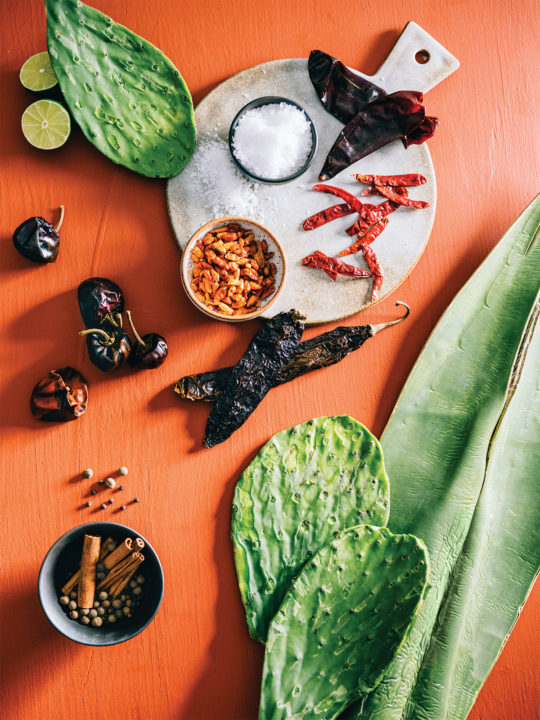
The flesh of the prickly pear cactus has a subtle tartness and crisp texture, but it can become grayish and slimy if overcooked or left to sit too long. Curiel’s recipe uses salt and baking soda in the blanching water, along with a quick ice bath, to keep the nopales bright and fresh. Many Latino grocery stores sell trimmed and de-thorned nopales in the produce section, saving time (and potential pain). Look for freshly trimmed cactus paddles with no discoloration or slime, and use them within a day to keep them from turning brown.
Ingredients for blanching:
- 1 bunch fresh cilantro
- ¼ white onion, roughly chopped
- 5 garlic cloves, smashed
- ½ cup Diamond Crystal kosher salt
- 1 tsp. baking soda
- 10–12 trimmed and de-thorned cactus paddles, julienned
Ingredients for the salad:
- 2 Roma tomatoes, julienned
- 1 white onion, julienned
- 1 bunch fresh cilantro, leaves only
- 1 pinch Mexican oregano
- Juice of 6 limes
- Salt and pepper to taste
Instructions:
Prepare an ice bath with ice and one gallon of water in a large bowl or pot.
Make a sachet using cheesecloth (or a similar food-prep fabric) and add the cilantro, chopped onion, and smashed garlic; set aside.
Boil water, salt, and baking soda in a large pot. Make sure the pot is big enough so that the nopales aren’t crowded when you add them. Do not allow the water to simmer or boil for an extended period before adding the nopales, as the water will evaporate and the salt level will increase.
Add the sachet and the nopales and cook for 1.5 minutes at a strong boil. Immediately remove the nopales from the water using a strainer and place them in the ice bath, stirring until they are chilled completely. Remove from the ice bath and pat dry. They should be al dente and bright in color.
Place the nopales in a bowl and gently stir in the remaining salad ingredients. Serve in your favorite bowl as soon as possible or keep the salad well chilled until you’re ready to eat (but not more than an hour).
Curtido Yucateco
A crunchy, chile-forward slaw of cabbage and onions adds a bright note to balance the richness of the cochinita pibil. Use it to top your tacos or enjoy it on its own as a spicy and refreshing side.
Ingredients:
- 2 white onions, thinly sliced
- 1 tbsp. Diamond Crystal kosher salt
- 2 pinches Mexican oregano
- Juice of 6 limes
- 1 head cabbage, thinly sliced
- 2 habanero chiles, thinly sliced
Instructions:
Toss all ingredients in a large bowl until well combined.
Let the mixture macerate for at least 5 minutes, then check and adjust seasoning before serving.
Nonalcoholic Colada

The piña colada brings tropical vibes to any party, and this alcohol-free version adds the complex, herbal notes of epazote—sold in bunches of long, jagged leaves—in coconut syrup and as an oil garnish. If you have leftover epazote, you can chop it and add it to your frijoles con puerco toward the end of the simmer. Lyre’s Nonalcoholic White Cane Spirit can be found at larger liquor stores, such as Davidson’s or Total Beverage, or online.
Ingredients for epazote oil:
- 1 cup grapeseed oil
- 15 grams fresh epazote (about 4 sprigs)
Instructions:
Combine oil and epazote in a blender until smooth. Pour into a saucepan and cook over medium heat until the oil mixture reaches 160° F. Pour the oil into a small bowl nestled in ice water. Once chilled, strain through cheesecloth or an oil filter cone. Store in a squeeze bottle in the refrigerator for up to two weeks. This also makes a colorful, herbal addition to salad dressings and grilled or roasted vegetables.
Ingredients for the coconut epazote syrup:
- 1 cup coconut milk
- 1 cup granulated white sugar
- 20 grams fresh epazote (about 6 sprigs)
Instructions:
Combine all ingredients in a saucepan and bring to a boil. Reduce heat and let simmer for about 10 minutes. Cool and strain. Store in the refrigerator for up to one week.
Ingredients for the cocktail:
- 2 oz. Lyre’s Nonalcoholic White Cane Spirit
- 1 oz. coconut epazote syrup
- .5 oz. fresh-squeezed lime juice
- .75 oz. pineapple juice
Instructions:
Put ice cubes and cocktail ingredients in a cocktail shaker and shake for approximately 10 seconds. Strain into a cocktail glass and top with drops of epazote oil as a garnish.
Classic Margarita
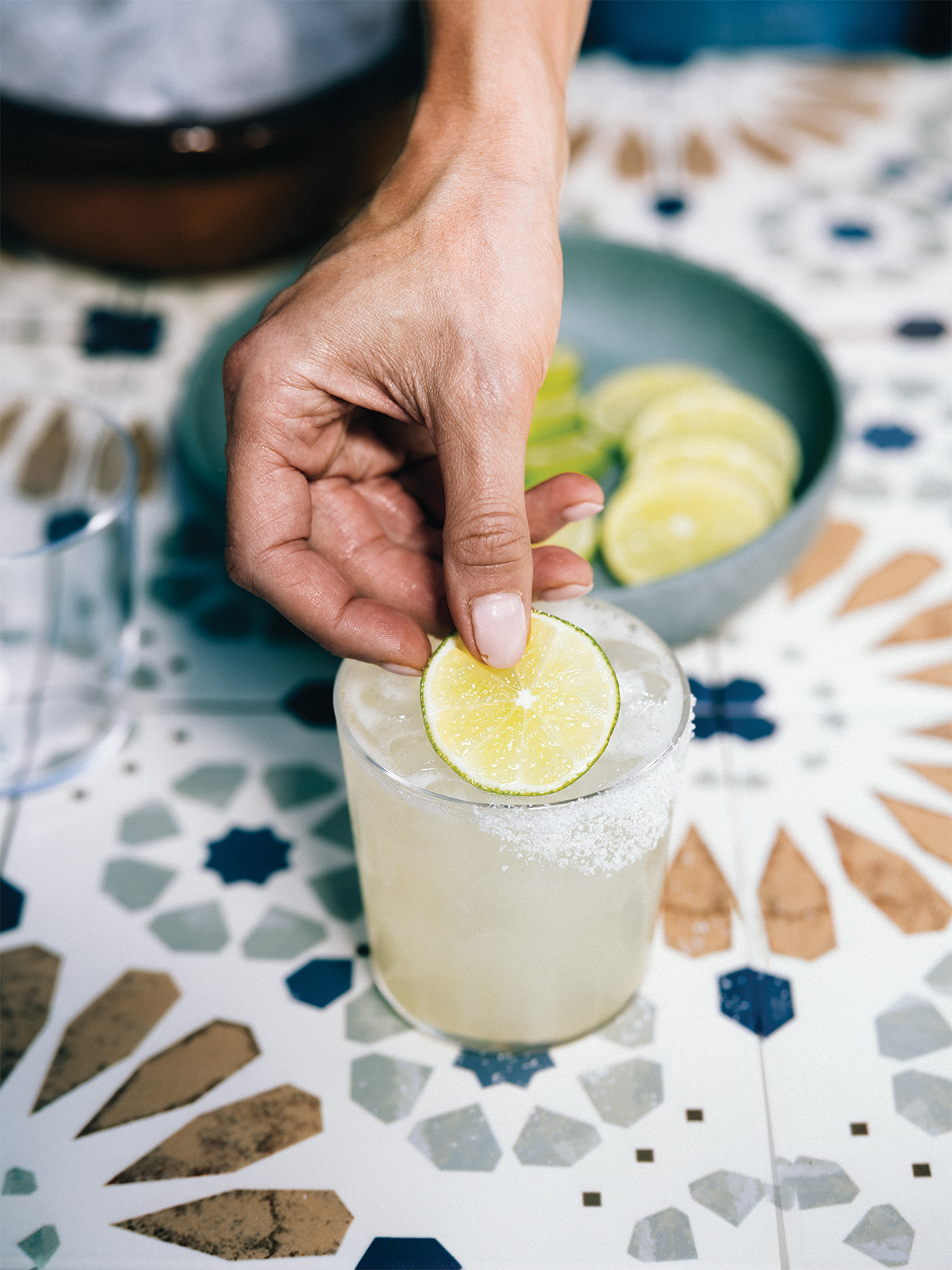
Nothing tops a margarita on the rocks with salt to beat the heat, make cooking merrier, and complement your Mexican dinner spread.
Ingredients:
- 2 oz. Herradura Blanco tequila
- .75 oz. fresh-squeezed lime juice
- .75 oz. Cointreau
- .5 oz. agave nectar
Instructions:
Add all ingredients to a cocktail shaker and shake for approximately 10 seconds. Wet the rim of your glass with a lime wedge, dip the rim in salt, and pour the shaker contents into the glass.
*Editor’s note: Johnny Curiel uses Diamond Crystal salt at his restaurants and at home because the flavor is mellow and it contains less sodium by volume than table salt or Morton’s kosher salt. If you use a different brand for any of the following recipes, start with about half as much as is called for and taste as you add more. Find Diamond Crystal salt at Whole Foods Market or online.