


The Local newsletter is your free, daily guide to life in Colorado. For locals, by locals.
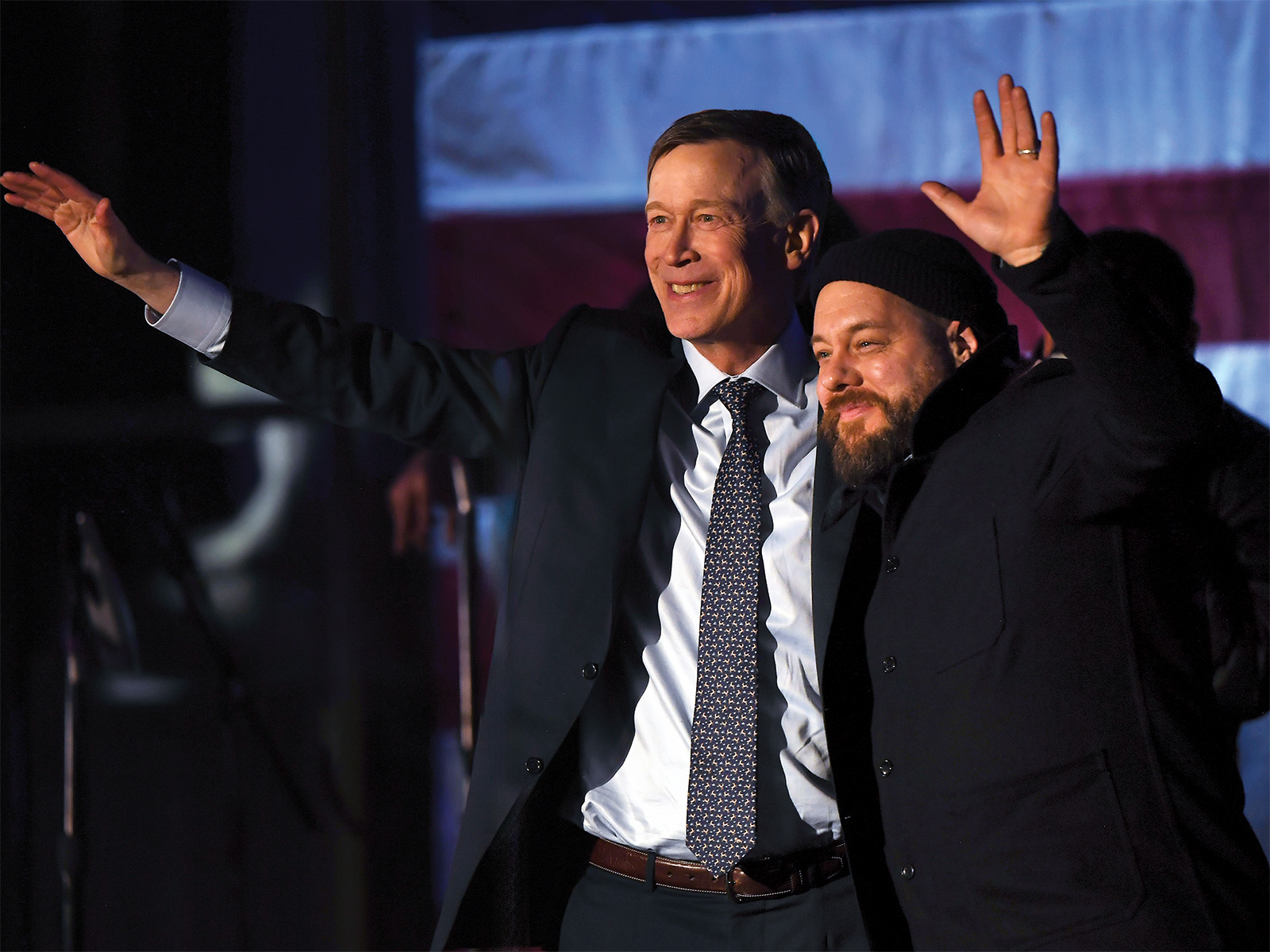
On April 25, 2013, the governor of Colorado walked into the tiny Bluebird Theater on East Colfax Avenue. John Hickenlooper, like most everyone else in the audience, was there to see Joe King, of hit local band the Fray, who was headlining the show in support of his new solo EP.
But Hickenlooper also knew the opening act. He liked the singer’s soulful folk ballads and, in the past, had even pulled together a few thousand dollars from the National Governors Association budget to pay the obscure musician, who was barely scraping by, to perform at a conference in Colorado Springs. Nathaniel Rateliff, Hickenlooper says, needed all the help he could get.

Hickenlooper settled into the crowd at the Bluebird, waiting to hear Rateliff’s gently rasping vocals and soft strumming. But unbeknownst to the governor, Rateliff had, only weeks earlier, discovered a new sound. His performance at the Bluebird would serve as its debut. His voice was rougher; a cobbled-together eight-piece band called the Night Sweats boasted a thumping, blaring horn section; and Rateliff danced across the stage in a spastic James Brown–style jig he’d learned from his mother and perfected during Mercury Cafe’s swing nights.
Rateliff capped the set with “S.O.B.,” a new tune about an alcoholic’s irresistible craving. It started with soft humming and clapping, then slowly swelled into Rateliff screaming, “Son of a bitch, give me a drink!” “He hits the chorus, and every jaw dropped,” says Hickenlooper, now a U.S. senator. “The horns came in, and he hit it with a ferocity that I’d never heard from him before. It was almost like time stopped.”
Nathaniel Rateliff & The Night Sweats played five songs that night. It would take two more years for the tunes to find their way onto the namesake album that transformed the musicians’ careers. But for Rateliff, the Bluebird performance was the moment that finally propelled him forward. “After that show,” Rateliff says, “I was like, ‘Well, I think we’re kind of onto something.’ ”
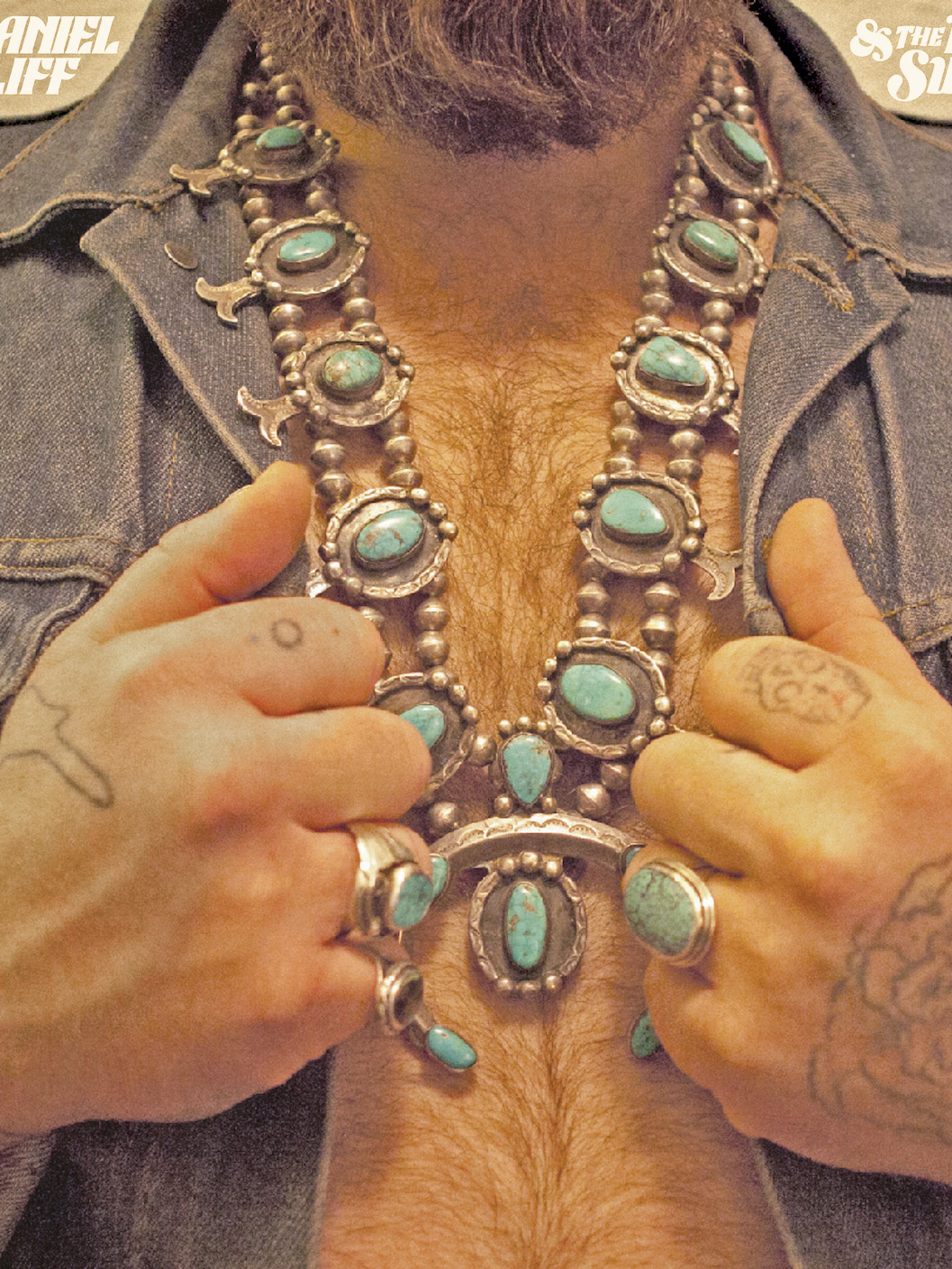
The story of Nathaniel Rateliff & The Night Sweats—the debut album that turned the Denver singer-songwriter into a star who has since collaborated with Paul Simon and Willie Nelson, headlined Red Rocks Amphitheatre almost 20 times, and been called “a leader of the next generation of greats” by Led Zeppelin’s Robert Plant—begins in Hermann, Missouri.
Rateliff was raised as an evangelical Christian there, forming a church band with his parents and sister. After his father died in a car wreck, Rateliff dropped out of high school and got a job at Subway, where he befriended a co-worker named Joseph Pope III. The duo headed west with a missionary group—“We thought God wanted us to move to Colorado,” Rateliff once said—in 1998, when Rateliff was 18, but they became disenchanted with the cause after proselytizing on a Hopi reservation on Easter Sunday. Instead, Rateliff found work as a yard hostler for a trucking company.
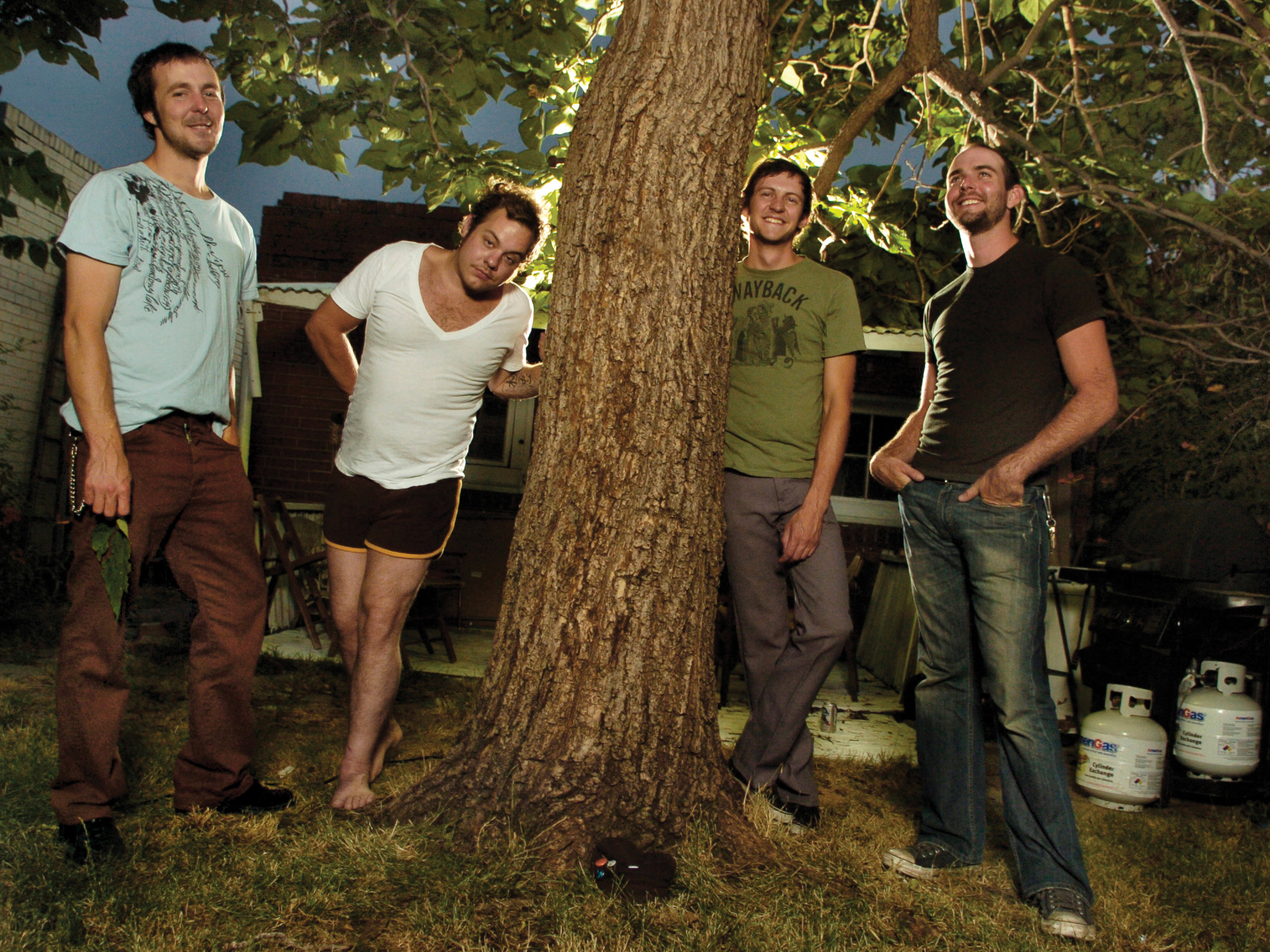
They settled in the Baker neighborhood, near South Broadway, and formed a bluesy rock band called Born in the Flood, building enough of an audience to land prestigious showcases at South by Southwest in Austin, Texas, and at the CMJ indie-rock festival on the East Coast. They also opened for more established bands like Kings of Leon and Andrew Bird. The group found a following at the newly opened Hi-Dive and filled local clubs like the Meadowlark Bar and Larimer Lounge.
In 2008, a rep from Rounder Records, an important folk music label, saw Rateliff perform at a showcase in New York City and signed him to a small deal as a singer-songwriter. He put out one album—2010’s In Memory of Loss, performed in his best Cat Stevens voice—and toured the United States and played several gigs in Europe, often with Pope by his side. But record sales failed to meet expectations, and Rounder dropped him.
Rateliff’s career seemed to stall. He supported himself between gigs by working as a gardener and landscaper in Denver. At the time, Pope seriously considered abandoning music as a career. “I don’t know if I can keep doing this,” he told his friend.
In 2012, Rateliff, then 33, had just finished traveling the country as part of Chuck Ragan’s Revival tour, which one newspaper called “punk rock’s answer to the Traveling Wilburys.” He was in bed in Denver, noodling with an Epiphone guitar he liked, contemplating a song he’d covered on the Ragan tour, the Band’s “The Shape I’m In.” The tune was on the edge of rock and ’60s-style R&B, and Rateliff spontaneously sang in a deeper, more gravely register. He soon wrote the lyrics to what became “Trying So Hard Not to Know,” including, “You’re filling it up just to turn out on empty.” “It was a new voice that was within me,” Rateliff says. “I was ready to give up.”
In those days, Rateliff was a member of a close-knit Denver music scene around South Broadway. It included Pope, drummer Patrick Meese, and the alt-rock duo Tennis. Serendipitously, in April 2013, Rateliff ran into the Fray’s King at Sputnik, a bar and restaurant next door to the Hi-Dive, and wound up playing him a few songs in his new style. King invited him to open the Bluebird gig later that month.
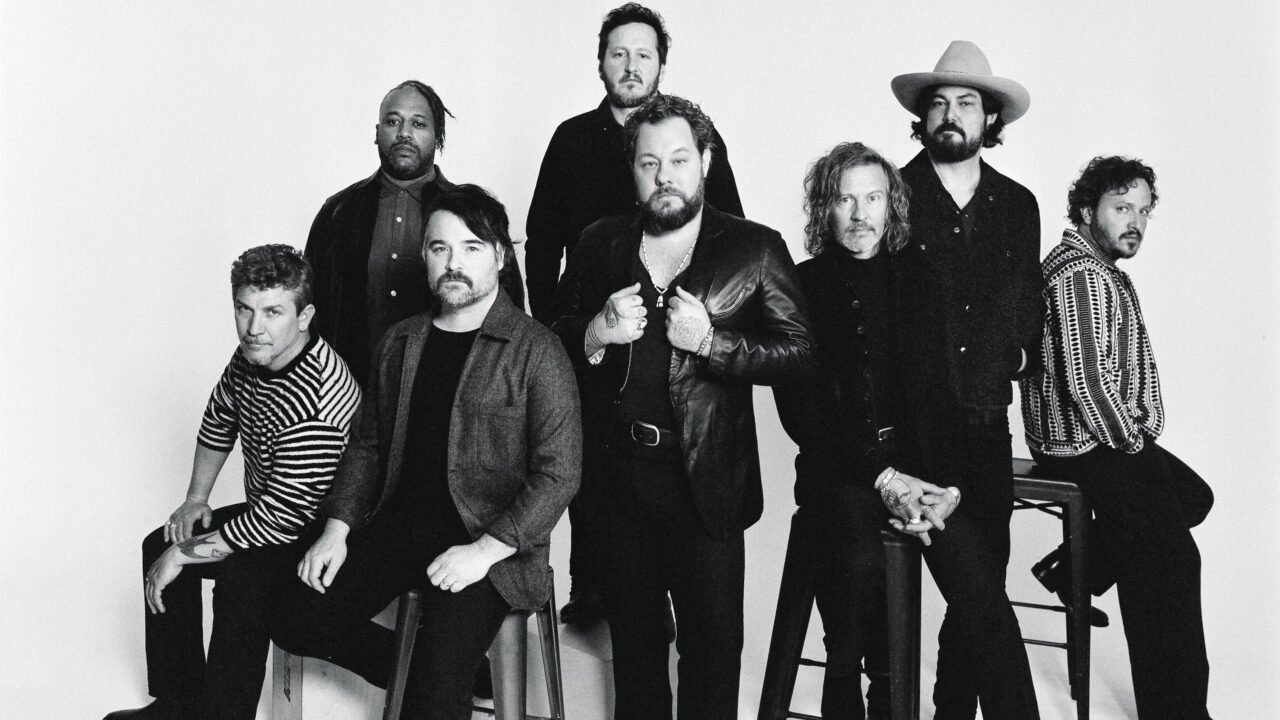
Rateliff immediately began to “piece a band together,” he says. This new group would not play sad, Bon Iver–like songs. Rather, it would be a rock ’n’ roll outfit: guitar, bass, drums, keyboards, a lively three-man horn section. Rateliff christened them the Night Sweats.
The new band had just a few days to rehearse and didn’t have enough material for even a short set. To fill time, Rateliff figured they needed a sing-along vamp—something like the Lumineers’ “Ho Hey”—that could be extended into an onstage jam. He came up with a catchy chorus, which Rateliff describes as a “doo-woppy thing, a cappella, like a boom, clap.” The lyrics, however, were full of pain: shaky hands, achy hearts, and bugs “crawling all over me”—a reference to the delirium he’d suffered during alcohol withdrawal. “S.O.B.” may be doo-wop, but it disguises a cry for help. “The irony of a song that was kind of a celebrated party song and a drinking song is that it can mask the reality of the darkness that he was talking about,” Pope says. “Thinking about the moments that inspired that song, which he’s talked about at length too—the moments of having detoxed from alcohol were so bad that those things were happening to him.”
At the Bluebird that night in April 2013, Pope felt Rateliff reveal himself. “When I saw him dancing onstage, this thing that was within him finally was unleashed,” Pope recalls. “To see him dance that way, and to hear him open his voice—it felt like these were the most authentic and natural parts of him that I’d ever seen him share.”
Nathaniel Rateliff & the Night Sweats were soon in demand across Denver. They headlined the Boulder Theater, then an unofficial show in Meese’s backyard during the Underground Music Showcase. To accommodate the eight band members for the latter, Rateliff built a new deck for Meese on top of cinder blocks. The platform was still too small for the three horn players, so Meese stationed them on the roof.
Meanwhile, a demo Rateliff had recorded on a Radio Shack cassette player made its way to Matt Marshall, then senior vice president of A&R at Nashville-based Concord Music Group. Marshall knew and admired Rateliff from his Born in the Flood days, although he wasn’t sure his bosses would sign him. (In the record business, an artist getting dropped by a well-known label like Rounder carries the whiff of future failure.)
Marshall prevailed by positioning Nathaniel Rateliff & the Night Sweats as part of an upswing in a new type of rootsy folk and rock music, along with the Alabama Shakes and St. Paul and the Broken Bones. It was Rateliff’s idea for Concord-owned Stax Records—the storied home of Sam & Dave, Otis Redding, and other Memphis soul giants—to release the album. His next decision: finding a producer who could make the record on a tiny budget.
One night in 2014, around 10:30, the answer arrived in the form of a call from Richard Swift. Swift was an eccentric, comedic presence who, according to the Black Keys’ frontman Dan Auerbach, once rambled for 30 minutes in the voice of a teenage girl while they were in the studio. He was also a gifted collaborator. Rolling Stone would later call him “one of rock’s most valuable sidemen and producers.”
Swift had heard the Night Sweats’ demos, and as he and Rateliff spoke that night, they realized they shared a philosophy. “How’d you record these songs?” Swift asked.
“One mic and just moving around the room,” Rateliff replied.
“That’s pretty much what I do,” Swift said.
At first, Rateliff traveled alone to Swift’s studio in a converted barn in Cottage Grove, Oregon, south of Eugene. The way Swift worked was to record whatever musical ideas Rateliff had in mind, then stay up all night by himself, adding instruments and remixes. “He always chose vibe over perfection,” Rateliff says. While they figured out how to turn the Night Sweats’ demos into professional recordings, they realized they had something else in common: drinking.
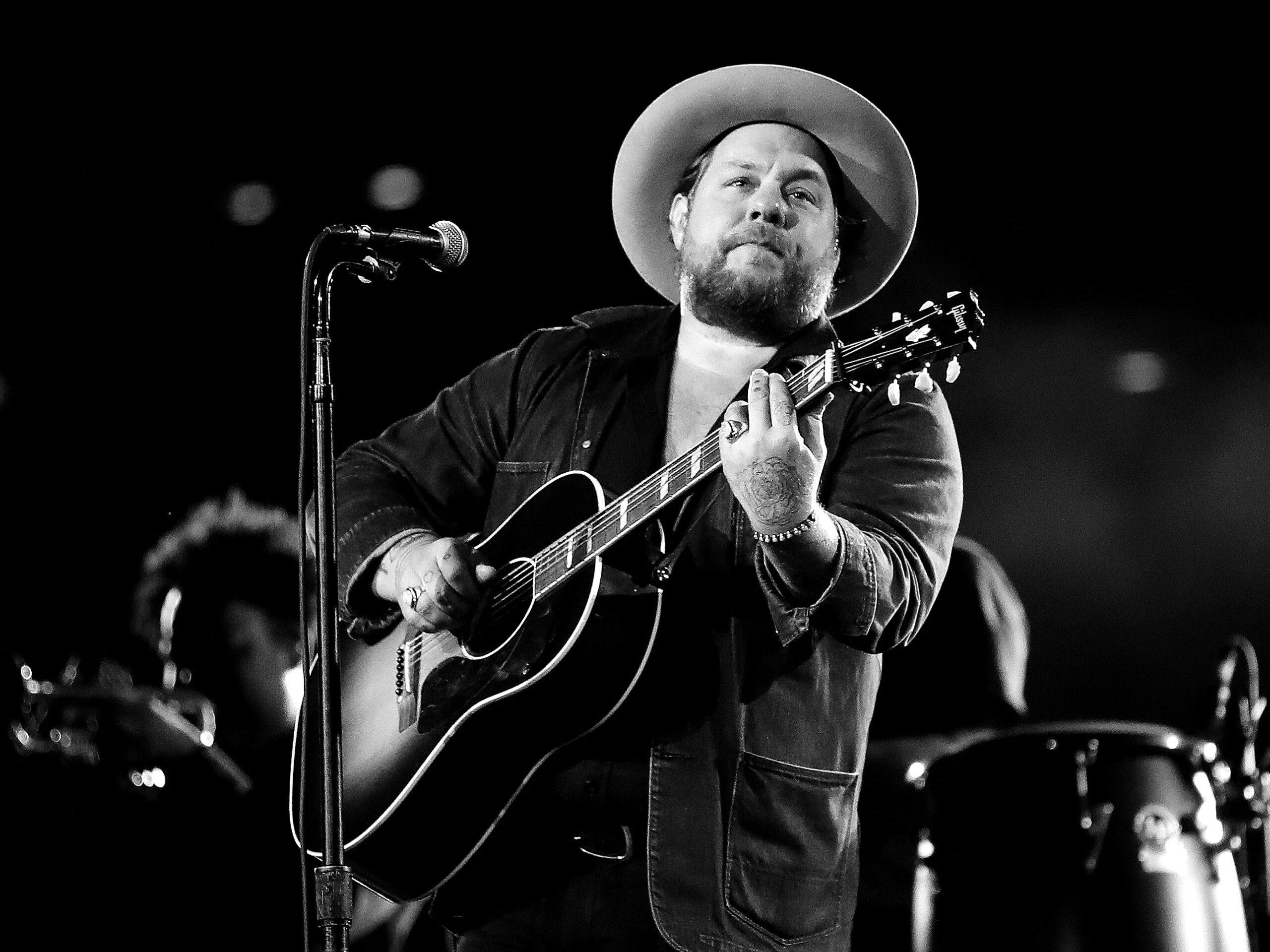
The pair lunched daily at a local Mexican restaurant, a routine that turned into “a bottle of liquor and burning through full liters and fifths—and in between that, trying to be like, ‘Drink a gallon of water,’ ” Rateliff says. “It was this battle: I’m going to be moving in extremes and be sober and exercise like crazy, and then eating chicken tenders and nachos and getting hammered. The pendulum was swinging pretty hard.”
Rateliff, whose first musical instrument was the drums, provided initial percussion for the tracks. He and Swift later summoned Meese from Denver to layer his drums on top of Rateliff’s, giving the songs a booming rhythmic feel. “It was definitely fueled by our drinking habits at the time, which reflects itself in how emotive his vocals are,” Meese says. “You pour that much booze on the fire, you’re going to get a big flame, but that flame’s going to die out relatively quick, so you’ve got to figure out how to get it roaring again.”
The trio created enough music for a United Kingdom–only EP containing four songs, including “S.O.B.,” which Stax released on June 29, 2015, to coincide with an upcoming European tour. At first, the audiences there appeared unmoved by Rateliff’s new sound. They’d bought tickets for a singer-songwriter and got a completely different show. Then, when the band was in Berlin, the label launched the “S.O.B.” single. Not long after, Rateliff recalls, “I got a call from my manager to tell us we were doing Fallon.”
The band arrived in New York City for The Tonight Show Starring Jimmy Fallon on August 5, 16 days before the full album was scheduled to come out. The host couldn’t contain his excitement. Fallon had come across Rateliff on YouTube and had personally asked his music booker to find the band; he kept interrupting his guests to hold up the cover, saying, “You gotta check this out,” according to Rolling Stone.
Nevertheless, Pope says the Night Sweats were more determined than nervous. “We knew, This is our chance,” Pope says. “We were going to give it everything we had.” They didn’t disappoint. The band’s performance of “S.O.B.” was so boisterous that Fallon raved “Soulful! Soulful!” to the TV audience afterward. Ice Cube, one of Fallon’s guests that night, told Pope: “I got a kick out of that.” Meese describes it as “a biopic moment.” According to Billboard, Paul McCartney called Fallon soon after: “That guy the other night—son of a bitch. They set the place on fire.”
Believing FM stations wouldn’t play a song with “son of a bitch” in the lyrics, Stax broke “S.O.B.” through just a few plays on SiriusXM satellite radio’s Spectrum channel. It took off, preselling 1,200 copies of the album in a single week. After Fallon, Marshall says, the presale for the debut album jumped from 1,200 to 12,000 units within a week. Then radio overcame whatever misgivings it may have had, and “S.O.B.” topped Billboard ’s Alternative Airplay chart for four straight weeks after its release. “It sounded special and really welcoming,” says Bret Saunders, a longtime host on Denver’s KBCO, which added the band to its regular rotation. “There was a warmth and presence in this music I hadn’t heard before, not just with him, but with any band.”
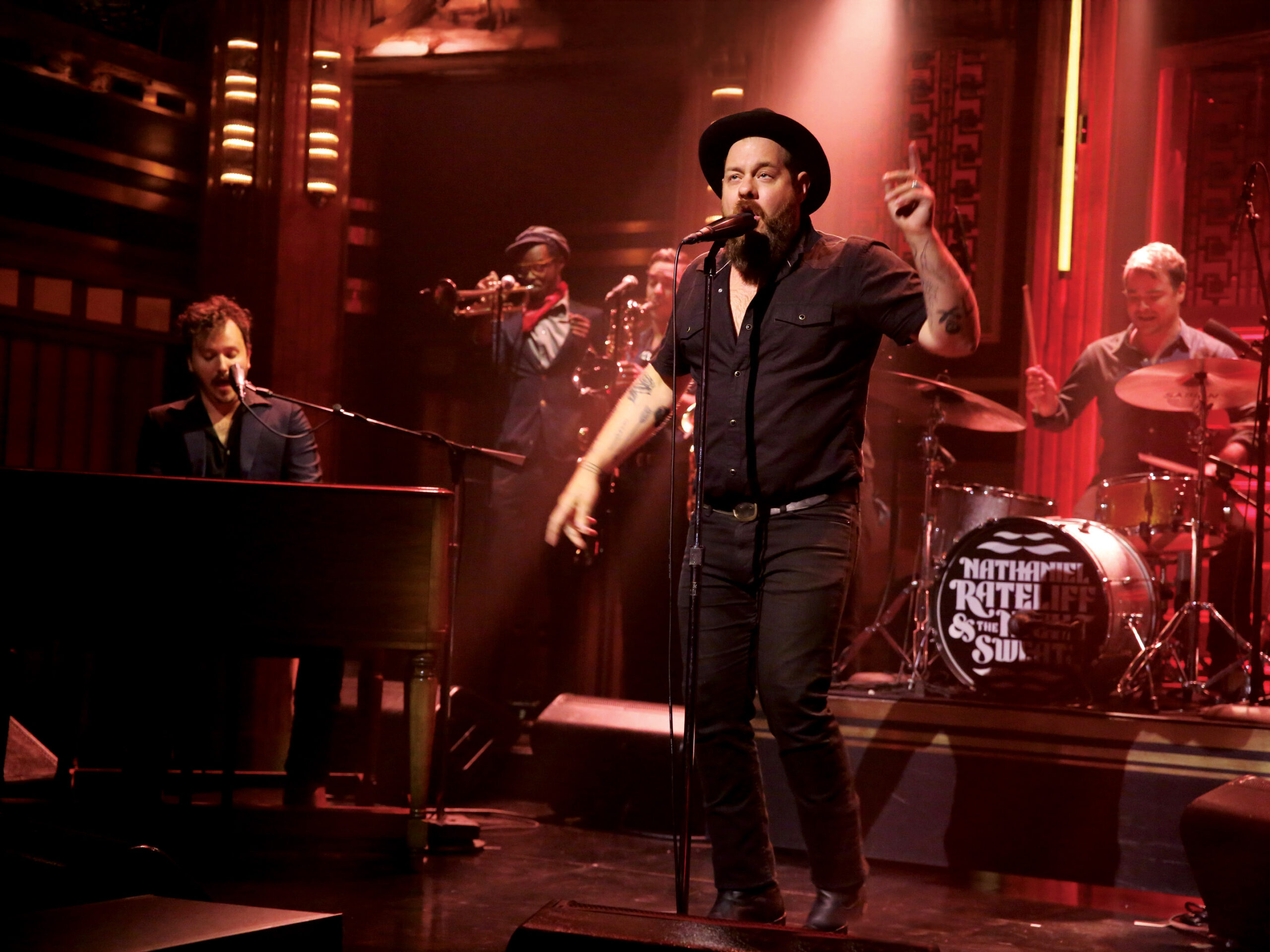
Suddenly, Rateliff was a star. As of today, the Night Sweats’ debut album has sold nearly 750,000 copies worldwide, and its songs have racked up more than 1.1 billion streams. The band headlined Red Rocks that September and went on to do so 16 more times—23 if you count the smaller, socially distanced shows it played during the pandemic. The Night Sweats have put out three more albums on Stax, and Rateliff added a solo album of his own, And It’s Still Alright, in 2020.
Rateliff continues to live in Colorado—after years of bunking in friends’ apartments, he moved into a house outside of Denver—and has used his influence to support local venues. He and Bob Ashby, a friend from Missouri, bought the Skylark Lounge on South Broadway in 2021, and Rateliff headlined a performance with the Colorado Symphony Orchestra, covering songs from one of his favorite albums, Harry Nilsson’s 1973 A Little Touch of Schmilsson in the Night, in 2023.
Colorado’s music scene had threatened to break through for decades—from Poco in the ’70s to Big Head Todd and the Monsters and the Samples in the ’90s to the Fray in the ’00s—but during the 2010s, Saunders says, the Night Sweats and the Lumineers “made this town almost like a Nashville.”
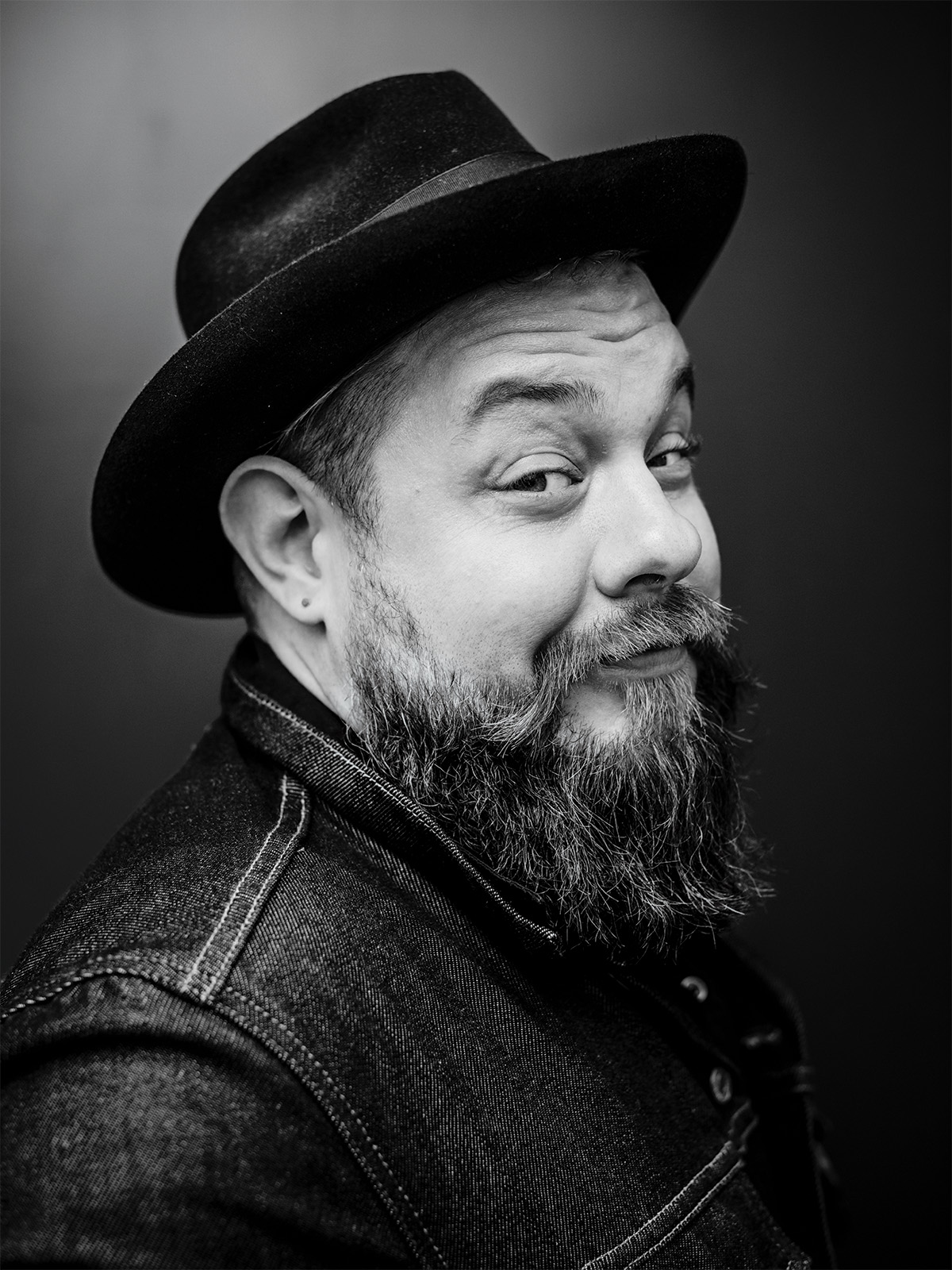
For Rateliff, though, professional success coincided with one of the lowest points in his personal life. “I was really struggling with alcoholism,” Rateliff recalls, “but I couldn’t see that yet.” Fortunately, he got the time and means to reach that clarity. Swift wasn’t so lucky. The band’s beloved collaborator—who had always kept friends laughing with his impressions, riffing, and rapping—died at the age of 41, a year after producing the band’s follow-up album, 2018’s Tearing at the Seams. After years of alcohol misuse, he’d developed hepatitis. His liver and kidneys simply stopped working.
For Rateliff, the road to sobriety lasted years. In 2023, he took six months off to try and get clean; the next year, he had to figure out how to be a musician without booze. He never participated in the Twelve Steps but went through a long therapy process. He says he hasn’t had a drink since January 1, 2025. In his rambling, self-analytical style, Rateliff says his sobriety is a work in progress—something he’s been dealing with throughout his adult life. “It’s been progressively a thing I’ve worked on every year, trying to recognize my relationship with alcohol and substance and food and all the things that you do as an emotional person,” he says.
Looking back at the success of Nathaniel Rateliff & The Night Sweats, the singer is less guarded and more enthusiastic. “I felt like I’d worked 20-odd years to get to that moment, and then the work really started,” Rateliff says. “I was on the road 290 days a year or more. It was beautiful and hard and, at times, messy. But it certainly changed my life.”