
The Local newsletter is your free, daily guide to life in Colorado. For locals, by locals.
Whether you’re watching a regional premiere by the Golden Triangle’s Curious Theatre Company, meandering through the Museum of Contemporary Art Denver, or snapping a pic of RiNo’s latest mural, that moment of inspiration likely cost more to produce than what you paid to enjoy it. Only about half of nonprofit arts and culture organizations’ budgets come from admissions; private donors and government support generally cover the rest.
So, when the National Endowment for the Arts, a federal agency that helps fund arts organizations, began withdrawing grant offers on May 2, Colorado’s creative community was understandably alarmed.
The emailed revocation announcements came hours after President Donald Trump called for eliminating the agency entirely in his budget proposal, but the messages offered little detail: “The NEA is updating its grantmaking policy priorities to focus funding on projects that reflect the nation’s rich artistic heritage and creativity as prioritized by the President. Consequently, we are terminating awards that fall outside these new priorities.”
Twenty-two Colorado organizations were expecting $435,000 in combined NEA grants this year. One, for $30,000, was set to fund the Denver Art Museum’s Andrea Carlson: A Constant Sky, a survey of the Indigenous mixed-media artist’s works that address colonialism. “We are fortunate that we can pivot to other resources rather than relying on federal funding to complete projects like the one our grant award was to have supported,” says Chiara Robinson, director of institutional giving at the museum, where the exhibit debuted last month as planned. Smaller organizations aren’t always so lucky.
Just four days after Trump’s terminations, Denver’s Bonfils-Stanton Foundation, one of the city’s largest private arts funders, launched a series of Rapid Response Grants that came to $400,000 and prioritized organizations that had lost federal grants, serve marginalized communities, or both. “Those are the populations that we’re seeing caught in the crosshairs,” says Chrissy Deal, Bonfils-Stanton’s director of leadership and arts and social change grants.
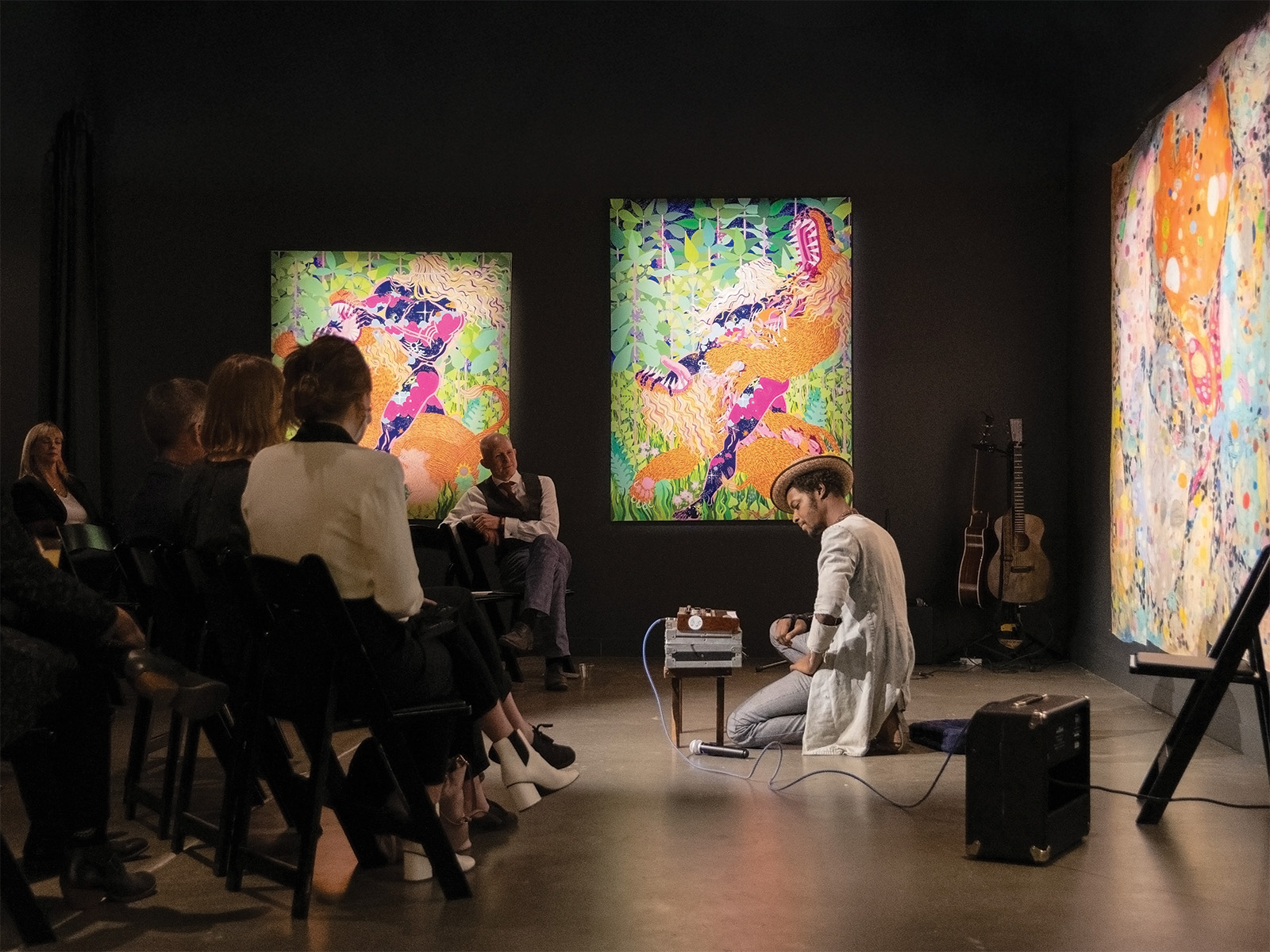
Among the recipients was the nonprofit Gift of Jazz, which provides free music programs to public schools in Denver, Adams, and Jefferson counties and had lost a $20,000 NEA grant. Organizations had seven days to appeal, and some, like Gift of Jazz, were successful in reinstating their NEA money. “We’re thrilled to hopefully have this support coming through,” says Nicolette Andres, executive director of Gift of Jazz, “but the bigger landscape is still really scary.”
That picture includes the Trump administration’s push for greater control over cultural institutions, from installing the president as the chairman of the Kennedy Center to an August demand that the Smithsonian museums review their exhibits to be sure the content meets the president’s directive to “celebrate American exceptionalism” and “remove divisive or partisan narratives.” (On social media, Trump clarified that the Smithsonian focuses too much on “how bad slavery was.”)
With federal dollars and the future of artistic freedom uncertain, we asked creators, curators, and advocates how arts lovers can keep Colorado’s cultural heart beating—even if they don’t have the cash to plaster their name on a gallery wing.
1. Become an art collector.
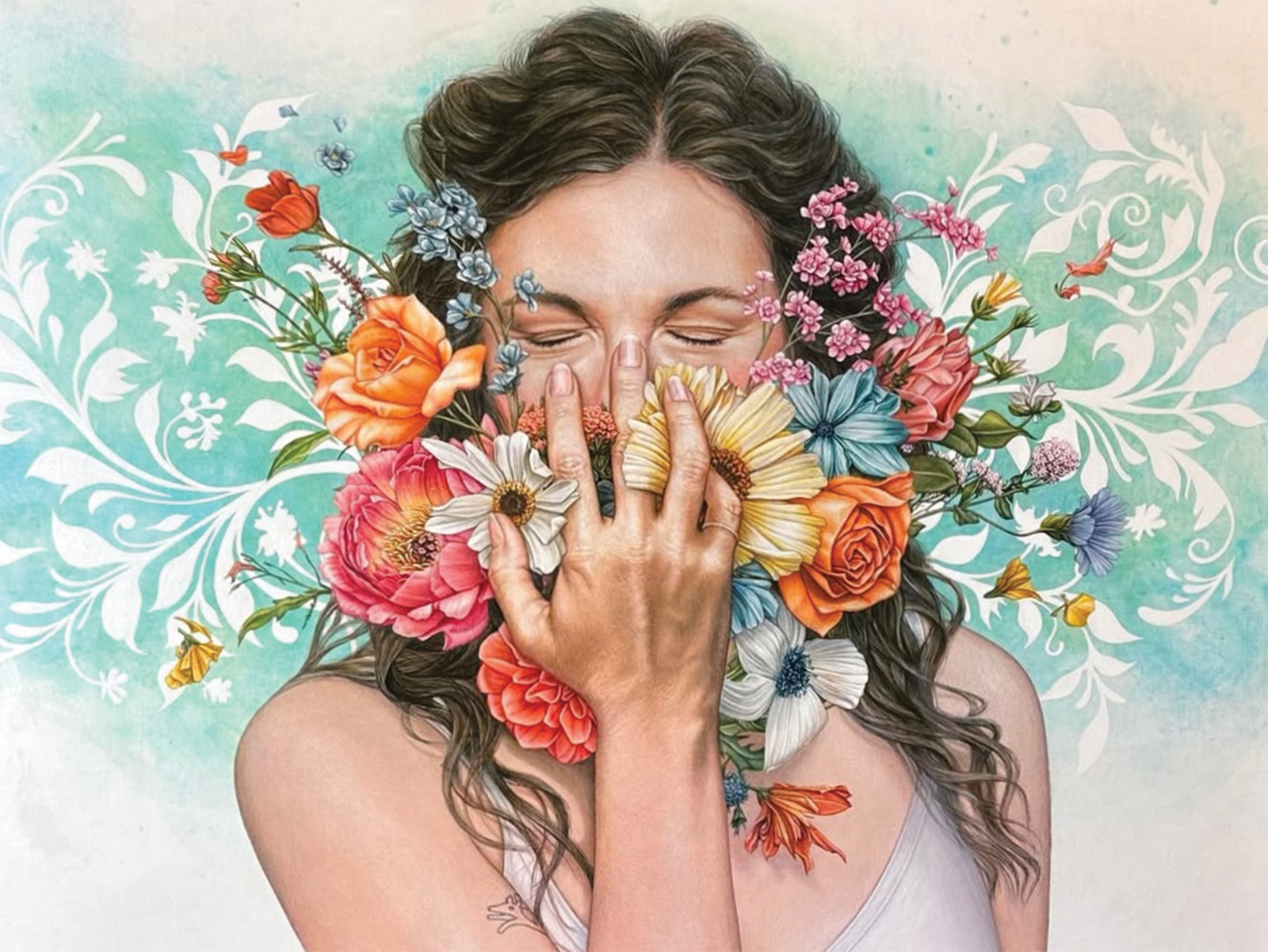
If you think “art collecting” is synonymous with “trust fund,” Delia LaJeunesse wants to change your mind. As founder of Denver’s Delia LaJeunesse Art Consulting, she helps aesthetes of all income levels curate their own personal galleries. “Buying artwork is truly significant to the individual artist,” she says. We asked LaJeunesse how to get in on the action—regardless of your budget.
Under $200: If you have just a couple of hundred bucks to spare, LaJeunesse suggests keeping an eye on the Art Students League of Denver’s event calendar. All That Glitters: A Holiday Salon opens, with sparkling works from students and instructors across a variety of mediums and prices, on November 11 at the organization’s Romanesque headquarters in the Speer neighborhood.
Or save up for the Affordable Arts Festival next August: If you can stash just $15 per month, you’ll be able to bring home a piece from the annual shindig on the grounds of Arapahoe Community College, where works from more than 160 artists are all $150 or less.
$200 to $3,000: You can find gallery-exhibited art for under $3,000 in Denver, including at RiNo’s FooLPRoof Contemporary Art Gallery and City Park West’s nonprofit Leon Gallery, which often features emerging artists.
Tech-savvy collectors can also turn to Instagram. “You might have to do a lot of inquiring, but it’s a great platform for people in the mid-range who want to connect with artists directly,” LaJeunesse says.
$3,000+: At this level of investment, research matters, whether that’s contacting gallery owners or hiring an art consultant. “You’ll want to ensure that you’re finding art that’s emotionally resonant with you, has some degree of salience, and comes from an artist who’s gaining traction,” LaJeunesse says.
She likes K Contemporary in LoDo and Walker Fine Art in the Golden Triangle. Don’t forget to ask the artist for tips on maintenance (e.g., keeping the work out of direct sunlight) and installation.
Read More: How to Start Your Own Art Collection on a Budget in Denver
2. Donate money.
Union Hall, a nonprofit gallery inside the Coloradan, a LoHi condo complex, was set to receive a $25,000 NEA grant. But when funding for Rough Gems—a training program for emerging curators—was withdrawn, Union Hall’s leadership chose not to appeal. “Our mission is to support diverse artists and curators, and we’re not backing down on that,” says Jess Díaz, gallery and marketing manager for the space. “We’re instead directly seeking funding from foundations that support the diversification of creative voices.”
One such organization was the Bonfils-Stanton Foundation, which awarded Union Hall a $20,000 Rapid Response Grant that allowed Rough Gems to move forward. “NEA was a wake-up call,” Díaz says. Rather than continuing to seek federal funding, Union Hall is shifting its financial model, in part by charging other creative groups to rent its space for art pop-ups, cultural programming, and creative events.
While that program launches in January, Union Hall will open its next exhibit, Biyáál, this month. The show features three Navajo artists from the same family, including local artist JayCee Beyale, and is anchored by two sand pieces. Díaz urges you to see it. “With federal funding cuts, individual donations matter more than ever,” she says. “They directly allow us to maintain free public programming and support the equitable stipends we provide the artists we work with.”
3. Support local theater.
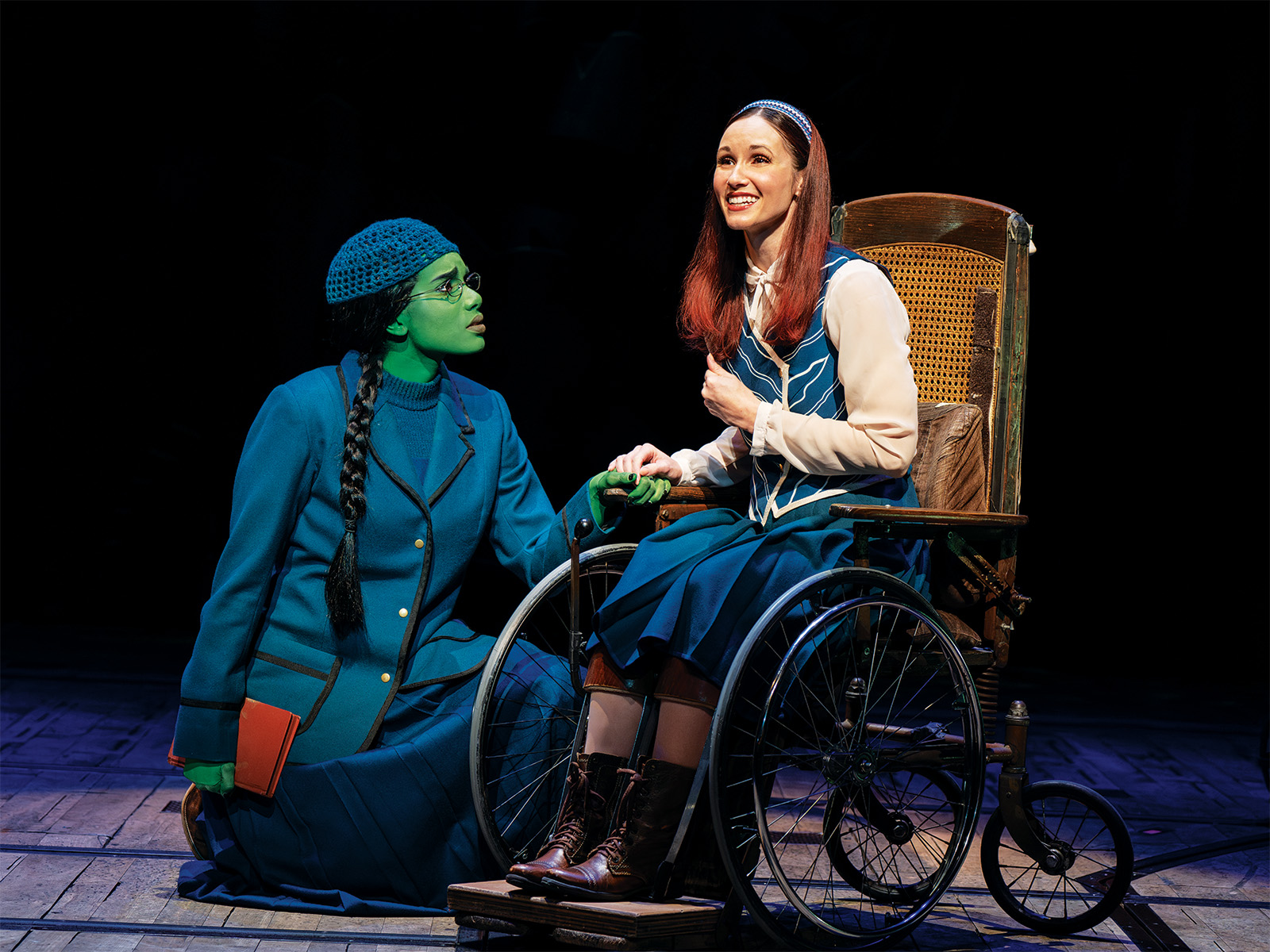
Long before she rolled into the spotlight at New York City’s iconic Gershwin Theatre, former Sedalia resident Jenna Bainbridge performed on small stages throughout the Denver area. Bainbridge, who became paralyzed as a toddler due to unknown causes, uses a cane, wheelchair, and crutches to move around. When she was 12 years old and expressed interest in acting, her parents took her to the Cole neighborhood’s Phamaly Theatre Company, which exclusively features actors with disabilities. There—and with companies including the Arvada Center for the Arts, Aurora Fox Arts Center, and the Colorado Shakespeare Festival—Bainbridge played roles such as Cinderella in Into The Woods and Beth in Little Women. In 2024, she joined the ensemble of Suffs on Broadway, and this year, Bainbridge became the first ambulatory wheelchair user to play Nessarose in Broadway’s Wicked.
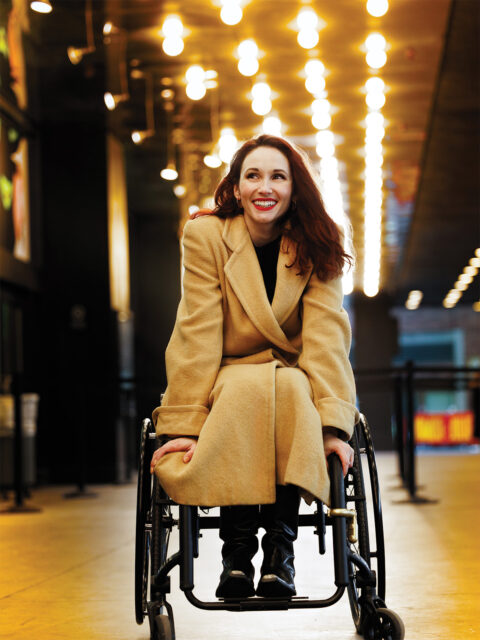
“Local theater is where you get your artists from,” Bainbridge says.
“Plenty of Hollywood actors and directors had their start in local productions.” But with arts funding in peril, local theaters are scrambling to find replacement dollars. Boulder’s Motus Theater, for example, was set to receive $35,000 to fund Youth Behind & Beyond Bars, a series of monologues written by formerly incarcerated youth. Per NEA grant requirements, the theater budgeted for an additional $35,000 to match. The Motus team filed an appeal but were told in August that the effort was denied. Motus directors had to make some changes to Youth Behind & Beyond Bars, but thanks to individual donations and gifts from foundations like Bonfils-Stanton, Motus raised around $55,000 of its anticipated $70,000 budget. “NEA funding isn’t the only thing affecting arts organizations right now,” says Rita M. Rufino Valente-Quinn, Motus’ producing executive director. “Many nonprofits received funds through COVID relief programs, and that money is gone now. The need is still there, but the money is not.”
At Phamaly Theatre Company, where Bainbridge got her start, managing director Corinne Melon was notified in May that the NEA-funded ArtsHERE program would not dole out the remaining $32,500 of its $130,000 grant. The cash was supposed to support a new staff member and a touring production using the Hunter Heartbeat Method, which brings theater to audiences with high-impact cognitive disabilities. “We had a nonverbal 10-year-old come to a show, and she had so much fun that her dad brought her back the next day, and she then actually spoke some words to us,” Melon says. “This program has been amazing for us, and we really want to try to keep it going.”
Because Phamaly works with people with disabilities and the current presidential administration is working to terminate diversity, equity, and inclusion programs, Melon says she doubts Phamaly will receive federal funding next year—making ticket sales even more critical.
Read More: Get to Know Jenna Bainbridge, the Colorado Actress Performing in Broadway’s Wicked
4. See a show.
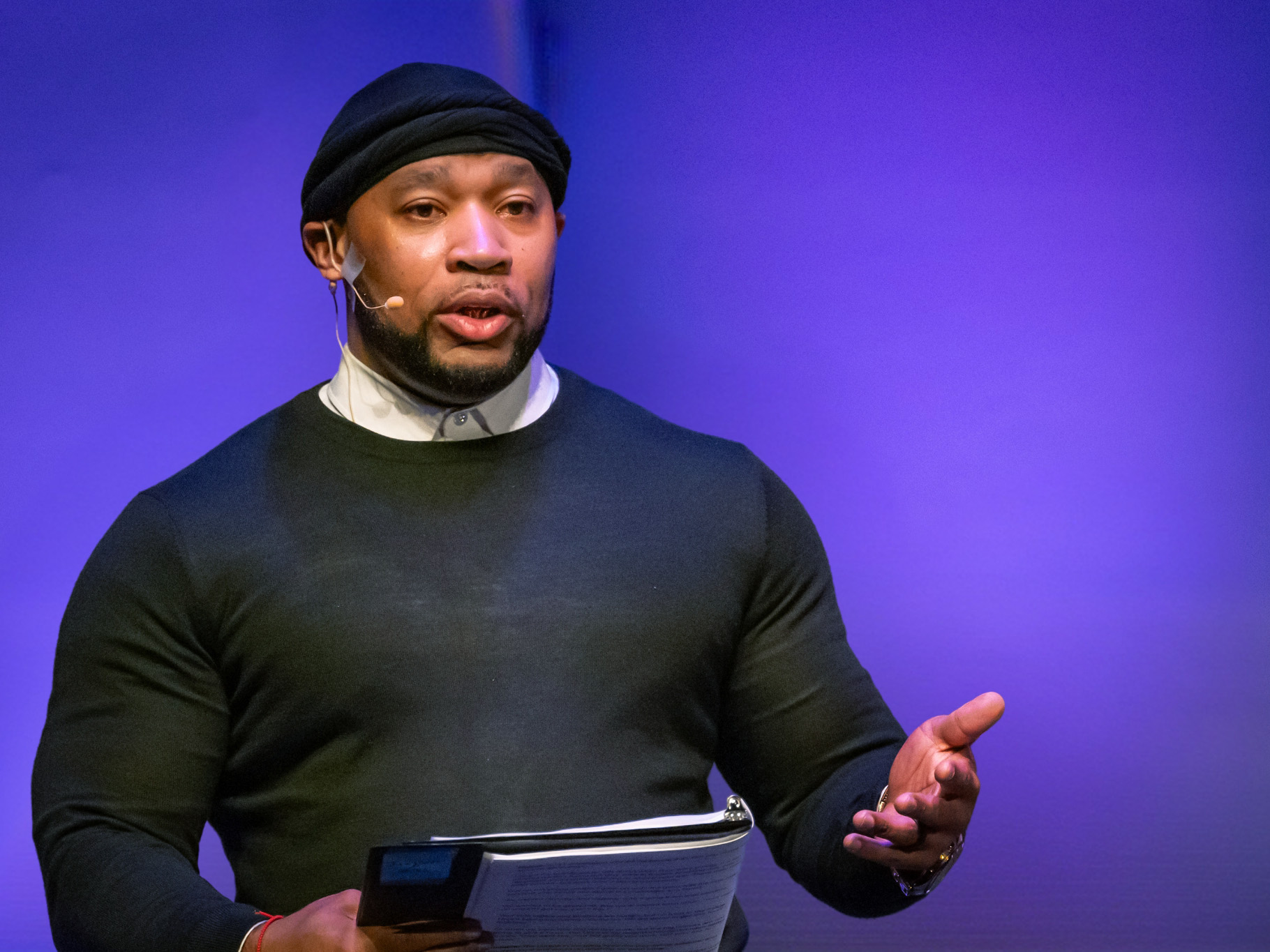
We asked Broadway’s Jenna Bainbridge, Phamaly Theatre Company’s Corinne Melon, and Motus Theater’s Rita M. Rufino Valente-Quinn for their top recs for this theater season.
1. Youth Behind & Beyond Bars (December 7)
At the Lafayette Public Library, catch moving monologues from formerly incarcerated young artists that unveil the realities of the juvenile justice system. While NEA cuts forced Motus Theater to pare down the performance, a full regional premiere is planned in January at the state Capitol.
2. Holidays are for Phamaly & the Colorado Symphony (December 6 and 9)
This annual holiday-themed cabaret pairs seasonal tunes performed by a string quartet of Colorado Symphony musicians with monologues and songs from Phamaly actors. Complimentary fidget tools, ASL translations, and audio descriptions are available during the show.
3. Junie B. Jones, The Musical (January 23 to May 8, 2026)
As an alumna, Bainbridge recommends pretty much anything the Arvada Center for the Arts and Humanities puts on. Bring your kindergartners through fifth graders to a musical twist on Barbara Park’s Junie B. Jones book series.
5. Get the kids involved.
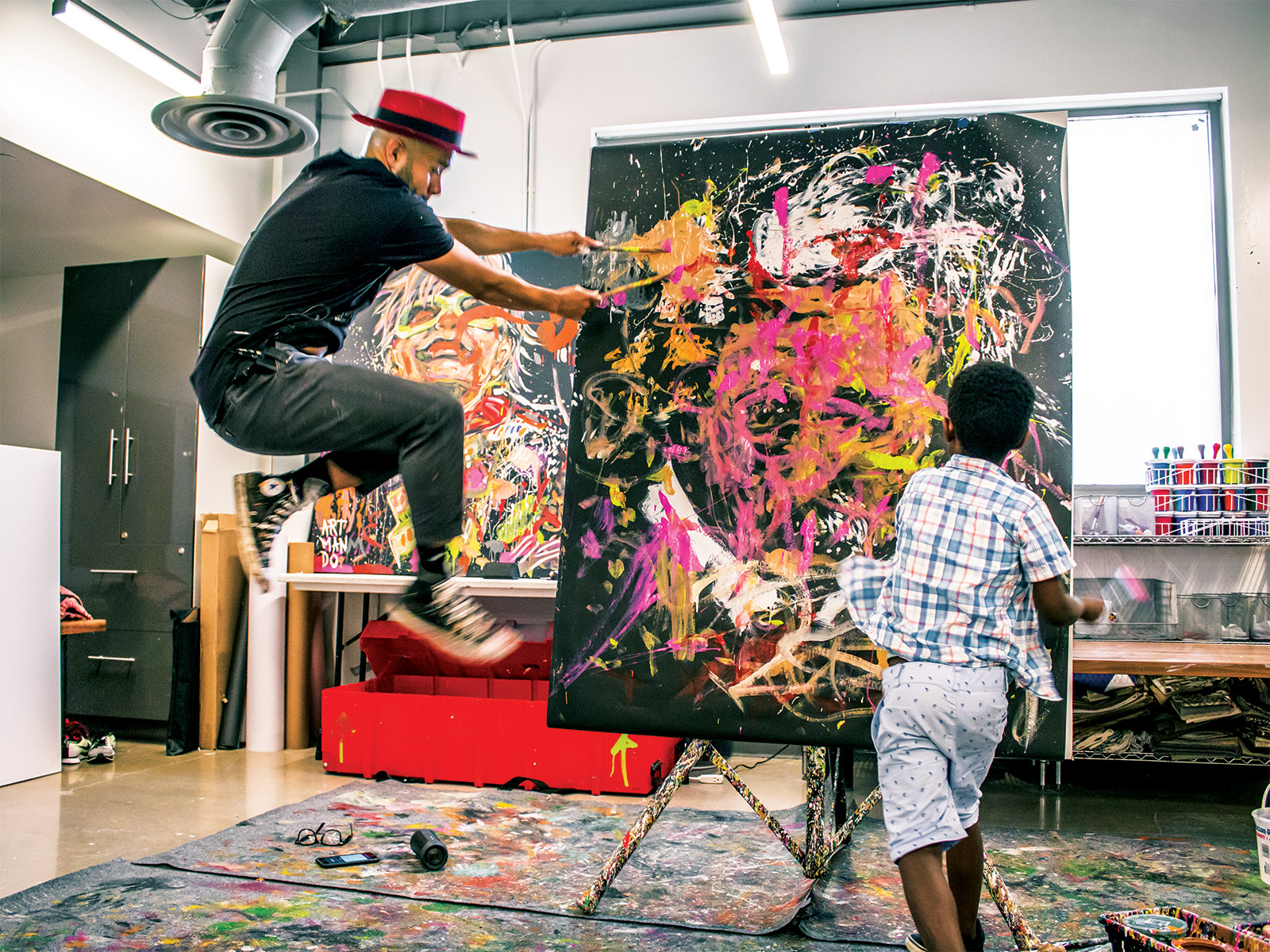
1. The Children’s Museum’s Art Studio
In this permanent space within the Children’s Museum of Denver at Marsico Campus, kids can add a splash of color to a 1972 Volkswagen Beetle, draw on a window with chalk, or paint on an easel (and take their masterpiece home.) Visit between 10:30 a.m. and 3 p.m. to access the sculpting supplies. Molding the clay is free, but you can also have your kids’ creations fired and glazed for a fee (price varies based on weight).
2. Art Garage
This nearly 20-year-old visual arts organization in South Park Hill offers classes for kids of all ages, from toddler-and-parent instruction to multiweek, open-studio-style courses for teenagers. Mediums range from ceramics to yarn art to digital animation. Watch for camps that coincide with school closures, such as Art Garage’s Thanksgiving break camp (beginning November 24), during which tots can paint real gourds and older kids can design their own comic book characters.
3. The Making Space at the Clyfford Still Museum
This 28,500-square-foot museum is dedicated to the abstract art of Clyfford Still. Young artists can take inspiration from the famed American expressionist at the Making Space, a creation studio designed with feedback from Colorado State University’s Early Childhood Center. Don’t miss Art Crawl, a program held multiple times each month for babies, from newborns up to 14-month-olds. Stop by the information desk for a copy of the bilingual Family Activity Book. Kids can partake in a scavenger hunt and create their own art to be shared online.
6. Attend Denver Arts Week.
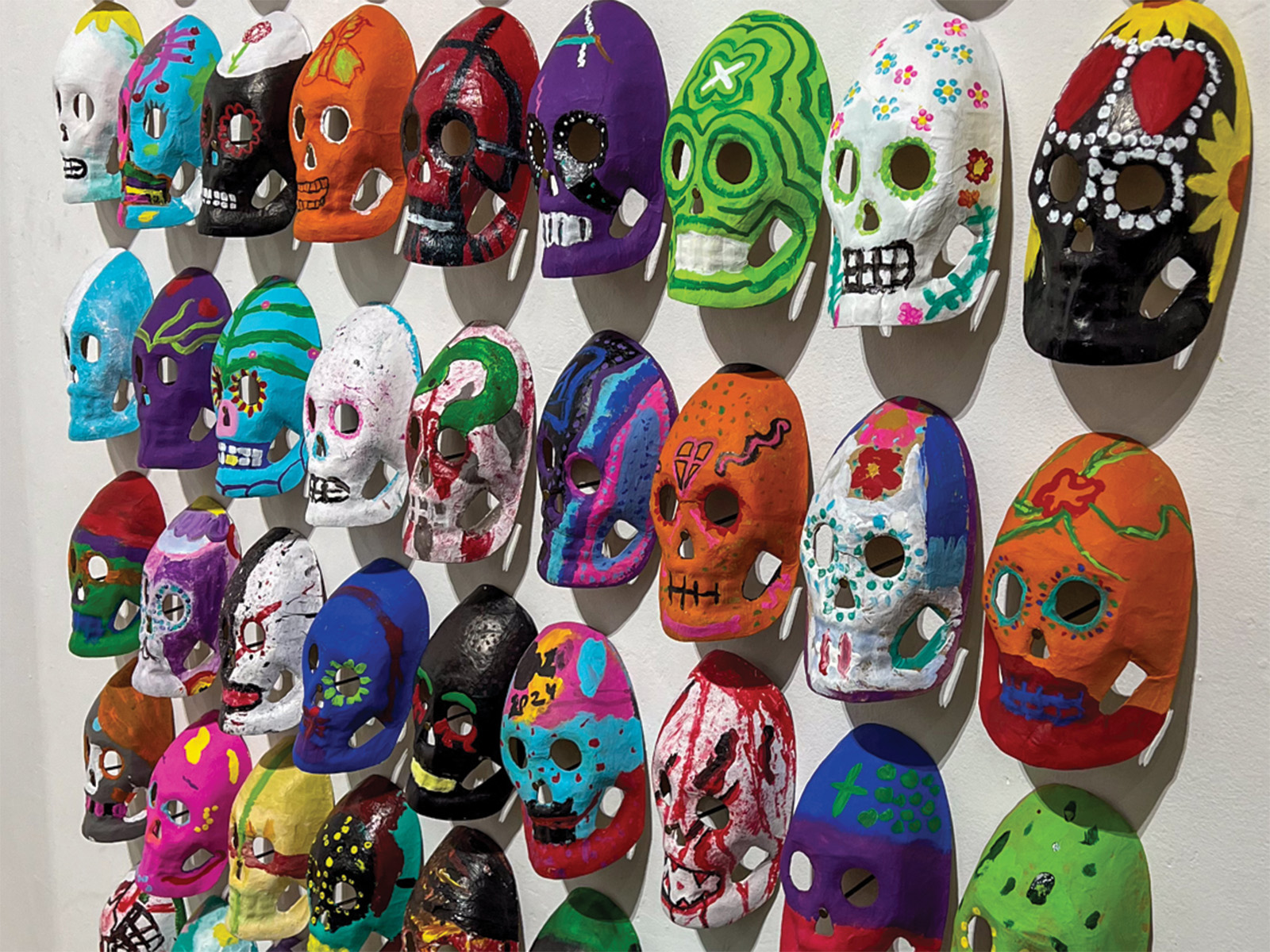
1. Colfax Art Crawl (November 7)
There’s more than one art district in town: The 40 West Arts District is upping its game with a Día de los Muertos–themed art crawl that includes murals, altars, and exhibits from Latino and Indigenous makers installed around West Colfax Avenue. Free
2. Free Night at the Museums (November 8)
From 5 to 10 p.m., you can ride gratis shuttles among many of the city’s top cultural repositories, including the Museum of Contemporary Art Denver, Museo De Las Americas, Clyfford Still Museum, and the Museum for Black Girls. Free
3. Best of Exposed 2025 (November 14)
Each month, five brave community members tell their stories—inviting attendees to share in their most personal secrets, regrets, failures, and triumphs—at LoHi’s Bug Theatre. This curated special showcase will highlight some of the year’s heaviest-hitting tales. From $20
7. Patronize underrepresented artists.
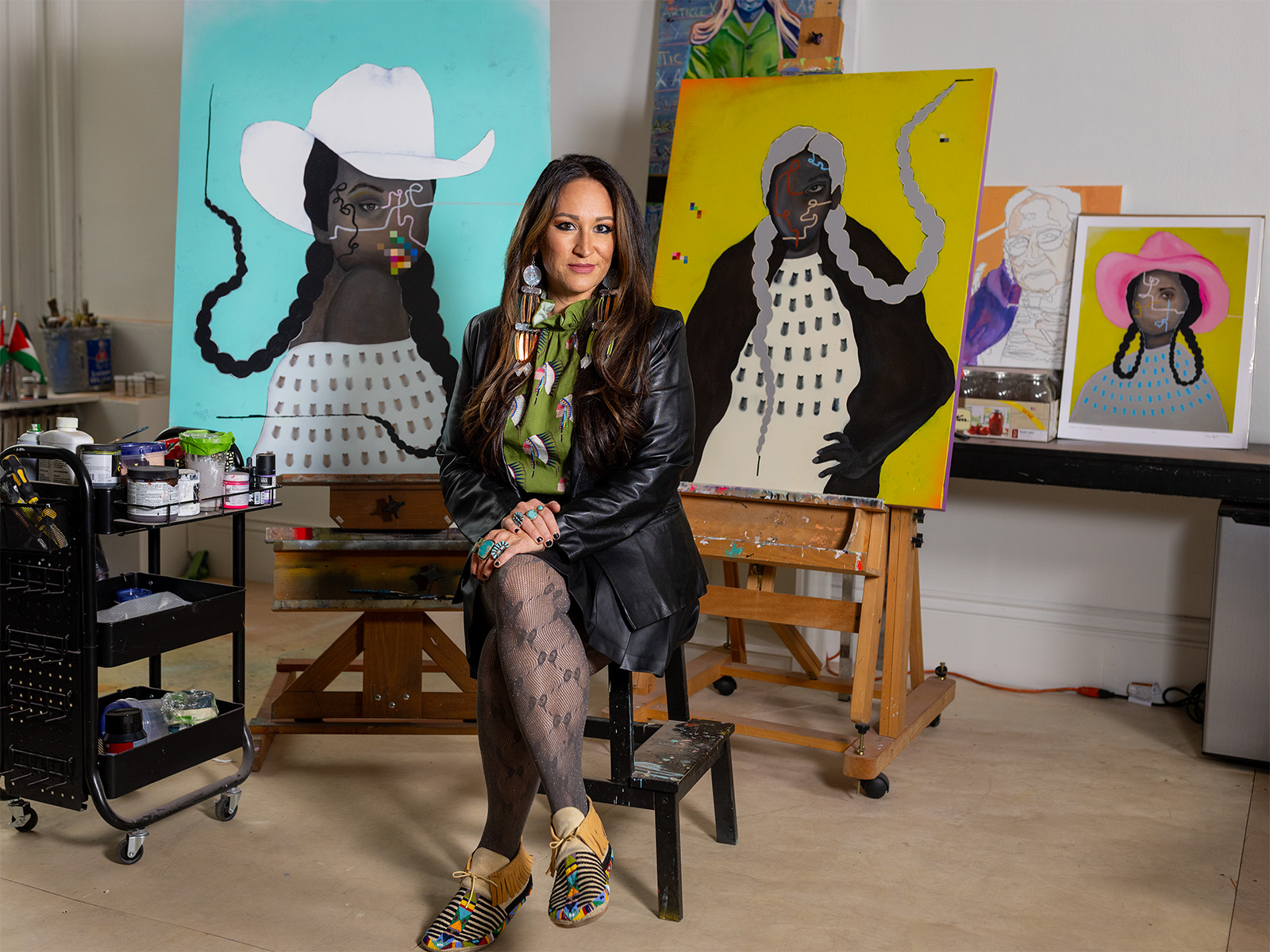
Danielle SeeWalker, a Húŋkpapˇha Lakˇhóta citizen of North Dakota’s Standing Rock Sioux Tribe, is familiar with the perils of the arts world: About a month before the Denver artist was to start work as Vail’s 2024 artist-in-residence, the town revoked her offer. The reason? A painting she shared on social media titled “G is for Genocide,” which depicts parallels between the war in Gaza and the treatment of Native Americans in the United States.
In August, Vail settled a lawsuit brought by the ACLU of Colorado, with, among other efforts, the town agreeing to fund a new art program for underrepresented people and to host an annual powwow for the next five years. Although she sees the settlement as a victory, SeeWalker is still recovering from harmful messages and lost business due to the suit. We spoke with her to learn more about the importance of supporting art—even when it’s controversial.
Editor’s note: The following conversation has been edited for length and clarity.
5280: Have you personally experienced any effects from the NEA funding cuts?
Danielle SeeWalker: I was supposed to have an exhibition at a gallery in Las Vegas in August. The grant they were relying on was cut. A lot of those grants were nixed if you use DEI terms, like “women” or “people of color,” so my show was not able to get funded. Thankfully, they were determined to run it anyways, so the show was postponed for a year from now. They’re trying to find funding elsewhere.
How can people best support underrepresented artists right now?
Obviously, monetary donations are always welcome, because it takes money to create art. And specifically, a lot of Native American creators, especially those living on the reservation, don’t necessarily have access to resources like art supplies. But since not everybody is in the position to make monetary donations, just sharing their artwork on social media, going to their show, or buying a piece of their artwork at a market are all great ways to support.
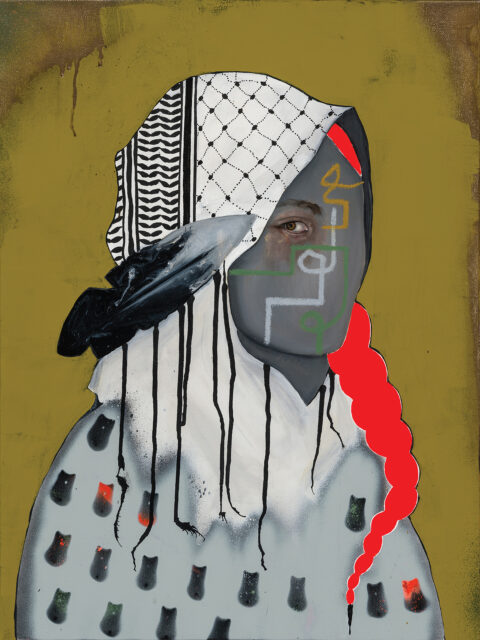
Do you feel that Indigenous artists are given enough visibility in the Denver art scene?
I moved to Denver in 2018 because it’s close to nature, it was close enough for me to go home to North Dakota, and because there’s a great Native American population that exists here. When I first moved here, I really integrated myself in the art scene by going to local shows and befriending artists, and what I found was that there really wasn’t any representation of Native women, especially in mural art.
One of my objectives was to create that representation. I wanted to get a foot in the door and bring others with me. I feel like I’ve been able to do that through collaborating on murals with other Native artists, sitting on boards, and being part of advisory councils. I think we’re moving in the right direction, but there’s always room for more opportunities for underrepresented people.
What’s your next big project?
I’m having a solo show in Durango at Fort Lewis College [from October 23 to November 19]. Fort Lewis College has a big Native American population, and they offer [tuition waivers] to that community. Part of this exhibition is me working with those Native students who are interested in the arts and curatorial work. I get to work side by side, planning and installing my show, with those students. It’s an opportunity to mentor as well, which I’m really excited about.
I’m creating a new body of work for it; it’ll be multidisciplinary. I recently painted a basketball hoop, because basketball is a really popular sport on the reservation, so I wanted to highlight what we call reservation basketball. But I’ll also have my signature kind of paintings that people are used to seeing as well.
Why do you feel it’s important to continue to create art that inspires social change?
Generations before me have been doing that, if you look at historical artworks from the Civil Rights Movement or during the Vietnam War, so it’s not a new concept. A lot of my artwork is centered on being Native American and my identity as a woman, and I feel like I already live a very political existence. For example, my dad was born during a time when Native people weren’t fully allowed to vote.
So, I feel like I have this sense of obligation to speak up on behalf of my family, my people, and my community. And I also think that you can bring awareness and reach people through art where you otherwise couldn’t. Art has a unique reach.
8. Take a road trip.
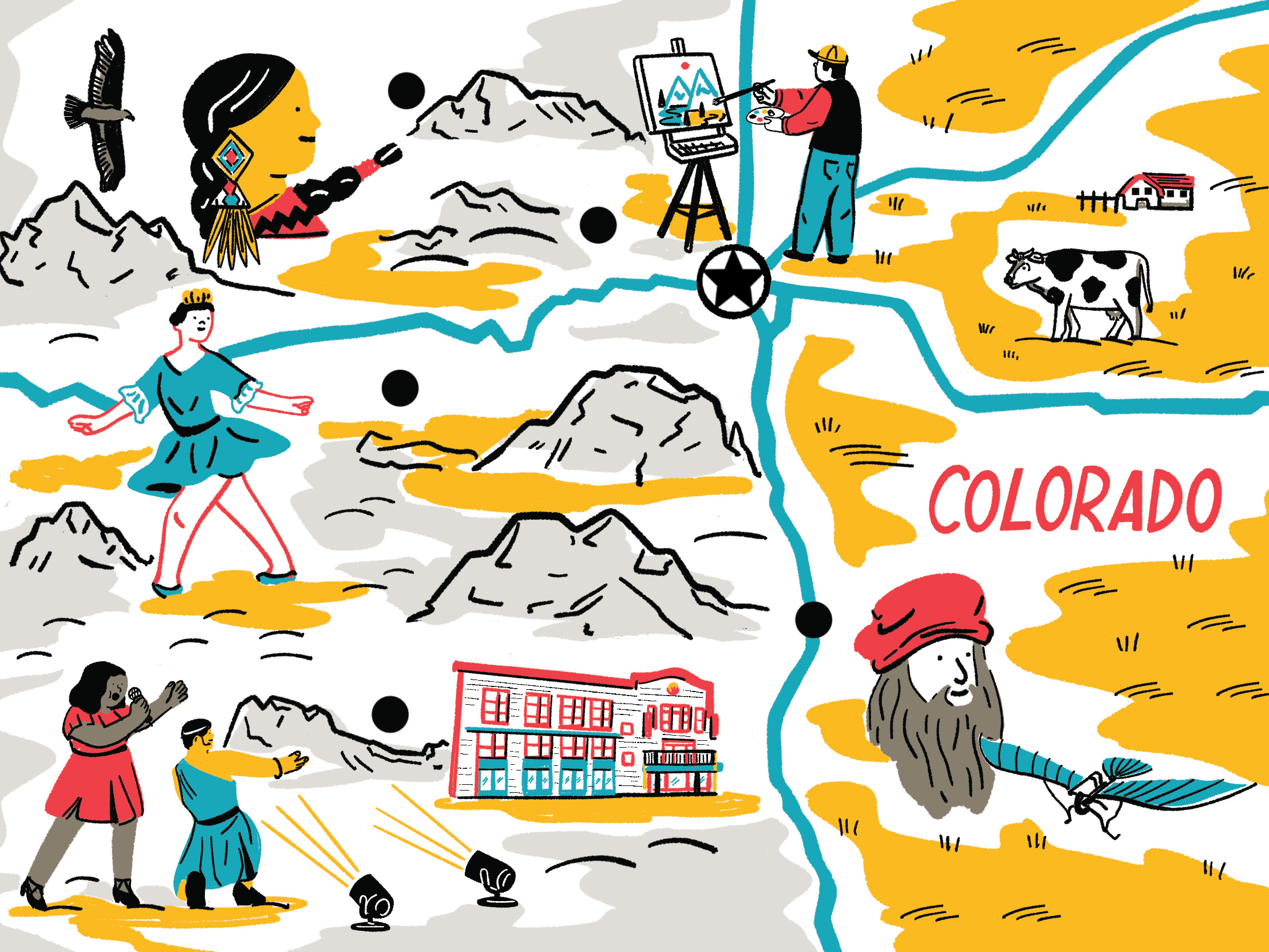
1. Aspen Santa Fe Ballet
After a $25,000 NEA funding cut and the departure of longtime director Francisco Nevarez-Burgueño, this ballet school is shutting down a program that provided free instruction in Mexican folkloric dance to schoolchildren. The organization is still putting on ballet performances, however, and serves more than 500 students across its Colorado and New Mexico locations.
2. Fraser Valley Arts
This nonprofit was able to make up the $10,000 it was expecting from the NEA to fund its annual plein air festival through the Andy Warhol Foundation for the Visual Arts and the Helen Frankenthaler Foundation. While the organization wants to raise money to secure a physical location in Fraser, you can show your support in the meantime by attending its regular art shows and performances. (2025’s lineup included a one-woman performance from Emmy-winning actress Jodie Comer.)
3. Leonardo da Vinci Museum of North America
It was in Amboise—a small village in France where Leonardo da Vinci spent the last years of his life—that chairman of the Southern Colorado Science Center Joe Arrigo was inspired to bring the work of the Italian genius to the Centennial State. The first North American museum dedicated to the work of the artist, engineer, and theorist is set to open near the Pueblo Convention Center within the next couple of months.
4. Tread of Pioneers Museum
Curated by Denver artist Danielle SeeWalker, This is Native Art—at Steamboat Springs’ Tread of Pioneers Museum through October 2026—features pieces by more than 35 Native American artists that challenge stereotypes and explore shared Indigenous experiences. Along with work from SeeWalker herself, look for art from Arizona-based Diné creator Garrett Etsitty and bright portraits by Cheyenne-Arapaho painter Brent Learned.
5. Creede Repertory Theatre
This 60-year-old nonprofit theater company employs more than 70 actors each summer to perform shows like Xanadu and Silent Sky. The company was set to receive a $20,000 NEA grant to support its Headwaters New Play Program, which develops and produces new plays from artists in the Southwestern United States. The shows will go on without those funds, and you can catch the next season of programming starting in May 2026.
9. Shop art festivals.
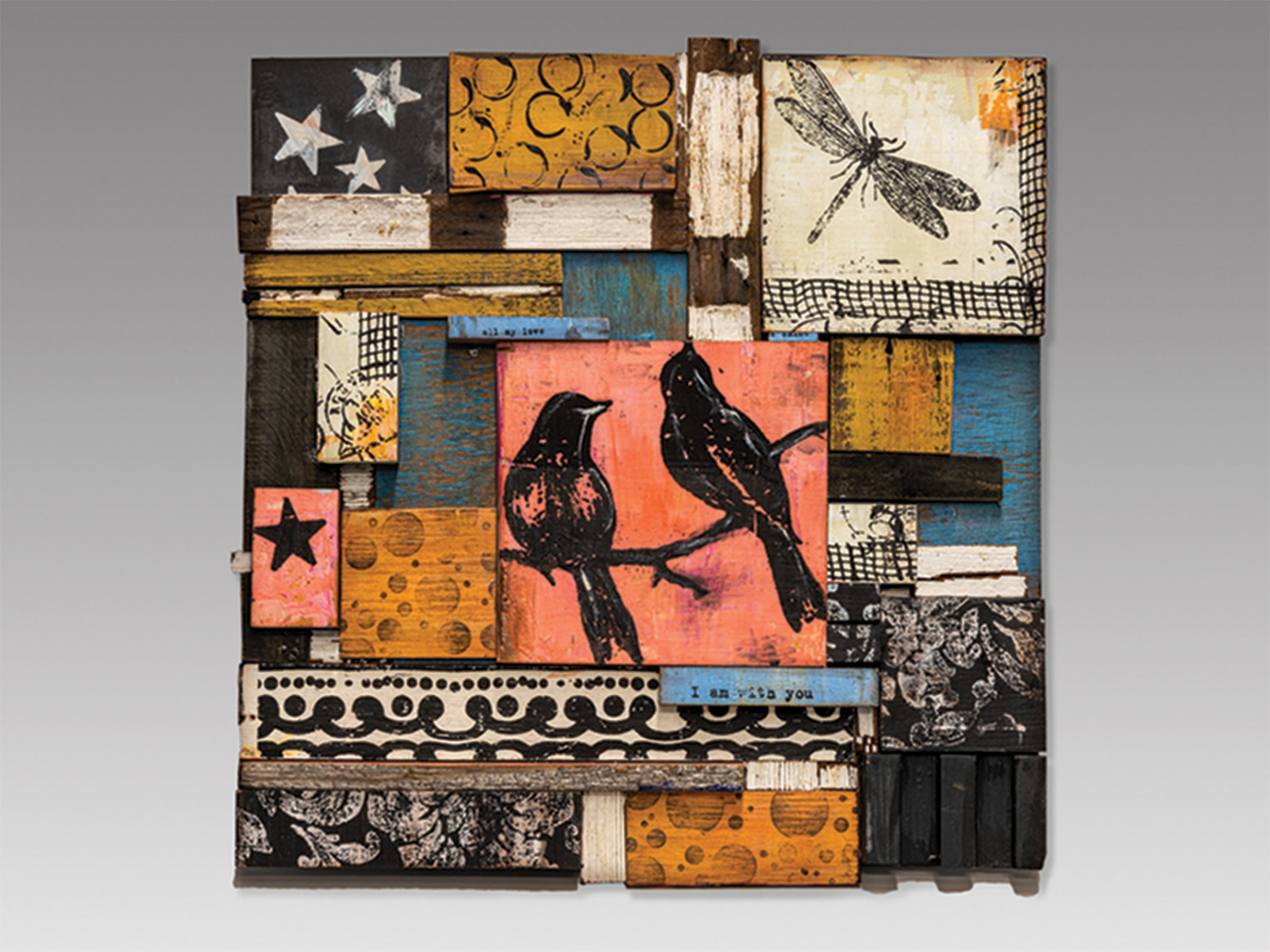
1. Autumn Artfest (November 8, 2025)
You usually need an invite to see inside the Globeville Riverfront Art Center, a collective of more than 75 visual artists, but on November 8, the center will be open to the public. View works in the gallery by resident artists such as Heidi West, who does landscape paintings and embroidery. Also explore the open studios to catch the artists in action.
2. Denver Arts Festival (May 23 to 24, 2026)
Roughly 150 artists will sell paintings, handcrafted furniture, photography, and more at this annual (and free) two-day festival in Central Park’s Conservatory Green. After listening to live music and grabbing grub from a food truck, peruse the selection of woodworkers (like Fort Collins’ Joe Anastasia) or mixed-media works (don’t miss portraits from Denver’s Thomas Elias Lockhart III). Bonus: You get a meal ticket and a free T-shirt if you volunteer to watch an artist’s booth while they’re on a break.
3. Cherry Creek Arts Festival (July 3 to 5, 2026)
At this highly competitive, free annual event, put on by the creative education nonprofit CherryArts, more than 250 juried artists from around the world set up pop-up shops along the streets of Cherry Creek North.
Read More: How To Bring Home a Masterpiece From the Cherry Creek Arts Festival
10. Hang out in art districts.
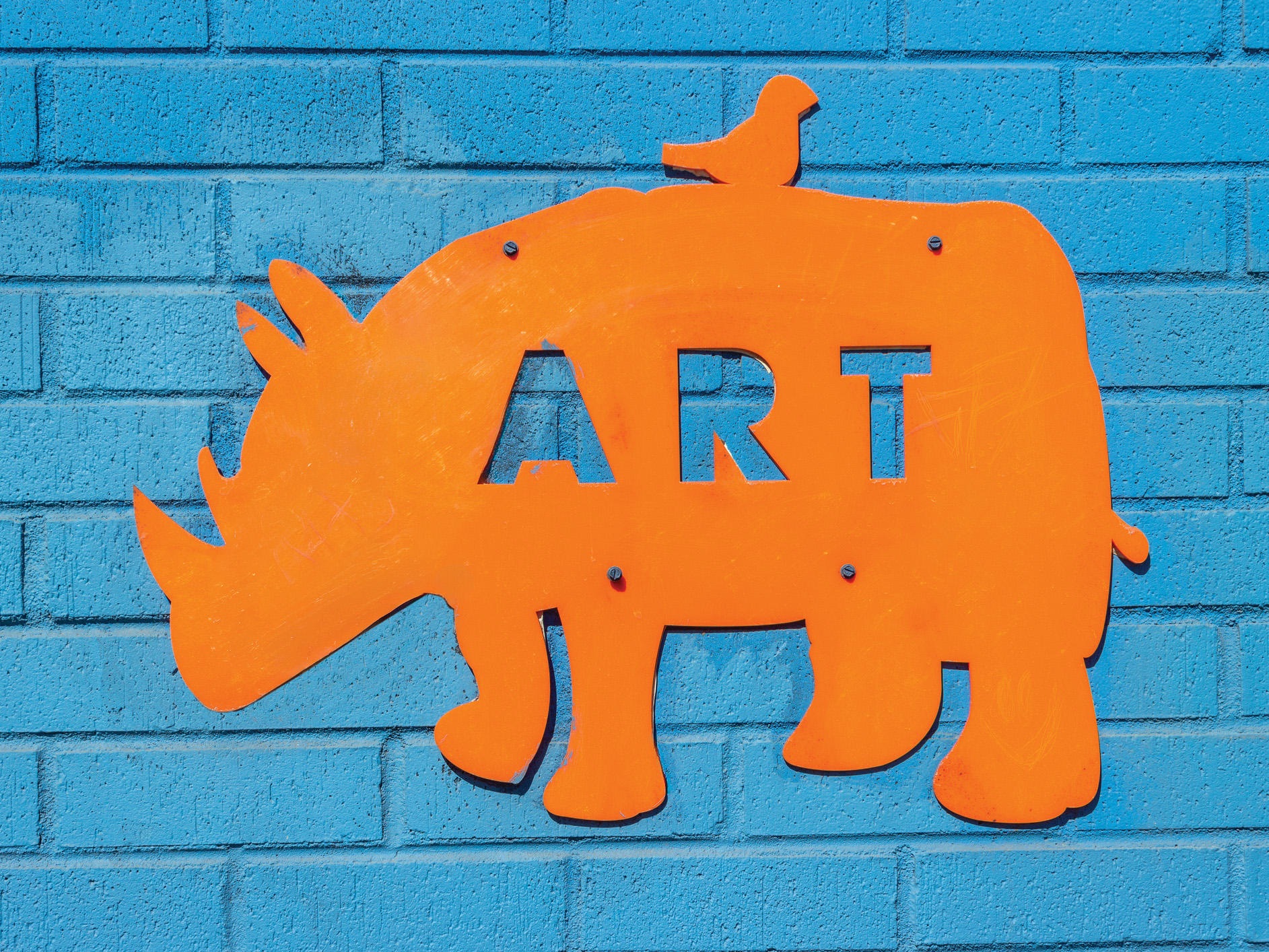
When the RiNo Art District started its Social Impact Grants Program in 2020, it was in response to a national reckoning over the murder of George Floyd and the conversations that followed. “We launched the Social Impact Grants Program to actually put our money where our mouth is and support local organizations financially,” says Kiah Butcher, programs manager for the district.
Now in its fifth year, the program has distributed more than $350,000 to organizations creating social change in the neighborhoods of Five Points, Globeville, Elyria-Swansea, and Cole. The dollars are unrestricted—unlike with traditional grants—which means recipients can put the cash toward whatever advances their mission, including rent, staffing, or a long-coveted program that never had a budget line. The money comes from RiNo’s Business Improvement District. And as federal arts support dwindles, RiNo’s grants have become a rare source of relief.
So where do you come in? “It’s an honor to help fund these organizations’ dreams and passions, but it’s also a call to the general public,” Butcher says. “If you love an artist or a small business [in an art district], go shop there.”
11. Give your time.
Three volunteers share how they serve and why they love it.
Kathy Hall
- What: Volunteer for Access Gallery, a nonprofit in Lincoln Park that provides arts opportunities to people with disabilities
- Duties: “Sometimes I assist the art teachers or wash brushes. I really enjoy being a chaperone on field trips to local museums. I love seeing the kids light up when we go out.”
- Why do you love it?: “Seeing the joy in the people served by Access Gallery is contagious, and every time I volunteer, I know I’m going to have a great day.”
Meghan Clarisse Cave
- What: Country musician and volunteer for Musicians On Call, a Nashville-based national nonprofit that brings live musicians to hospital patients
- Duties: “I visit patients at Children’s Hospital Colorado and the VA Medical Center and play at patients’ bedsides. Sometimes I’m singing ‘Wheels on the Bus’ for a toddler or Taylor Swift for a teen.”
- Why do you love it?: “Giving back is so essential to living a fulfilling life, and I love that I can do it through my passion for music.”
Shayna Larsen
- What: Volunteer for Boulder’s Open Studios, a 30-year-old tour of artist spaces held over three weekends every October
- Duties: “I make video previews of artists involved for Open Studios’ social media channels. I’ll film them creating their work or talking about their process. My daughter even started a TikTok for Open Studios.”
- Why do you love it?: “I don’t think people understand how many talented artists are in Boulder. I want to help get their art out into the world.”
12. Give credit.
If you have an Instagram (or Facebook or TikTok) account, you can support artists simply by pulling out your phone. Like just about everyone else selling something today, creatives rely on social media to grow their networks of potential buyers. Whether you’re snapping a photo of a sculpture in a white-walled gallery or a three-story mural on the street, before you post it, try to find and tag the maker on whatever platform you’re using. You never know who might see your image and be inspired to share it further—or even make a purchase.