


The Local newsletter is your free, daily guide to life in Colorado. For locals, by locals.
Steve Ela has been growing peaches and other fruit in Delta County for 36 years; he’s the fourth generation of his family to work the orchards at Ela Family Farms. He and his wife and orchard co-manager, Regan Choi, have seen their share of bad weather—it’s just part of the job. But the devastating frost that descended on their orchard on April 17 was something else.
“It was unique, as far as we know,” Choi says.

Overnight, temperatures dropped to 21 degrees and stayed well below freezing until dawn. Spring frosts are not unusual near Hotchkiss, where the 100-acre farm sits in the North Fork Valley at 5,800 feet, more than 1,000 feet higher than Palisade, the Western Slope’s most famous peach zone. But this one was colder and longer-lasting than anything in the couple’s memory—or in Ela family records.
The farm crew tried what they could to combat the elements, using wind machines to bring warmer air from above the orchard down to tree level and spraying a mineral and nutrient application directly on the trees (an experimental treatment developed by Colorado State University’s nearby Rogers Mesa research station). Nothing worked.
In normal years, frost damage might claim a small percentage of fruitlets on the 30,000-plus peach, apple, pear, plum, and cherry trees Ela Family Farms manages. But after surveying the damage, Ela and Choi found zero surviving fruitlets. “They all just looked like mini-marshmallows that had been hit with a torch, blackened and shriveled,” Choi says.
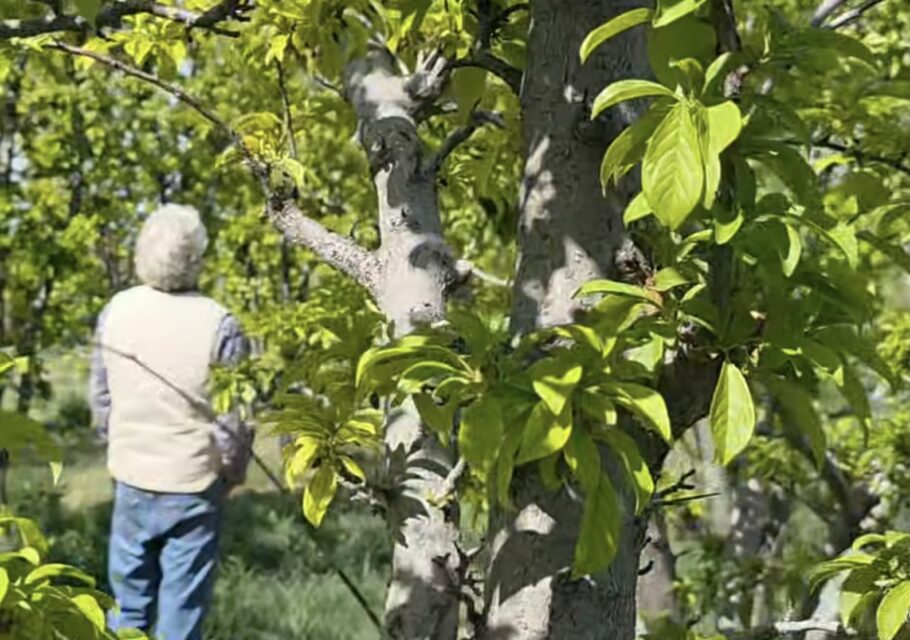
Unlike some plants that produce throughout the summer, orchard fruits don’t get a second chance. The trees blossom and fruit once a year, and if that cycle is interrupted, new buds don’t form. “Freak things happen occasionally, but we’re seeing more freak things,” Ela says. “We’re seeing bigger weather swings.”
Why it matters for Coloradans
The damage wasn’t isolated to Ela Family Farms. Growers across Delta County—including nearby Finding Quiet Farm—also reported total losses. Lower-elevation orchards in Mesa County saw only partial survival.
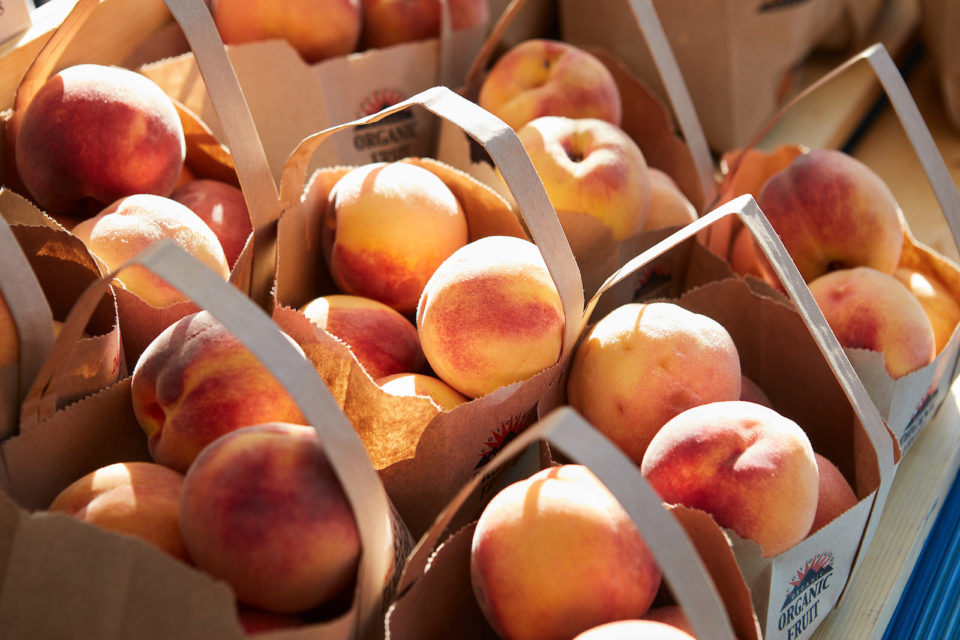
The result: Expect peaches and other orchard fruits to be scarce at Front Range farmers’ markets this summer.
Ela Family Farms usually supplies fruit and other products at seven Front Range farmers’ markets every year, but Ela and Choi now must reevaluate that commitment. “We hope to be there with a reduced presence,” Choi says. “But it costs money to staff the booths, and then there’s the price of gas [for the 700-mile round-trip].”
They showed up with rhubarb and preserves from last year’s crop at the May 2 debut of the Harvey Park Farmers’ Market, and they may pivot to selling fruit from some 8,000 heirloom tomato plants normally destined for wholesale.
The ripple effects
Crop insurance will cover about 30 percent of losses—enough to retain year-round staff—Ela says. But seasonal impacts are immediate. There will be no work for the H-2A agricultural guest workers who typically travel from Mexico for harvest. Packing houses, distributors, and other ag businesses will also take a hit. Ela thinks the damage could cost the industry up to $15 million this year in Delta County alone.
“We have fixed costs of tending to these trees even if there’s no fruit,” Ela says.
Still, community support has offered a rare bright spot. “The only cool thing is how many people have said ‘How can we help?’ ” Choi says. “It’s a big psychological boost.”