
The Local newsletter is your free, daily guide to life in Colorado. For locals, by locals.
As I stood before a bowl of muskrat mandibles in Ritualcravt, one of the Denver area’s biggest and hippest witchcraft stores, I stared with interest at the delicate rodent jaws, each with its 16 tiny white teeth still intact, artfully laid out in a pewter dish. But I couldn’t focus for long on them, or on the vintage wood curiosity cabinet with drawers containing neatly stacked armadillo toe bones, raccoon ribs, and needle-sharp urchin spines in glass vials. Although these objects were undeniably alluring, what really captivated me was the shop’s clientele.
On that Friday afternoon, the Wheat Ridge store was bustling. I spotted two Gen Z girls in a corner; one of them was scrolling TikTok while her friend looked at candles. A middle-aged man in a polo shirt browsed the book section, and an older Hispanic couple checked out the large selection of tinned herbal teas. In the back, one of the House Witches on staff, Zach, was mixing herbs in a jar, concocting the shop’s popular New Moon Oil blend.

Before visiting Ritualcravt, I’d imagined a stereotypical portrait of its customers—namely, white ladies in their 30s and 40s, with understated wrist tattoos and mostly black clothing. A few visitors fit that mold, but many more did not. Welcome to witchcraft in 2025.
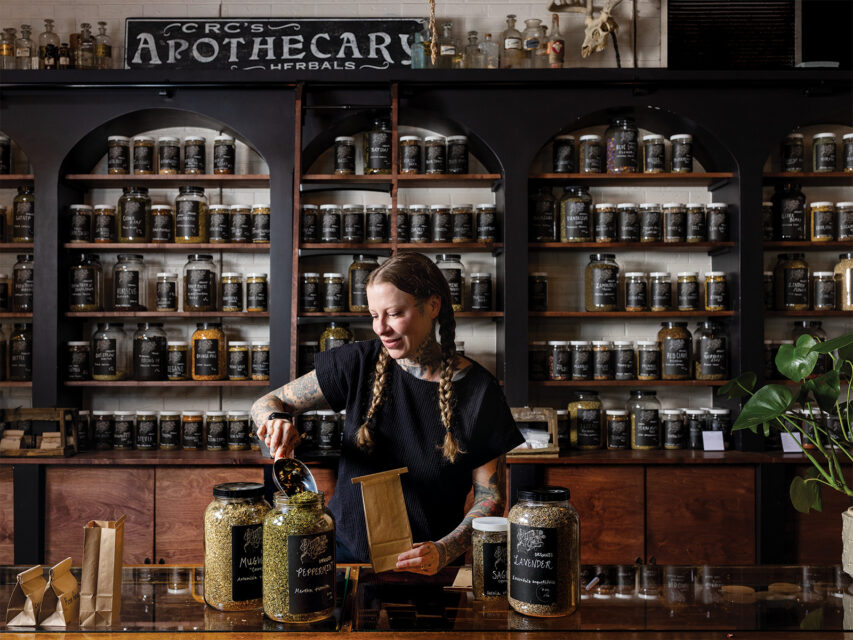
“For years and years, people have been telling me that this is a place where they feel safe,” says Missy Rhysing, who founded Ritualcravt in 2015. “We have a lot of people who come from marginalized communities. People will come here after a tragedy and just sit and light a candle.” Nothing and no one is weird or unwelcome in the witch community.
And it’s a large, vibrant group. In a 2023-’24 Pew survey of Americans’ religious beliefs, a little more than one percent of Coloradans checked the box for “pagan, Wiccan, or other New Age” faiths. That’s slightly higher than the number of Hindus or Muslims in the state. The statistic doesn’t include the surely far greater number who are what you might call witch-curious, dabbling in crystals or tarot. What’s going on?
“I think this has to do with the secularization of America,” says Ann Little, a history professor at Colorado State University who has studied witchcraft. “Many of the people now identifying as pagan or Wiccan grew up in families that were Protestant, Presbyterian, or from other Christian traditions. And then many of the younger people who weren’t necessarily raised with any faith—maybe they have a God-shaped hole in their hearts. Even mostly secular people can yearn for a connection to the divine.”
Pop culture likely has something to do with it too: If you grew up reading Harry Potter, watching Sabrina the Teenage Witch, or role-playing as a sorcerer in Dungeons and Dragons, witchcraft already seems familiar, if not downright nostalgic.
All the witchy types we spoke with for this story echoed the same point: Whether you’ve walked away from mainstream religion or never identified with it in the first place, whether you’re young or old, straight or gay or queer, geeky or artsy, there is a place for you in Denver’s thriving metaphysical community.
Jump Ahead:
- A History of Witch-Hunting in Colorado
- Witch Lingo
- The 10 Best Stores for Witchcraft Supplies in Denver and Beyond
- How To Get Started Using Crystals
- Why You Should Try Curanderismo
- How To Use an Altar
- Denver Witch Paddle
- Meet Catholic Witch Bree Davies
A History of Witch-Hunting in Colorado
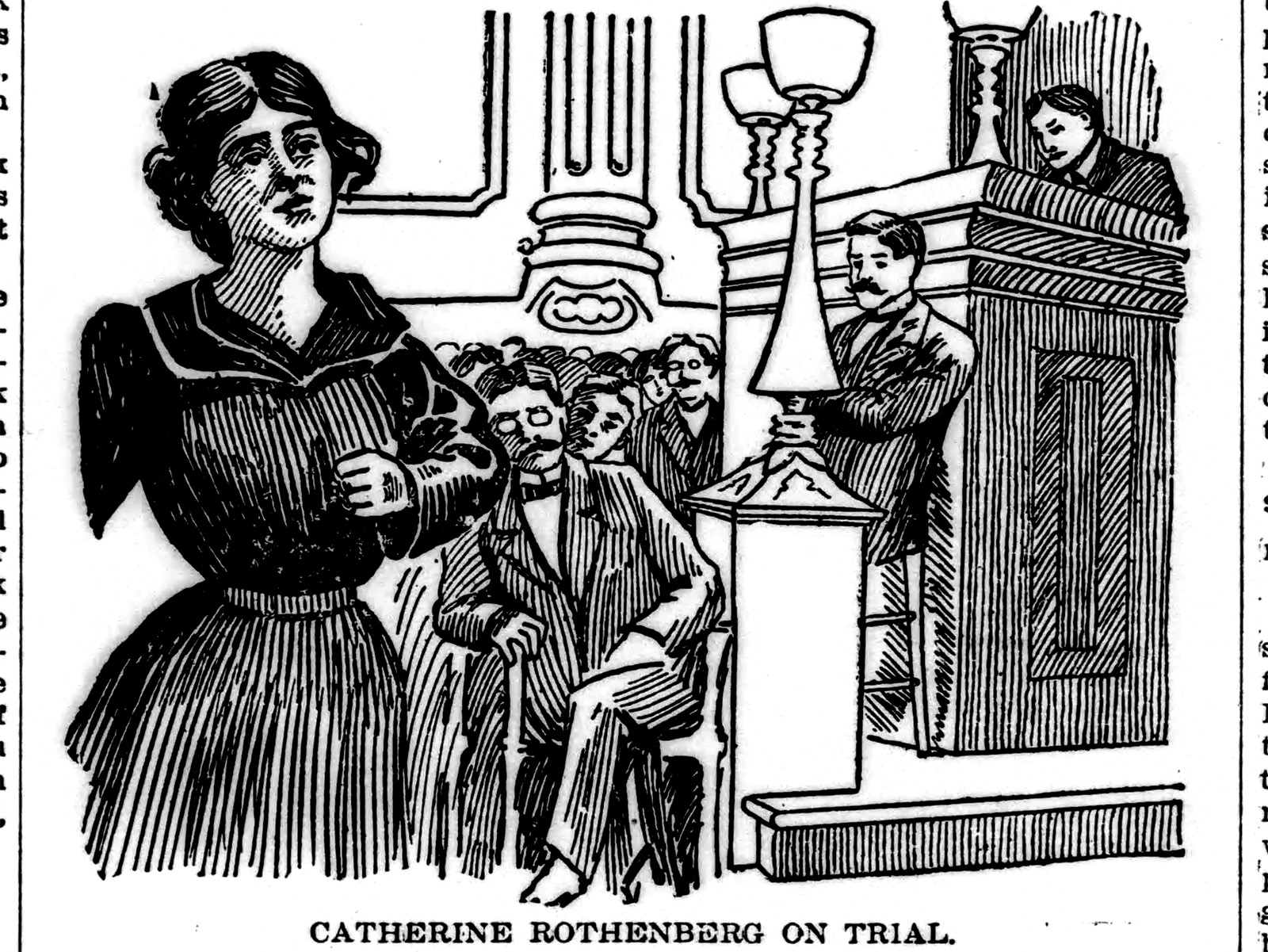
Roughly 100,000 people were prosecuted for witchcraft across Britain and the U.S. colonies from 1400 to 1775, and at least 40,000 were put to death. But by 1899, the year Catherine Rothenberg went to court in the mountain town of Leadville, witch trials were very rare in North America. A newspaper story posited that Rothenberg’s situation “caused many to wonder whether the town is not drifting back to the old witch-burning era of New England.”
The basic facts (as they were recorded in breathless articles at the time) are these: In the late 1800s, Rothenberg moved to Leadville with her child and husband. Spiritualism was trendy at the time, with small groups often gathering to try to communicate with the dead, and Rothenberg earned a reputation for being unusually good at seeing “beyond the veil.”
Twice, she helped a local man named Martin Roberts divine information about a mine that interested him, and he became convinced she was the real deal. But Roberts’ wife told Rothenberg she didn’t believe in her powers. “You don’t?” Rothenberg allegedly replied. “I’ll cripple your children, paralyze your husband, and bring you so that you shall beg your bread.” Shortly after, Roberts began suffering from migraines. He retaliated by breaking into Rothenberg’s home. Finding her in a rocking chair with her baby, he beat her nearly to death. She pressed charges, and Roberts’ attorney claimed the assault was justified because, well, she was an evil witch.
Invoking witchcraft in a courtroom in 1899 was indeed a throwback, says Colorado State University history professor Ann Little. But if a latter-day witch trial was going to happen anywhere, Leadville made sense. “At the time, Colorado was a new world, with a frontier sensibility,” Little says, pointing out that Leadville, the highest-altitude incorporated city in America, has a harsh climate and poor soil. Settlers who tried to plant gardens watched their crops fail, and witch trials “were all about the fear of the natural world,” Little says.
During the trial, Roberts’ attorney brought in witnesses who said they had seen Rothenberg rolling her eyes back in her head and shooting fire from them. Luckily for Rothenberg, the judge wasn’t impressed. He ruled in her favor and fined Roberts $30. She seems to have left town after her ordeal: Her gravestone still stands in Aurora’s Mount Nebo Cemetery.
Witch Lingo
- Aura: The energy field around a person, animal, or object. Aura photography is a trendy, contemporary form of witchcraft that uses various techniques, from body temperature to Instax film, to reveal a person’s essence.
- Besom: A witch’s broom, often used for cleaning and purifying the home. Make your own by tying branches around a stick with twine. (Birch twigs and a hazel handle are traditional, but experimentation is encouraged.)
- Coven: A group of witches. The place they gather may be called a covenstead.
- Curandero/a: The Spanish term for a folk healer, used widely across Latin America and the United States, as opposed to brujo/a (a witch). Some people may identify as both.
- Grimoire: A book of spells.
- Magick: The K is added to distinguish spell casting, divination, and the like from the kind of magic performed onstage with top hats and white rabbits.
- Pagan: First used in the fourth century, this term carries a wide range of meanings, but all pagans worship nature in some sense.
- Samhain: The Gaelic word for Halloween, which some witches might celebrate by hosting a “dumb supper” (a silent meal during which guests honor their ancestors).
- Scrying: Divining the future by gazing into a reflective surface, such as a crystal ball, cloud of smoke (turifumy), body of water (hydromancy), or—if you’re a truly modern witch—a smartphone screen.
- So Mote It Be: Translating to “So may it be,” this Middle English phrase is often spoken aloud at the end of a spell. It’s used by groups as diverse as Freemasons and neopagans.
- Wicca: The largest of the modern pagan traditions, this religion was popularized by British retiree Gerald Gardner, aka the father of modern witchcraft, in the 1950s and ’60s.
- Widdershins: Counterclockwise, as opposed to deosil or sunwise (clockwise). A witch might stir a cauldron widdershins to banish negative energy and deosil to draw in positive energy.
The 10 Best Stores for Witchcraft Supplies in Denver and Beyond
Ritualcravt
- Best for: New-school supplies
- Where: 7700 W. 44th Ave., Wheat Ridge
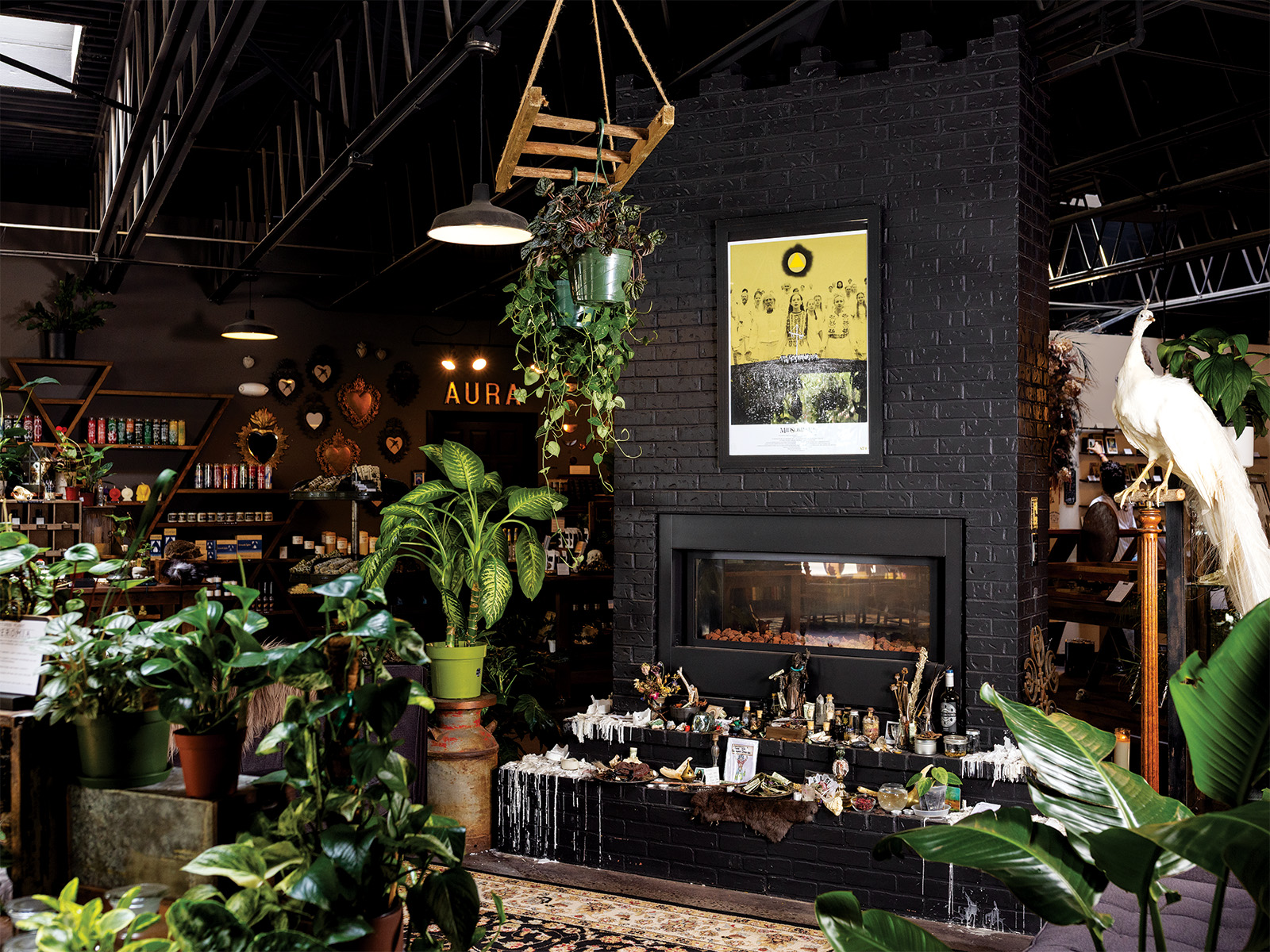
“UR MAGIC,” proclaims a mosaic heart inlaid in the brick facade outside Ritualcravt, a sprawling witch’s wonderland in Wheat Ridge. The 4,000-square-foot space teems with lush plants and antique cabinets painted black. The trendy, understated vibe here is equally welcoming to the patrons who stop by after visiting the tattoo shop next door as to the Catholic nuns who regularly come in for candles and prayer cards. Hundreds of herbal teas, essential oils, incense sticks, and other treasures are made in-house.
Herbs & Arts
- Best for: Old-school supplies
- Where:2015 E. Colfax Ave., Denver (City Park West)
Keeping East Colfax Avenue witchy since 1993, Herbs & Arts boasts a vast selection of bulk dried herbs, more than 600 jars of which are neatly stacked on purple shelves. You can also sniff more than a hundred essential oils (from Flames of Passion, which promises to boost libido, to more quotidian blends like Arthritis Relief). Prepared according to the phases of the moon, the items are blessed on an altar in the back before being sold. Sign up for a Witchcraft Basics class or mingle during a bimonthly Witches Hour.
That Witch Apothecary
- Best for: Candles
- Where:472 N. Broadway, Denver (Speer)
Hand-poured, 100-hour soy wax candles are the stars at That Witch, a small shop that offers a range of vegan items. Bestsellers include the Full Moon scent (with notes of sea salt, plum, and eucalyptus) and Deep Forest (sage and oak moss). The apothecary is located inside the Speer neighborhood’s Chroma Denver, a co-op with more than 20 local artisans’ goods.
The Terrorium Shop
- Best for: Taxidermy
- Where:4416 Yates St., Denver (Berkeley)
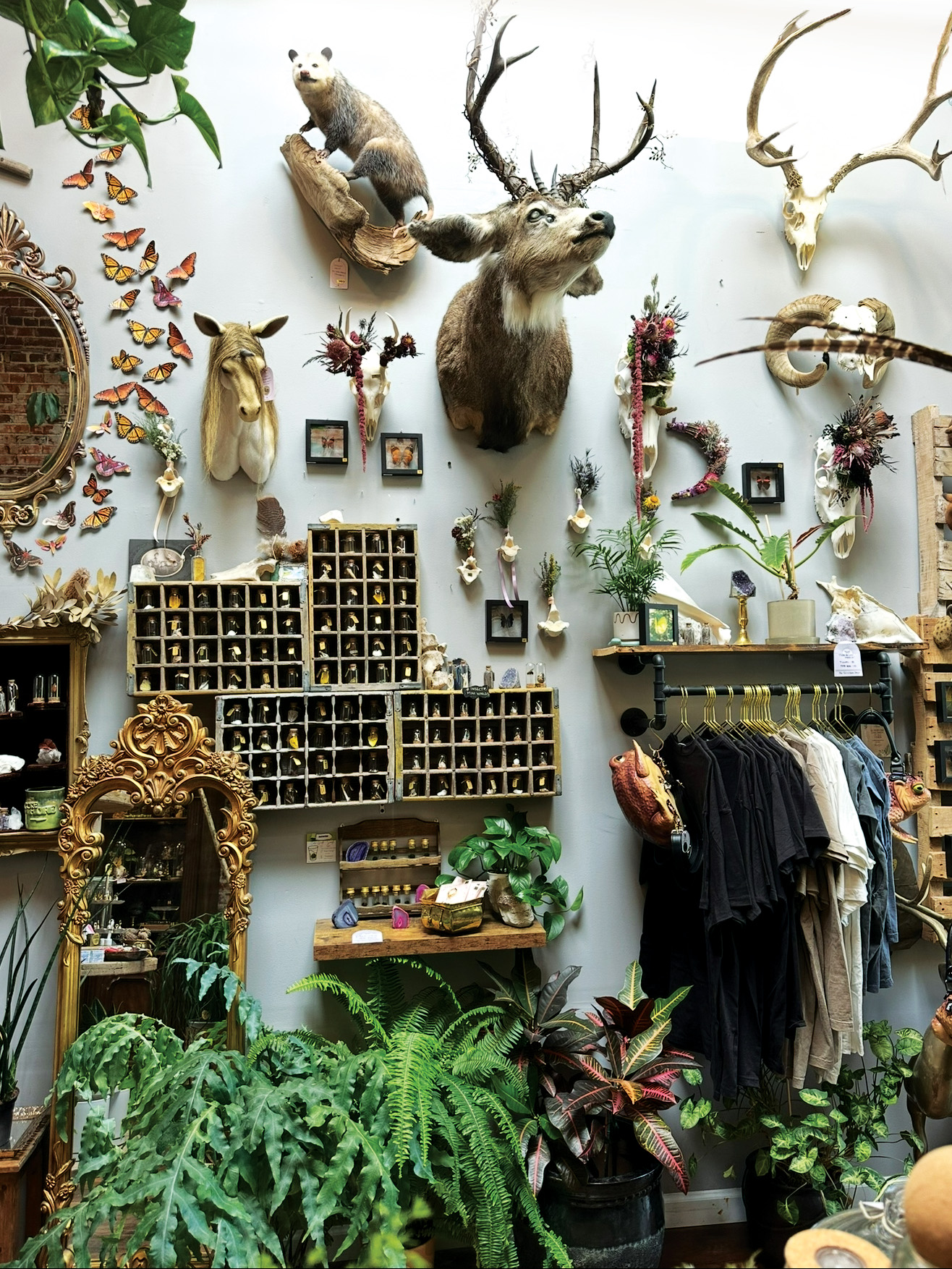
If you’ve ever wanted to make a jackalope (a mythical creature with the body of a rabbit and the horns of an antelope), learn the art of floral preservation, or create a fairy terrarium, Berkeley’s Terrorium is the place to be. Where else could you take a workshop on “spider coffin mini-worlds,” complete with preserved spiders, moss, and crystals? Husband-and-wife team Ian Johnson, a taxidermist, and Amber Hage-Ali, a gardener and collector of natural items, pool their expertise to sell finished terrariums, crystals, sustainably collected insects and bones, and goth-meets-cottagecore jewelry.
The Healing Stone
- Best for: Crystals
- Where: 8286 Northfield Blvd., Denver (Central Park); 12061 Pennsylvania St., Thornton
The large selection of crystals, gems, beaded dreamcatchers, handmade jewelry, and other shiny delights at the Healing Stone has proven so popular that the shop expanded in August from its Central Park storefront to a second location in Thornton. Bring a book and sip a cup of freshly brewed herbal tea in one of the peaceful Zen rooms, or follow the shop on social media so you can snag one of its popular $99 mystery bags, each of which contains at least $125 in assorted gems and crystals.
Shining Lotus Metaphysical Bookstore
- Best for: Books
- Where: 2553 S. Colorado Blvd., Denver (University Park)
Shamanism, Wicca, Asatru, Golden Dawn, Freemasons, Magick, Alchemy, Mysticism, Sadhguru, Sai Baba, Prosperity & Abundance, Astrology, Tarot & Divination, Dreams, Channeling, Angels: Those are about a third of the topics covered in the mind-bending selection of reading material at 53-year-old Shining Lotus in University Park. The sunny, airy space also has tarot readers, astrologists, or intuitive mediums available for drop-ins almost every day from 10 a.m. to 6 p.m.
SpiritWays
- Best for: Readings
- Where: 3301 E. Colfax Ave., Denver (City Park)
A bright blue-and-yellow sign welcomes visitors to SpiritWays, whose practitioners have been gazing into the future on East Colfax Avenue since 1997. Whether you have 15 minutes or 90 to spare, $33 or $300 to spend, or an interest in tarot, astrology, or sound healing, there is something for you here. Many classes are free, such as How to Make Magical Ink, and it doesn’t cost a thing to admire the stacks of taper candles in rainbow hues or the hand-blown glass orbs that sparkle in the window.
Goddess Isis Books & Gifts
- Best for: One-stop shopping
- Where: 2775 S. Broadway, Englewood
This expansive Englewood shop has a little (er, a lot) of everything. Start with the wide range of DIY kits, such as Candle Magic for Beginners, the Basic Herbal Sampler, and the amusingly named Get the S* Out Spell Set (“We won’t tell if you use it against your least favorite politician,” notes the product description). Drop in during recurring events such as the Saturday Night Séance ($45) or the Psychic Fair, where you can partake in a 20-minute psychic reading for $25.
The Retro
- Best for: Open-minded Christians
- Where: 12420 W. 54th Drive, Arvada
This west Arvada store is firmly Catholic, rather than metaphysical. But two witches we spoke with named it as a favorite place to find candles, prayer cards, and other spiritual goods—and it’s not hard to see why. The Retro bills itself as located at “the intersection of Church Lady and Skate Punk” and welcomes “trad” as well as “fallen-away” Catholics. Here, you can buy a heavy silver crucifix, a gorgeous set of rosary beads, or a skateboard adorned with the Virgin Mary. With its slightly Gothic decor, the space also feels refreshingly more masculine than most religious shops.
Terra Apothecary
- Best for: Aromatherapy
- Where: 1452 S. Broadway, Denver (Platt Park)
Tucked between a costume shop and a tea house along South Broadway, Terra Apothecary has a clean, modern aesthetic, lightly witchy vibes, and a huge variety of essential oils and herbs. One recent workshop combined a matcha ceremony and a tarot reading. You’ll also find a thorough selection of local honey from Björn’s Colorado Honey, based in Boulder, and hot sauces from Denver’s Sauce Leopard.
How To Get Started Using Crystals
Whether you believe in their powers or just think they’re pretty, crystals (and gems, rocks, and other minerals) offer an approachable entrée to the witching world. We asked McLean Confer, who teaches an Intro to Crystals class at Ritualcravt, how to begin.
1. Start simple.
Clear quartz is one of the most widely available and adaptable crystals. It’s associated with clarity and focus, as well as filtering out negative energy. Branch out with rose quartz for self-love or citrine for joy. Colorado witches may enjoy calming aquamarine, our state gemstone, and rhodochrosite, our official mineral, which is said to help with letting go.
2. Find a use that works for you.
Some people arrange crystals on an altar, while others carry small stones tucked in a pocket. Jewelry counts too: A ring or necklace made of black tourmaline, Confer says, might provide a “protective bubble” in difficult situations. If you struggle with insomnia, try slipping selenite under your pillow.
3. Cleanse and charge.
The basic concept is that stones pick up energy or vibrations around them. Cleansing removes that energy, while charging imbues the crystals with new life. “I like to suggest cleansing in a bowl of salt, because not all crystals can handle being in water or the sun,” she says. Then, to charge the crystal, simply hold it in your hand and state your desire. Avoid putting any stone that ends in -ite—selenite, malachite, labradorite—into water, which can cause copper to leech from some of them.
Read More: I Tried Crystal Healing for Stress. Here’s What Happened
Why You Should Try Curanderismo
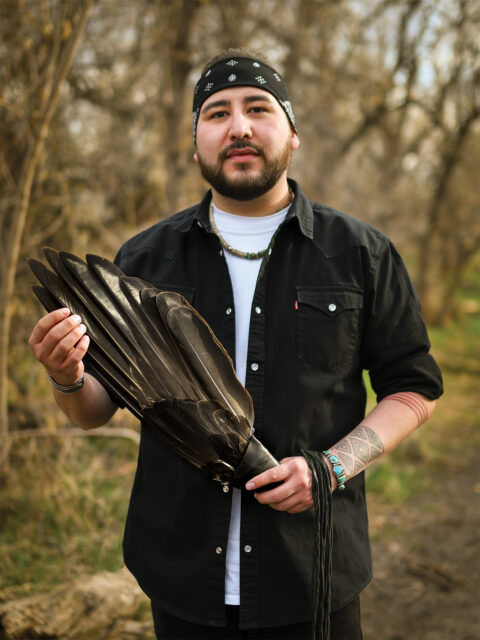
When Samuel Nez was growing up on a Navajo reservation in New Mexico’s northwest corner and someone in the family fell ill, he knew his mother or grandmother would soon bring out an egg. “The limpia con huevo [cleansing with an egg] was a normal practice in our household,” he says, adding that to remove bad spirits, “you rub the egg along the entirety of the body, starting with the head. At the end you can crack it and read it in a form of divination. I didn’t know this was curanderismo [folk healing]. It was just what we did.”
His blended Navajo and Indigenous Mexican-American family also attended Catholic church. A rebellious kid, Nez didn’t embrace his spiritual side until his late teens, when folk medicine helped him overcome depression. Now 32 and living in Lakewood, he runs a four-year-old healing company, Black Mesa Remedios, with his mother, Lisa Martinez. They sell their salves, teas, and other goods online, at pop-up events, and at local shops.
We asked Nez about his winding path to a career in curanderismo.
Editor’s note: The following conversation has been edited for length and clarity.
5280: What is curanderismo?
Samuel Nez: It’s a folk healing practice with a lot of Indigenous influences, as well as Catholic influences. I practice a blend of Navajo traditions, from my father’s side, and Mexican and mestizo from my mother’s side. There are many ways to practice. Some people work with herbs, while I focus on body work. I’m a trained massage therapist and body worker. Curanderismo is distinct from brujería, or witchcraft, though they’re under the same umbrella. Brujería can be darker, with curses. We don’t use those.
Is there a significance to the obsidian you use and sell?
It’s often referred to as the stone of truth. It can reflect things not seen in the physical world and can remove a lot of negativity. We use massage tools made of obsidian, or you might want to carry it with you for protection.
What other natural materials are important to you?
On my mestizo side, we refer to ourselves as the people of corn. It’s a symbol of growth and evolution—just as corn grows, so do we as people. Some people perform limpias with an ear of corn instead of an egg. I love the blue corn mask because it makes the skin feel so soft.
I also work a lot with silver; I make silver jewelry and I do beadwork, which comes from my Navajo side. I make ghost beads [to provide protection from evil spirits] with natural stones.
You teach workshops and provide training in folk healing. How can people from other cultural or ethnic backgrounds engage respectfully?
There’s a place for everybody, and there are always commonalities to be found across cultures. But there is such a thing as closed practices, which are only available to Indigenous people. Anyone can take our classes, but if you ask to learn about something and the answer is no, it’s OK. Just keep looking, and explore your own ancestry too.
How To Use an Altar
Altars—places to pray, make offerings, or perform rituals—persist across cultures and historical eras. (In the Bible, Noah constructed one after the flood.) Here’s how to carry on the tradition of everyone from the ancient Greeks, Romans, Maya, and Inca to modern-day Christians, Buddhists, Hindus, Muslims, and, yes, pagans and Wiccans.
1. Find the right spot.
It need not be large: the top of a dresser or mantelpiece, part of a bookshelf. Kitchen altars are common, especially if you plan to incorporate herbs and spices. Choose somewhere peaceful you can comfortably sit, stand, or kneel. If you’re tight on space, try a small, mobile tray.
2. Embrace the senses.
Add scents with candles, oils, or incense. Incorporate sound with a bell or singing bowl, and explore textures via a living or dried plant, a jagged quartz crystal, or a smooth string of beads.
3. Honor your ancestors.
In many cultures (think: Mexico and its Día de Los Muertos tradition), altars incorporate memories of departed loved ones. At Ritualcravt, Missy Rhysing and her team have expanded that concept to include tributes to creative and artistic inspirations: On a recent visit, we spotted a photo of filmmaker David Lynch next to some sage bundles.
4. Build a daily practice.
Maybe you sit quietly at your altar as you drink your morning coffee or meditate there for 10 minutes before bed. If you want to get really witchy, follow the lunar calendar and leave offerings on your altar before a full moon.
Denver Witch Paddle
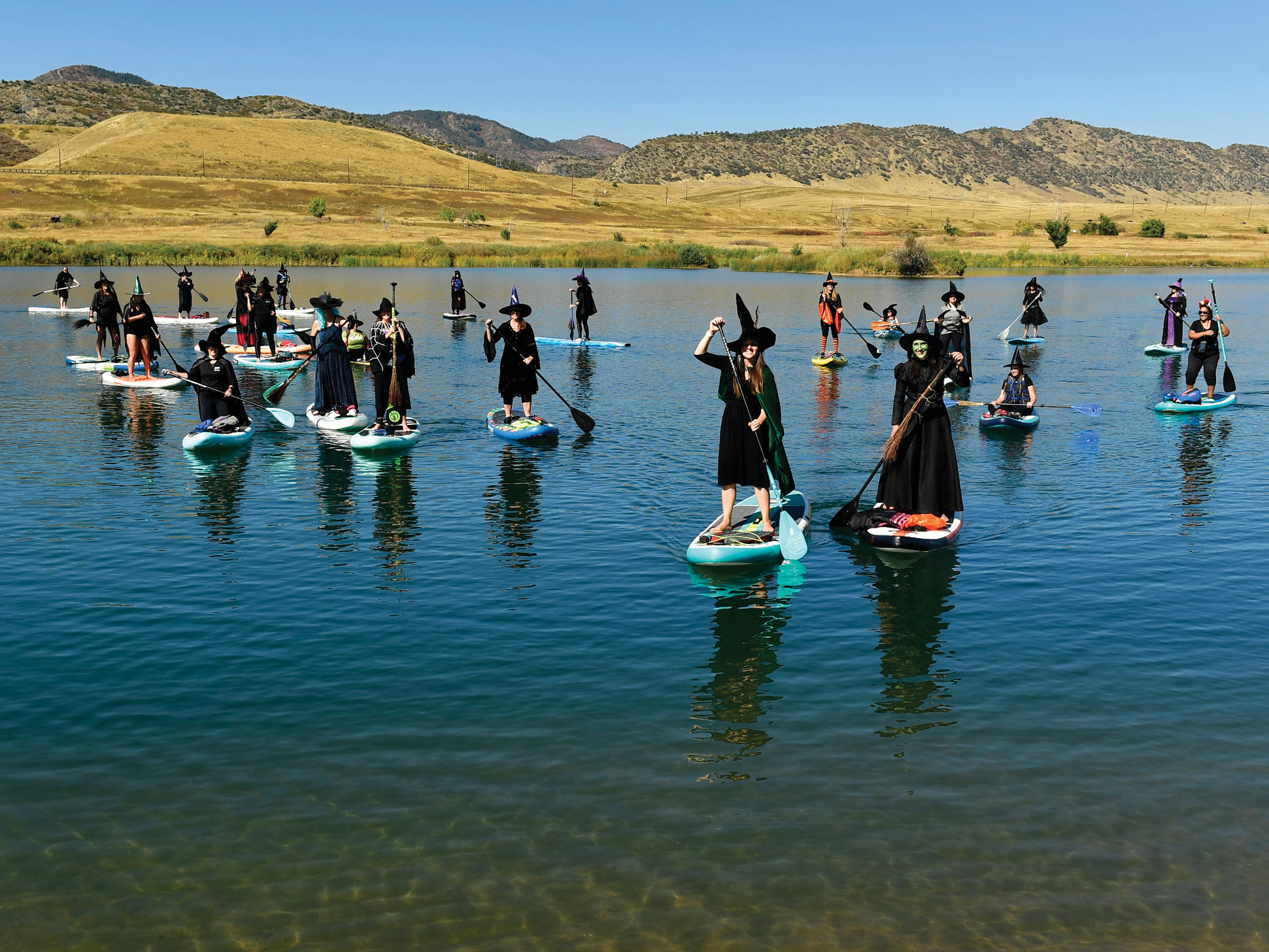
At 9 a.m. on a clear 65-degree morning last October, more than 300 people dressed as stereotypical storybook witches climbed onto stand-up paddleboards and simultaneously launched into the still waters of Chatfield Reservoir, just south of Littleton. Pointy black hats glinted in the sun, and tulle skirts, many in metallic shades of purple and green, were flecked with droplets of water from vigorous paddle strokes.
“It is a sight to see,” says Anna Marie Madai, the founder and organizer of Denver Witch Paddle. “People bring dry ice, they strap skeletons to their boards, and one girl put a bubble machine in a cauldron. It’s pure fun.” About a hundred spectators watched from the shore, where food trucks, oracle readers and other vendors, and friends bearing hot cups of coffee were waiting.
Madai, who works as a craniosacral therapist and creative director when she’s not wearing her conical hat, organized Denver’s first witch paddle on a whim in 2020, after hearing about similar events in Oregon and Massachusetts. “I posted it on Facebook a week before, and 80 people showed up,” she says. “Then we created the event for the next year, and 14,000 people said they were interested. A park ranger at Chatfield sent me a message and said, ‘You’re gonna need permits and insurance.’ ”
Madai jumped through those hoops, and she also worked with Chatfield State Park to figure out a safety plan. “Witch Paddle isn’t for the faint of heart,” she says. “We don’t know what Colorado weather will do.” In 2021, high winds picked up as the witches launched. “It literally looked like witches on broomsticks, because everybody flew in the same direction on the water.” Life jackets are required, though they’re easily concealed under voluminous witches’ capes.
This year’s event, set for October 18, promises to have a festive vibe, with a new board decorating contest and more vendors. The number of paddlers (who must register and pay a $50 fee) is capped at 400 for safety reasons, while spectating is unlimited and free, aside from the park’s entry fee. Participants take home a surprise goodie bag of locally made items. (This year’s contents are top secret, but pagan prayer cards were a hit in the past.)
Smaller witch paddles have taken place in Colorado Springs, Grand Junction, and Frisco, though the Denver edition is by far the state’s biggest. While the event has grown more than Madai ever imagined, she says its inclusive spirit hasn’t changed. A sizable contingent of practicing Wiccans and pagans attend, but most participants are only witches for the day. The core concept is simple: Dress up, go for a paddle, and make some friends. Madai describes the sense of community as “unveiled,” meaning it lacks artifice. “Come as you are,” she says, “and we will welcome you.”
Gear for Witches
The Wild & Sacred Feminine Deck
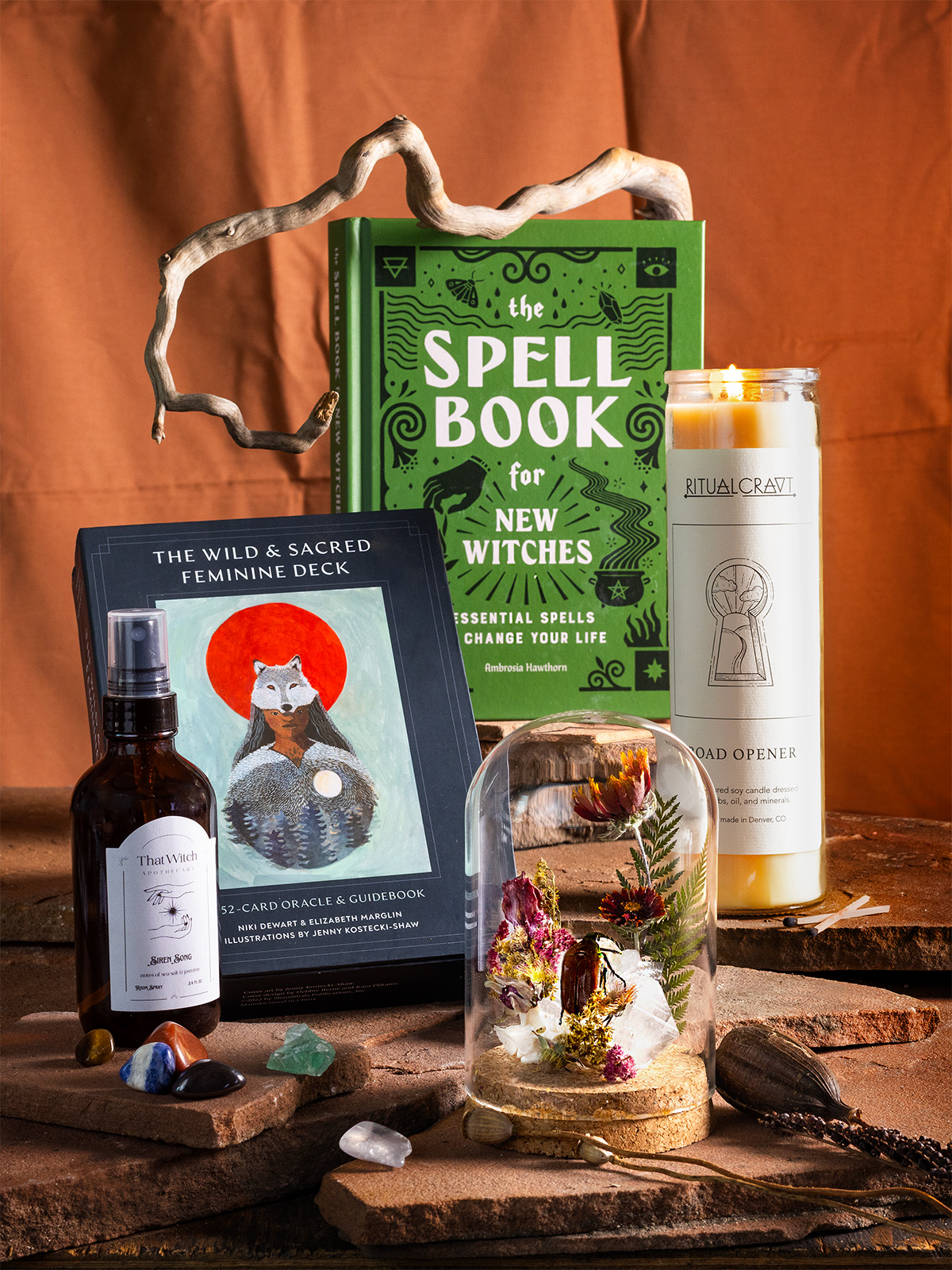
Dive into oracle reading with this beautiful deck and guide from Colorado authors Niki Dewart and Elizabeth Marglin, with art by Jenny Kostecki-Shaw. The 52 cards depict figures from across cultural traditions, from Artemis, the Greek goddess of the hunt, to Ixchel, a Mayan goddess of the moon. $35
The Spell Book For New Witches: Essential Spells To Change Your Life
This stylish green book is an indispensable guide for baby witches, as beginners are affectionately called. The contents include simple, step-by-step instructions for 130 spells. Witches with day jobs will appreciate the Workplace Peace spell, while anyone suffering from fatigue will be pepped up by the Energizing Spell, which involves burning dried ginger and cinnamon in a cauldron. We found our copy at Shining Lotus. $17
House-Made Dressed Candle
These candles are among the bestselling items at Ritualcravt, and for good reason: All 14 varieties smell and look amazing. Each is topped with herbs and crystals selected by Ritualcravt’s House Witches, who pour them by hand. The label includes space to write your heart’s desire. Light the Luck candle before a job interview, or burn Banish to get over a breakup. $25 for 16 ounces
Miniworld Terrarium
There’s no telling what you’ll find inside the ever-changing, one-of-a-kind globes that dot the Terrorium Shop’s shelves. That’s because co-owner Amber Hage-Ali fills them with a hodgepodge of preserved insects, crystals, bones, dried flowers, and other items she finds in Colorado’s forests and fields. From $35
Planetary Energy Stone Kit
Open a velvet pouch to find 10 smooth, tumbled stones and a guide to their uses. One of many kits at Goddess Isis Books & Gifts, it includes old favorites (rose quartz, amethyst) as well as less common stones such as sodalite. $30
Room Spray
A perfect gift for college-age witches residing in dorm rooms where candles are verboten, That Witch Apothecary’s sprays hit the sweet spot between ephemeral and overpowering. Wear them on your wrist as a fragrance or spritz one over your altar. We’re fond of the Cottagecore (peony and peach) and Siren Song (sea salt and jasmine). $18
Meet Catholic Witch Bree Davies

Atop a well-worn chest of drawers that sits on the back porch turned laundry room turned office of our tiny west Denver bungalow, I’ve carved out a small space for my collection of trinkets and talismans. These sacred items rotate; currently there’s a gleaming selenite wand resting next to a vintage spice jar with my maternal grandmother’s handwriting on it, a scattering of guitar picks, a rosary made by my paternal grandma, and an Aquarian tarot deck given to me by a dear friend. I’m a Catholic witch, and this is my altar.
Growing up, I spent nine years in a Denver Catholic school, and I really liked it. I loved the smell of frankincense and myrrh as the priest swung the thurible down the aisle, and I looked forward to Ash Wednesday. Though my parents weren’t religious, they could see that Catholic school suited me, and I often went to church on Sundays with my grandparents.
After my confirmation, my aunt took me to a place of apparitions (a site of supernatural visions that often involve the Blessed Mother) in Denver. We talked about spirituality—which sounded similar to what I understood the Holy Spirit to be—and she gave me a peek into her practice, which blended the religion she was raised in with her own rituals and practices. It wasn’t until I was almost 30 and had moved into a communal home known as the Witch House that I began to understand that I, too, had been a Catholic witch all along.
A low-key, single-story house hidden beneath a blanket of vines on a busy street in Barnum, the Witch House was more than your run-of-the-mill roommate housing situation. It was a soft place to land for friends newly out of long-term relationships, a transitory but safe space for folks getting back on their feet, and, for many of us, a setting for honing our crafts as writers, musicians, artists, dancers, and teachers.
It probably goes without saying, but the Witch House, like most of my adult life, was very queer and very radical. I no longer belonged to a Catholic parish, because I couldn’t condone a global religious power that has harmed whole cultures and communities of people for centuries (my own Irish ancestors, for example), has failed to protect children from abuse, and continues to exclude queer people. That’s stuff they don’t teach you about in Catholic school.
But the Witch House gave me a community. Living in a home full of altars, I was guided by my fellow witches through full-moon rituals, crystal charging and cleansing, spell casting, energetic communication, and tea ceremonies. I was offered homemade fire cider when flu season came around and administered an herbal blend of raspberry leaf, ginger, and crampbark to treat symptoms from my period (or moon, as my herbalist witches gently called it). It was structurally a house, but it was also a sacred, spiritual, tender, and ethereal portal.
I live in my own home now with my husband and son, but I still carry on many of the rituals I learned both from my time in Catholic school and from the Witch House. I still attend Mass once in a while, particularly during Lent and mostly as a meditation. My practice is more solitary these days. But I am filled with gratitude for all the witches I met along the way who didn’t dismiss my traditional religious experience, instead helping me understand that Catholic witches can and do exist—and I’m one of them. —Bree Davies