



The Local newsletter is your free, daily guide to life in Colorado. For locals, by locals.
December 30 is typically lost in the haze between Christmas and New Year’s, but in 2024, the day delivered something to remember: 43 live births to Denver County residents, which made it the most popular date for babies to be born here.
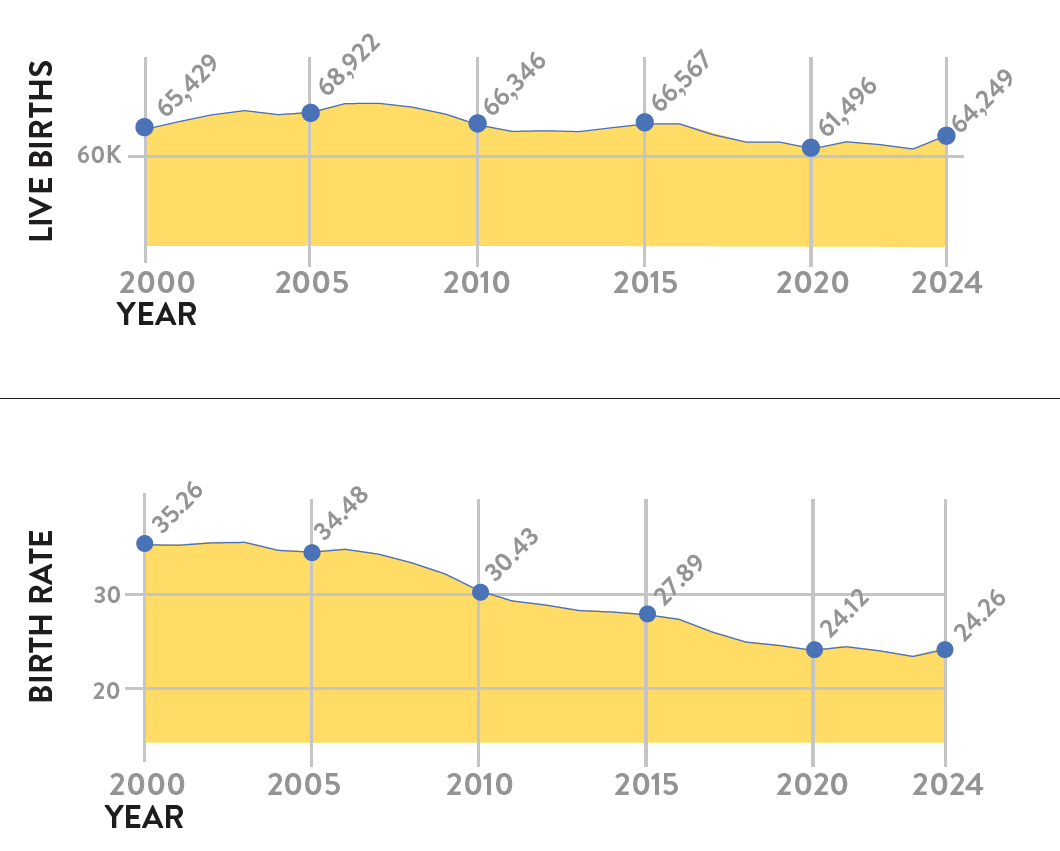
As miraculous as these births were, the mini boom last December obscured a larger trend: Colorado’s crude birth rate (defined as the number of live births per 1,000 women) has dropped sharply since its peak in the mid-2000s. In 2004, for example, that number was 34.67. By 2014, it had fallen to 28.16. And in 2024? Just 24.26.

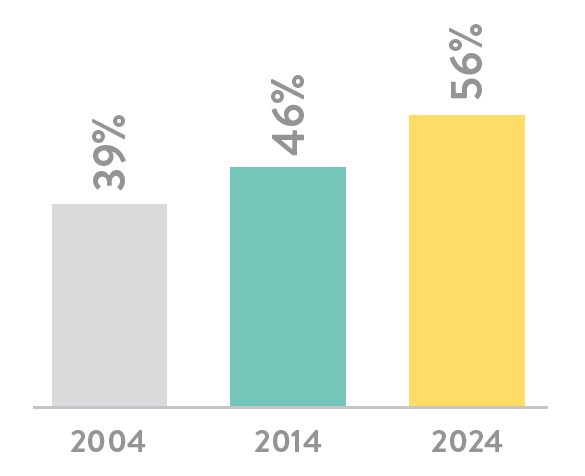
This pattern isn’t unique to Colorado. “We’re seeing it nationally and globally,” says state demographer Kate Watkins. The decline is primarily driven by women delaying childbirth until later in life. In Colorado, 56 percent of babies last year were born to women older than 30, compared to just 39 percent in 2004. Women are also having fewer children overall. Increased use of contraceptives, especially among teens, also plays a role, Watkins adds. (Between 2001 and 2023, the state’s teen birth rate dropped more than 76 percent, according to federal data.)
As for why women are having kids later (if they have them at all)? Well, turns out children cost money—an ever-increasing amount of it. A 2025 study by LendingTree estimated that it costs $297,674 to raise a child from birth to age 18 in the United States—a 25 percent increase from the company’s 2023 estimate ($237,482). The study cited the rising costs of daycare, health insurance premiums, and food as the biggest contributors to the rise.
In Colorado, it takes approximately $28,922 each year to raise a child, making us the 10th most expensive state for childrearing. “There’s also the interplay with housing affordability, where not only has it become more costly to raise a child, but relatedly, homeownership is more expensive, so it’s a little harder to do both for many,” Watkins says.
Watkins also says that some would-be parents are prioritizing work and travel over building a family. Some adults are worried about the “state of the world,” Watkins says, a notion backed by a 2024 Pew Research Center survey.
Another key point from Colorado’s 2024 birth data: The top five counties with the lowest birth rates—Ouray, Rio Blanco, San Miguel, Pitkin, and Las Animas—are all on the Western Slope.
Watkins says this is partly explained by the fact that some of these places, such as Ouray and Pitkin, are expensive resort communities that primarily house older populations. In Las Animas, people in their 20s and 30s are moving out while an influx of Baby Boomers are moving in. Rio Blanco is transitioning away from the coal industry. San Miguel’s outdoor recreation attracts a lot of young adults—who often leave before having children.
The causes are different, but the result is the same: “If you look at the age composition, there are more older adults beyond their childbearing years and fewer younger adult populations that might be having children,” Watkins says.
2024 Colorado Birth Rate Data
In an era of declining birth rates, we dug into the data to better understand Colorado’s newest natives.
Live Births and Birth Rate in Colorado
Colorado Counties With the Lowest Birth Rates
- San Juan: 8.53
- Ouray: 11.99
- Rio Blanco: 12.68
- San Miguel: 12.91
- Mineral: 13.65
Percentage of Colorado Babies Born to Mothers 30 and Over
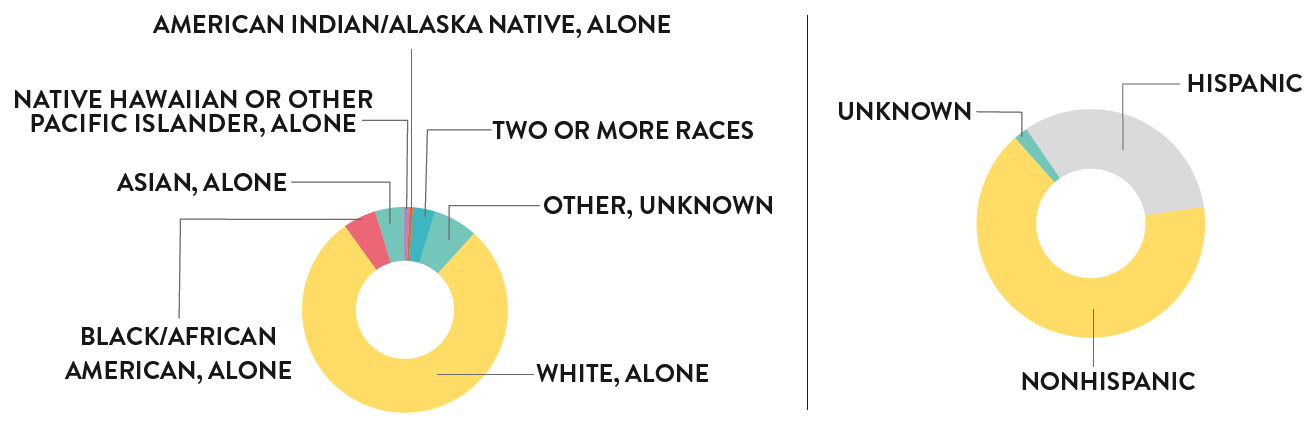
Maternal Race in Colorado
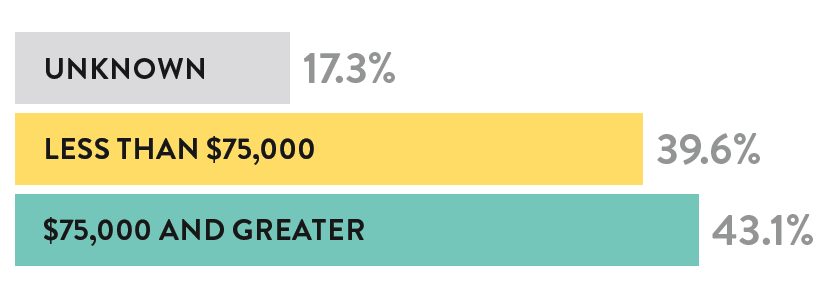
Income of Coloradans Having Babies
Colorado Birth Rate Fun Facts
- December 25th: The least popular day to have a baby in both Colorado and Denver.
- 0.04%: The percentage of Colorado births in 2024 that resulted in triplets.