

The Local newsletter is your free, daily guide to life in Colorado. For locals, by locals.
Olive oil’s much-talked-about health benefits are largely the reason its popularity skyrocketed over the past 50 years. Dubbed “liquid gold” and heralded by super athletes (including Kílian Jornet, who glugged straight from the bottle to fuel his recent human-powered trek across all of Colorado’s fourteeners), olive oil is believed to decrease inflammation, lower heart disease risk, and reduce morbidity.
And—this just in—Coloradans care about their health. There’s plenty of anecdotal evidence to support this, just look at the way we thrive on Type II fun, our friends’ habit of buying organic edibles, and your office’s unspoken dress code, which is eerily similar to the REI homepage.

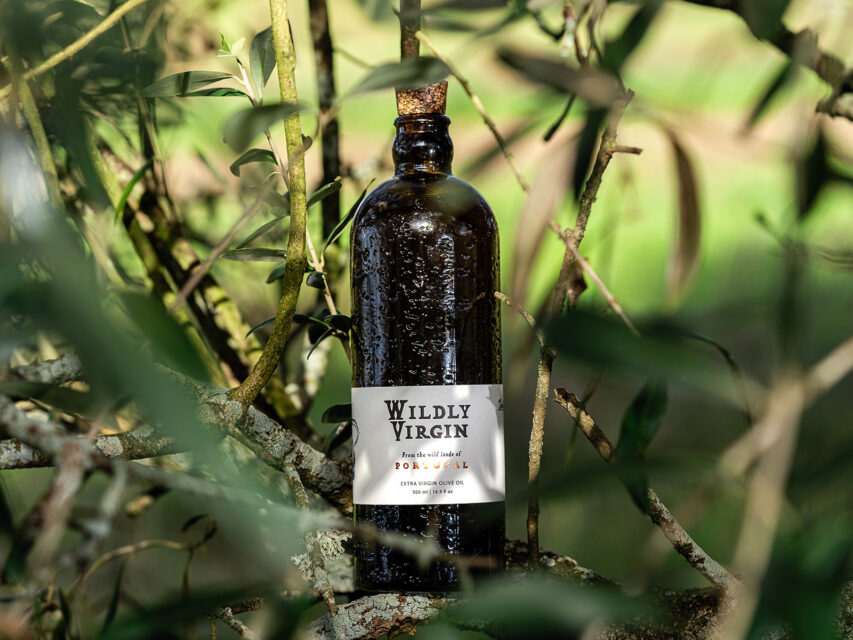
The thing about olive oils, however: Not all are created equal. To get the full health benefits (housed in phytonutrients called polyphenols), not to mention the full flavor, Coloradans need to buy the good stuff. If a gold medal from the New York International Olive Oil Competition (NYIOOC) is any indication, Boulder-based Wildly Virgin is indeed the good stuff. “It’s as pure as olive oil gets,” cofounder Riley Gibson says. “It’s single origin from a single producer from a single farm.”
That’s impressive, especially for a company that just last month celebrated its first anniversary. “We feel like olive oil is where wine was maybe 30 or 40 years ago,” adds fellow founder Nader Akhnoukh, who points to the way even more casual wine drinkers often have a favorite type or preferred region. “We’re starting to see that same trend with olive oil—and we want to be a part of that movement.”
Akhnoukh and Gibson first met in Boulder where they were employees one and 10 (or close to it) at tech start-up Kapost. When the company was acquired, they went separate ways—both professionally to new tech companies and geographically, with Akhnoukh moving to Portugal. They kept in touch, chatting through new business ideas and, occasionally, sharing book recommendations. One such suggestion, Extra Virginity: The Sublime and Scandalous World of Olive Oil, sent both men down rabbit holes to newfound inspiration.
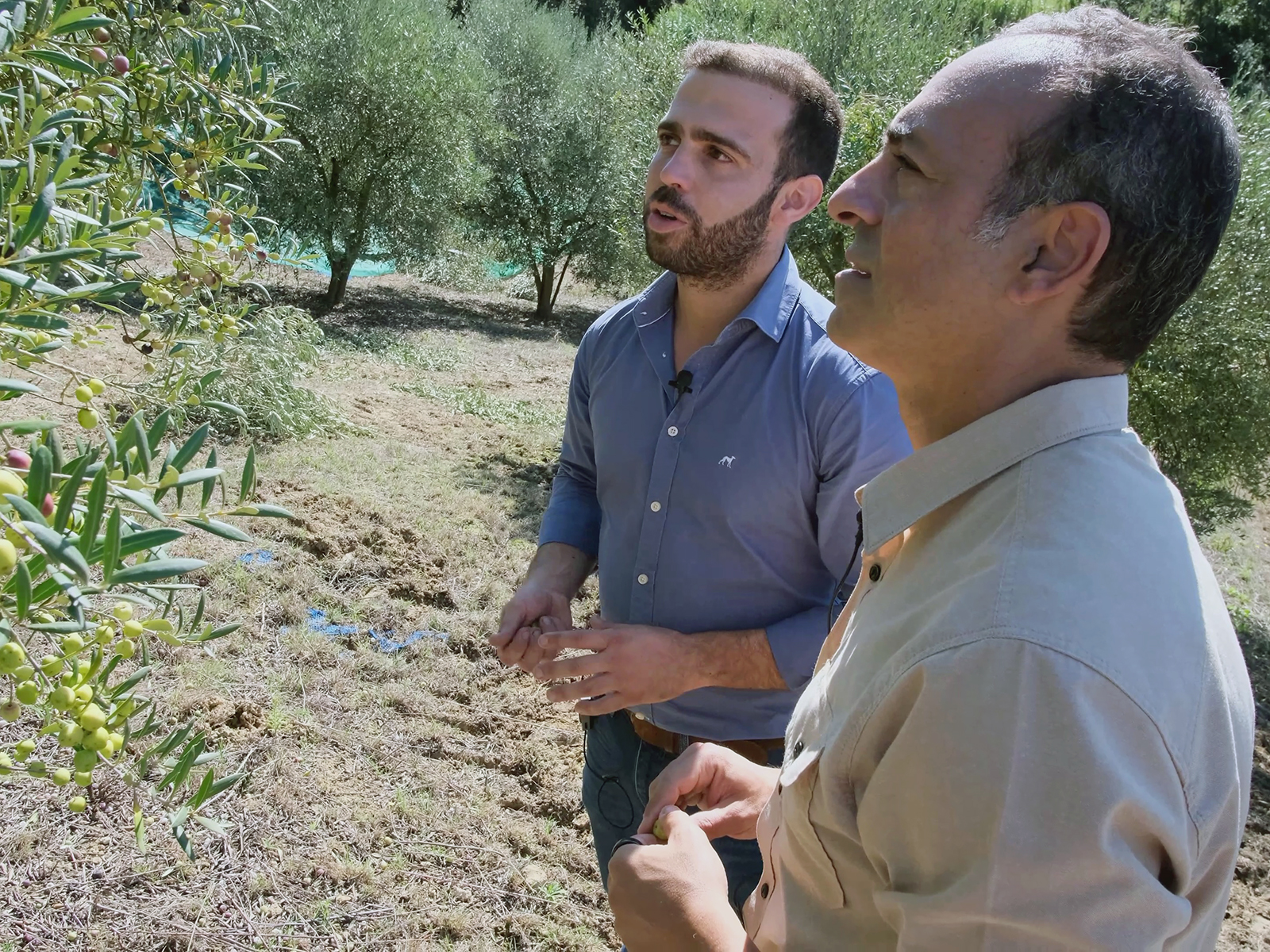
The New York Times bestseller, and scores of articles published in its wake, explores the corporatization of olive oil industries, especially those in Italy, Greece, and Spain. There are plenty of truly nefarious acts—immigrant exploitation, money laundering, fraud—and, mostly, quality-control issues stemming from commercialization.
Large corporations have driven many smaller, family-run farms out of business. They use heavy machinery to harvest olive varietals at peak ripeness, when the olives are plumpest (though less flavorful), for bigger, but lower quality, yields. The olives are then shipped to processing plants, where fruit from different farms and, in some cases, totally different oils like pomace or rapeseed, are blended in. The practices aren’t necessarily illegal, and the resulting product isn’t dangerous, it’s just not as pure and healthful as it could be. “For so long, olive oil has just been a commodity, a grocery store staple,” Gibson says. “You don’t really know what’s in it, but you don’t really care.”
That’s beginning to change. A 2022 study from peer-reviewed journal Foods reported 67 percent of olive oil consumers “claimed to understand the importance of the protected designation of origin.” Articles from America’s Test Kitchen and the New York Times to those issued in Vogue and even Hello! tell us which brands to buy and why the oil is good for us. “There is a moment happening,” Gibson says, “of people wanting to know exactly what’s in the bottle.”
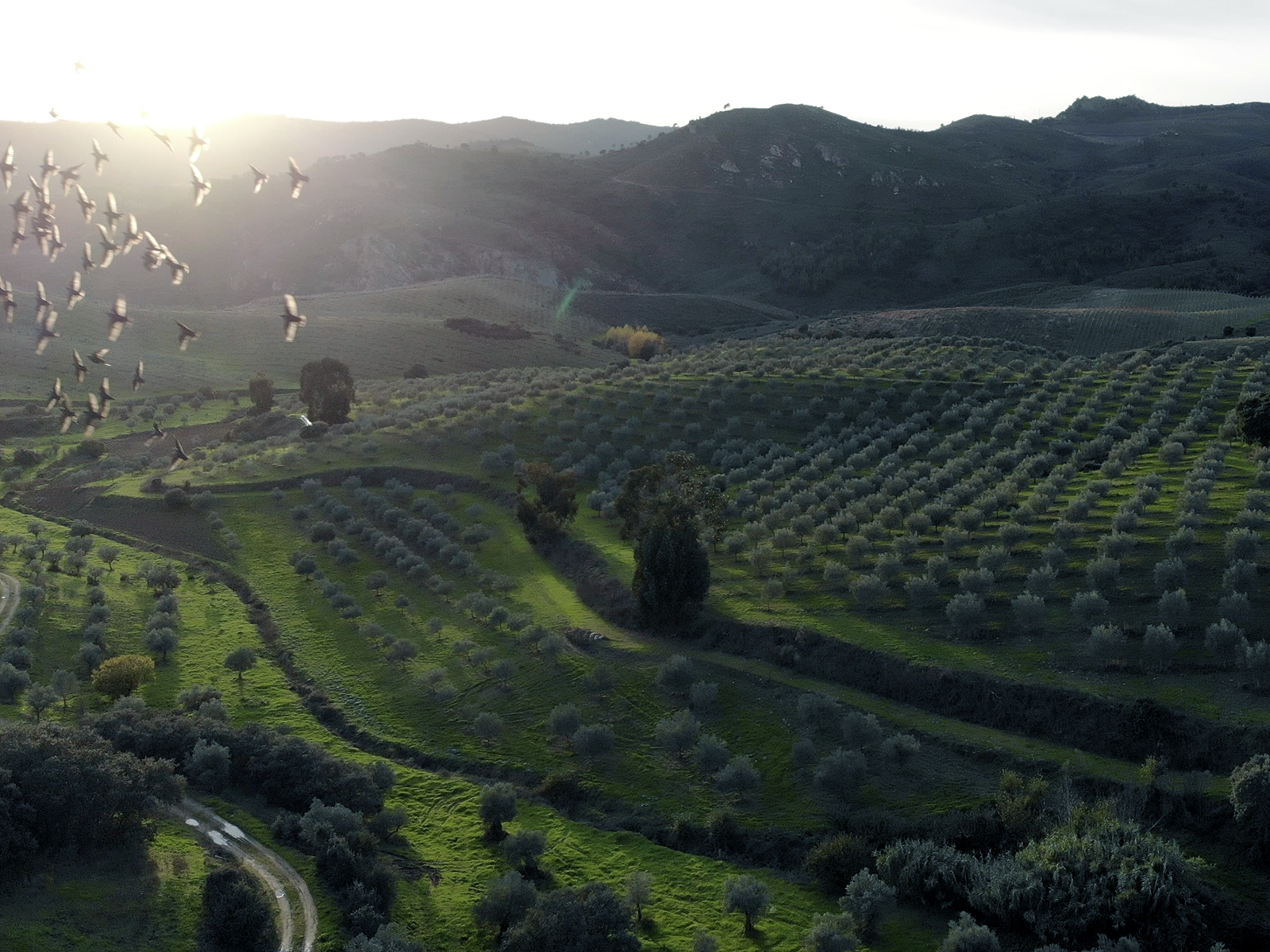
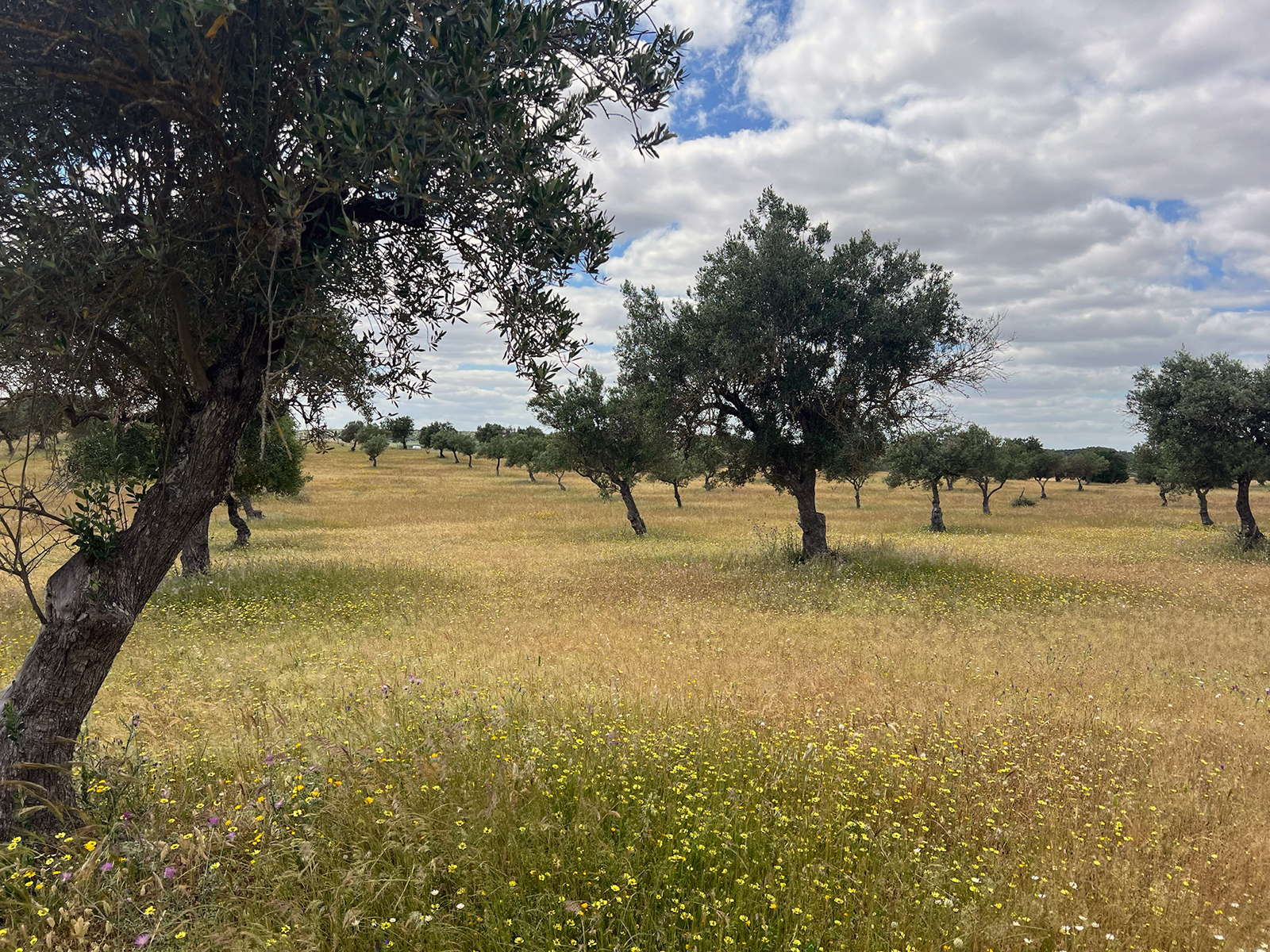
And in Akhnoukh’s adopted home country, people do. Portugal, it turns out, has a rich olive oil culture dating back centuries. There, production largely remains a family affair with multiple generations still owning and operating smaller farms. They continue to plant a wider range of olive species, including native and heirloom varietals that are more finicky but more flavorful, across diverse, taste-boosting “terroirs.” Harvests (often done by hand or using a gently vibrating rake) occur earlier in the growing season, when the fruits have more complex flavor profiles and more healthy polyphenols—despite lower yields.
As Akhnoukh sampled more of Portugal’s bounty, he began to meet different producers and fully “geek out” on olive oil. “That was the seed of the idea,” he says. “With Wildly Virgin, we wanted to bring this amazing olive oil to the U.S. and help to both educate people about what really great olive oil can taste like and put Portugal on the olive oil map.”
Of course, transitioning from the tech world to the food industry was a bit jarring. Iteration is much harder when there’s just one harvest per year. Plus, each crop is different, depending on temperatures, precipitation levels, and countless other nuances. Planning is essential, but it’s also incredibly difficult. “When we started, this was kind of an experiment,” Akhnoukh admits, noting they weren’t sure if people cared enough about olive oil to spend $40 to $70 on a bottle.
They shouldn’t have worried. “The reception has been really great,” Akhnoukh says.
That’s a bit of an understatement. In just its first year, Wildly Virgin has been named best small-batch olive oil by Yahoo! Life, dubbed a best olive oil for gifting by recipe hub the Spruce Eats, and ranked among the top 100 olive oils in the world. And of course, its Cobrançosa varietal (called Joaquim’s Reserve) took home first-place honors at the NYIOOC.
Gibson says that it’s also been fun to have his young kids not only understand what he does now but enjoy being a part of (and sampling) it. His daughter likes the Verde, plus a dash of salt, drizzled over her vanilla ice cream. So, too, did attendees of the prestigious Food & Wine Classic in Aspen. “Everybody at that event is producing something really interesting and amazing,” Akhnoukh says, “but there were a number of people who said that was the best bite of the whole weekend.”
As Wildly Virgin enters year two, Akhnoukh and Gibson plan to largely stay the course. They’re in conversations with Portuguese olive oil producers, both those they’ve partnered with before and new ones, including a woman whose fruit comes from 2,000-year-old trees. They’re also busy with the bottling process for the 2026 vintages and continue to explore potential new retail partners, namely those that share their passion for nutrition and quality.
“People are becoming more aware that not all olive oil is created equal,” Gibson says. “To get the health benefits, to get the flavor, you have to be much more aware of what you’re buying. We want to be that premium small-batch brand that can be a gateway into this world.”
4 Wildly Virgin Olive Oil Varietals To Try Now
Doce
- Price: $38
- Profile: “It’s really smooth and buttery,” Akhnoukh says, perfect for use in cooking or baking.
Forte
- Price: $38
- Profile: Forte earns its name with a bold, peppery flavor, which makes it a great addition to grilled meats and roasted veggies.
Verde
- Price: $40
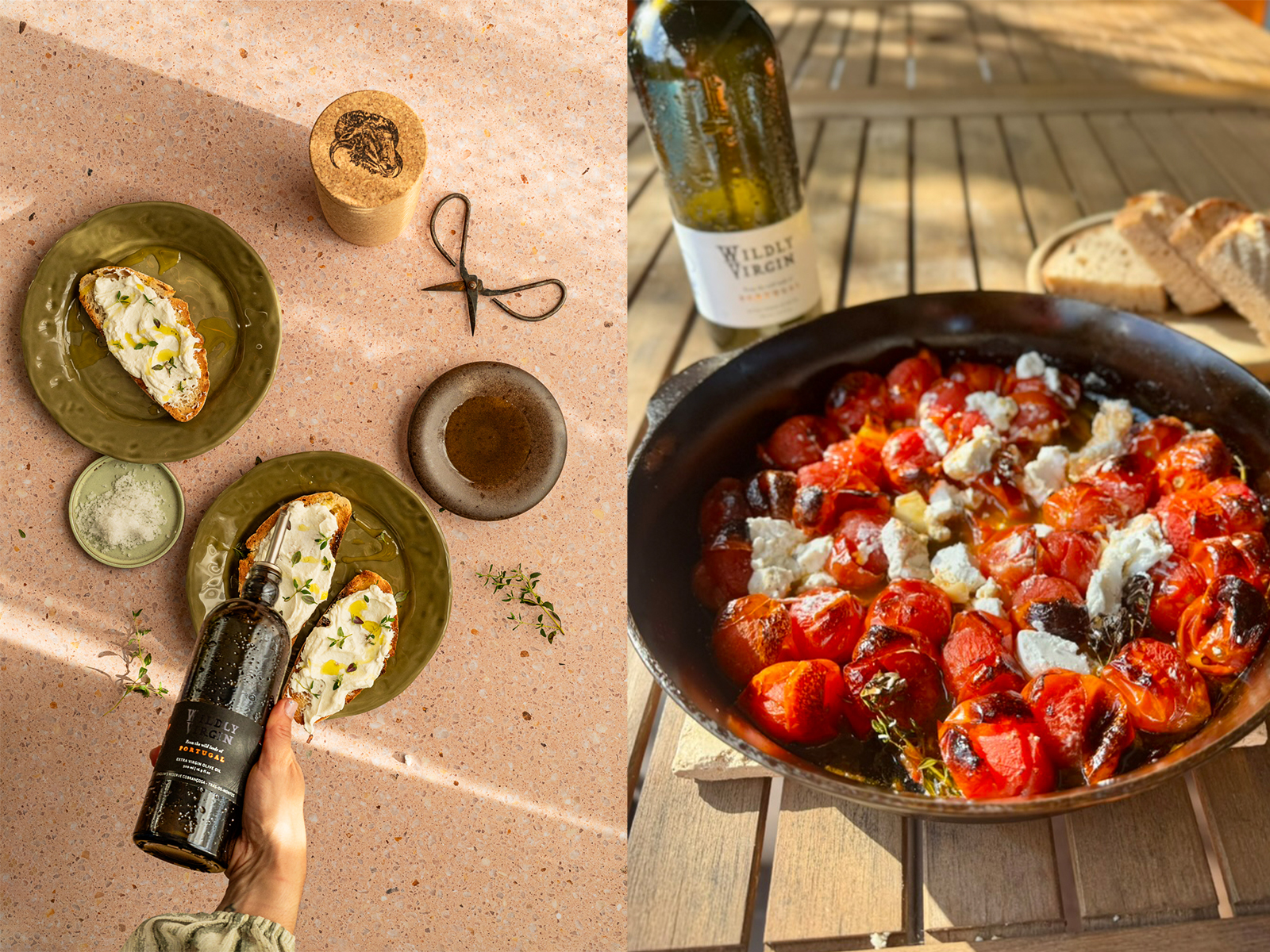
- Profile: This oil promises a balanced yet herbaceous flavor, which works well as a finishing touch to a fresh bowl of pasta. Because it’s the highest in polyphenols of the Wildly Virgin lineup, sip it straight for a boost.
Joaquim’s Reserve
- Price: $67
- Profile: This NYIOOC Gold Medal winner is nutty, herbaceous, and complex. Savor it solo or on something simple like a crusty loaf—or vanilla ice cream.