

The Local newsletter is your free, daily guide to life in Colorado. For locals, by locals.
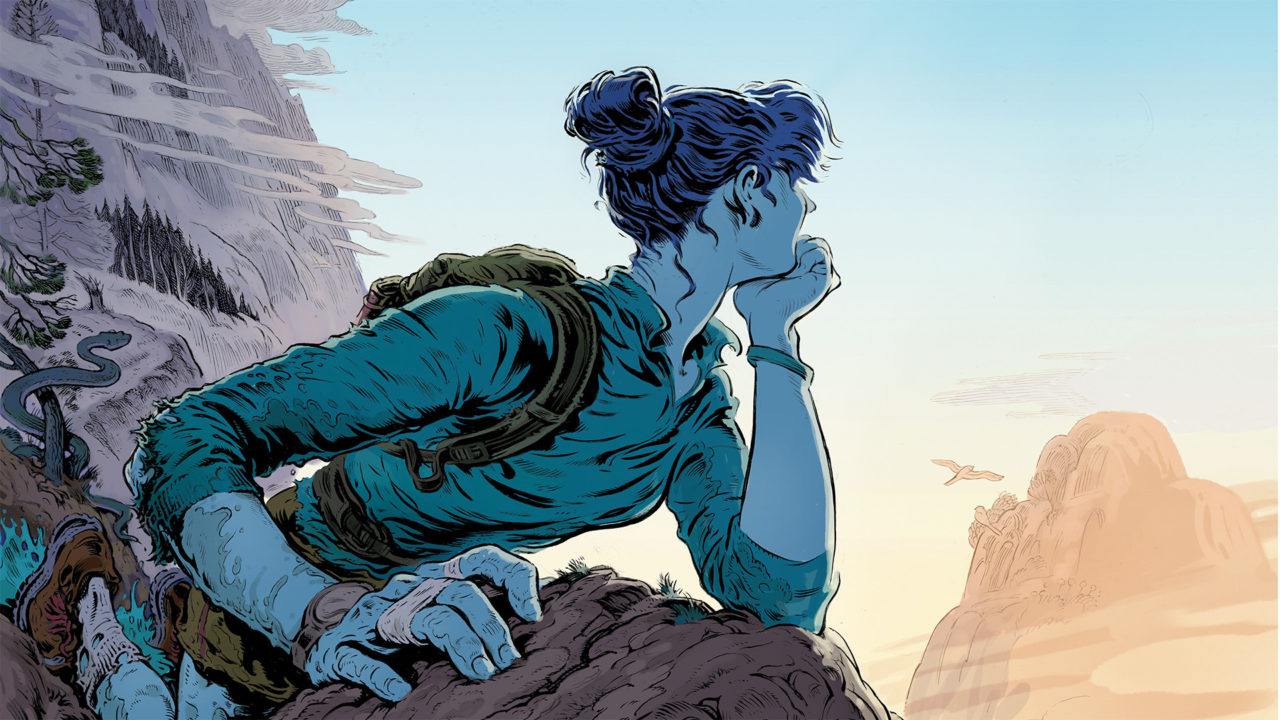
There’s a steep, one-mile section of the Sneffels Traverse—a 29.4-mile, five-day hut-to-hut trek that begins at 10,676-foot Last Dollar Pass near Telluride—that had absolutely no sympathy for me. It smirked at my hot tears and laughed at my burning lungs. My aching shoulder was not its concern either. I hated the trail’s long, belabored switchbacks and could’ve sworn the dirt path was exerting an unusually strong gravitational pull on my 30-pound pack. I was miserable.
Many years later, though, I have to dive deep into my mental reservoir to recall how I actually felt on the brutal ascent, because what I remember most from that short section of the Sneffels Traverse isn’t the 900 feet of elevation gain. Instead, my brain skips right over the physical torture and returns to the summit of Wilson Peak, where my eyes feasted on a majestic view of 14,155-foot Mt. Sneffels while I scarfed the most delicious salami and cheese I’d ever tasted.

There are several terms that describe this phenomenon, including selective memory and the halo effect, a cognitive bias in which a positive impression overrides a negative one, leaving behind a rose-colored glow. No matter what you call it, the point is that the human brain is a wacky yet powerful thing capable of not only diminishing the way we remember discomfort but also simultaneously using the distorted recollection to convince us that we can, in fact, do very hard things.
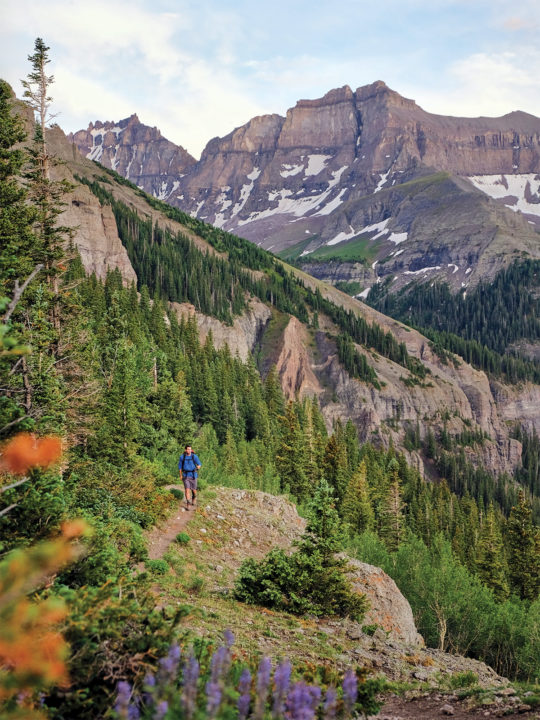
Judging by the number of people climbing 14,000-foot peaks, plying long-distance hiking trails, running ultramarathons, and cycling over mountain passes in the summer as well as backcountry skiing, cross-country skiing, and ice climbing in the winter, Coloradans seem to have particularly short memories when it comes to pain. That, or they have come to understand the benefits of so-called Type II Fun, one of three categories of merriment described in 1985 by Rainer Newberry, a mountaineer and geology professor at the University of Alaska Fairbanks who created the Fun Scale.
While Newberry didn’t necessarily intend for the Fun Scale—which essentially analyzes the fun-to-pain ratio—to be applied to outdoor escapades, the terminology and definitions he outlined have been widely adopted by recreationists, including here in Colorado, where opportunities for Type II Fun abound. Let us show you how and why—and where to begin your adventure.
Jump Ahead:
- Glossary
- Beginner’s Guide to Type II Fun
- When Type II Fun Turns Into Type III Fun
- Where To Have Type II Fun in Colorado, Ranked
- What’s Fun About Type II Fun, According to the Experts
- The Benefits of Type II Fun
- Case Study: Running an Ultramarathon
- Longing for Longs
Type II Fun Glossary
Rainer Newberry never published his Fun Scale—or even wrote it down—but others have done it for him over the years, including Boulder’s Matt Samet, the author of 2011’s Climbing Dictionary: Mountaineering Slang, Terms, Neologisms & Lingo.
Samet says he first heard of the Fun Scale in the early 2000s, and by the time he began writing his reference book, the terminology had become widely used. To include it in his pages, he enlisted help from well-known Estes Park climber Kelly Cordes, who heard about the Fun Scale from Peter Haeussler, a geologist who’d gotten it directly from the source during a 1993 scouting trip in southeast Alaska.
Below, our interpretation of Newberry’s Fun Scale, tweaked for Colorado.
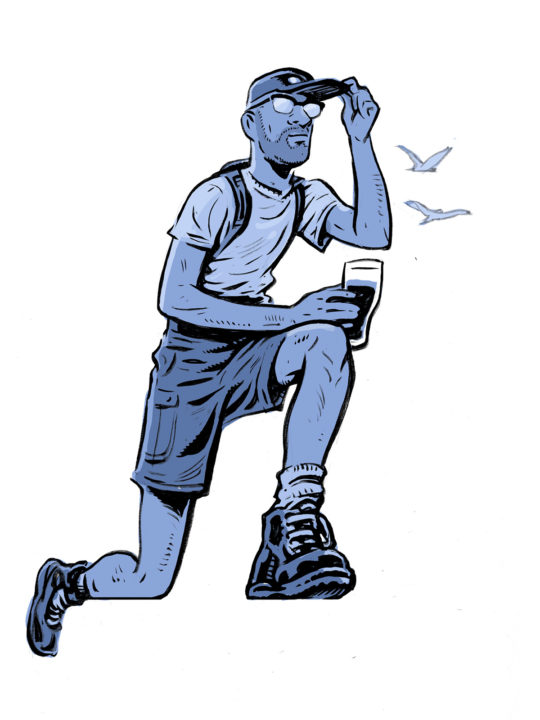
- Type I Fun: Easy-breezy, truly enjoyable activities that are delightful when they’re actually happening
- Try it: Drinking craft brews on Denver Beer Co.’s sunny LoHi patio, knee-deep powder skiing at Vail, a zero-elevation-gain wildflower hike in Crested Butte
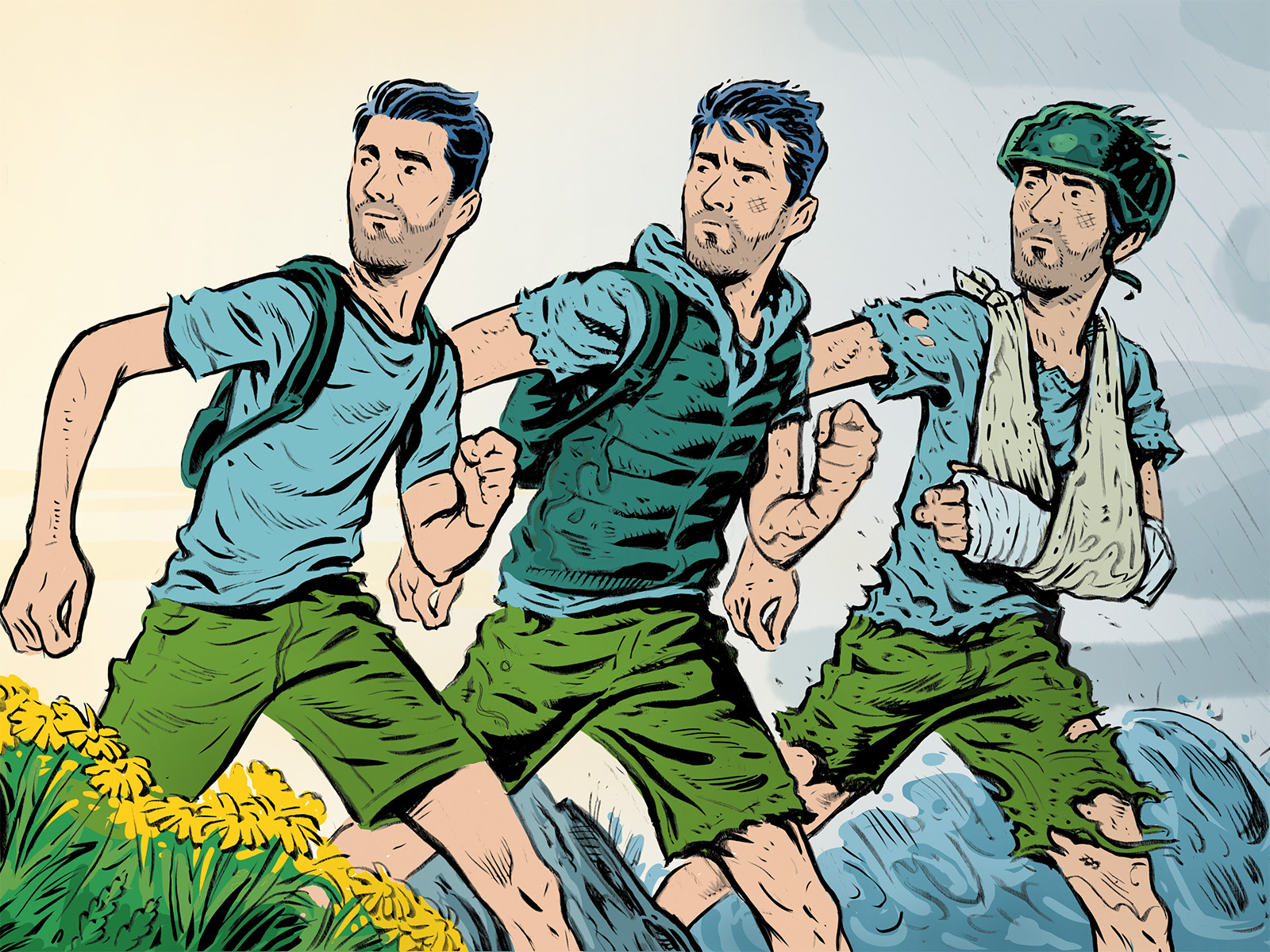
- Type II Fun: Physically and mentally challenging pursuits that are typically much more fun in retrospect, like when you tell the story at the bar three weeks later
- Try it: Climbing one of Colorado’s 54 fourteeners, hiking the 160-mile Collegiate Peaks Loop, alpine touring in the San Juans
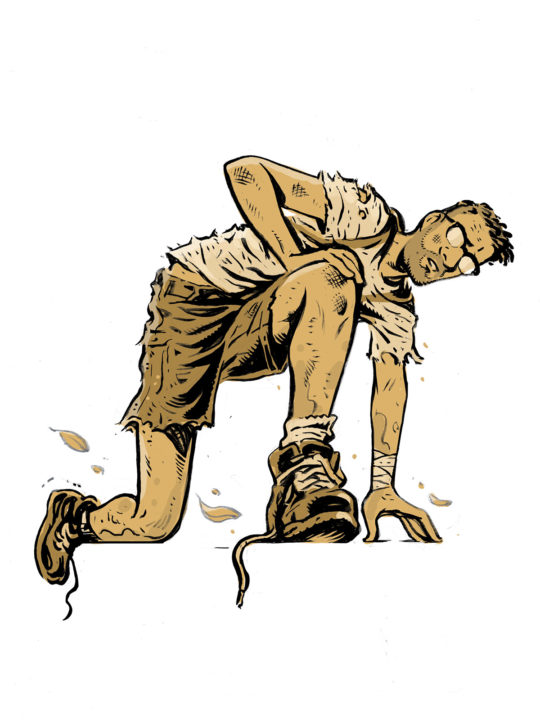
- Type III Fun: Endeavors that usually start out as Type II Fun, but because of circumstances—a bad fall, a wrong turn—morph into scenarios that are not fun while they’re happening and never become fun in hindsight
- Try it: Don’t
Beginner’s Guide to Type II Fun
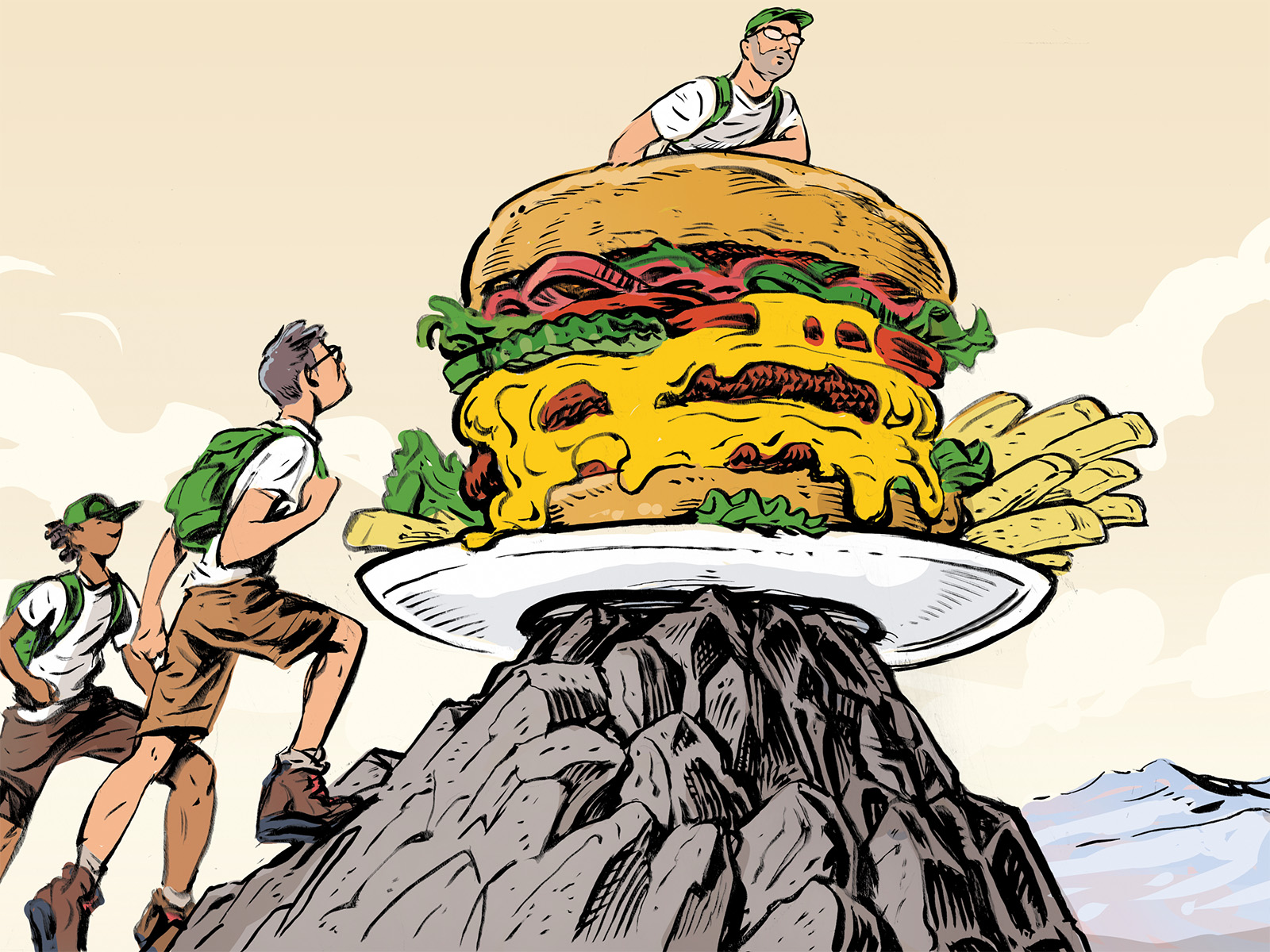
→ Get your heart pumping by… hiking the West Slopes standard route of 14,066-foot Mt. Bierstadt, one of the least challenging fourteeners in the state. Then replenish those calories with… the beef burger with all the fixings—plus fries—paired with the Italian Pilsner at Idaho Springs’ Westbound & Down Brewing Company.
→ Get your heart pumping by… pedaling your road steed straight uphill on iconic Lookout Mountain, a 4.5-mile (one way) grind with 1,280 feet of elevation gain and an average grade of 5.4 percent. Then replenish those calories with… a round of beers on Mountain Toad Brewing’s picnic-table-strewn patio, where you can also nosh on whatever nibbles are available at the food truck of the day.
→ Get your heart pumping by… whitewater rafting the Royal Gorge section of the Arkansas River with an outfitter like River Runners, which offers half- and full-day options for seriously splashy, white-knuckle-style Class IV action. Then replenish those calories with… one of 45 flavors of crispy chicken wings and a cold one—maybe a Tsunami Summer Ale—at World’s End Brewing Company in Cañon City.
→ Get your heart pumping by…slogging seven miles up Hidden Dune—at 742 feet tall, it’s the tallest sand dune in North America—and back down again at Great Sand Dunes National Park & Preserve. Then replenish those calories with… the local sausage sampler, a Bavarian hot pretzel, and a brewed-right-there-in-Alamosa beer at the San Luis Valley Brewing Company.
→ Get your heart pumping by… donning some armor and a helmet before jumping on Winter Park’s lift to access the resort’s Trestle Bike Park, a downhill mountain biking paradise with 40 miles of dirt trails. (Newbies can take a half- or full-day guided lesson with a bike park instructor.) Then replenish those calories with… margs and fish tacos at Pepe Osaka’s Fish Taco & Tequila Bar, a Winter Park staple for more than a decade.
When Type II Fun Turns Into Type III Fun
Otina Fox knows one thing for sure: If you undertake enough Type II Fun, you’re certain to experience Type III at some point. The 48-year-old Boulderite learned about Type II Fun on a backpacking trip through New York’s Adirondacks when she was in college. Although she battled mightily with her equipment—specifically, an ill-fitting 1950s external-frame pack that had been her grandmother’s—during the hike, she fell in love with the feeling of being self-reliant in the outdoors. “I remember thinking, I want to do that again,” Fox says, “but next time I’ll be smarter about it.”
Since then, Fox has accomplished all manner of outdoor exploits, including summiting all of Colorado’s fourteeners in the summer and bootpacking up and skiing down most of them in the winter. However, she has not always been able to sidestep the pitfalls that can turn a stoke-worthy adventure into an excursion you wish you could forget.
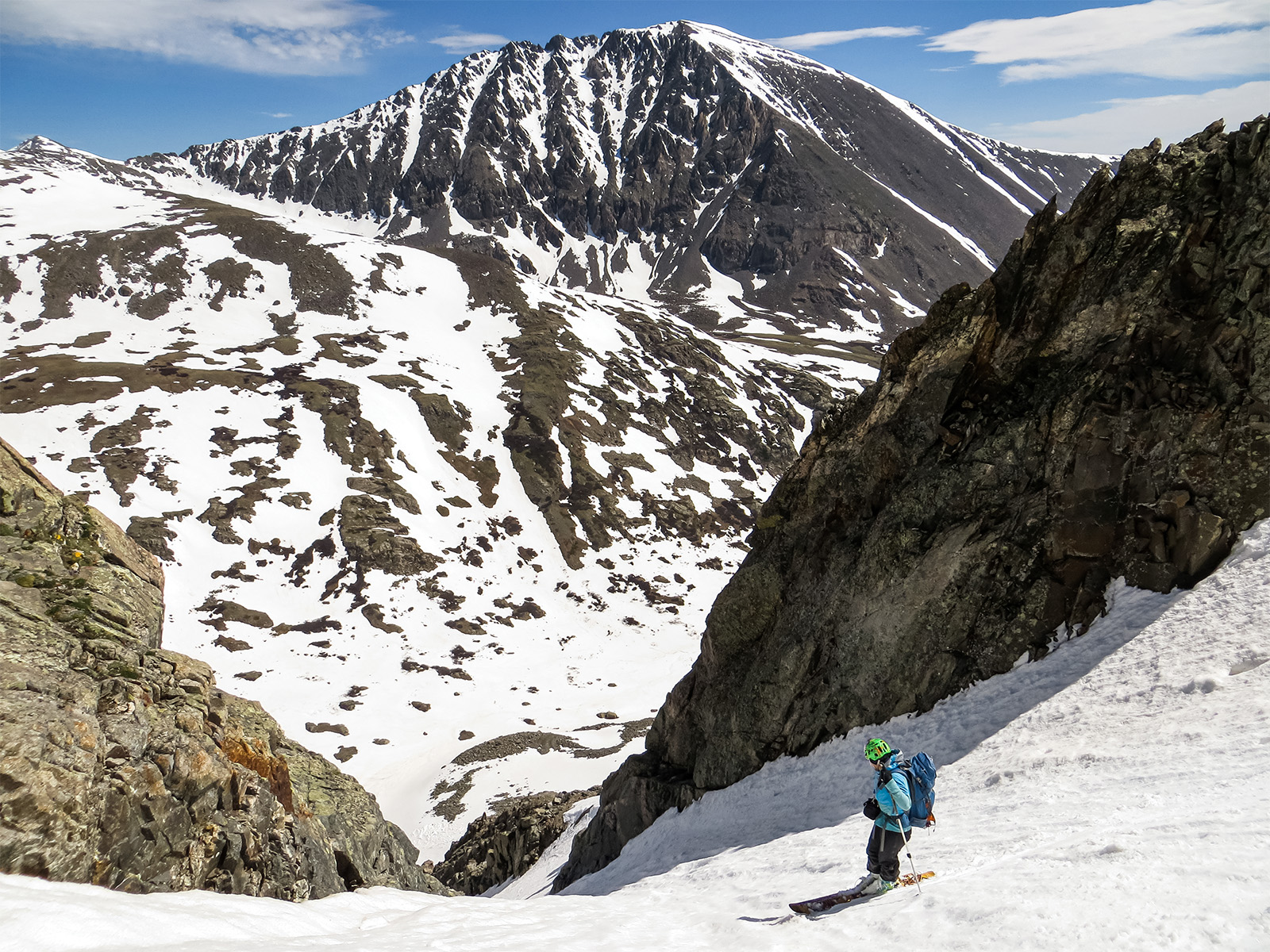
On June 2, 2014, Fox had alpine-toured her way up to the top of a sweet line on 14,163-foot Maroon Peak near Aspen. Partway down the run, Fox learned why this mountain, along with its sister peak, are often called the Deadly Bells: Her skis clipped a chunk of ice, and as she spun, one ski went under the other and her binding failed to release. When she finally came to a stop on the 45-degree slope, her left tibia was in five pieces and her fibula had sustained a spiral fracture. “It was a 10 out of 10 on the pain scale,” Fox says. “I have my wilderness first-aid certification. I knew it was all bone, and there was no bleeding—but I needed to get off the mountain.” After pressing the SOS button on her SPOT device, Fox and her skiing partner splinted her leg and “butt-scooted” partway down the mountain to a place where a Black Hawk helicopter could touch down.
Fox broke the same leg two more times while skiing in less than four years. She politely calls each instance Type III Fun and acknowledges that the third break also shattered her confidence. Instead of giving up on risky adventures, though, Fox recovered and then worked on her technique to avoid future injury. “Why do I keep doing this?” Fox says. “Because there’s nothing like ski mountaineering. Ninety-nine percent of the population will never understand it or be able to do it, but I can. It’s the ultimate thrill, the ultimate freedom.”
Type II Fun is also, Fox says, the ultimate lesson in perseverance. Being able to get through the suck to the delayed gratification is the lasting takeaway. “Doing Type II Fun has helped me in new jobs, with new supervisors, in new environments,” she says. “It makes me stronger and know I can rely on myself.”
Where To Have Type II Fun in Colorado, Ranked
12. 401 Trail: One of the most famous mountain bike trails in the birthplace of mountain biking, the 401 gives advanced riders steep grades, switchbacks, root drops, and amazing views of Crested Butte’s world-renowned wildflowers.
11. Manitou Incline: A StairMaster from hell, the Manitou Incline is a flight of steps (2,744 of them, to be exact) that rises 2,000 feet in only one mile and has sections with a 68 percent grade. Don’t look down.
10. Colfax Marathon: It’s a marathon, so it’s stupidly difficult, but at least it takes the scenic route: through Empower Field, into a working firehouse, around Sloan’s Lake, and into City Park near the Denver Zoo.
9. Tomichi Route: This one-mile draw plummets 1,960 feet into the Black Canyon of the Gunnison. It’s a scree- and poison-ivy-filled nightmare on the way down (which takes 90 minutes) and on the way up (which takes three times as long as the descent).
8. The Numbers: This section of the Arkansas River is commonly considered the best Class IV white-water run in the state, but you’ll need to paddle hard and stay in the boat, especially during high runoff, when an eight-foot wave forms at rapid No. 5 and major carnage occurs on rapids No. 4 and No. 5.
7. The Maiden: In a remote area of the Flatirons, a blade of rock called the Maiden juts skyward and offers what looks like one of the area’s most implausible summits, even for veteran rock climbers: the West Overhang, with a pitch of 5.11.
6. Triple Bypass: Three mountain passes. Nearly 120 miles. And 10,800 feet of elevation gain. There’s a lot of pedaling—and huffing and puffing—in this epic cycling race.
5. Grand Traverse Ski: Held annually each March, this point-to-point race covers 40 miles of backcountry terrain between Mt. Crested Butte and Aspen. Skiers gain nearly 7,000 feet in elevation—and, oh yeah, the start gun goes off at midnight to lessen the avalanche risk.
4. Colorado Trail: The CT—one of the country’s premier long-distance trails—comprises 567 miles of footpath between Denver and Durango. The route winds through six wilderness areas and over eight mountain ranges, climbing 90,000 vertical feet along the way.
3. Leadville Trail 100 Run: The so-called Race Across the Sky is the OG ultra in the Centennial State. Typically, less than 50 percent of starters finish the route—which primarily follows the Colorado Trail—within the 30-hour time limit.
2. Northeast Ridge of Capitol Peak: The most difficult standard route of any 14,000-foot mountain in Colorado, this way takes mountaineers over the Knife Edge, a 150-foot catwalk that has circa 2,000-foot drops on either side.
1. Hardrock 100: A grueling, 102.5-mile ultramarathon held in the San Juan Mountains, Hardrock has a total elevation change of 66,394 feet and an average elevation above 11,000 feet.
What’s Fun About Type II Fun, According to the Experts
Matt Samet, Boulder-based rock climber
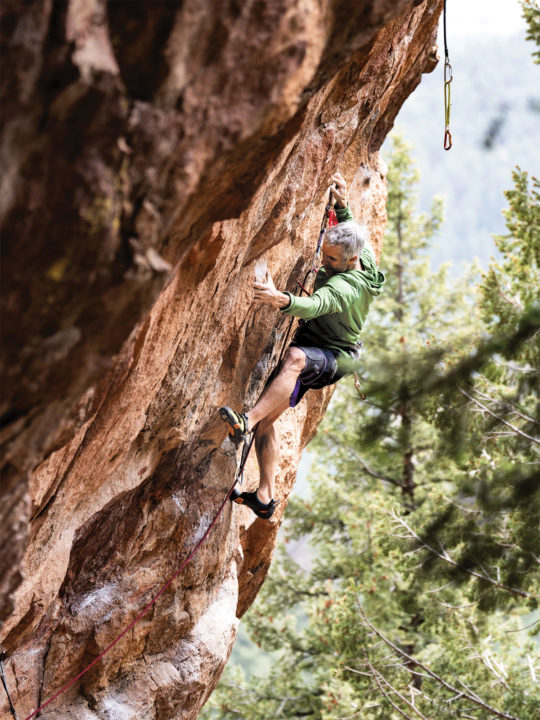
Most people do the Grand Traverse—this one’s in Wyoming’s Teton Range—in two or three days. It’s 15.5 miles of trail plus 2.5 miles of alpine climbing and has 12,000 feet of elevation gain. On a topo map, it kinda looks like an EKG. But it was 2002, and I was with Rolando Garibotti, who’d set the speed record for the traverse in 2000. So, we did it in one day. If I’d done it myself it could’ve turned into Type III Fun—I was dehydrated, my legs were heavy, and at one point we had to hunker down in a talus field because of a thunderstorm. In that moment, I was tired and scared and cold. Today, I can look back on that day and say to myself, “Wow, that was cool.”
The thing about Type II Fun is that it’s not a cultivated experience. If you go to Great Wolf Lodge—a hotel with an indoor water park in Colorado Springs—with your kids, it’s a lot of fun, solid Type I Fun. For $60 to $80, you get to have thrills on waterslides, and it’s a safe, no-consequences environment. But you don’t feel like you deserved the fun. You’re experiencing pleasure, but you didn’t earn it. Same thing with going to a climbing gym. It’s mostly Type I Fun. However, if I go out to the Flatirons in Boulder and work on a first ascent, I’m earning it. I might spend days bolting and figuring out moves and then days falling to the ground. When I succeed, though, there’s a much deeper sense of satisfaction. That’s Type II Fun. —As told to LBK
Luis Benitez, Littleton-based mountaineer
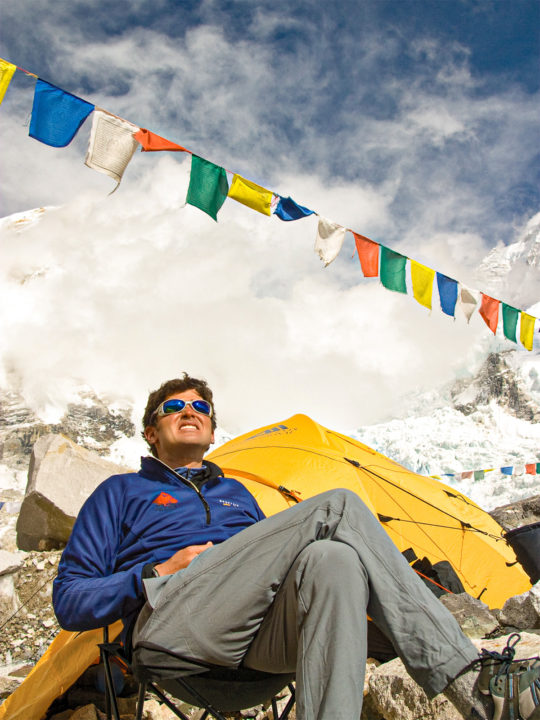
I’ve been on Everest seven times—I’ve summited six times. The first time was the scariest, because I was helping guide Erik Weihenmayer, a blind climber, up the peak. Well before we even made a summit push, he and I were walking into Camp 1 when he stepped into a tiny crevasse. We both fell, and my trekking pole hit him in the face, giving him a bloody nose. I remember looking up at this gigantic mountain in the distance and thinking, How are we gonna get this done?
The answer is grit and tenacity. There’s been a death of grit and tenacity in our society, and I think it has a lot to do with the rise of technology. The more electronic our lives become, the more we have to seek out Type II Fun. It helps us learn about ourselves. It gives us goals for doing something that no one, including you, thinks you can do. And then you do it—and that translates to other aspects of your life.
And it doesn’t have to be Everest (pictured). There’s this place called Wham Ridge in the south San Juan Mountains. It’s maybe the most remote, rugged range in Colorado, and you have to really work to get to this 3,000-foot slab of granite. It’s a mini-expedition. The sense of remoteness really drives the Type II feeling. Help can be days away. But it’s how you react and respond to those external factors that are pressuring you that shows you what you can do. You realize something might be hard, but you think, I can handle this, because, well, you can. —As told to LBK
Darcy Gaechter, Glenwood Springs–based whitewater kayaker
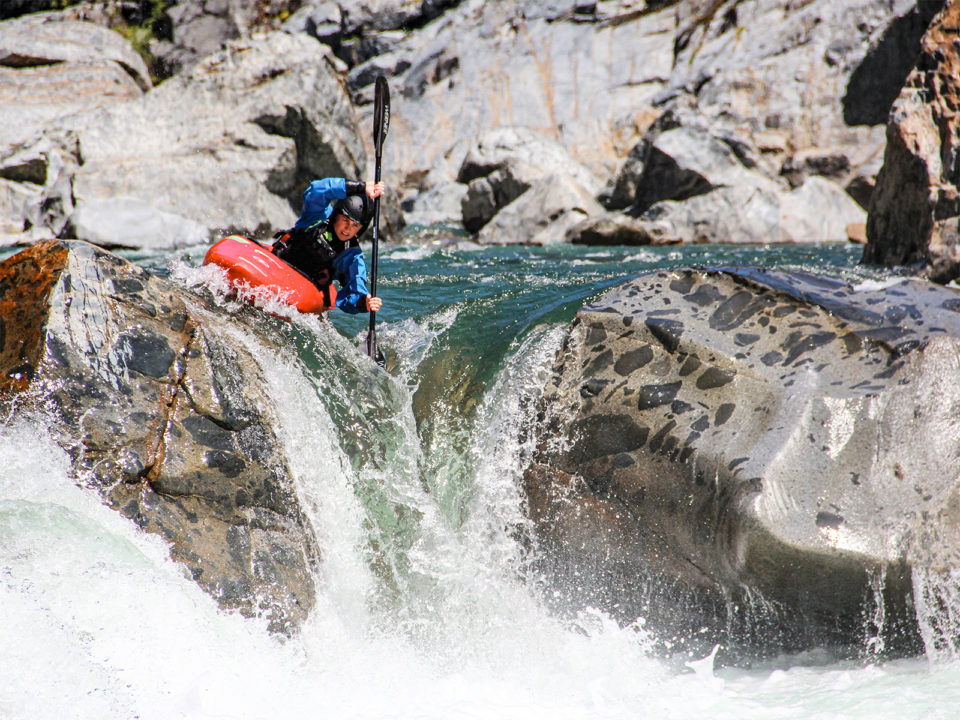
I’m a relatively good natural athlete, but I was really bad at kayaking when I first tried it after high school in Aspen. I was with all these guys who were way better, and it was embarrassing. But it also intrigued me, because it was the first time I met something I really sucked at. It’s a difficult sport. When you’re on land with your head above water, you can try to learn and visualize, but then in the water you invert yourself and you can’t breathe, and it’s really an unnatural thing to practice. Everything about it is stupid and counterintuitive. But now I love it, and it has taught me many things.
My biggest takeaway has been how to overcome adversity on the river and then learning how to apply that to life. Being a dedicated kayaker means having mental resilience. You have to get to know yourself—what do good nerves feel like, and what do bad nerves feel like? What is normal scared and what is too scared to think straight? Is my heart beating too fast? If so and I can’t calm down, then I shouldn’t run this rapid. So, I learned to take some deep breaths and give myself three seconds, even though that sometimes feels like way too much time to take. Being a woman, I’ve also learned that people will question whether I’m good enough to be on a certain river. I’m short and skinny and don’t look tough; it’s easy for an initial judgment of me not to be favorable. And that makes you question yourself. But after 28 years, I’ve learned to ignore them, because I know I should be here. —As told to LBK
Case Study: Running an Ultramarathon
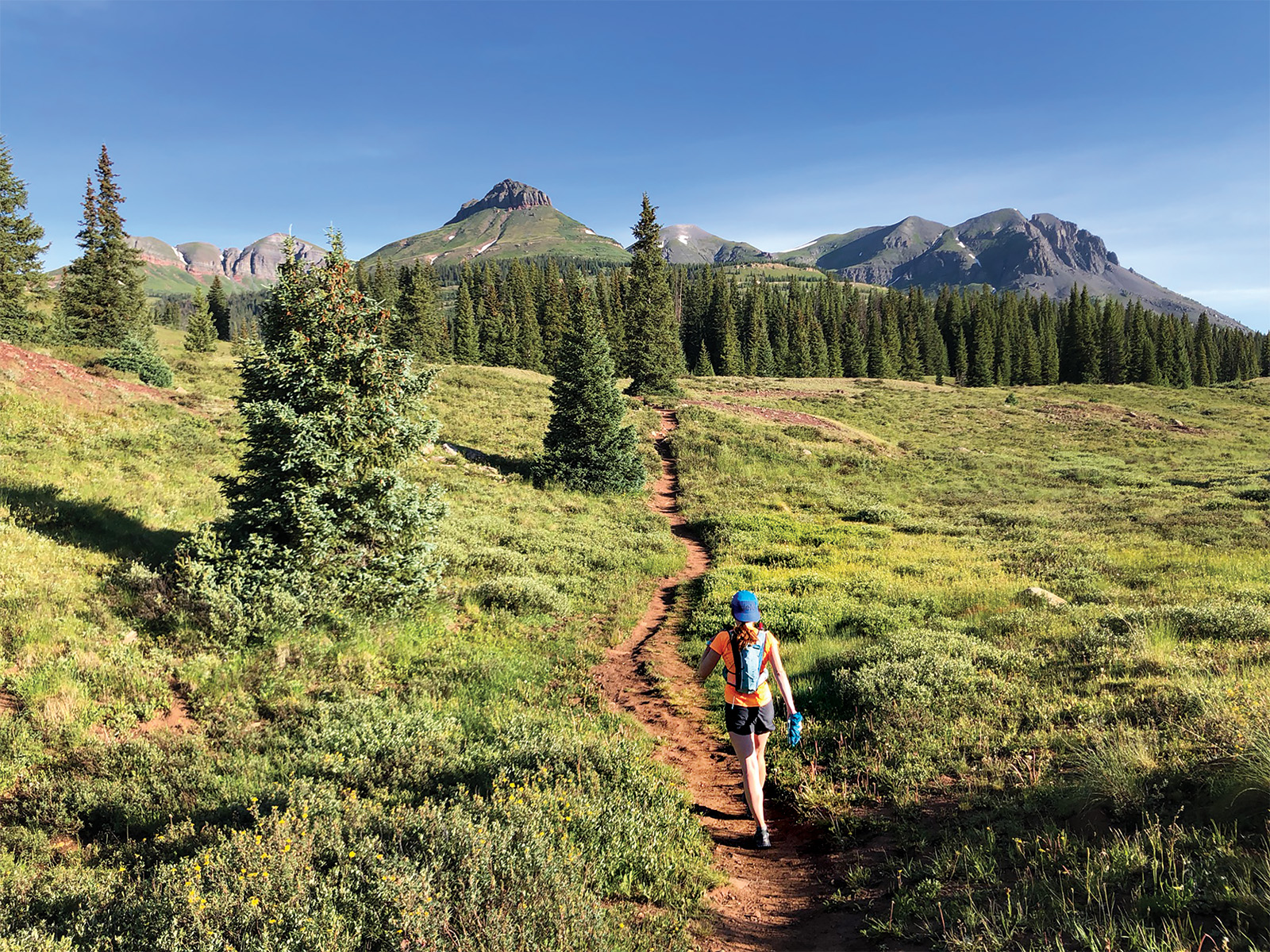
Sarah Banks, a Louisville resident and one of this magazine’s photo editors, has suffered through a handful of trail-based races longer than 26 miles.
Here, the 33-year-old breaks down some of the thoughts that ran through her mind when she completed the Silverton Ultra Dirty 55K—a race that followed the famed Colorado Trail and boasted 22,500 feet of elevation gain—in 2019, beginning with training and ending at the finish line.
- Months before the race: “In trying to get ‘time on your feet’—in this case, roughly 50 miles a week—you begin sacrificing time with friends and family. You realize you are choosing something over your other priorities, making yourself unrelatable to a lot of people, and choosing to be with a very select crew who can run like you can.”
- Morning of the race: “You wake up at 3 a.m. and even after all the training, you wonder if you should just stay in bed, because if you get up, it’s just gonna be a big suck.”
- Start line: “The start line is both electric and underwhelming. Mostly it’s just lots of people in really bright, ridiculous gear—stupid-looking hats, tall socks, short shorts—who are all queuing up for the restroom to get out the nervous trots. Also, when it starts, it’s pretty anticlimactic, because nobody is sprinting.”
- Mile 20: “The wheels started to come off here. Even though it was August, there was still snow, which made parts of the trail muddy—so muddy that one of my feet got stuck. I stopped, took a deliberate step with the other foot to try to escape, and lost my shoe. Then, when I tried to extricate my other foot, I lost the other shoe. This was the first time that day that I thought: This race is bullshit. It’s also the first time I noticed a storm brewing on the horizon.”
- Mile 26: “After reminding myself that I chose this and that it is supposed to be fun, I kept going and was actually enjoying the views of the surrounding mountains—until I fell. My knee hit a rock in that way that makes you feel like you might vomit and shit yourself at the same time. Neither happened, but damn, it was painful. I thought about throwing in the towel at the next aid station but decided it was actually easier to keep going than to get a transport back into town.”
- Mile who knows?: “The storm was really brewing as I hit one of the steepest sections of trail I’ve ever hiked. But I met a trail friend: one of those mythical creatures you meet up with for a short amount of time, share complaints with, talk to about why you’re both doing this, cheer each other on, and then never see again. At one point we hit a snowfield and sat down together on our butts and slid down. It was seriously so much fun.”
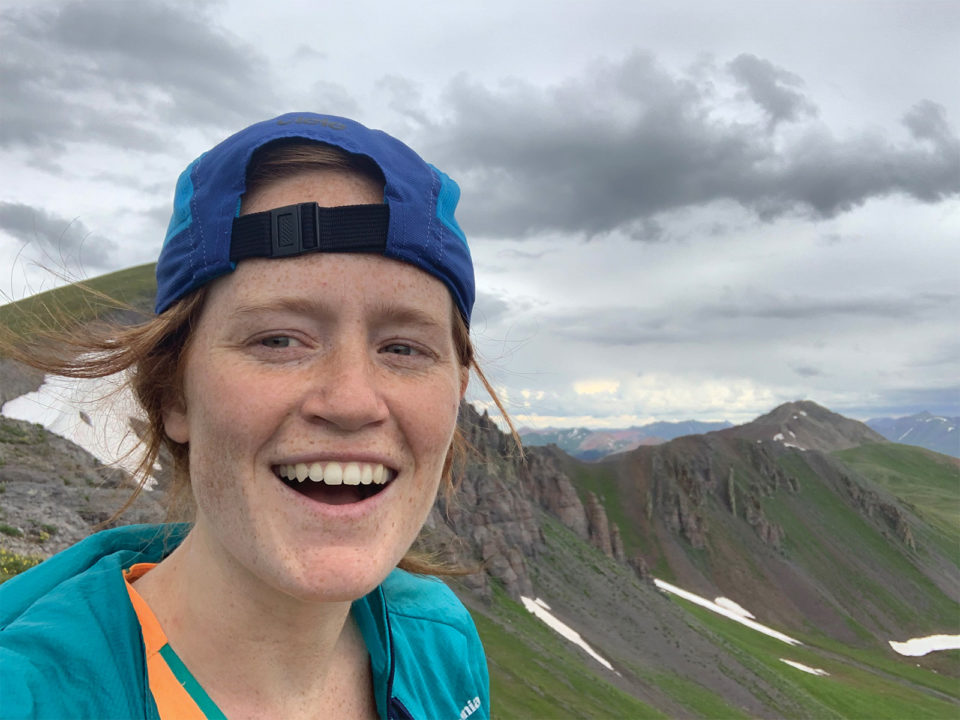
- 12,694 feet: “At the high point of the course, I found myself alone and took a selfie. I look slightly unhinged, but the 360-degree views of the San Juans were spectacular, and even with a huge storm bearing down on me, I felt alive!”
- Finish line and everything after: “My stepdaughter saw me coming and ran me in. Well, she ran, and I slogged. I finished in about nine hours. I felt acute soreness for a few days, but it felt like earned soreness because I knew it had come from having done something really cool.”
The Benefits of Type II Fun
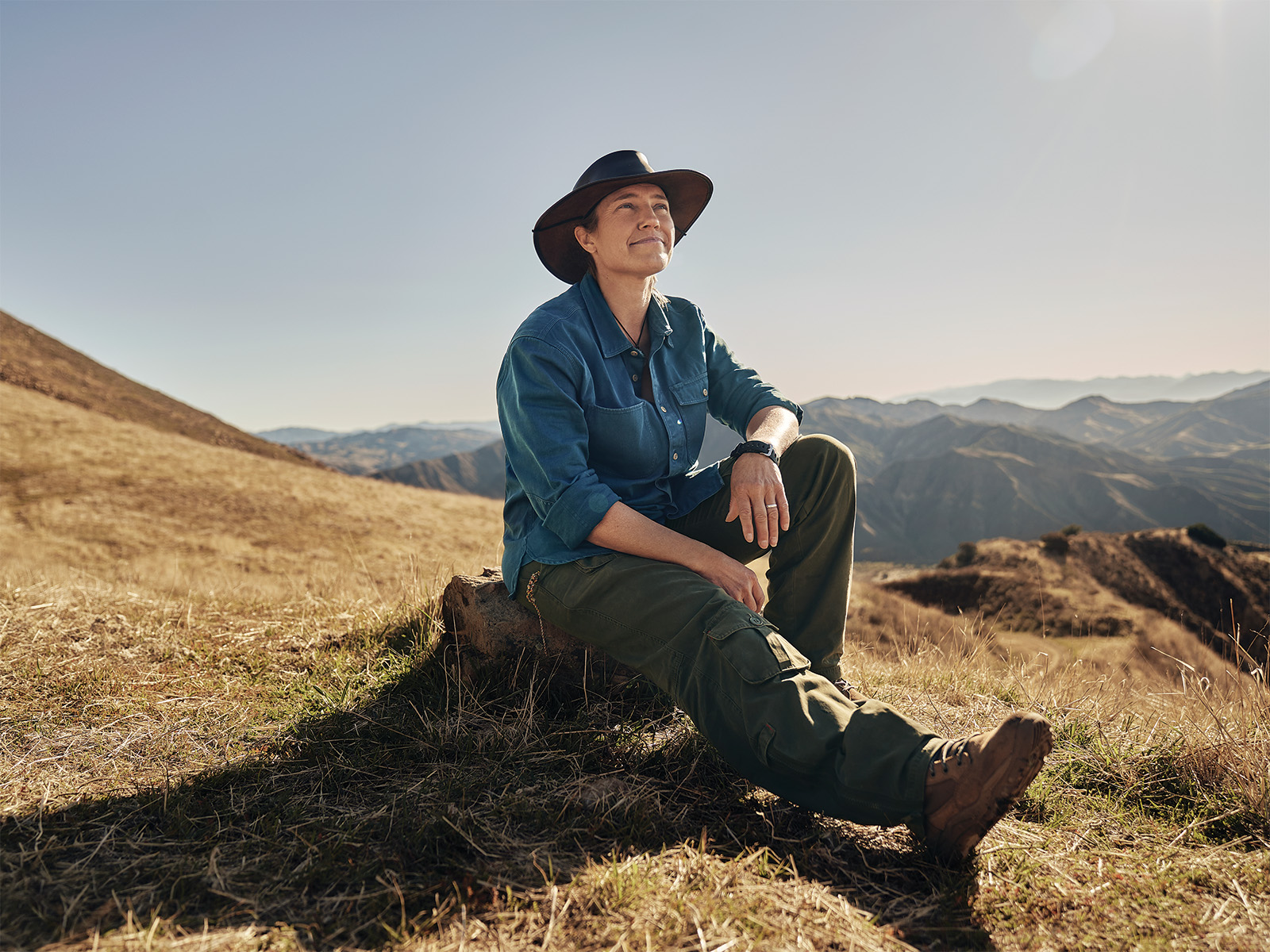
We spoke with Pagosa Springs–based outdoor survival instructor Jessie Krebs, an Air Force veteran and owner of OWLS Skills, about the benefits of Type II Fun, how to prepare for challenging adventures, and why sometimes it’s important to simply take a breath.
Editor’s note: The following conversation has been edited for length and clarity.
5280: You’re a former SERE (Survival, Evasion, Resistance, and Escape) instructor and a one-time wilderness therapy guide: Why should people do difficult things outdoors?
Jessie Krebs: It’s empowering. It sands away the mask we put out into the universe. We all have something we want to keep hidden. We don’t feel secure. We don’t want to be vulnerable. Being in a wilderness environment helps unmask us, because it doesn’t care. The wilderness doesn’t care what you think or what you look like. It’s hard to fake who you are, going through hard things. It teaches you about yourself.
What would you tell someone who feels too intimidated to even try?
Preparation is key to feeling safe. In my OWLS classes, I work mostly with marginalized people, taking them out into the woods and teaching them basics of how to get out of a situation gone wrong. So, for example, what should you do if your car slides off the road or you’re in the backcountry somewhere and you were just planning on a dayhike, and now the weather has turned or you twisted an ankle, and you’re stranded? My mission is to try to help people feel safer in the wilderness so they can go out there and connect with it.
By marginalized communities, you mean women?
Yes, one part of my business is a women-only school: Outdoorsy Women Learning Survival Skills. Women are underrepresented in the outdoors because, in my view, if you look at history, if you look at our puritanical background, women were kept in the kitchen and were making babies and raising babies, and that was their job. We’ve kept that in our culture for a long time, forgetting that in a lot of ancestral cultures, women also gathered food, skinned animals, and even hunted. We need to remember that it wasn’t just men who survived for millennia on this planet in the wilderness.
What survival tenets should a Type II Fun newbie of any gender know before leaving home?
Most important, they need to know that you should never go out into the woods anticipating your adventure will just be a dayhike, because when something goes wrong and you have to overnight outside, you’re gonna wish you’d carried what you need—based on your experience level and your knowledge—to get some sleep and stay alive for at least one night in the wilderness. They should also know about signaling methods and how to use them in case they need to attract the attention of search and rescue. Your primary mission in a survival situation, if things have gone wrong and now you want to get home, is to signal. It’s not to build a fire, not to build a shelter, not to make yourself at home. It’s to get someone’s attention.
That’s a truly scary situation, but what would you tell people who start to get angsty about their abilities to finish a trail or even just sleep in a tent?
Breathe. There are lots of methods we can use to help us calm down, but before you can even use them, you need to recognize that you’re anxious, that you’re not feeling well, that you’re stressed and overwhelmed. So being able to understand that and recognize that is the first thing. Then breathe slowly. Make your exhales much longer than your inhales. This activates the parasympathetic nervous system, which is responsible for relaxation. So just sit down, chill out, and breathe slowly.
Longing for Longs
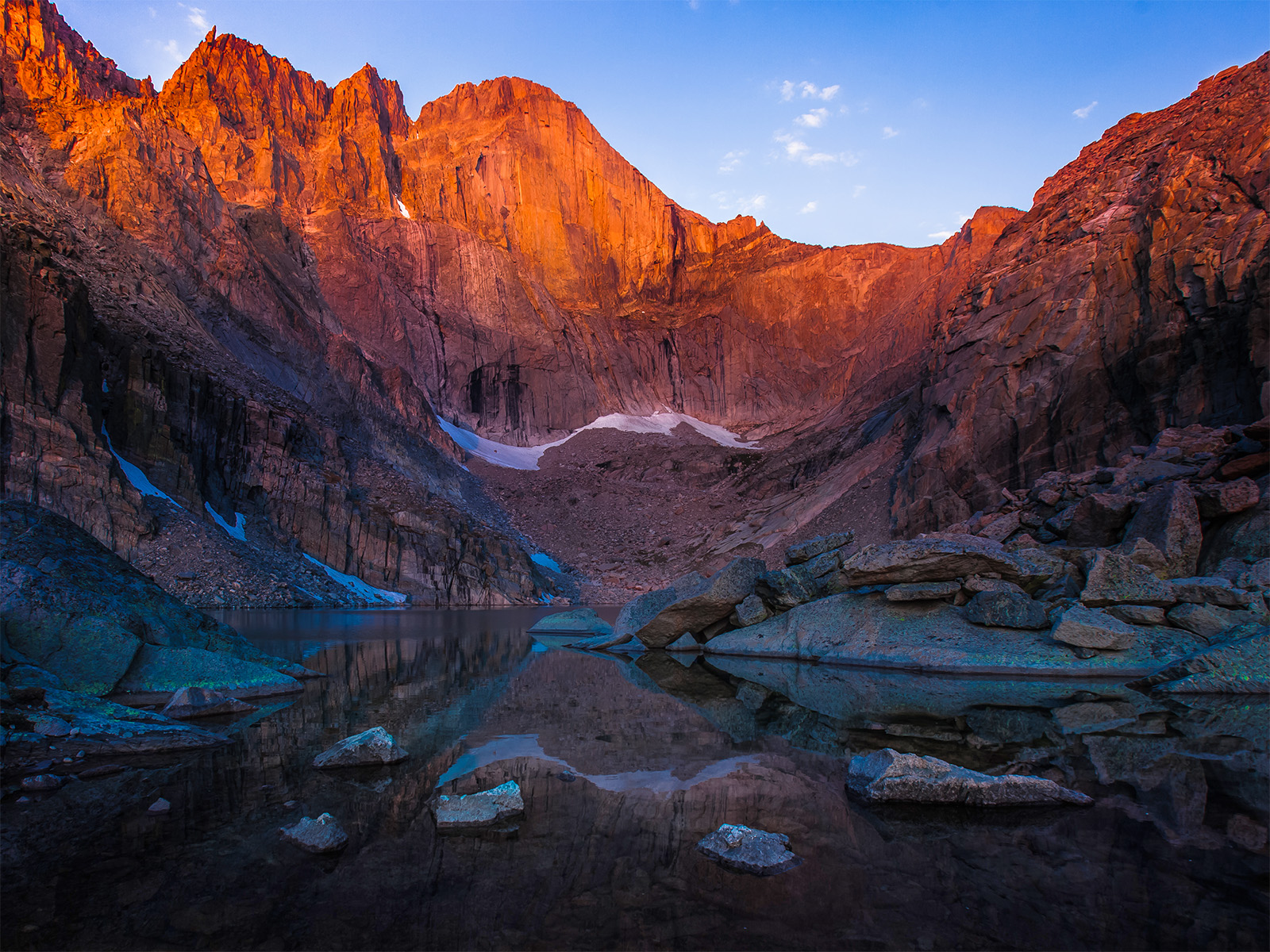
The weather window was looking good. It was August 2024, and almost on a whim, I decided to climb Longs Peak, the broad-shouldered, flat-topped sentinel of the Front Range. It may have been impulsive, but I wasn’t entirely unprepared: I’d trained for and planned to hike 14,259-foot Longs one year earlier, in September 2023, only to be thwarted by a late-summer snowstorm that hit on my summit-push day.
Rationally, I knew those kinds of things happened all the time. Emotionally, I was sort of devastated. It was as if the mountain was trying to tell me something, and what it seemed to be saying was, Hey, old man, maybe this isn’t your thing. There was a good chance, I thought, Longs was right.
When I turned 50 five months later, I made plans to do some hiking that upcoming summer—but Longs wasn’t on the list. I did Rustler’s Gulch and Scarp Ridge near Crested Butte and made my way to Rocky Mountain National Park in early August to hike to the Loch, Lake Haiyaha, and Dream Lake. I had hit Rocky on a rainy afternoon, but on the way down from Lake Haiyaha, the rain stopped, and the clouds broke. As I was descending, I turned around to look out over Glacier Gorge, and there it was: Longs Peak. The clouds draping the upper part of the mountain looked like priestly vestments.
In that moment, it seemed as if the mountain was speaking to me again, and this time it was saying, If you’re going to give me a shot, you should do it soon. So, I listened.
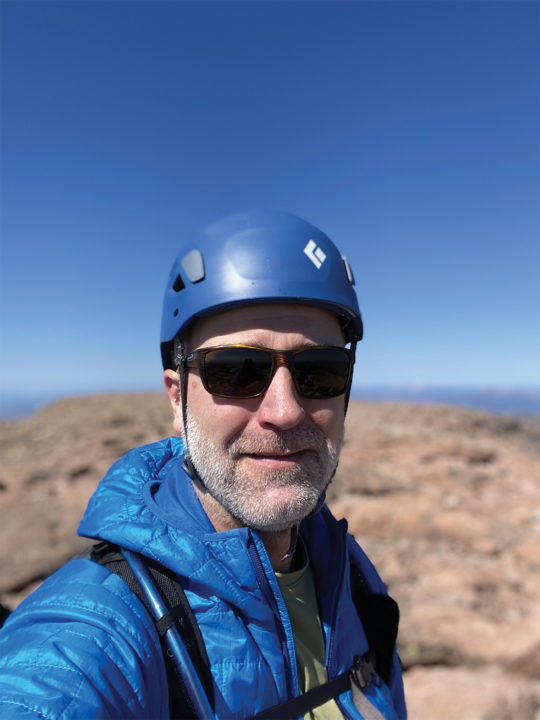
August 30 was shaping up to be a bluebird day, so even though I wasn’t as fit as I’d been a year earlier, I decided I’d make a solo attempt. It was cool and calm at the trailhead at 2:15 a.m. when I set out, save for the other crazy souls who’d strapped on headlamps to trudge up this giant rock. I was doing mostly OK as I paced myself over the first six miles, but by the time I got to the Boulderfield, I felt awful. My legs were shaky, and I had mild nausea and a headache. I sat down and had some water, some Pepto-Bismol, and some ibuprofen. After 45 minutes, I decided I would hike to the iconic Keyhole—and then turn around. I just didn’t think I was up for the hard part of Longs.
But when I reached the Keyhole, stepped over the ridgeline onto the west flank of Longs, and gazed into Glacier Gorge, something happened. I was jubilant. I felt renewed. Clearly, adrenaline was doing what adrenaline does, which is make you feel like Superman even if you’re a tired, middle-aged mountaineer wannabe. A couple of hours later, after crawling up the rock slabs of the Homestretch, I found myself on the summit.
As I peered down at Chasm Lake, I experienced a profound sense of accomplishment and joy: Longs was my 10th fourteener summit. But as anyone who’s climbed to the top of a mountain knows, I was only halfway home. While I worked my way a little more than seven miles back down the mountain, I felt several things: aching thighs, bruised toes, utter exhaustion, and a sincere awe that I’d chosen, very intentionally, to do this to myself.
When asked why he wanted to climb Mt. Everest, mountaineer George Mallory famously replied, “Because it’s there.” Although his answer feels snide, it’s not. I climbed Longs Peak because it’s there, because I look at it every day, and because it was speaking to me for reasons I may not ever fully understand. I also climbed it because I wanted to see if I could. The answer was yes. —Geoff Van Dyke
Read More: Longs Peak via the Keyhole Route