
The Local newsletter is your free, daily guide to life in Colorado. For locals, by locals.
It’s always fun to speculate about the future of dining in Denver and beyond: Could Chilean or Ghanaian food be the next big thing? Is this the year baijiu finally breaks it big? How long before a robot-run restaurant receives a Michelin star?
Since the prudent move is to leave the prognosticating to the culinary pros, we asked six local chefs for their insights into the trends they’re tracking this year. Some results may surprise you (who could have predicted gooseneck barnacles?) while others capture our current need for comfort and camaraderie.
1. Fusion is riding a wave.
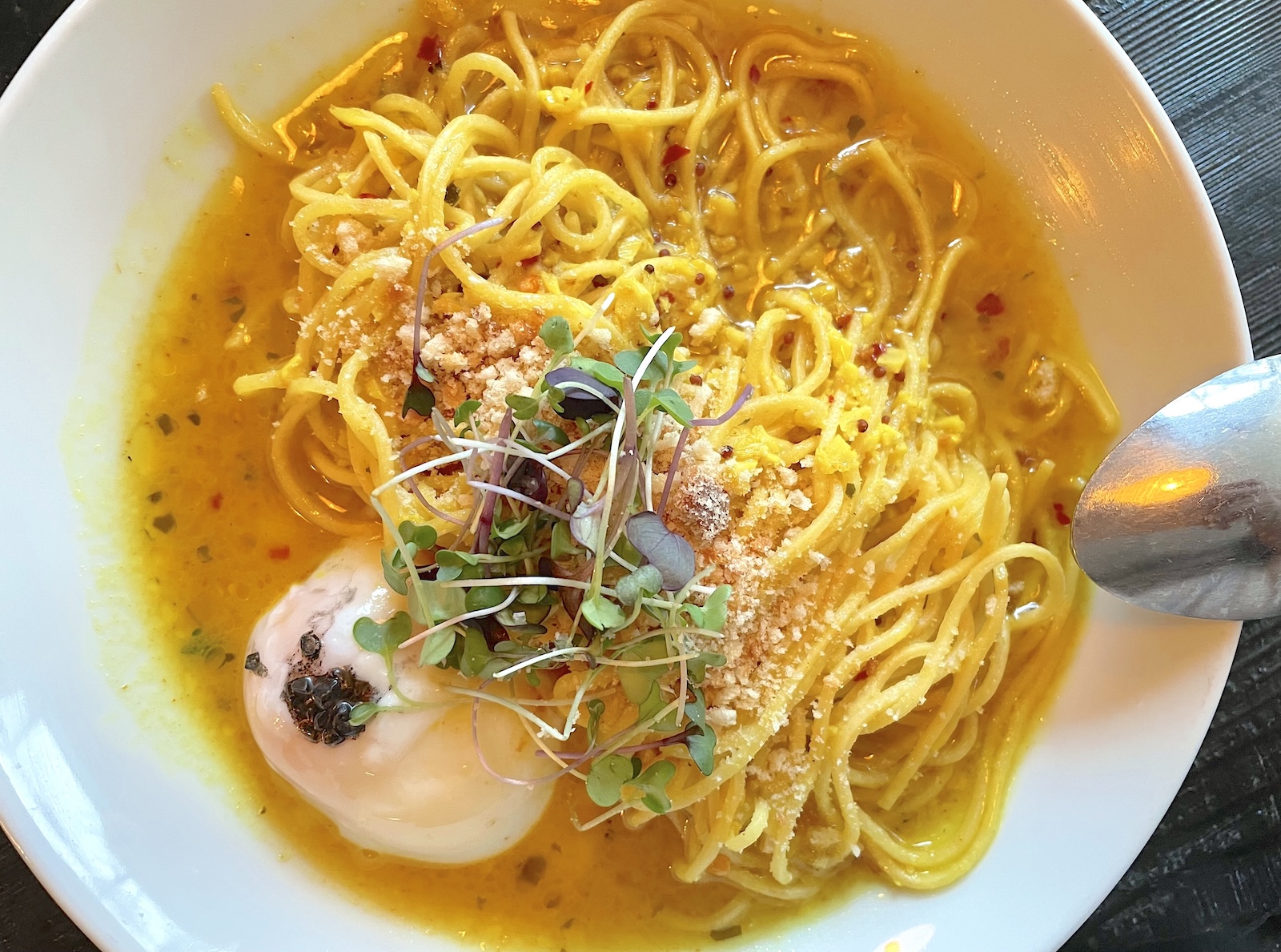
Though the term didn’t enter mainstream discourse until the 1980s, fusion cuisine—typically a blend of Western and Eastern ingredients and techniques—has been around as long as humans have been migrating (and invading each other’s countries). Today, its most relevant corollary is “third-culture” cuisine, broadly reflecting a negotiation between immigrant heritage and lived experience in the now-homeland (think: Korean corn dogs and kimchi fries from the Mukja food truck, chef Cindhura Reddy’s integration of Italian and Indian influences at LoHi’s Spuntino, or Hong Kong–inspired slices at Lakewood’s new Metro Pie Pizza).
Or take the Magnolion pop-up that Rougarou executive chef JohnDavid Wright recently attended at Hot Shot Coffee. “Cody Peeler, the sous chef at the Wolf’s Tailor, and his wife, Tiffany [Leong], did an American South–Chinese [menu, including] mapo gumbo,” Wright says. “He’s from Mississippi, her family is Chinese, and they’re exploring Southern foods through the lens of Chinese food.”
Wright applies a similar ethos to his own cooking. “My goal is to acknowledge the shared history of Southern food [as] a blend of multiple cultures,” the Tennessee native says. While he gives the example of Viet-Cajun cuisine, which originated along the Louisiana coast, Rougarou’s own hot-and-sour catfish and wok-built, Sichuan-spiced Creole tofu are also cases in point. “I learned a lot about Chinese food working for Tommy [Lee] at Hop Alley,” Wright says, adding that his char siu pork shoulder with steamed buns, mustard greens, and pickles at Lee’s restaurant felt like a Southern barbecue plate even though it was quintessentially Chinese. “I think we should move away from the word ‘fusion’ and share the history of why there’s cultural crossover in food,” he says.
2. Seafood is so hot right now.
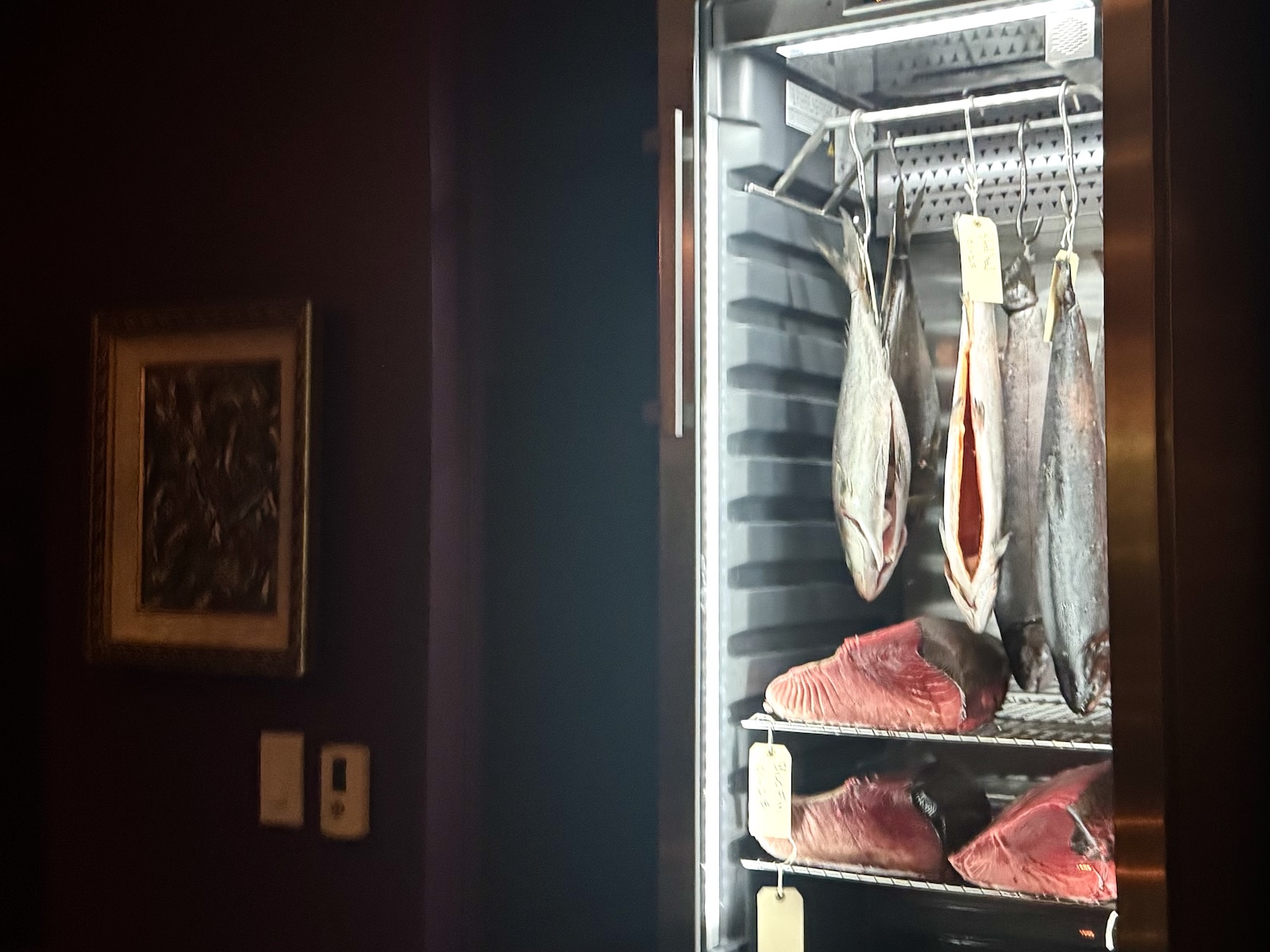
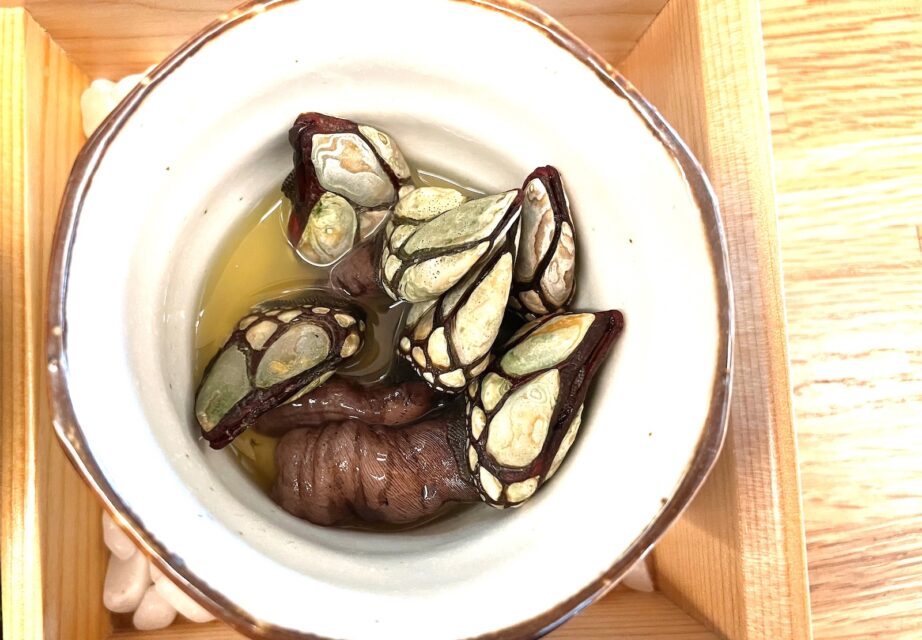
From the continued popularity of tinned-seafood programs and the sudden spate of omakase options around town to the appearance of percebes (gooseneck barnacles) at Marigold and the Counter at Odell’s, we’re noticing that landlocked Denver diners are getting more adventurous when it comes to the bounty of the ocean. Linda Hampsten Fox, chef-owner of the Bindery, has noticed the fish fervor too. “I just can’t get enough of those pops of sea,” she says. “It can be super delicate and sweet and pretty or extremely ballsy and bold…but I’m looking for uniqueness with that.” In her own kitchen, you’ll find her cooking Swiss chard in a mussel emulsion, daubing sea bean butter on steak, and experimenting with Korean broth tablets containing tuna and anchovy powder and clam extract. “It’s like a little Alka-Seltzer; you pop it in and it fizzes,” she says.
Meanwhile, Hop Alley’s Tommy Lee, who also owns Uncle and Molino Chido, points to the rising visibility of dry-aged fish at places like Kumoya and Johnny Curiel’s new Cherry Creek eatery, Mar Bella Wine Bar. “In Japan, aging fish has always been a thing, and the misconception of sushi is that it’s best fresh when it’s actually not [necessarily],” he says, adding that the process “is causing people to notice these subtleties” of flavor and texture compared to fresh cuts.
3. Find comfort food on more menus.
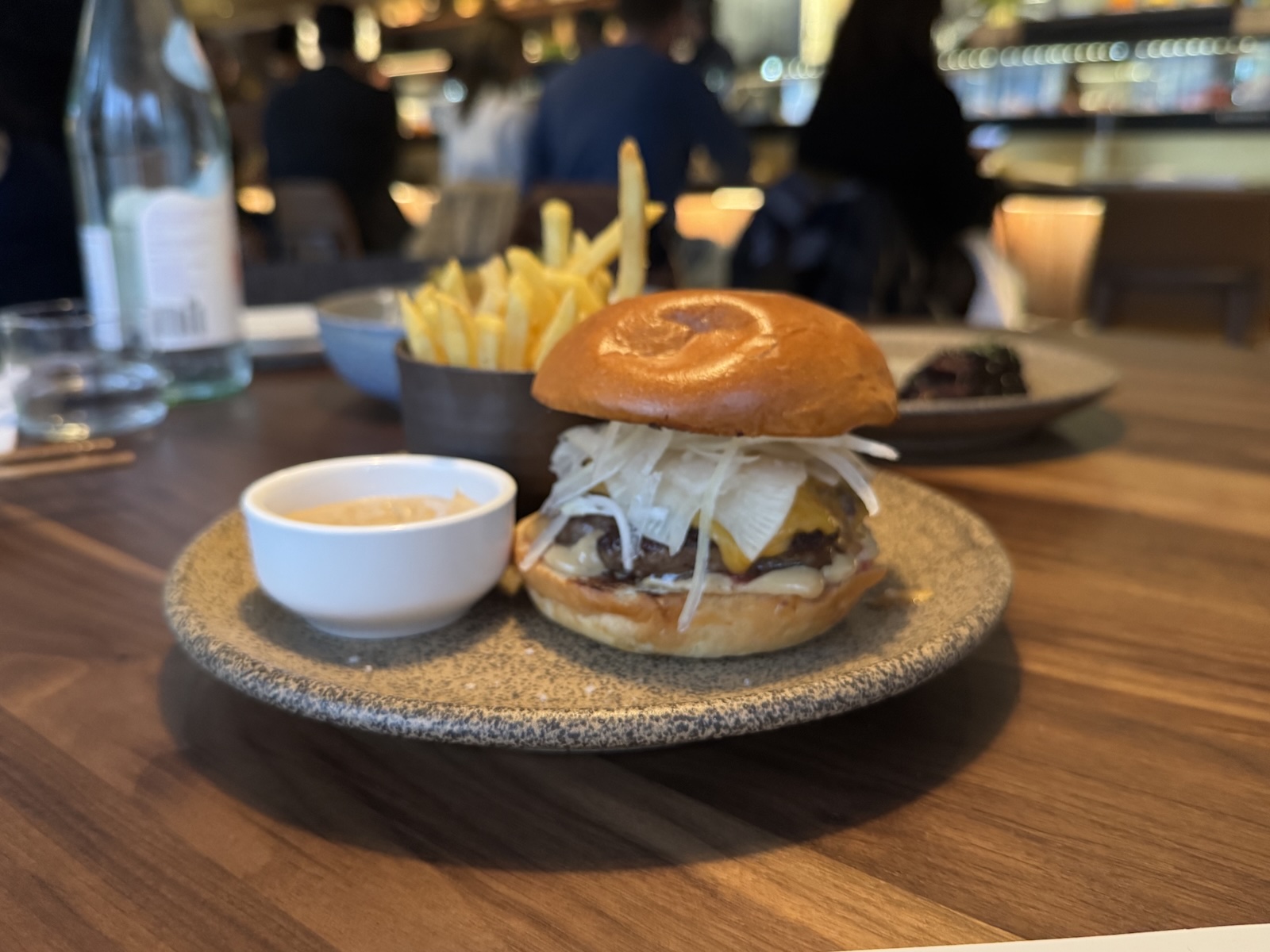
Every chef we interviewed mentioned the return of comfort food as a response to the economic, sociopolitical, and existential crises of the day. For instance, Cliff Blauvelt, chef-partner of Odie B’s and Boombots Pasta Shop, refers to the recent opening of several local pasta joints (his own as well as Florence Supper Club, Johnny Bechamel’s, and Dear Emilia). And Lee observes that “we’re seeing a focus on very simple things that are elevated—whether it’s a handmade tortilla or hand-pulled noodles or an artisanal bagel or whatever, more people are coming around to, ‘Oh, these simple things are very special.’ ”
Uchiko chef de cuisine Andres Araujo echoes that sentiment: “The trend is elevated comfort,” he says, noting the new Japanese restaurant’s focus on hearth cookery. “We’re getting a little bit more simple in the way that we think about our menus. We’re not going to create crazy stuff; [we’re] putting all our efforts into flavors, [not] just trying to impress by presentation. I think that’s kind of in the past.”
Aniedra Nichols, chef-partner at Table 6, recently introduced a burger to her menu as part of a broader goal to ensure “more approachable pricing for entrées,” in her words. “I think we’ve always been great at keeping our menu prices in sync with the city, but people have seen us as more of a special-occasion kind of place. And we want to be an everyday kind of place, [offering] bang for the buck.”
4. Creating community is key.
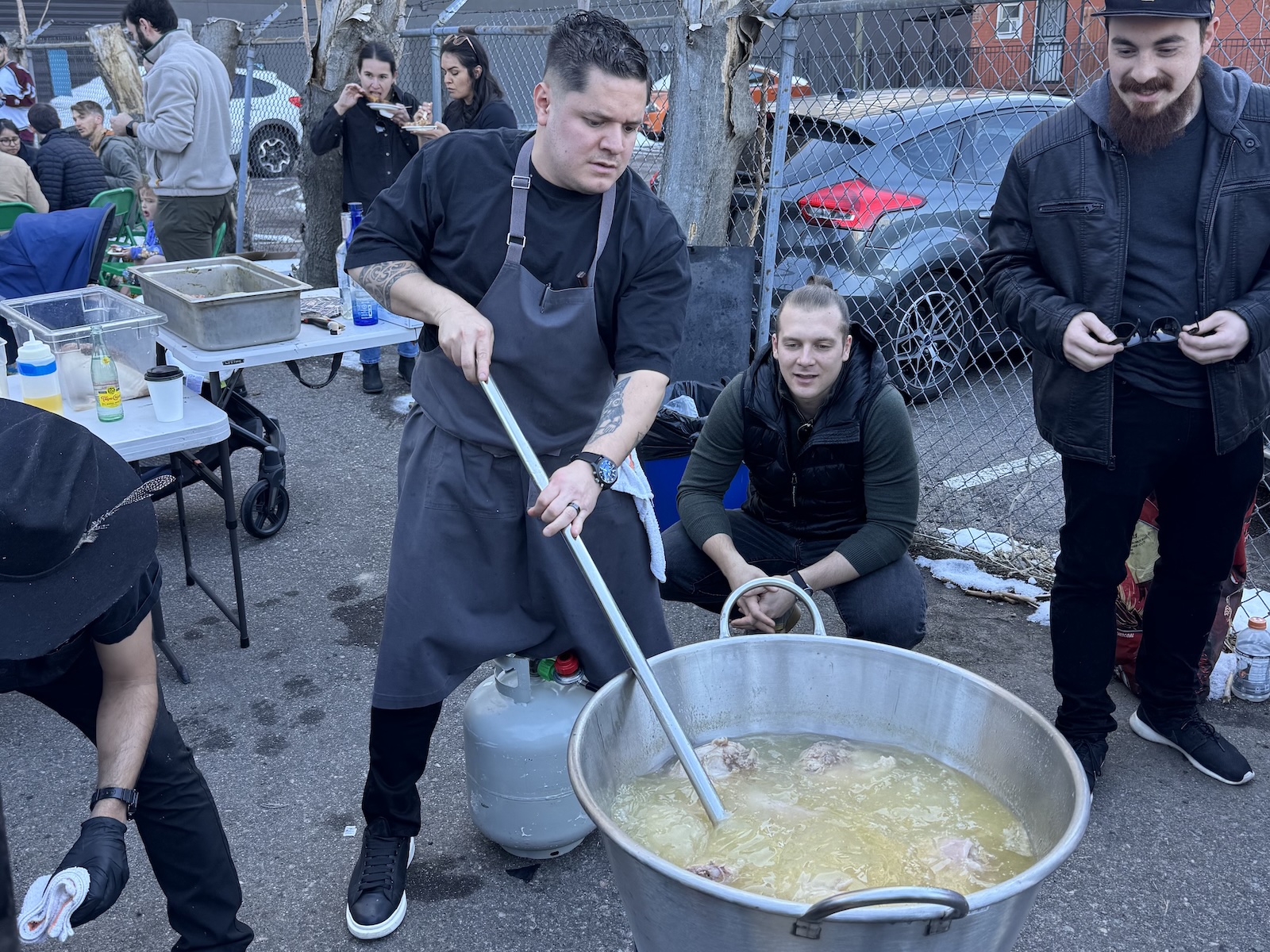
Our chefs are also unanimous in pointing out the heightened sense of kinship between restaurant people and their guests. Lee traces it back to the onset of the pandemic, “when the thing I noticed most in Denver is that everyone in the industry began to collaborate,” he says. “You were kind of forced to because everyone was trying to figure things out. And I think it’s carried over to now, when we’re all a tighter community and everyone’s pulling for each other.”
Wright points to countless other instances of chefs and bartenders coming together and hosting events for community-based causes or fundraising. The annual Pro Roe Bake Sale benefitting Planned Parenthood of the Rocky Mountains, the recent Colorado Immigrant Rights Coalition fundraiser Cookout Con Las Compas, and Mile High Asian Food Week are prime examples.
This focus on togetherness is evident in concepts that have been opening recently, when “there’s a lot of talk about third spaces,” Wright says. Consider all the restaurants currently featuring interactive chef’s counters (including the aforementioned Mar Bella, Dear Emilia, and the Counter at Odell’s); the growth in music-oriented “listening bars” like Malinche Audiobar and the Peach Crease Club; or the increase in hybrid coffee shops/cocktail lounges such as Side Pony and Hello Darling where guests can linger at all hours. Nichols has noticed that “more community-style dining is what people are longing for—more shareable items.”
5. AI is on the rise.
Like it or not, artificial intelligence is coming to a restaurant near you, according to Blauvelt, who’s currently taking a course in its applications. “I think its integration into systems and efficiencies is going to be something that anybody at $20-an-hour minimum wage is going to have to adapt to to survive,” he says. “From inventory management to reservations, building out bar programs to social media schedules—across the board, I think that sort of tool will become necessary, and the people who learn it and know how to use it well will see a massive difference.”
Blauvelt’s ideas for utilizing AI—generating a checklist for your marketing team for a big restaurant event or automatically upping inventory in preparation for Broncos game-day sales—make him wonder just how far it can go. “Can it do your P&Ls? Can you get rid of accounting systems and build your own? Because those are all things that save money.” Just don’t trust ChatGPT for cooking advice.