
The Local newsletter is your free, daily guide to life in Colorado. For locals, by locals.
At an age when most young creatives are still toiling away in high school art class, Gora already has two international exhibitions under his belt. The Denver teen, who uses only his first name publicly, cold-emailed venues in London and Helsinki, Finland, with his debut series of charcoal drawings, Cities—and landed a spot on both of their walls.
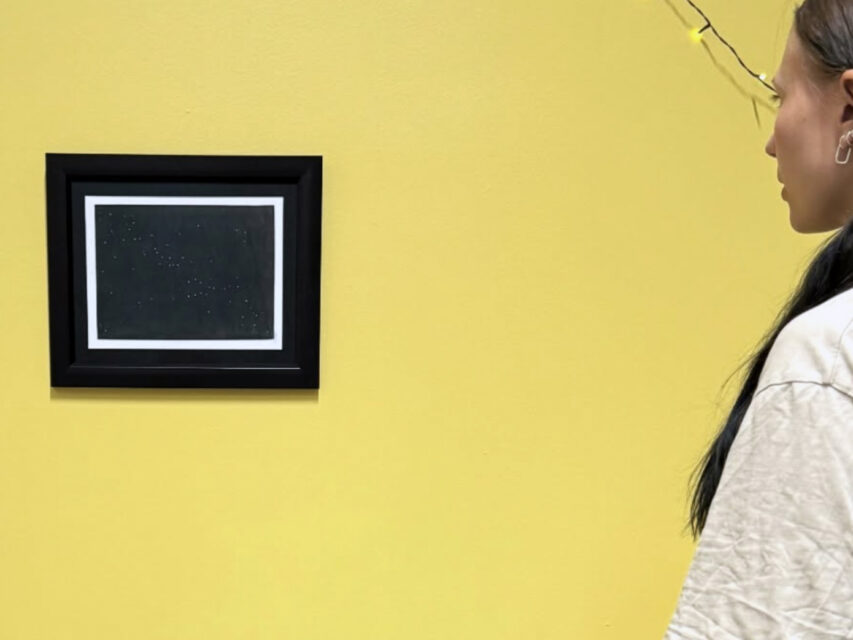
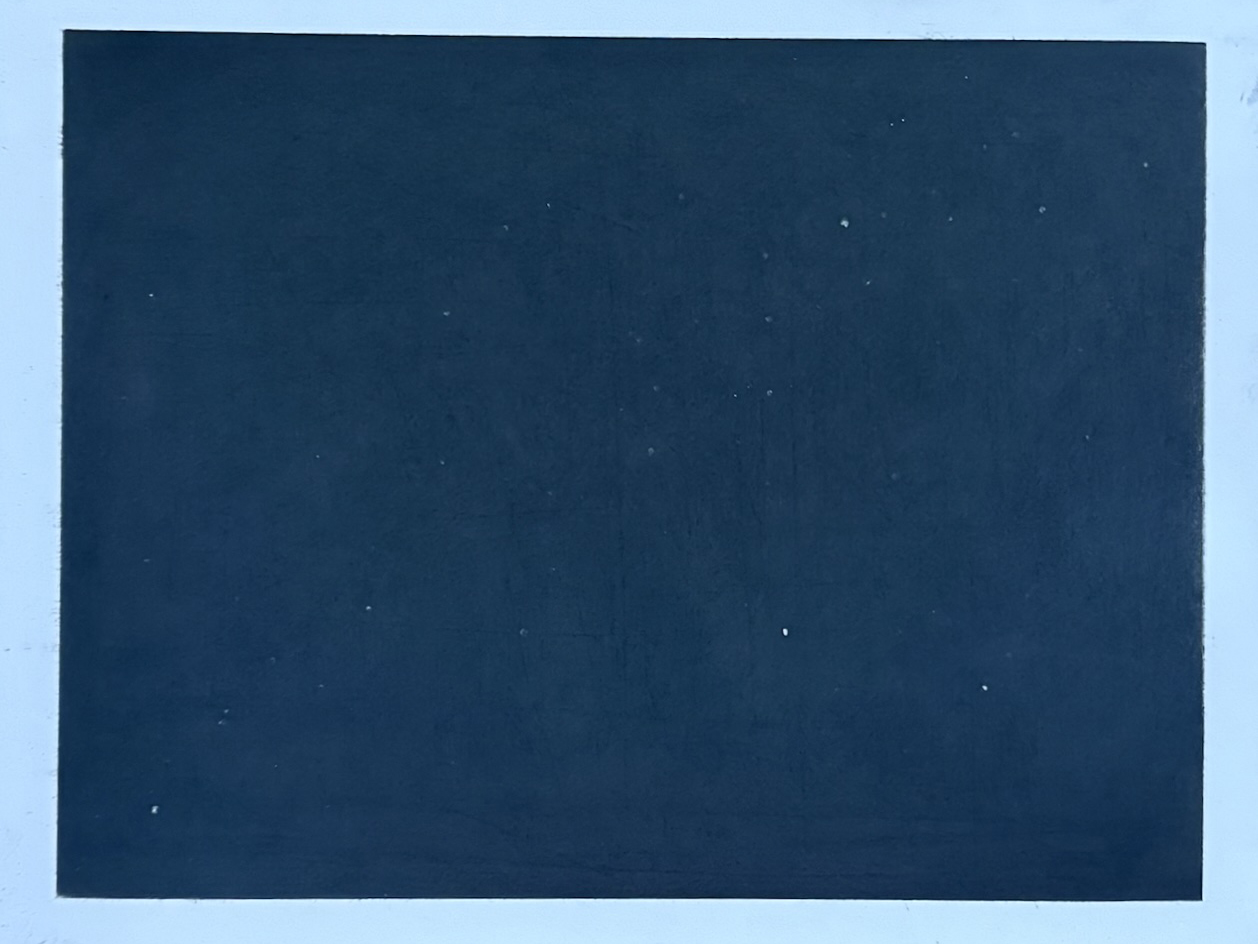
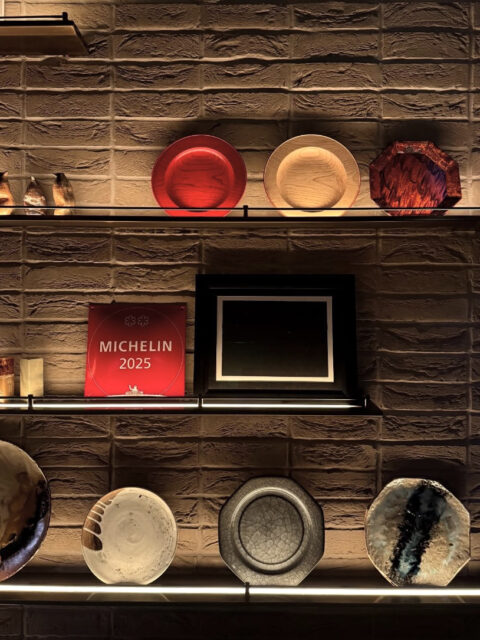
From August through mid-October, Helsinki Urban Art gallery displayed Gora’s work; one of his drawings is still up at Kitchen Table, a double-Michelin-starred restaurant in London. The series depicts night skies in various world cities. In some, like “Helsinki” and “Vail,” bright stars dominate; in others, like “London” and “New York City,” smog and light pollution obliterate the cosmos.
“We love his enthusiasm and passion,” Kitchen Table co-founder Sandia Chang says. “His work of art not only has meaning to him, but also we loved the London night he loaned us for display.” We caught up with Gora to talk about art as activism, inspiration from nature, and what’s next for the burgeoning creator.
Editor’s note: The following conversation has been edited for length and clarity.
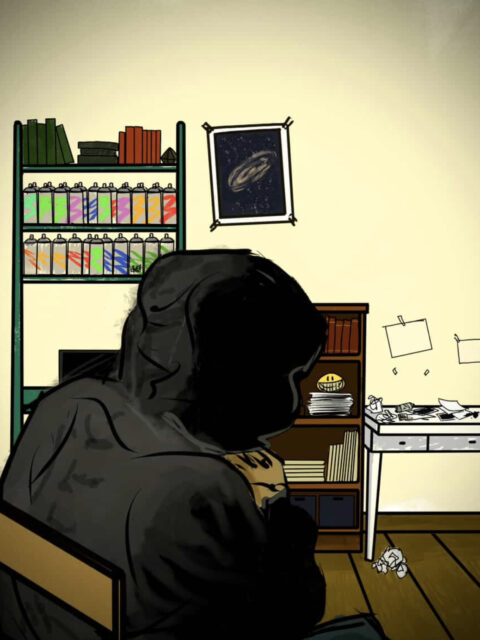
5280: You asked us not to reveal your full name or to appear in a portrait for this story. Why not?
Gora: I want viewers to focus on the art, and its meaning and beauty. Keeping that degree of anonymity allows them to focus entirely on the art and the emotions it evokes, rather than on me. And I think that layer of mysteriousness also helps to intrigue and draw people even closer into the actual artwork, while also adding a layer of privacy protection.
Where did you get the inspiration for this series?
I’d just gotten back from the peaceful, clean mountains of Colorado. I was photographing the stars. Then I decided to go outside and draw the Denver night sky. It was horrific. There weren’t many stars. It was a really sad drawing. That inspired me to draw other cities. Those became a symbol for the environmental state of each city.
What’s your process like?
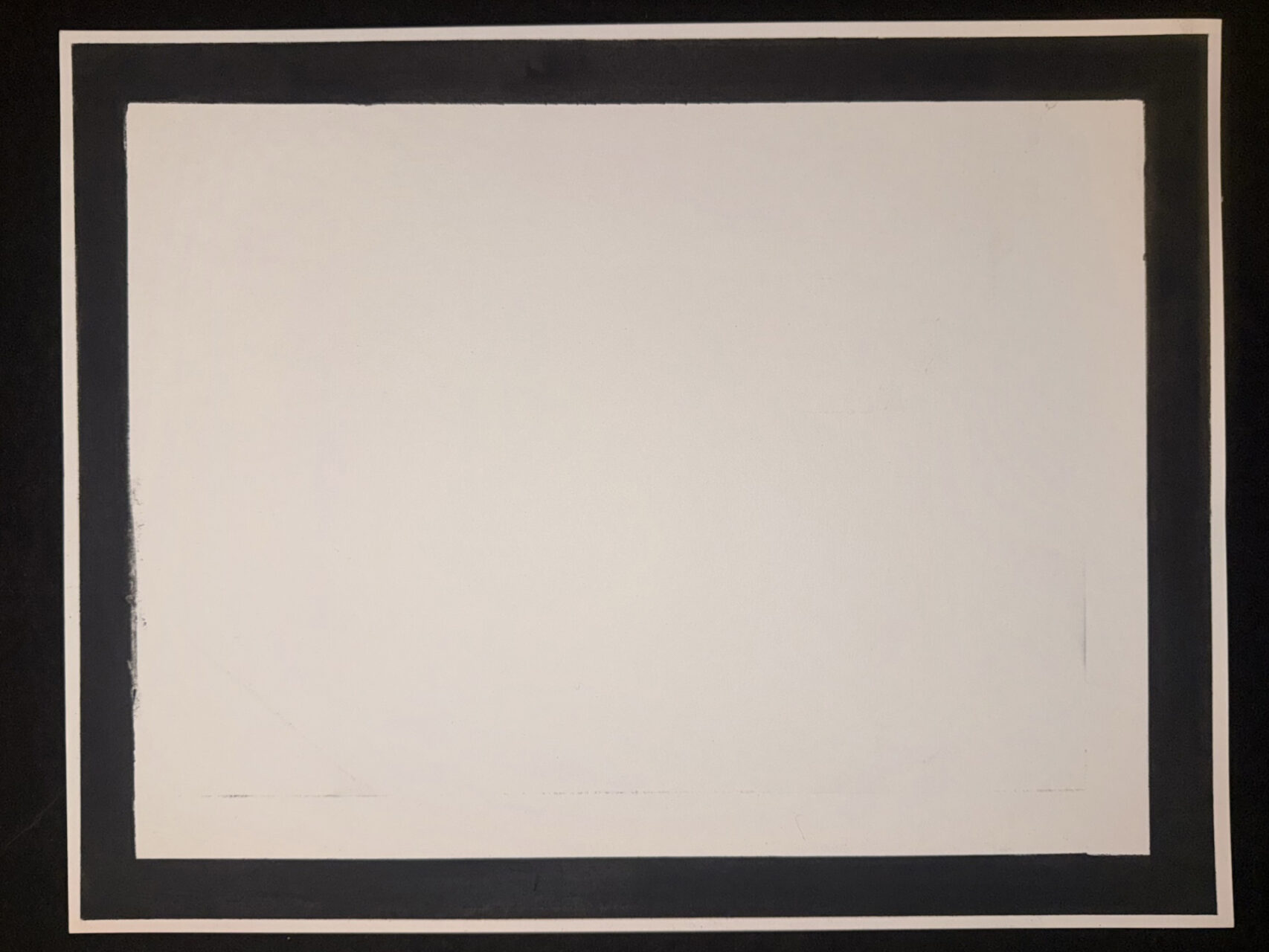
My art is really research-based. My art does have my talent and individuality in it, but I spend triple the amount of time researching the city, the environmental conditions, as I do drawing. Usually I evaluate how the piece is going to look, how many layers of stars I’m going to do, the color of the background, how vibrant or bright the stars are. For example, my piece “London” has one layer of stars, almost grayish. “Helsinki” has two layers of stars, very vibrant, with a matte black background.
What does it feel like to have two international exhibitions at your age?
It’s the pathway every artist wants. Two international exhibitions within one month of publishing a series is very validating. These countries that speak different languages, have different backgrounds—the people have seen my art and it resonates with them.
What role does environmental activism play in your work?
The whole series is really environmental activism. The whole idea [is to represent] the environmental state of the city. It’s meant to be very daunting and haunting, to look at, say, “London” and “New York City” next to a piece like “Vail” or “Helsinki.” It’s meant to make you really sad.
I’ve always viewed art as [a form of] activism. I don’t like graffiti, but traditionally it has been a way to protest, and to get activism out when other methods didn’t work. Art is a very peaceful, nonviolent, fabulous way to get people to care about something you care about. Whether that’s your love, or your fear, in my case.
What’s next for you?
My goal by the end of this year is to get longer-term gallery representation in Denver. My second goal is that, in five to 10 years, enough will have changed in the environment that I won’t have to make sad art anymore. That one day I can make bright drawings with actual stars.