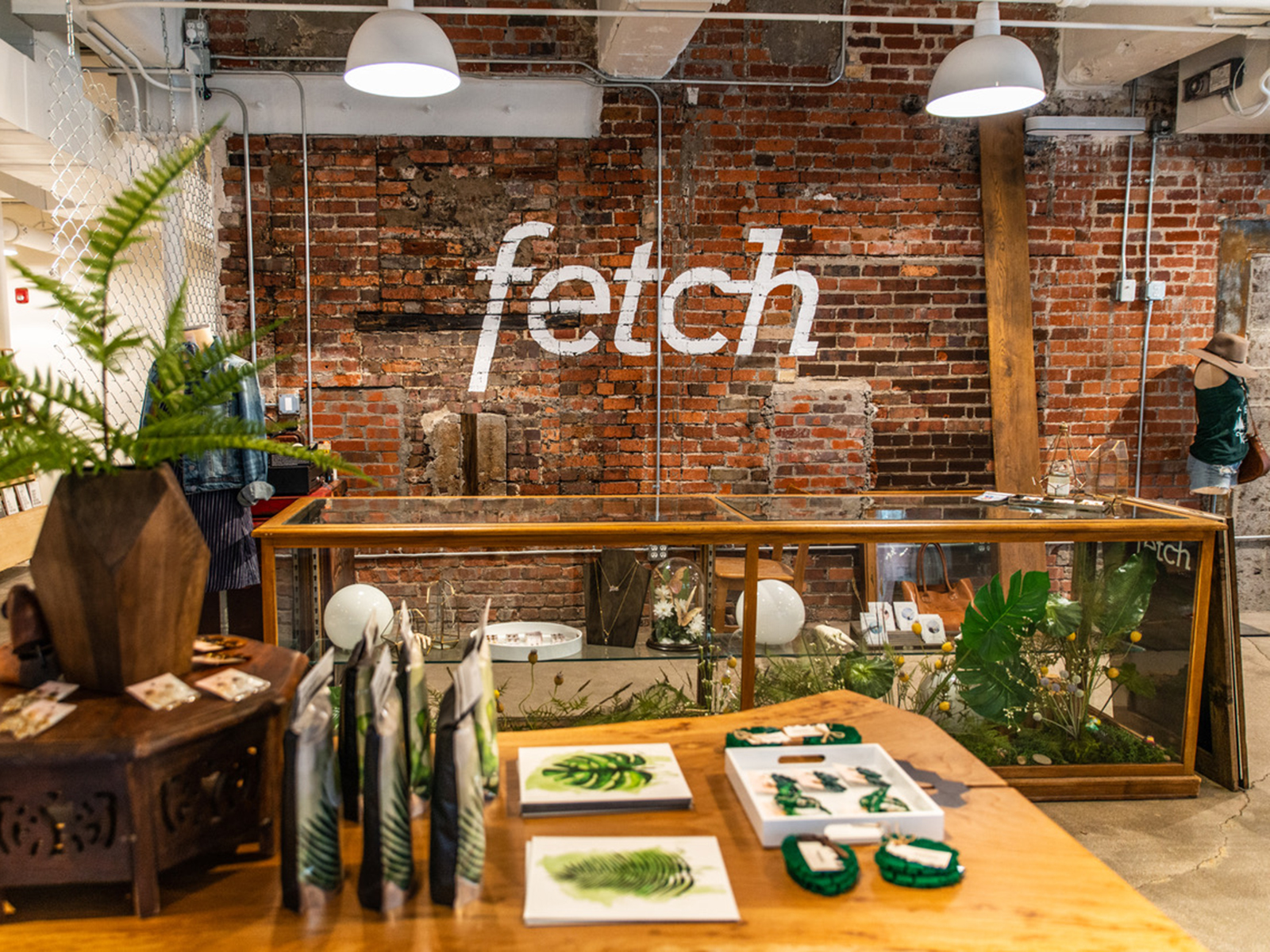
Dairy Block’s Newest Resident Is Fetch
The new brick-and-mortar on Blake Street will rotate up to 50 artisans from Centennial State and beyond.
The new brick-and-mortar on Blake Street will rotate up to 50 artisans from Centennial State and beyond.
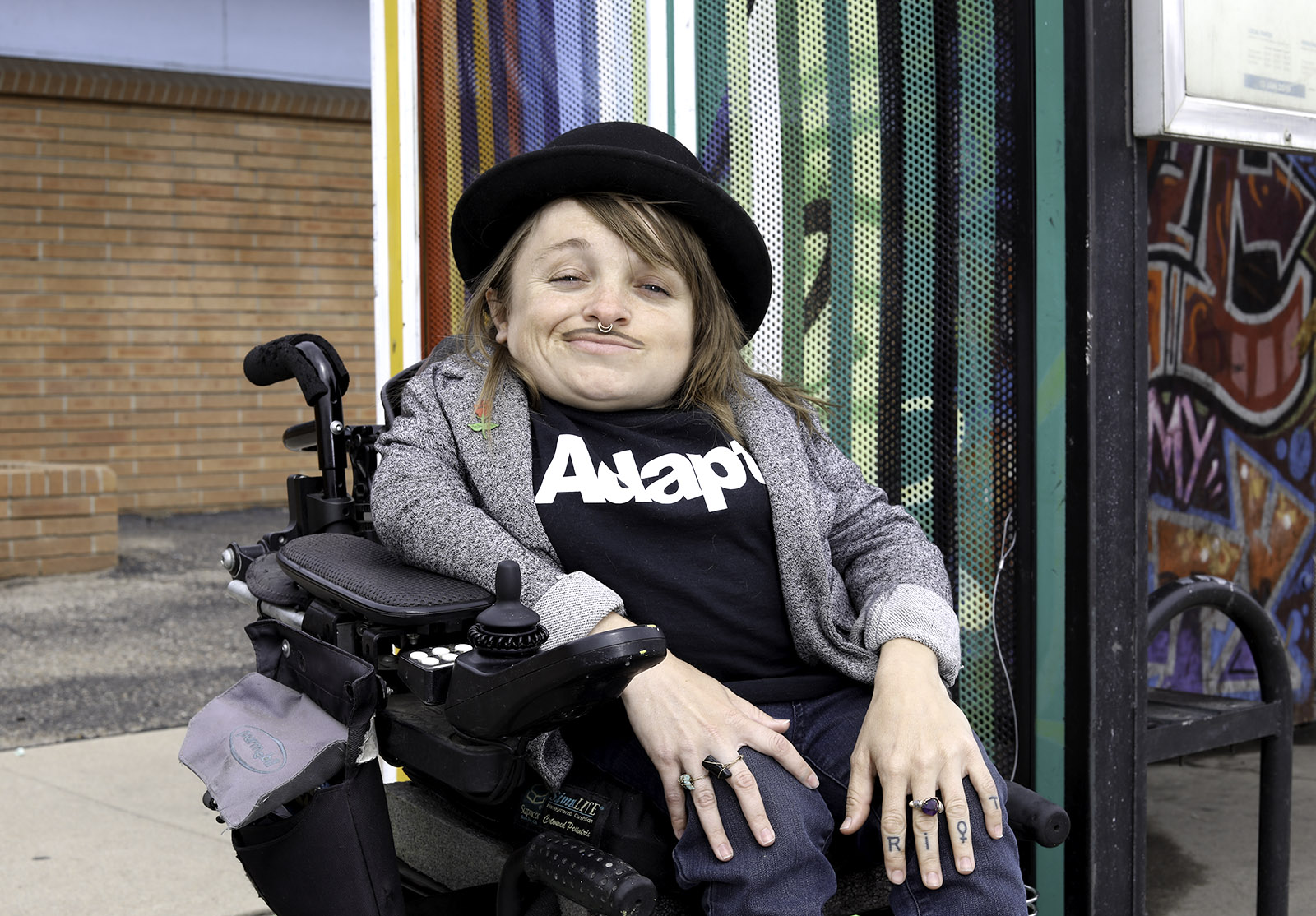
The former mayoral candidate talks about the campaign, the runoff, and what’s next.
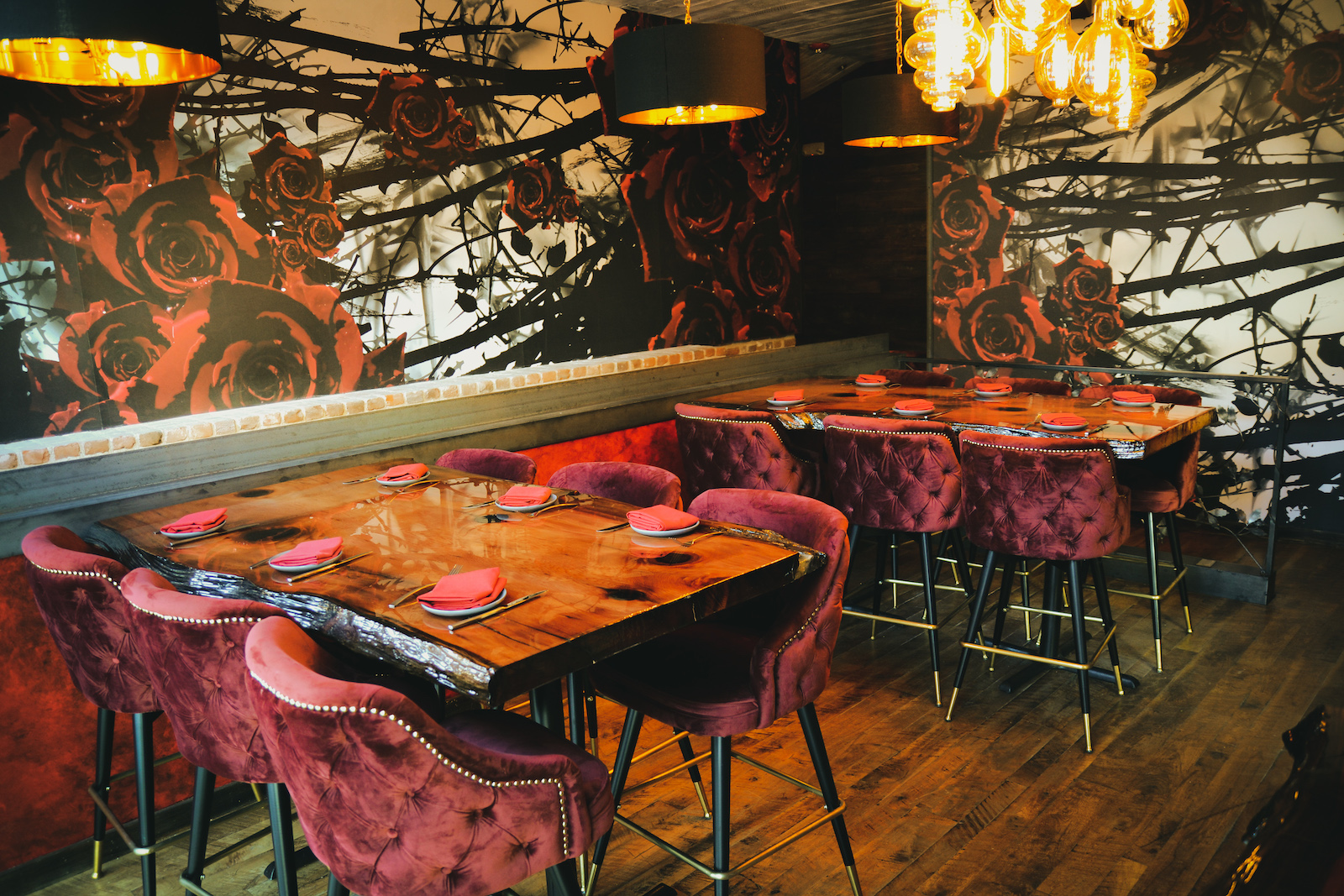
The restaurant includes an underground speakeasy called Double Barrel Club.

Crate & Barrel’s hip sister store CB2 has teamed up with designer Charlie Ferrer to bring one-of-a-kind vintage furnishings and accessories to its retail stores—including its year-old location in Cherry Creek North.

The Vermont-born noodle shop serves three classic styles of ramen.
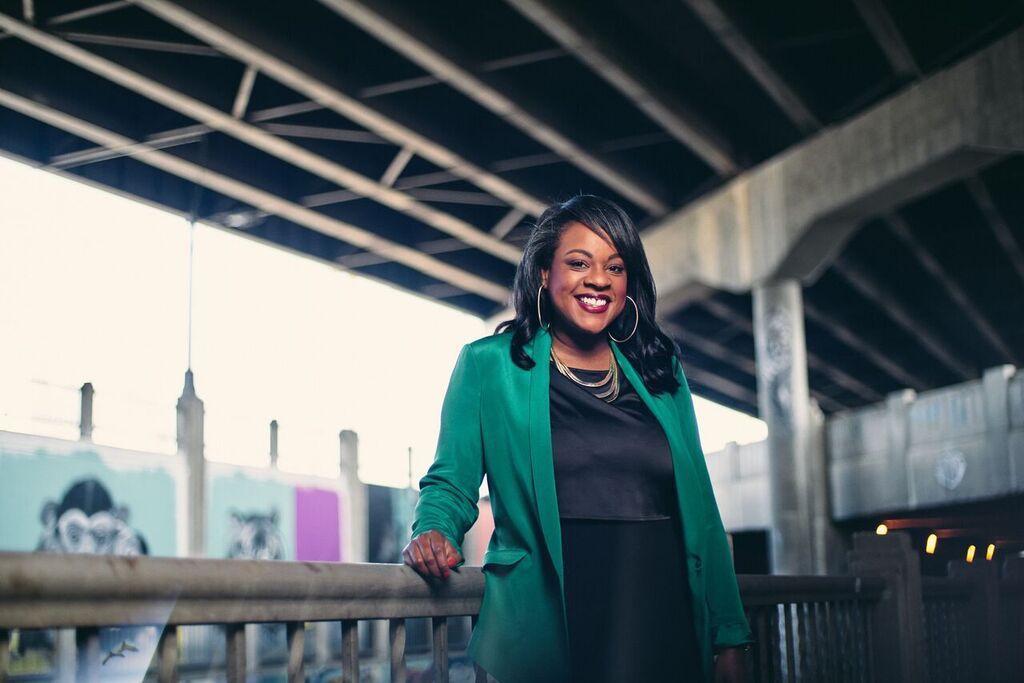
The state representative sat down with 5280 to review a “chaotically successful” 2019 session, in which many of the bills she sponsored became law.

The pilot project, which has provided 11 tiny homes to people experiencing homelessness since 2017, relocated to Globeville earlier this month, despite concerns from neighborhood residents.

The LoHi stalwart has undergone a radical design transformation and, thanks to new partner and Baja chef Javier Plascencia, so has its food.

Thanks to a handful of brands, streetwear is finding a foothold here in the Mile High City.
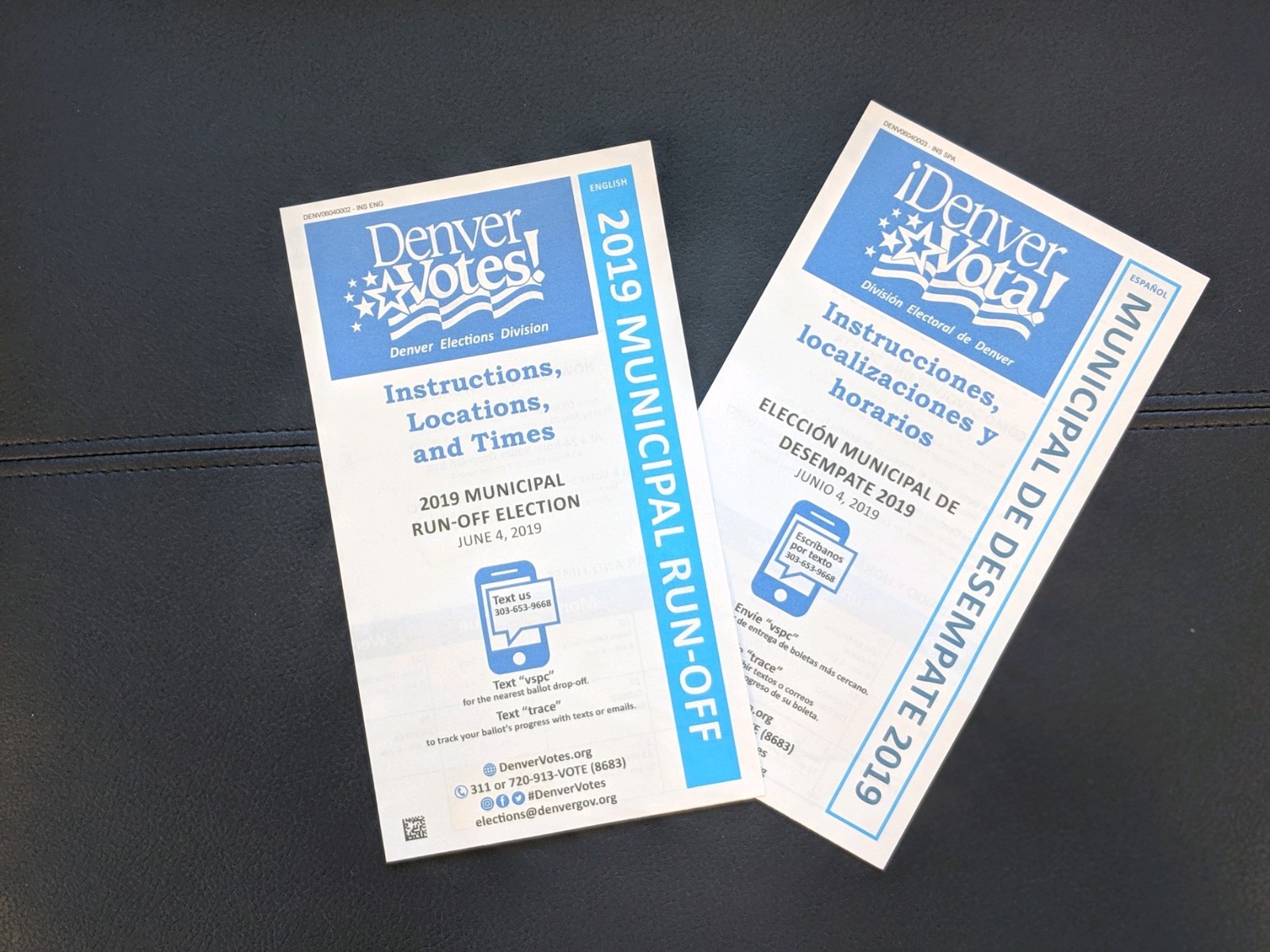
As the Mile High City tries to make up its mind about who should win in the 2019 runoff races, what can we learn from past elections?

Years in the making, pitmaster Karl Fallenius’ brick-and-mortar restaurant is finally serving its smoky goodness in RiNo.
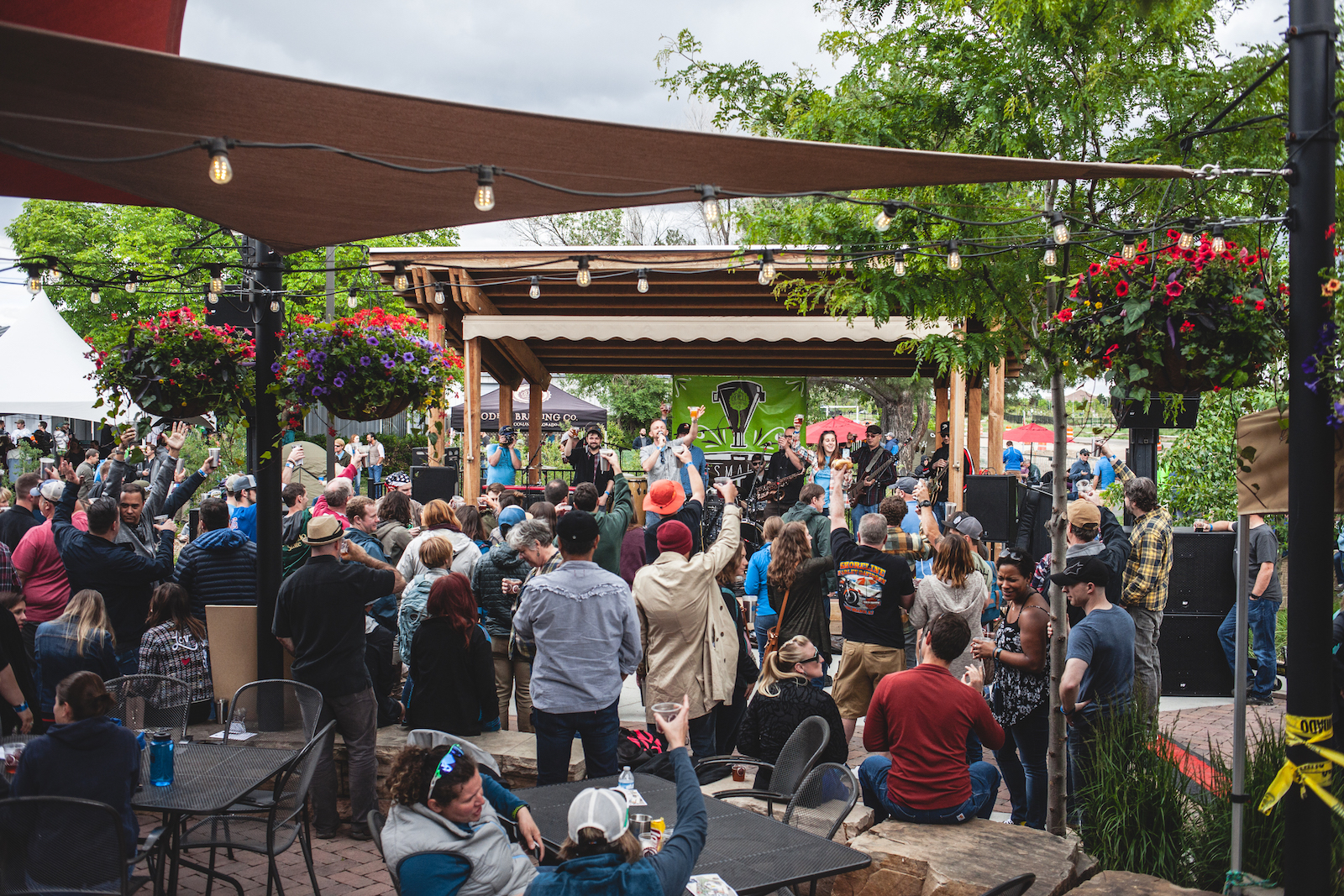
Even if you didn’t book a mountain town getaway for the holiday weekend, we’ve got you covered with this list of the best events happening in Denver and throughout the Centennial State.

The fitness studio is the fourth Tough Mudder Bootcamp in the world. We stopped in to try it out.

Dig into the latest prehistoric discovery as scientists from the Denver Museum of Nature and Science uncover long-buried fossils.

Ku Cha House of Tea’s third outpost sells more than 170 varieties of tea.

Here are some of the most important tweets, comments, and questions about the race to become Denver’s next mayor.
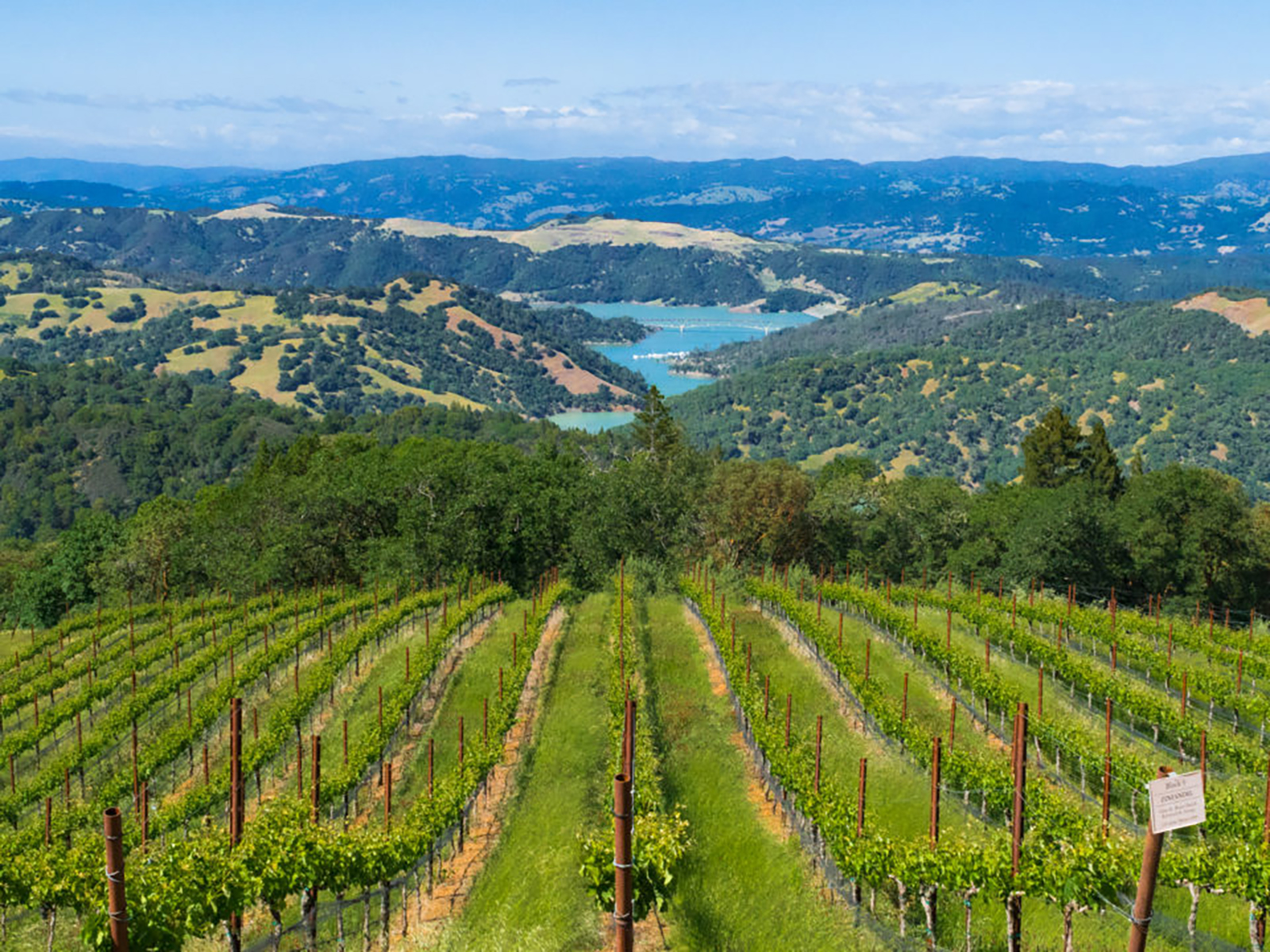
Make the most of your summer with one of these direct flights out of Denver International Airport.

The annual Memorial Day weekend festival brings adventure stories from around the world to viewers in Telluride. Here are the four Colorado-based films we’re particularly stoked about as the busy event kicks off.

For those times when you need a beer and don’t want to have to book a babysitter.

The two-term incumbent mayor is making the pitch to Denver voters for four more years while facing criticism about growth, sexual harassment claims, and a lack in cohesive strategy.