


The Local newsletter is your free, daily guide to life in Colorado. For locals, by locals.
The most expensive game day experience in college football this season won’t be in the shadow of all those national championship trophies in Tuscaloosa, in the bayou of Baton Rouge, under the careful watch of Touchdown Jesus in South Bend, or in Columbus, the home of the reigning national champions. Rather, it will be in Boulder, at least according to the findings of a recent study from the website Oddspedia.
If the results seem stunning, particularly for our more pigskin-inclined friends south of the Mason-Dixon Line, there are some cold, hard data that vaulted the Buffs to the top of the rankings: Two tickets, parking, two beers, two sodas, and two hot dogs costs $302 in Boulder, the highest among all Football Bowl Subdivision programs. Ball in Alabama costs $295, followed by Texas ($292), Notre Dame ($291), and Georgia ($289). Game day at Western Kentucky costs only $84.
“Colorado has vaulted into the upper echelons of college football in terms of brand visibility and media exposure, even if the results on the field haven’t yet matched the expectations,” says Andy Whiteoak of Oddspedia. True: The program was a laughingstock before Deion Sanders’ arrival and a sideshow in his debut season.
But last year, Colorado football enjoyed a long-awaited breakthrough, going 9-4, matching its win total from the previous three seasons combined. And until the final week of the regular season, the Buffs were in contention for a berth in the Big 12 Championship Game and a spot in the College Football Playoff. While starring at both cornerback and wide receiver, Travis Hunter became Colorado’s second Heisman Trophy winner ever.
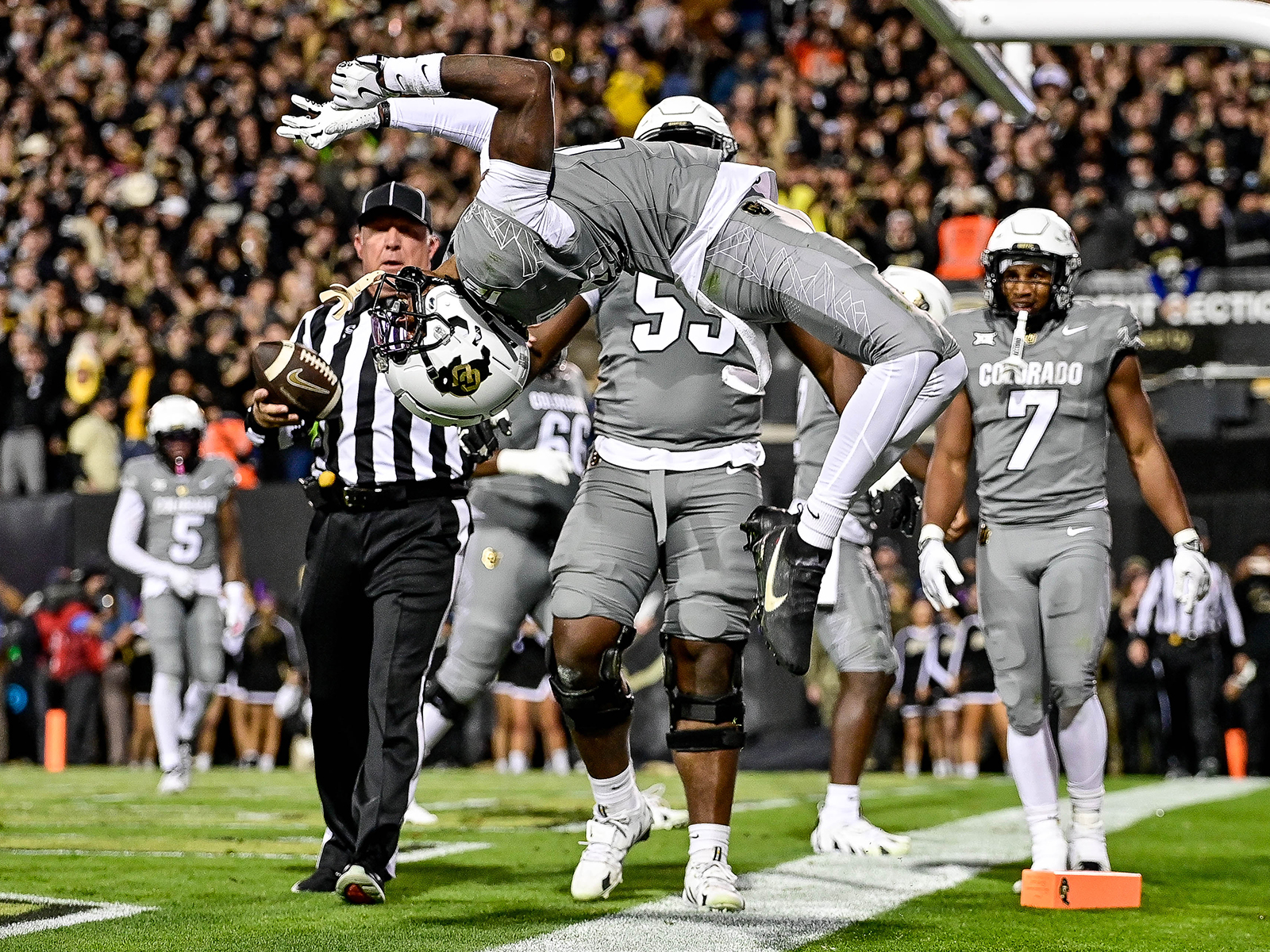
The black-and-gold faithful who crowded into Folsom Field were treated to many of the most thrilling moments of a memorable season, from Shedeur Sanders’ Hail Mary touchdown pass against Baylor to Hunter’s three-TD performance (with an interception!) in a 52-point blowout against Oklahoma State.
Perhaps that’s why, this season, a pair of tickets will set Boulder football fans back an average of $228, the highest mark of the programs studied. Parking, which can be at a premium near Colorado’s campus on a normal day, runs an average of $30. Once inside the stadium, it’s slightly more manageable, with two sodas going for an average of $14, two hot dogs for $10, and two beers for $20 (a whole $20 cheaper than at former Pac-12 rival Stanford, which serves up the most expensive brewskis in the country).
Why is gameday so expensive at Folsom Field? For one, there’s a relative scarcity. Unlike many of the historical powerhouses and annual national title contenders, which play in stadiums with capacities upwards of 100,000, Folsom Field seats only 50,183, making it the second-smallest venue among teams ranked in the survey. (The smallest, Kansas, is about to play its first season in a stadium that underwent a $448 million renovation.)
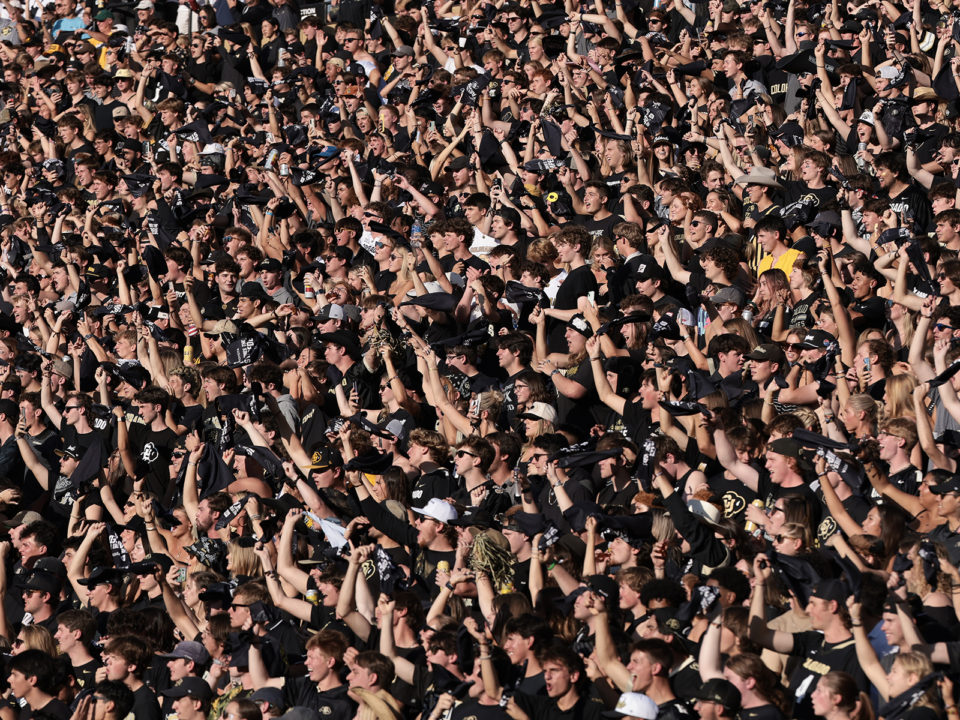
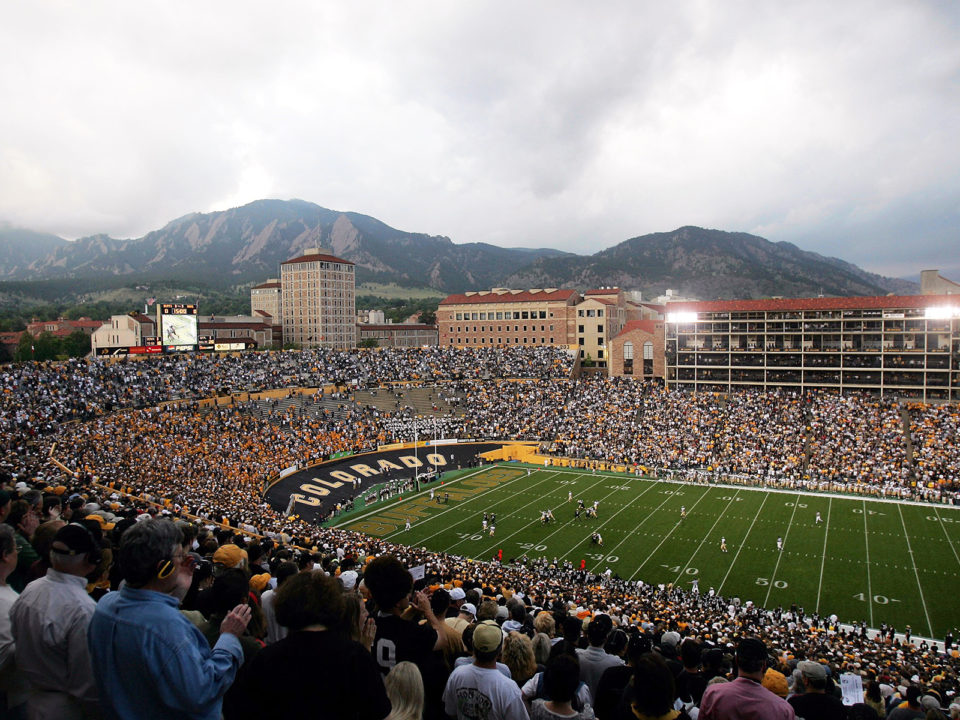
Also, Colorado’s fans have shown themselves to be exceedingly loyal. Despite going a combined 20-29 and never finishing with a winning record in a full season from 2017 to 2022, the Buffs averaged 42,487 fans per home game. (Yes, that includes the dismal 2022 season, in which Colorado finished 1-11 and lost its home games by an average of 22.5 points.)
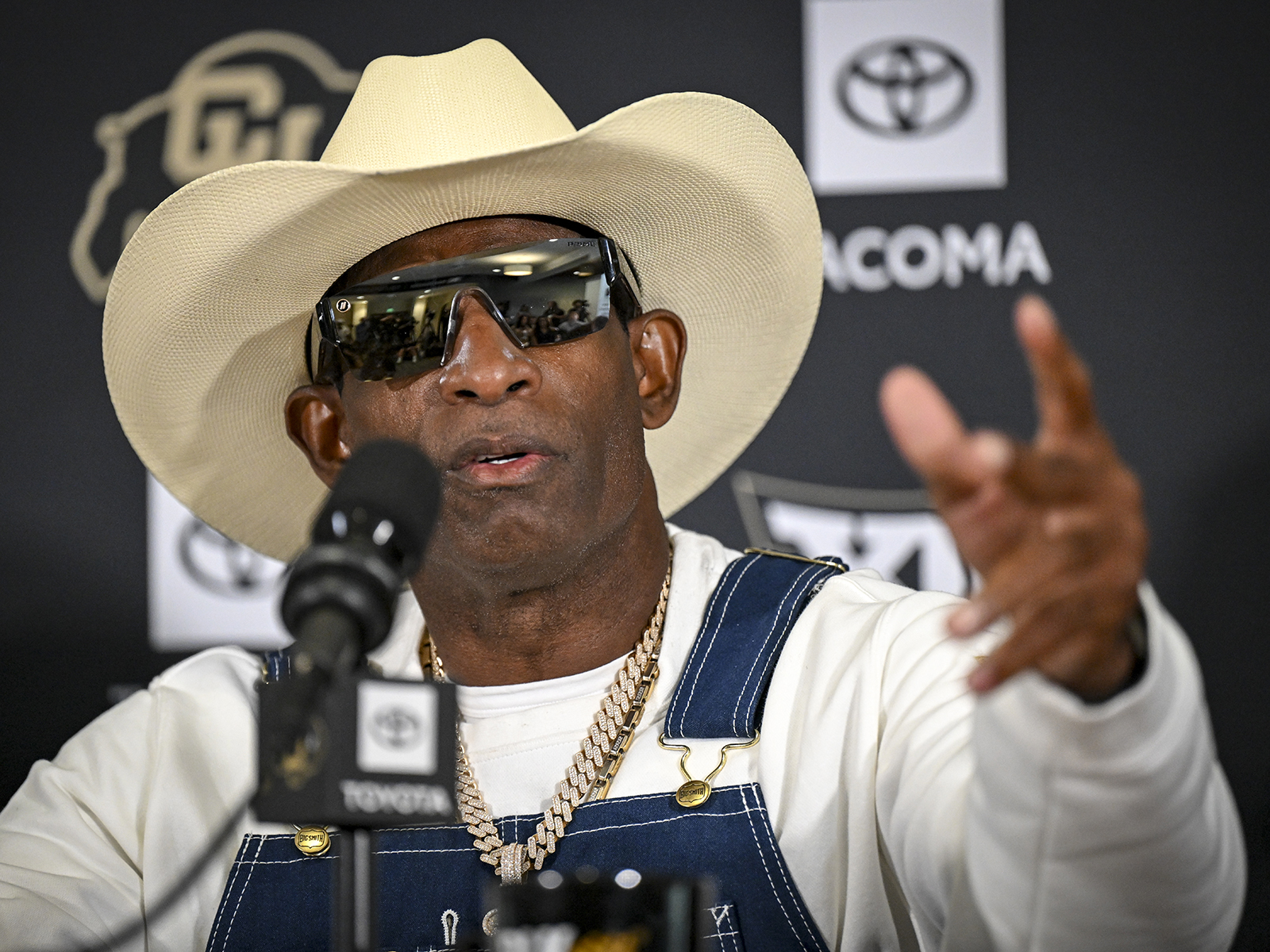
Then, of course, there’s the elephant in the room—or, more accurately, the man rocking a cowboy hat, reflective shades, and a gold whistle who happens to be one the greatest cornerbacks in NFL history. Coach Sanders transformed Colorado from a national afterthought into one of the most breathlessly discussed programs in the country. His teams have packed stadiums, attracted national television broadcasts, and generated fan excitement. Last year, that hype translated to on-field success.
Can that continue, though? There’s already evidence that interest nationally and even locally is declining in Sanders and his grand experiment in Boulder, from television ratings to the spring game, which drew 47,277 fans in 2023 but only 20,430 this past April (much to Sanders’ frustration). With Hunter, Shedeur Sanders, and several other key contributors from last season’s Alamo Bowl team gone, it’s reasonable to expect a bit of a backslide from a squad that, at least on paper right now, doesn’t have the same starpower it did nine months ago.
But if Colorado falls off a bit in Sanders’ third season, there could be a silver lining for Buffs fans: Perhaps it won’t be so expensive to see their team play next year.
Read More: