



The Local newsletter is your free, daily guide to life in Colorado. For locals, by locals.
In Aspen, the contrasts are hard to miss. Along the quaint streets, Gucci and Prada gleam in window displays. The median home price last year was $13.4 million, with most properties exceeding $5,000 per square foot. Some hotels charge more than a grand per night during peak season, and a $25 hamburger feels like a bargain. The town caters to tourists who fly in on private jets for ski weeks and summer festivals, fueling an economy built on luxury.
And yet, locals are still woven into this resort town. Though most live in the outlying Roaring Fork Valley, they teach in the schools, staff the lifts, serve the food, and drive the buses in Aspen proper, all while trying to make the math of mountain living work. They stay for the same reason visitors come: access to one of the world’s most stunning outdoor playgrounds. But with recent inflation and wage stagnation, making a life in Pitkin County has never been harder.
Against that backdrop, Aspen One—the parent company of Aspen Skiing Company and its portfolio of hotels and resorts—has begun heavily investing in housing and childcare for its 4,500 employees who live in the valley. Its projects range from tiny homes to family apartments to preschool expansions. Altogether, Aspen One provides housing for 75 percent of its seasonal workforce and 40 percent of its year-round employees, a more ambitious approach than what most Colorado ski resorts have tried. “Stable housing and reliable childcare are foundational needs and have the power to transform an employee’s daily life,” Aspen One CEO Dave Tanner says.
But here’s the million-dollar (pun intended) question: Are these efforts adding up to something transformative—or will they simply be another patch on a fraying system?
Housing, Childcare, and a New Kind of Continuum
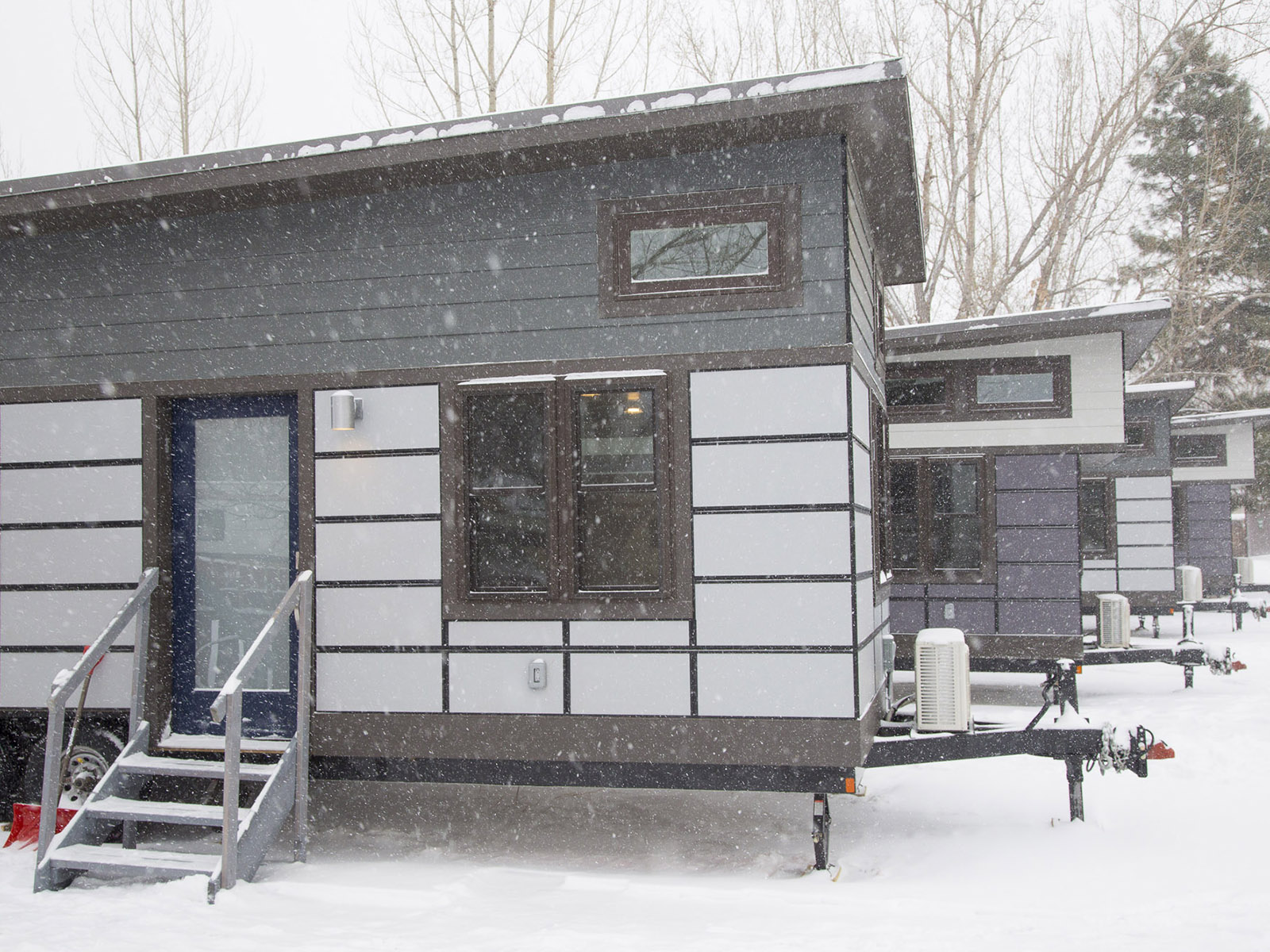

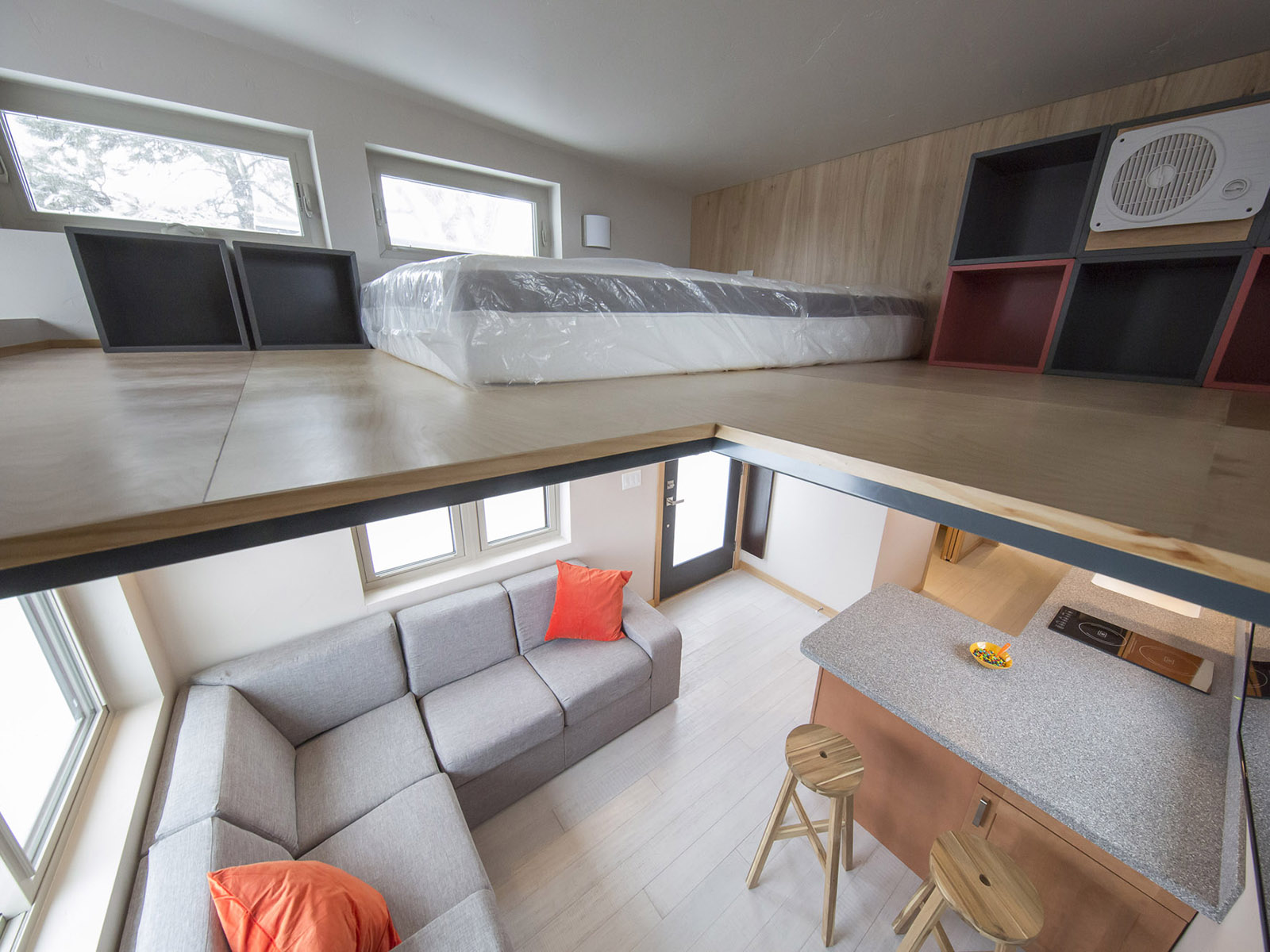
Aspen One calls its approach a “continuum,” jargon that covers a range of substantial efforts.
Take Tiny Town: a 95-unit neighborhood built on the former Aspen-Basalt Campground site. For more than five years, the project inched through approvals before finally opening this past spring. Fifty-four of the units were set aside for year-round employees, providing a stable foothold in a valley where most rentals are seasonal and competition is fierce.
Meanwhile, in Snowmass Village, the company is pursuing a 30-unit project called the SHOP, set aside for workers tied directly to on-mountain and hospitality jobs. It’s now moving through the town’s approval process, with construction anticipated in the next year or two. Downvalley, Aspen One has a contract on EJ Crossing, a 20-acre parcel already cleared for residential development, where its plans call for more than 100 homes. If approved by Eagle County, it will be the largest housing initiative the company has ever taken on—and it’s entirely dedicated to year-round workforce housing.
But housing is only one part of the equation. Access to childcare—particularly for infants and toddlers—remains another major constraint across the Roaring Fork Valley. In Carbondale, Aspen One invested $500,000 in an expansion of Blue Lake Preschool, which created capacity for 33 additional children, with an added infant room and after-school care. Aspen One’s vice president of housing and childcare, Heather Henry, says the project marks a shift from Aspen One’s historically philanthropic approach to childcare toward more direct involvement, including a childcare subsidy pilot program expected to launch in 2026.
Alongside those projects, Aspen One has partnered with Pitkin County to flip some units out of the short-term rental pool into long-term leases, adding options that might otherwise have disappeared into Airbnb listings. It also runs the Tenants for Turns program, offering ski passes to homeowners who rent rooms or apartments to local workers for the season. And in an unusual step for a resort operator, the company has contributed to the preservation of mobile-home parks, acknowledging that they remain some of the last affordable options for families in the valley.
“Investments like these will not only benefit our employees but our local communities as a whole,” Tanner says. “We measure success both quantitatively—number of units built, families served—and qualitatively, with retention, upward mobility, and community and employee well-being.”
Shared Struggles Across Ski Country
Of course, Aspen’s challenges are hardly unique. Across Colorado’s resort towns, employers wrestle with the same shortage of housing and childcare. Vail, for instance, has tried to expand workforce housing, including via a proposed 165-unit development in East Vail. Initially approved in 2019, the project led to a high-profile clash with the town over wildlife protections and was officially squashed.
In Steamboat, Sarah Leonard, CEO of the Steamboat Springs Chamber of Commerce, says that the ski area opened its own on-site childcare for employees, even though it operates at a financial loss. She adds that while the ski area is planning new “missing middle” housing, it’s the local hospital that has actually opened workforce lodging—but that new complex is already full, with a waitlist. The reality is that no single organization can solve the problems on its own.
In Aspen, Aspen Valley Health (AVH), one of the valley’s largest employers, has been grappling with the same workforce pressures as the resort. “Housing and childcare are our top two challenges to attracting and retaining high-caliber health care professionals at Aspen Valley Health,” says Tom McCauley, the hospital’s chief human resources officer. “Housing certainly impacts everyone…but also those who we recruit to the valley through simple sticker shock.”
To counter that, AVH has purchased apartments, condos, and single-family homes, all aimed at making it possible for employees to stay in the valley. Some fixes are creative stopgaps: “For example, a nurse from as far away as Grand Junction or Denver can commute to Aspen, work three 12-hour shifts, and stay in [a housing unit] on the nights in between,” McCauley says. “They can then return home after their third shift, which allows us to utilize one housing unit for more than one employee in a given week.” The hospital is also preparing to launch the Beaumont, a 60-unit employee housing project on the east side of Aspen; it will soon head to the City Council for approval as AVH’s most ambitious housing effort yet.
That kind of move illustrates the depth of the challenge: If the hospital can’t insulate its workforce from soaring costs, the problem clearly extends beyond the ski industry.
The Cost of Belonging
For all the talk of housing projects and childcare centers, not every local feels Aspen One is easing the squeeze. Carbondale resident Anna Rosenberg, 31, launched a petition this past fall calling on the company to lower the cost of the Chamber Pass, a discounted season pass available to locals employed by businesses registered within their community’s chamber of commerce. “I could feel the frustration bubbling,” she says. “That sense of being left out of something that’s supposed to belong to all of us.”
This year, the full-price Premier Pass (which includes unlimited skiing at Aspen’s four mountains as well as an Ikon Base Pass) costs $3,169 at the early-bird rate. (An Ikon Pass alone is $1,429.) The Chamber Pass, a Premier Pass with the local discount, came in at $2,024. To Rosenberg, that’s hardly a bargain. Her petition argues the Chamber Pass should cap annual increases and tie prices to inflation, rather than seemingly abrupt jumps every year.
“Housing and childcare are huge steps, and no one would argue otherwise,” Rosenberg says. “But affordability isn’t just about where we sleep or who cares for our kids. It’s about whether we can live here fully—not just function here. When passes are out of reach, it sends the message that locals are good enough to staff the hotels and restaurants, but not share in the lifestyle we sustain. Affordability has to be holistic: housing, childcare, transportation, and yes, access to the mountains.”
Tanner, the CEO of Aspen One, notes that on many days, locals actually outnumber visitors on the slopes, underscoring that the community isn’t just the workforce, but also a core part of the customer base. At the same time, he says, operating a destination resort has grown increasingly complex and expensive, from snowmaking and lift infrastructure to mountain safety, food and beverage operations, employee benefits, and housing. With operating costs at all-time highs, balancing affordable access for Roaring Fork Valley residents via the Chamber Pass program with the financial realities of running the resort has become more difficult.
A New Model Or More of the Same?
Taken together, Aspen One’s recent moves sketch an unusual picture in the ski industry. Millions of dollars flowing into workforce housing projects, childcare centers, and even the conversion of short-term rentals into long-term leases are not the kinds of headlines most people associate with a luxury resort. In a valley where even the hospital is scrambling to keep doctors and nurses from bolting under the weight of housing costs, those investments matter.
Still, Aspen is a place of contrasts. Ski passes that run into the thousands sit alongside new housing projects meant to keep local families rooted here. There’s affordable childcare, with a $25 hamburger after pickup. It’s that juxtaposition—generosity and exclusivity, side by side—that continues to define life in the valley.
Whether Aspen One’s efforts mark the beginning of a shift in what it means to be a ski-town employer remains to be seen. For now, the picture is complicated: progress in some areas, familiar pressures in others, and a community still trying to hold it all together.
Read More: The Colorado Ski Resort Guide