The Local newsletter is your free, daily guide to life in Colorado. For locals, by locals.
They came to Florence in 1992, two half-brothers who shared a mother, a love of collecting, and a fierce entrepreneurial ambition—one that quickly turned them into pillars in a town best known for its proximity to Colorado’s Supermax prison, ADX Florence.
Charles Giebler and Anthony Wright built a small business empire over the next two decades, operating a funeral home, a restaurant, and a guitar shop. By 2012, Giebler had become mayor and an ordained bishop, holding weekly services at St. Jude the Apostle Parish, where Wright served as a deacon.
Then their friend and employee, 76-year-old mortician Byron Griffy, was found murdered on his property that October—and the brothers’ “myth,” as the producer of a new three-part ID/HBO Max docuseries about the crime puts it, began to unravel.
“They were icons, and they were fixtures. And they really had a hand in every aspect of life, from, you know, where you ate to where you went to listen to music to government to your death,” says Jonas Bell Pasht, executive producer of The Rocky Mountain Mortician Murder, which premieres on Wednesday, November 26.
“These little towns that may present well? There are dark secrets beneath the surface,” he adds.
Griffy, a grandfather known for hoarding gold, silver, and coins at his farm, had been found with a single gunshot wound to the back of the head, the crime scene pristine and evidence-free. A few suspects quickly emerged, including a step-grandson who’d accused Griffy of sexual abuse and a handyman he’d paid for sexual services who was rumored to be seen covered in blood after the killing.
But then, most damningly, there were Wright and Giebler, who admitted to visiting the farm at the time of the murder, had inconsistencies in their stories, and, investigators realized, were in financial trouble.
It also turned out they weren’t brothers at all; they’d been lovers since before moving to Florence. The bombshell truth came to light when Wright left Giebler for a local woman, a probation officer and the mother of one of their employees.
“When I learned that Charles and Anthony weren’t brothers—wow,” one resident says in the new series. “It was a sense of betrayal. I think a lot of people in Florence felt that way. It’s almost like the whole town got duped.”
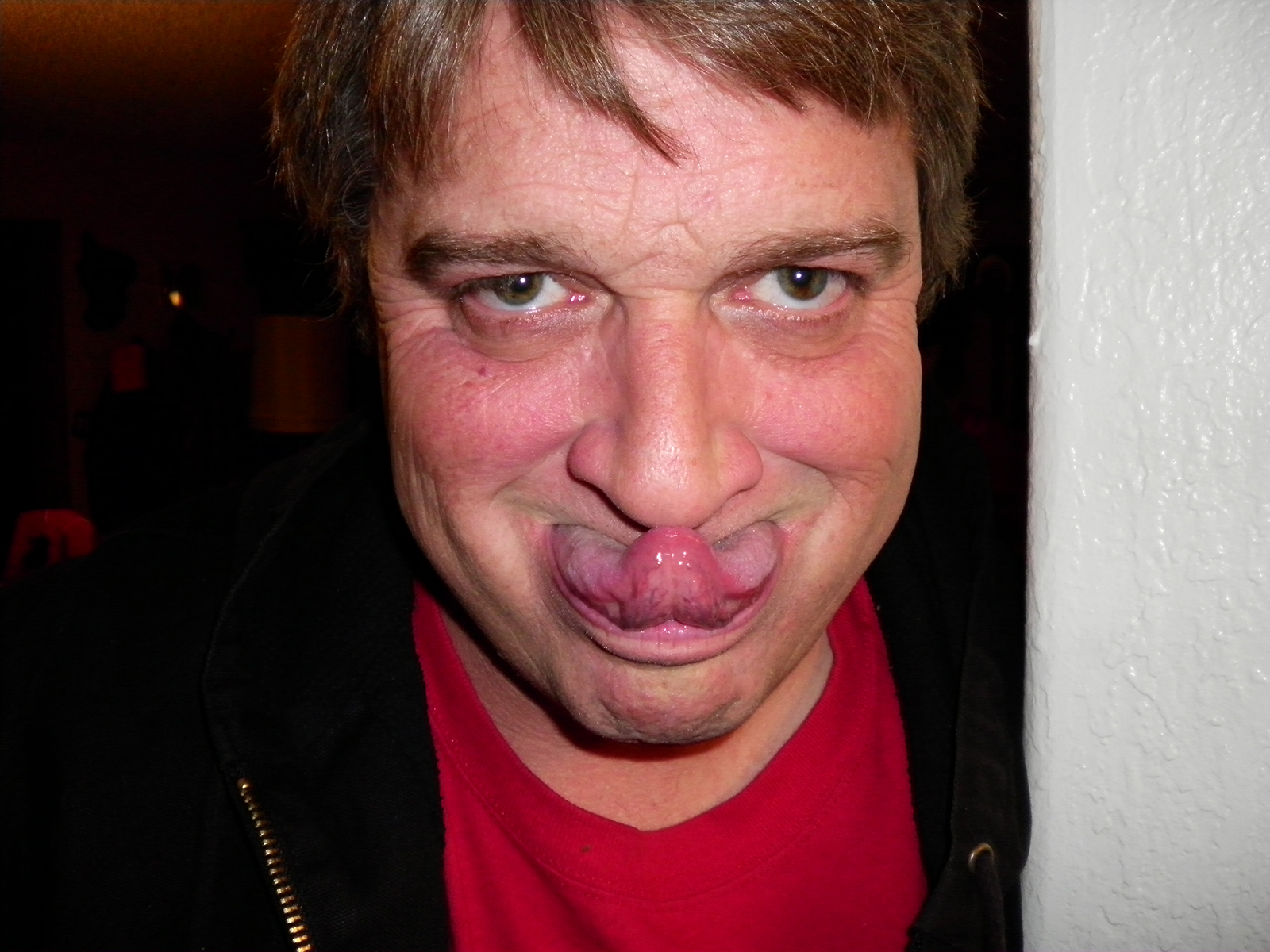
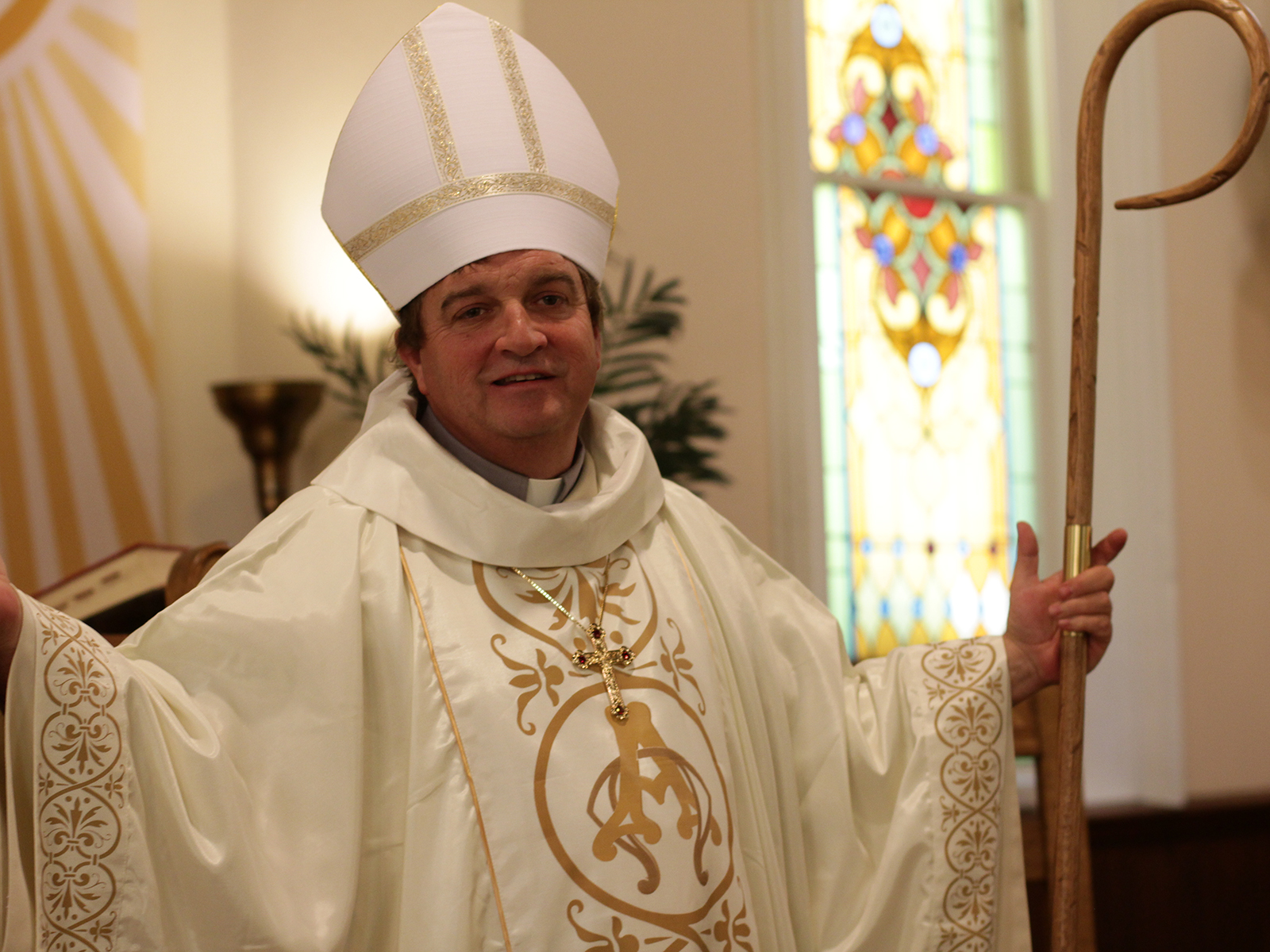
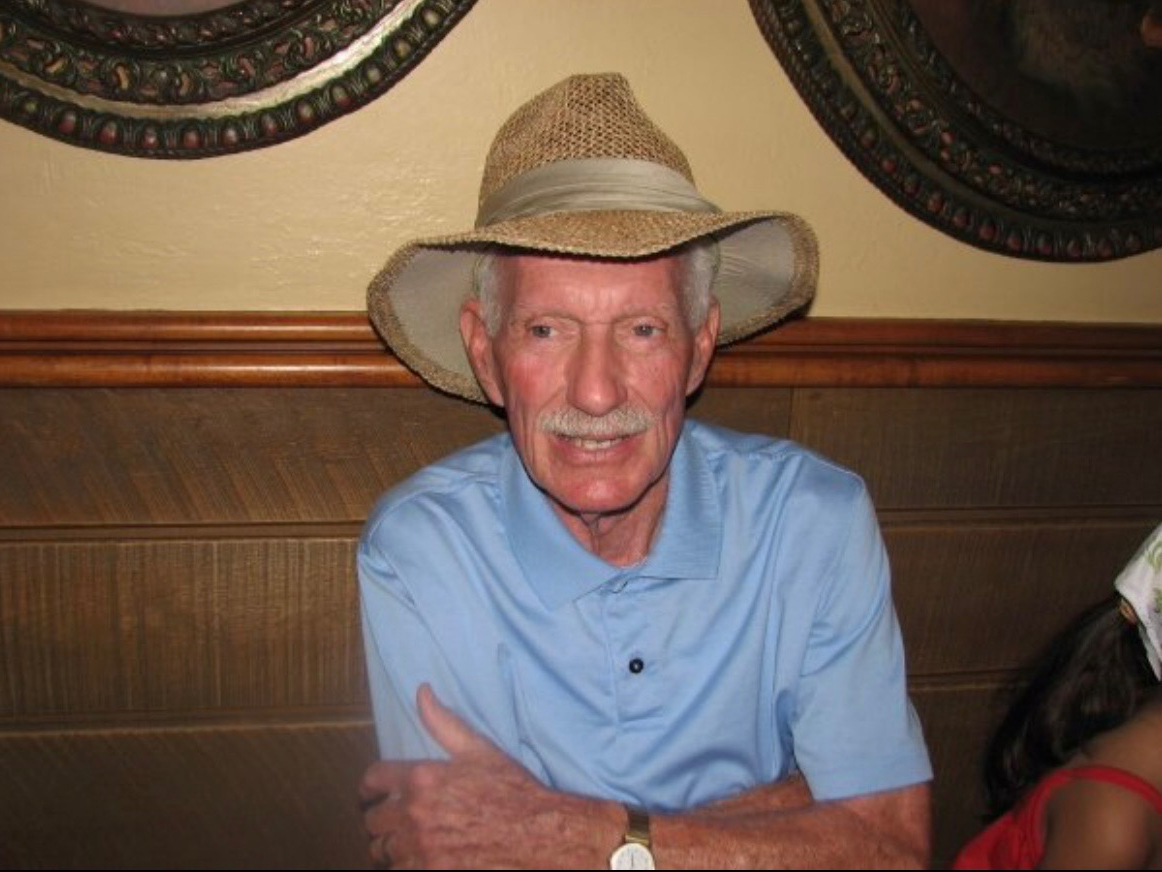
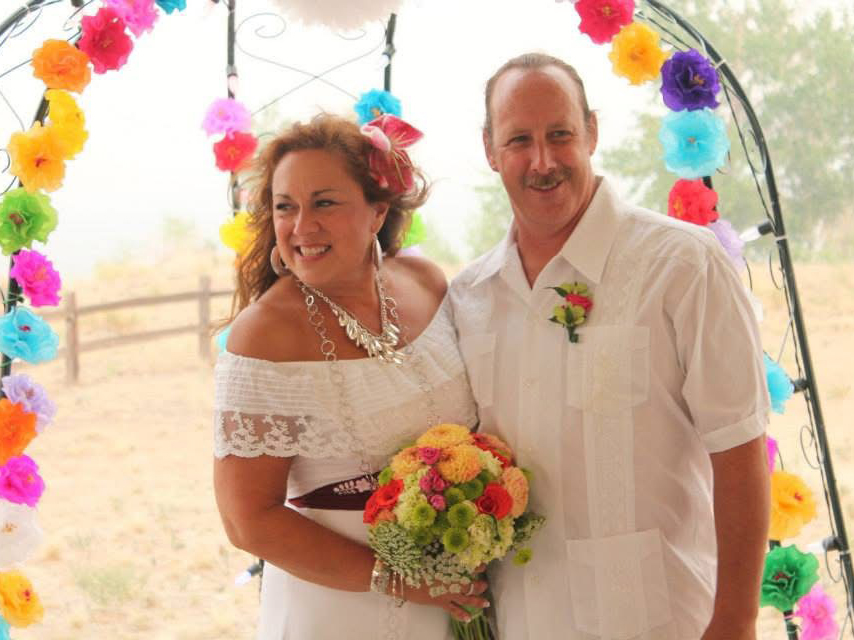
The lovers-not-brothers plotline was just one of many eyebrow-raising twists in the ongoing saga. The docuseries outlines allegations from a rival funeral home that Wright and Giebler had sabotaged vehicles and thrown smoke bombs through a window. People wondered about what really happened to a widow they’d cared for who changed her will shortly before her death to leave everything to them. Wright and Giebler had also been keeping much of Griffy’s fortune—for safety, the mortician thought—but his daughter received only a fraction of the collection.
As investigators were drawing up an arrest warrant, Giebler was found dead at his home in January 2013, three months after Griffy’s murder. An autopsy determined he’d died of natural causes, but that did nothing to quell the new raft of questions and conspiracies. Did he kill himself out of guilt and to avoid prison? Was he murdered?
Giebler was still given a mayor’s funeral: Townspeople crowded into Florence High School for the service and even discussed erecting a statue in the 52-year-old’s honor.
Paul Hatfield, a family friend and a son of Wright’s new wife interviewed in the docuseries, remembers “shaking my head in disbelief that the entire town is in this room, and they all believe something that’s not true.”
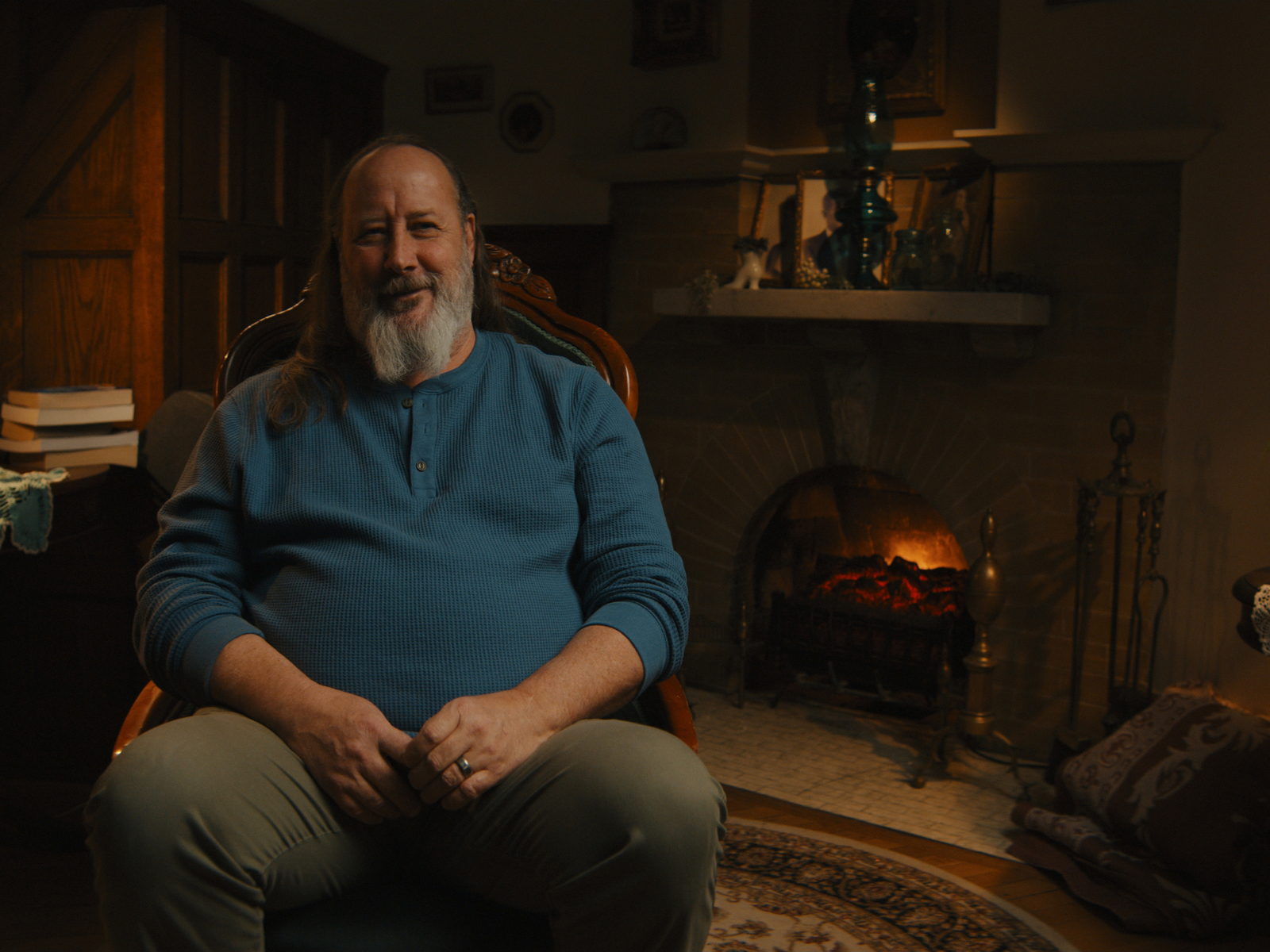
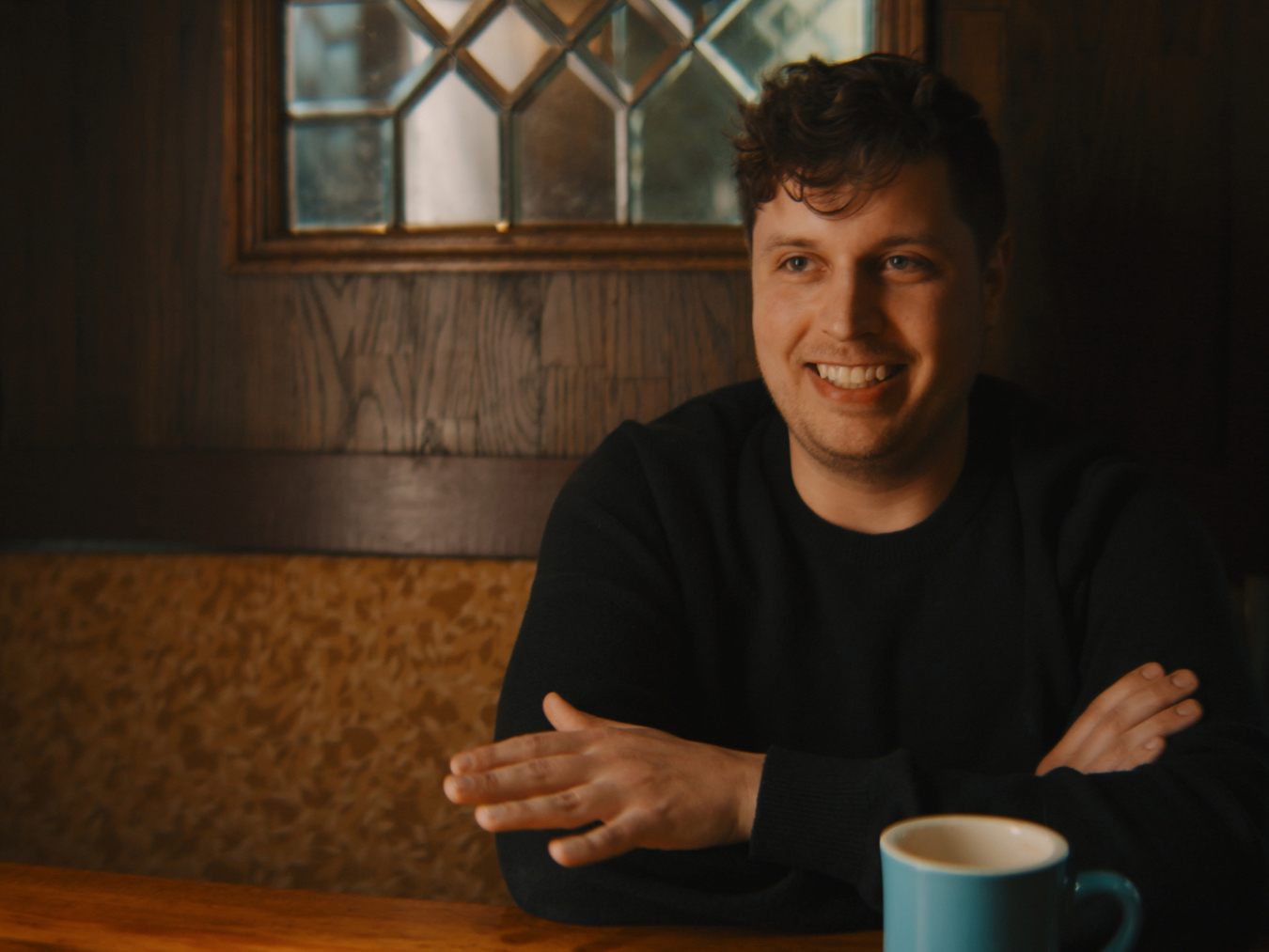
Wright stayed away from the funeral, and authorities arrested him in August. He was charged with first-degree murder and conspiracy to commit first-degree murder in connection with Griffy’s death, but Wright maintained his innocence. He didn’t kill Griffy, he said, and neither did Giebler. He accused police of “pestering” Giebler to death.
The case proceeded to trial, but the jury failed to reach a verdict and hung in 2015. Two years later, Wright pleaded guilty to felony first-degree accessory to murder to avoid jail time. He was sentenced to 10 years of probation and still insists upon his innocence. Wright and his wife, who says they “always will be” together, both participated in the docuseries.
Bell Pasht and his team only discovered the “outrageous” story about five years ago—and remained open-mouthed throughout filming in Florence.
“Everyone knows about it. Everybody,” he says. “Most people have something to say about it. Most people were prepared to talk to us. This is a subject that has divided the town, and it kind of tore the town apart.”
Even the producer and his team, he admits, weren’t sure what to think. “Going on to set each day was actually a fascinating experience, and one I never had [before],” he says, explaining that “everyone’s opinion between morning and evening had completely shifted, because everyone we spoke to had a slightly different story, and so we were experiencing this in real time.”
He believes The Rocky Mountain Mortician Murder will take viewers on the same wild ride.
“I guess I have two hopes,” he says. “The first one is that something else comes to the surface as a result of this story being out there, and someone else comes forward, some other piece of evidence is revealed. I hope something like that happens so that there can be further clarity one way or the other—or at least closure for some of the people involved.
“But I also hope people turn this on and watch it all the way through, and I hope that they are really gripped by the story.”
The Rocky Mountain Mortician Murder will premiere November 26 on ID. Episodes will be available to stream on HBO Max.