


The Local newsletter is your free, daily guide to life in Colorado. For locals, by locals.
Don’t be fooled by the sunshine and, uh, delayed snow. Winter is coming, and if you’ve noticed a chill creeping through your living room, you’re not imagining things. Those barely visible gaps around your windows and doors are working overtime to inflate your energy bills.
Welcome to winterizing season in Denver, where even homeowners with new construction can find themselves stuffing towels under doors. But there’s good news. “Drafts can be addressed without the need for full window or door replacement in many cases,” says Chris Hurd, senior director of product management at window manufacturer Marvin. “The first step is to identify the source of the draft.”

Whether you’re dealing with minor drafts or considering a full replacement, below Hurd shares seven tips for getting your windows and doors ready for winter.
1. Check if your windows are actually locked.
“Unlocked windows may not seal completely, allowing air to enter,” Hurd says. Once you’ve confirmed everything is secure, conduct a simple nighttime test using a halogen flashlight. Shine the light around the window or door edges from inside. If light shows through outside, air is leaking. Seal these gaps with caulk, weatherstripping, or insulating foam.
“For older wooden windows, reglazing may also help,” Hurd says. “Inspect for loose panes or missing glazing compound and reapply as needed to improve insulation. If these measures do not resolve the issue, it may be a sign that the windows or doors have reached the end of their functional lifespan.” Not sure where to start with reglazing? Call in the pros.
2. Give frames and glass a pre-winter cleaning.
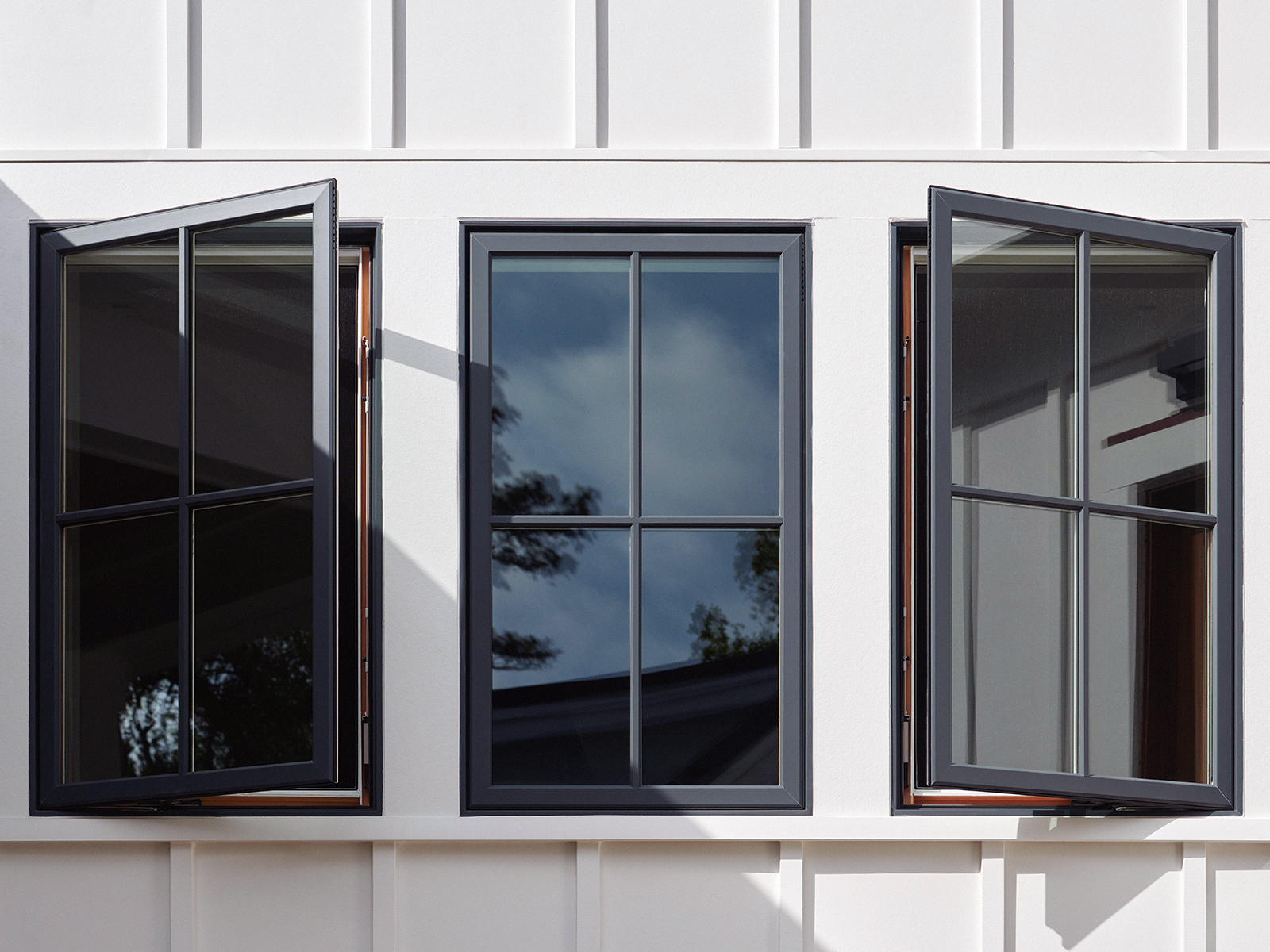
Before the deep cold sets in, give your windows and doors a seasonal refresh. “Start with a thorough cleaning on an overcast day or at a time when the sun isn’t shining directly on your windows, as direct sunshine can lead to streaking,” Hurd says. Wipe down frames and hardware with mild detergent, then clean glass with window cleaner or warm soapy water and a squeegee.
For wood doors, use a soft-bristled brush and water to remove dirt, plus cleaning solutions approved for painted wood if needed. Rinse thoroughly to prevent damage to the finish.
3. Inspect moisture-prone areas regularly.
Pay close attention to windows that receive little or no direct sunlight. “These areas tend to retain more moisture, creating conditions that are more conducive to mold growth,” Hurd says. Cleaning your windows and doors once or twice a year and regularly checking for gaps, loose panes, or missing sections of glaze can prolong their lifespans and help prevent potential issues before they develop.
4. Use drapes and blinds strategically.
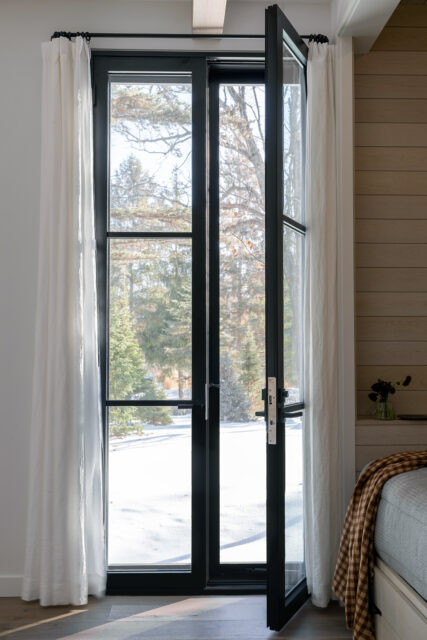
“Window treatments can help keep some warm air in when it’s cold outside, but they can also prevent sunlight from warming your home,” Hurd says. Keep curtains and blinds open during sunny hours. Free heat is free heat.
5. Know the warning signs for when it’s time to replace.
“Water getting into your home when it’s raining, drafts so strong that they move your curtains, or windows or doors that won’t open or close properly are all clear signs that it may be time to replace,” Hurd says. Unexplained spikes in your utility bills or an inexplicable chill that never quite goes away? Your windows and doors might be trying to tell you something.
6. Don’t wait until spring to replace.
While warmer weather is more favorable for window and door replacement, sometimes sooner action is necessary. “If a unit is broken or has significantly deteriorated, delaying replacement could lead to further damage or energy loss,” Hurd says. In such cases, a winter installation beats watching your energy bills climb all season.
7. Prioritize altitude-rated performance.
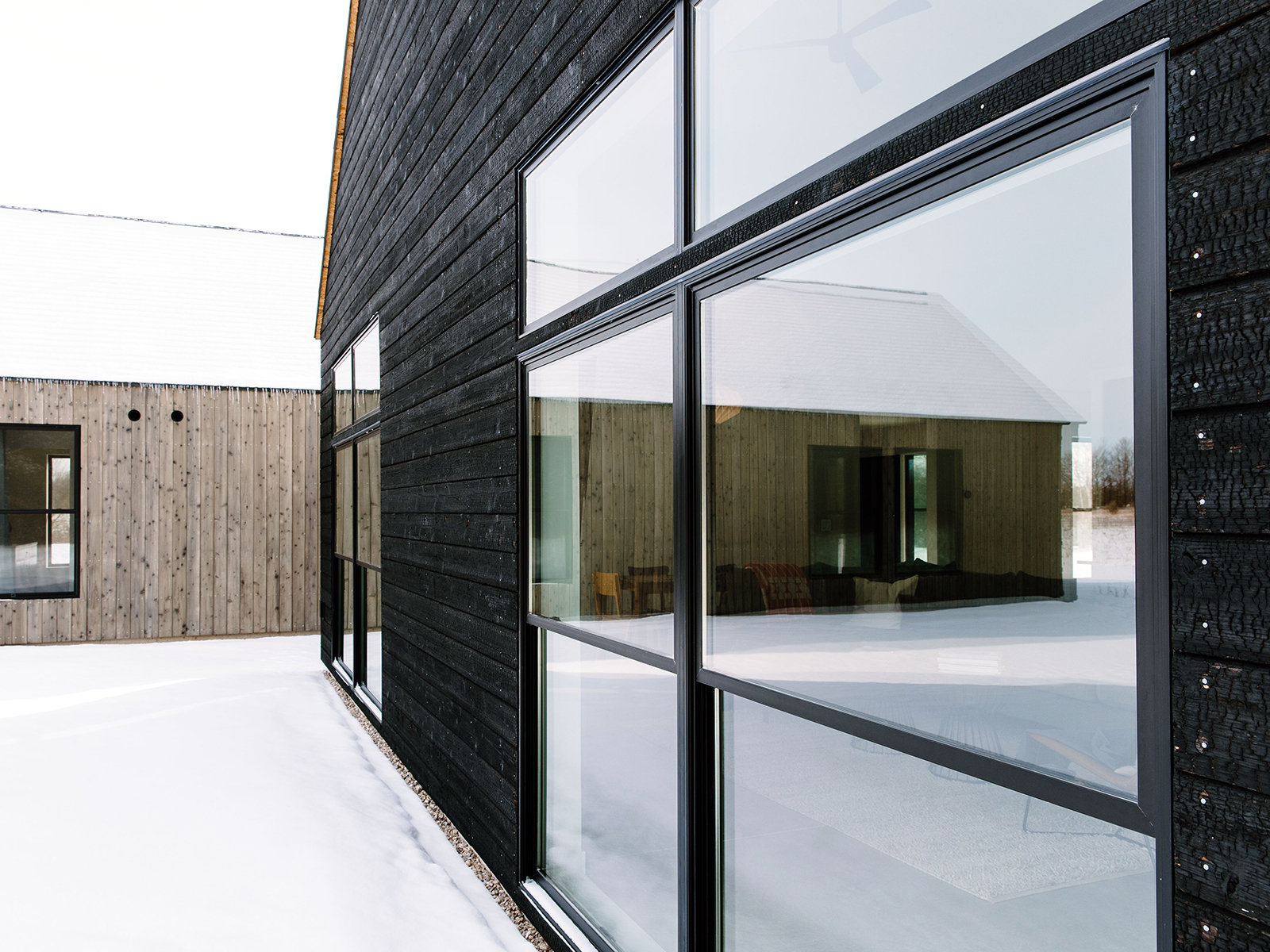
“It’s important to select windows that are specifically engineered and tested for your home’s altitude, climate, and local building codes,” Hurd says. Partnering with a trusted manufacturer and working with an experienced installer ensures your products perform reliably.
Look for durable materials like high-performance fiberglass or aluminum-clad options, plus glass rated for energy efficiency and altitude-specific performance. Yes, altitude-rated glass is a real thing, and it matters at 5,280 feet. Quality, maintained glass and doors can last more than 25 years, which puts that initial price tag in perspective.
“When you factor in the difference in performance, comfort level, and the potential hit you may take if you sell your home, cheap windows and doors may end up costing you in the long run,” Hurd says.
Read More: Style Your Front Door for Winter