


The Local newsletter is your free, daily guide to life in Colorado. For locals, by locals.
We hope you didn’t get used to the unseasonably warm weather. It’s time to think about home maintenance that will keep you from getting stuck in the cold. Some furnace tasks are straightforward and satisfying, like changing air filters or keeping vents clear, but if it’s been a while since your last inspection, calling in the pros is the safer bet.
“The first step is making sure your system is up and running,” says Jason Vela, general manager at Blue Valley Heating & Cooling in Longmont. “Turn the heat on and ensure that it begins running throughout the house.”

Below, Vela shares seven tips for getting your furnace ready for winter, whether you’re tackling simple maintenance or wondering if it’s time for an upgrade.
1. Fire it up and confirm everything works.
Before the deep freeze, turn on your furnace and make sure warm air flows throughout your home. “Inspect your furnace and clean all critical parts for your system to remove any dirt or dust,” Vela says.
During a seasonal maintenance visit, HVAC pros do all the things most of us wouldn’t know how to do (or want to): checking the heat exchanger for damage, inspecting the blower and motor for built-up gunk, and examining the furnace burner and flame sensor to make sure you’re not accidentally filling your house with carbon monoxide.
For natural gas furnaces, the most common type in Colorado, they also hunt for pipeline leaks and adjust gas pressure so your furnace heats your home instead of, you know, exploding.
2. Check and replace air filters regularly.
“In general, we recommend replacing your air filters at least every three months, but there are a few factors that can influence that,” Vela says. “We encourage you to do a monthly check to determine if it needs to be replaced more regularly.”
The size and type of filter matter—smaller, thinner filters need swapping more often, while some washable versions can last all year. Have pets? Expect to change filters more frequently thanks to shedding and dander. The same goes if you’re running your HVAC constantly during summer and winter, or if seasonal allergies have you reaching for the tissues. A filter full of dust and debris makes your system work harder, driving up energy costs and wearing it out faster.
3. Keep the furnace area clean and clear.
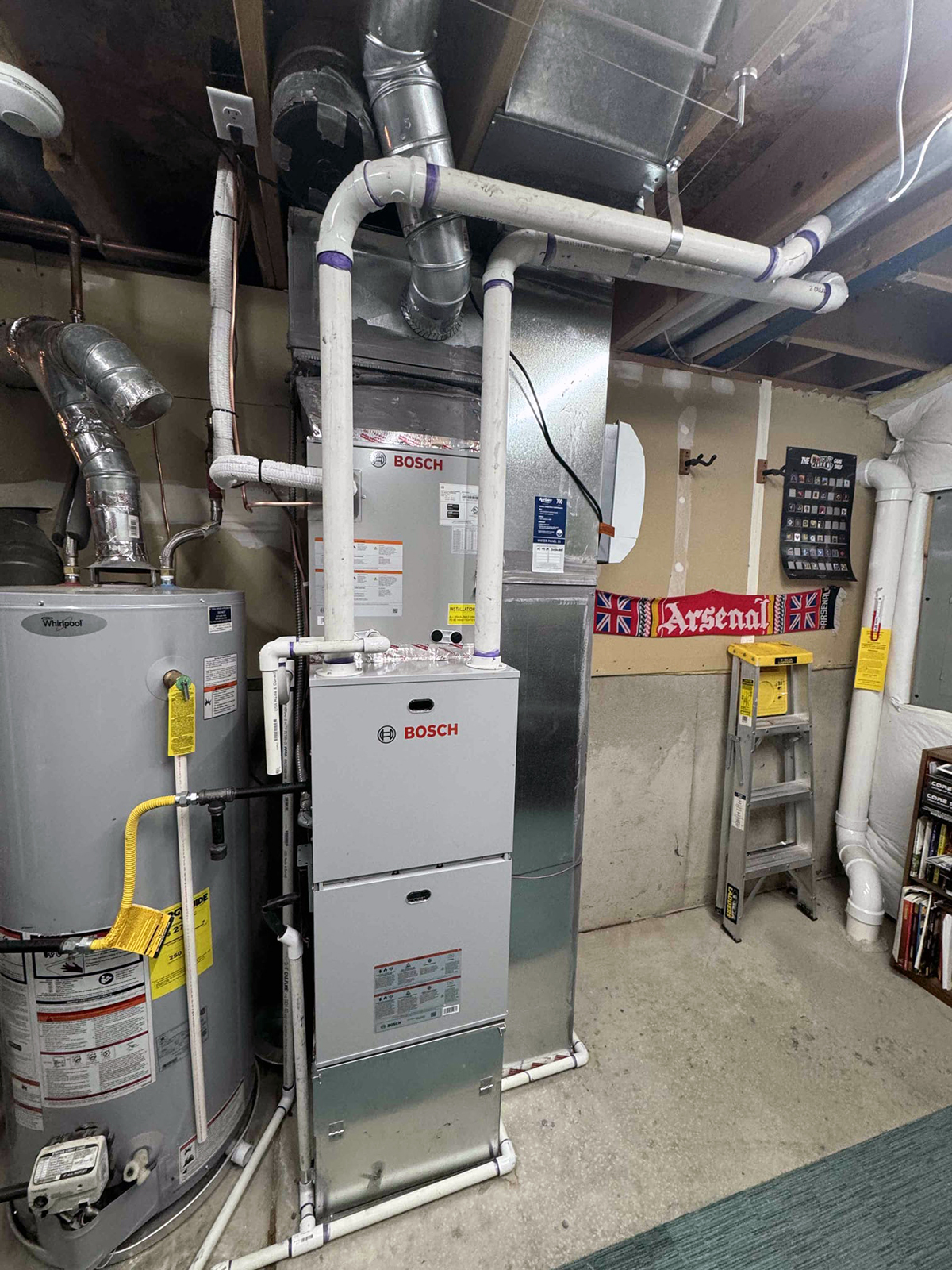
Keep the space around your furnace tidy to minimize particles that enter your system and prevent flammable materials from building up. “Make sure nothing is blocking both your indoor and outdoor vents,” Vela says. This simple step helps your system run smoothly and safely.
4. Verify your thermostat reads accurately.
Place a thermometer near your thermostat. “If they read more than three degrees off each other, you might need to have your thermostat checked,” Vela says. If your thermostat’s lying to you, your furnace is working harder than it needs to—and you’re paying for it.
The sweet spot for efficiency? Somewhere between 65 and 68 degrees during the day, lower at night and when no one’s home. It might feel a little chilly at first, but layering up beats a shocking utility bill.
5. Watch for warning signs your furnace isn’t running safely.
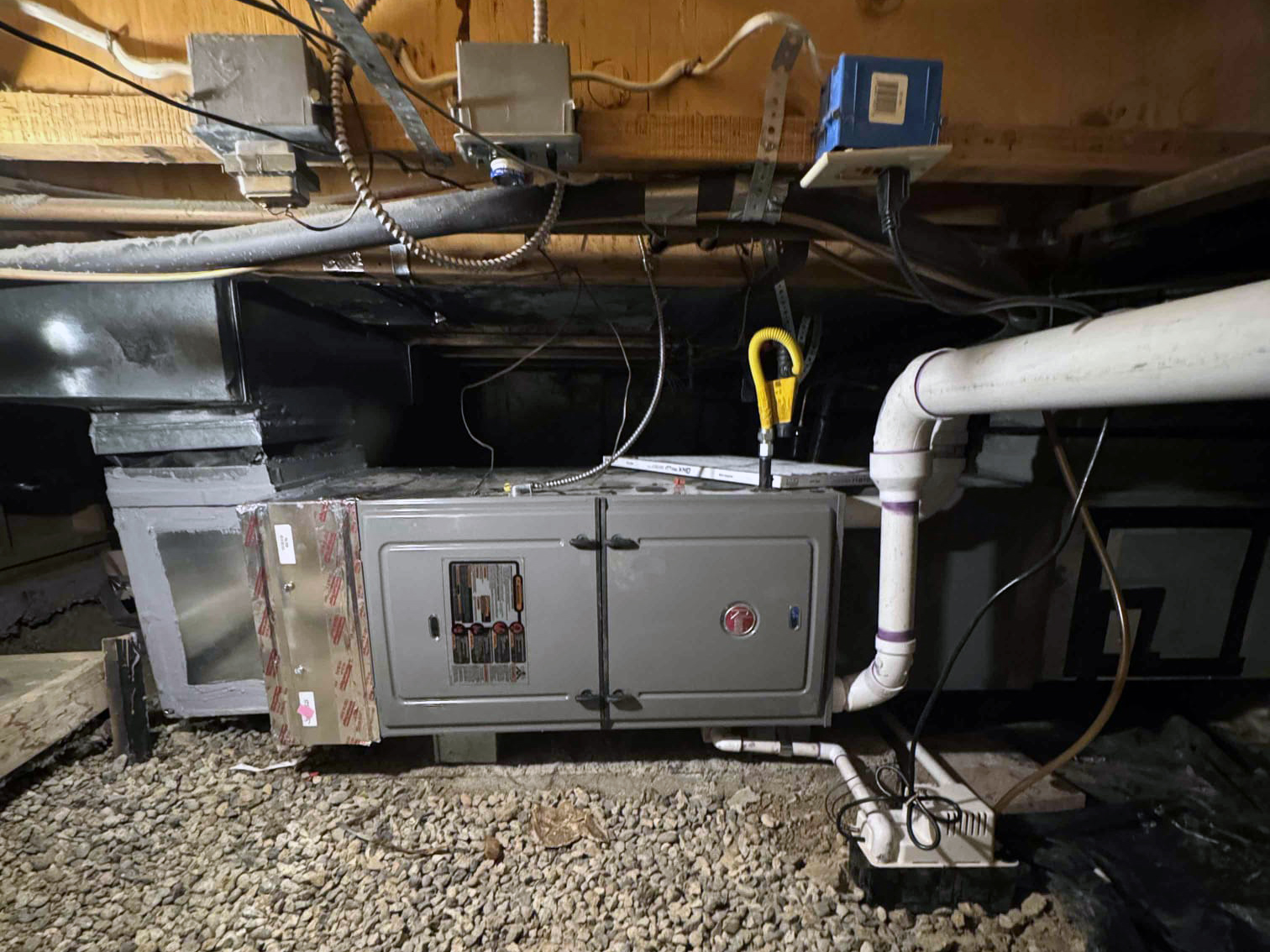
“A properly operating furnace should burn a blue flame,” Vela says. “If the flame appears yellow or flickering, it can mean there is an issue or leak.”
Also watch for unusual smells or sounds coming from your system, which can indicate a leak or parts that need replacing. If your energy bills keep climbing, your system requires frequent repairs, or your house isn’t heating evenly, these are clear signals that something’s wrong.
“If your furnace is over 15 years old, it might be time to look out for key signs that it needs replacing,” Vela says.
6. Don’t skip fall maintenance—but winter isn’t too late.
“We typically recommend servicing your furnace in the fall to ensure it’s working properly once the temperatures drop and you begin using your heating system consistently,” Vela says. But if you haven’t scheduled maintenance yet, it’s still worth doing. Regular servicing can decrease energy bills by up to 30 percent and help HVAC experts spot when it’s time for a furnace replacement before you’re left in the cold.
7. Remember that Denver’s altitude changes everything.
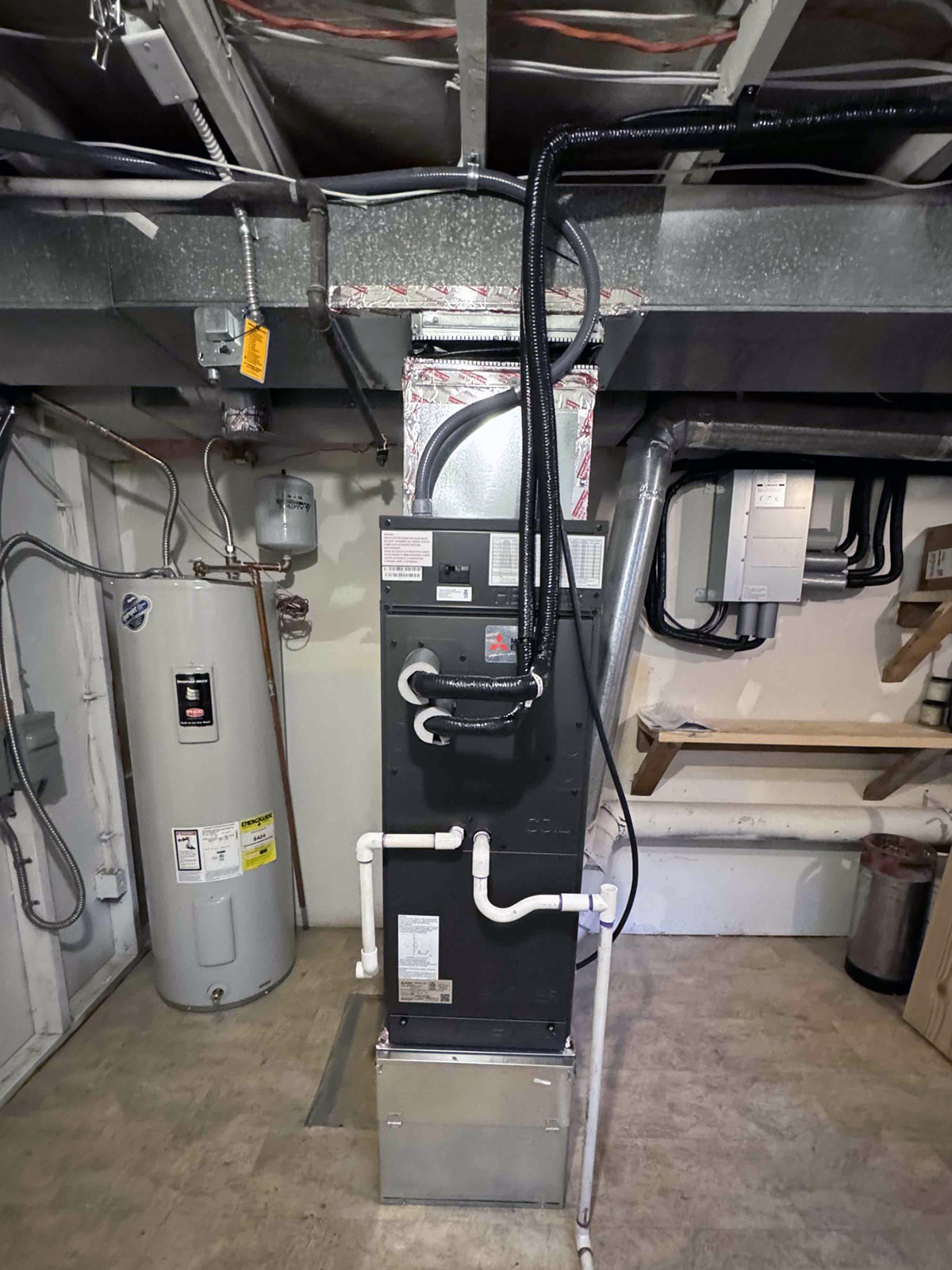
“At Denver’s altitude, gas furnaces must be tuned correctly for combustion and airflow, or you lose efficiency and can create safety issues,” Vela says.
All the technical details—proper ductwork, gas pressure, venting—matter more than you’d think. Smart thermostats are a solid starting point, and upgrades like two-stage or variable-speed furnaces (or dual-fuel systems that pair a heat pump with gas heat) can seriously improve both the comfort and efficiency your furnace is supposed to deliver. Just remember: The best equipment in the world won’t help if it’s not properly installed and sized for your space.
For safety, here are Vela’s best tips: Clear vent pipes of heavy snow and ice, which can block high-efficiency furnace vents; clean your filters regularly; and make sure you have working carbon monoxide detectors on each level of your home.