
The Local newsletter is your free, daily guide to life in Colorado. For locals, by locals.
Movies are full of characters making questionable choices in pursuit of eternal life. Damsels offer up their necks to vampires. Robbers raid the tombs of evil priests. Nazis take on Indiana Jones (you’d think they’d know better by now).
Here in the real world, folks are even stranger. Case in point: 48-year-old tech millionaire Bryan Johnson recently requisitioned his 17-year-old son’s blood plasma in an attempt to slow his biological clock. It didn’t work. That hasn’t stopped Johnson from adopting other scientifically dubious regimens to try to fulfill his motto: “Don’t Die.”

Johnson isn’t the only one. Estimates vary, but multiple market research companies predict the global anti-aging economy will top $100 billion by 2030 as so-called longevity experts rush to meet the growing demand for products and services such as neurostimulation, thermotherapy, and biological age testing, for as much as $1,000 per hour. It’s easy to write off these practices, many scientifically unproven, as wishful thinking.
At the same time: What if they work?
Even medical professionals find themselves intrigued. Dr. Cari Levy is a professor of geriatric medicine at the University of Colorado Anschutz. She generally adheres to less-than-sexy, research-backed pathways to a ripe old age—such as exercise. “What can you do now [to prolong your life]?” Levy asks. “Well, numbers one, two, three, five, and seven are move, move, move.”
But she isn’t immune to the wiles of a promising study. In fact, one of her peers at Anschutz is looking into the impact of a flavonoid called fisetin on senescent (read: old) cells that no longer function as intended. “This fisetin helps, basically, get those out of your body, and he has some pretty compelling data,” Levy says. “And so I went out and bought some fisetin.”
 Levy likens the anti-aging arena to the stock market. Some investors are only comfortable putting their money into sure things; others are willing to take risky bets. The former, she says, are nonnegotiable if you want to stay healthy through your golden years. Betting on a long-shot longevity treatment as well, however, probably won’t ruin you and might pay off handsomely. “I would generally trust that something coming out of an academic institution is going to be grounded in science,” Levy says. “If it’s somebody on the internet—and if, in particular, they’re wanting to sell you something—I would be very, very cautious.”
Fortunately, Colorado is blessed with a litany of licensed longevity advisers—i.e., doctors. We spoke with physicians across specialties to better understand what you can do in your 30s, 40s, and 50s to ward off common age-related maladies that many experience in their 60s, 70s, and 80s. Because the boon of emerging longevity research isn’t the increase in your life expectancy, but rather the enhanced quality of those added years.
Read More: Find a Doctor
Jump Ahead:
Read More: How Colorado Is Addressing Its (Massive) Aging Population
What Medical Experts Say About Sleep
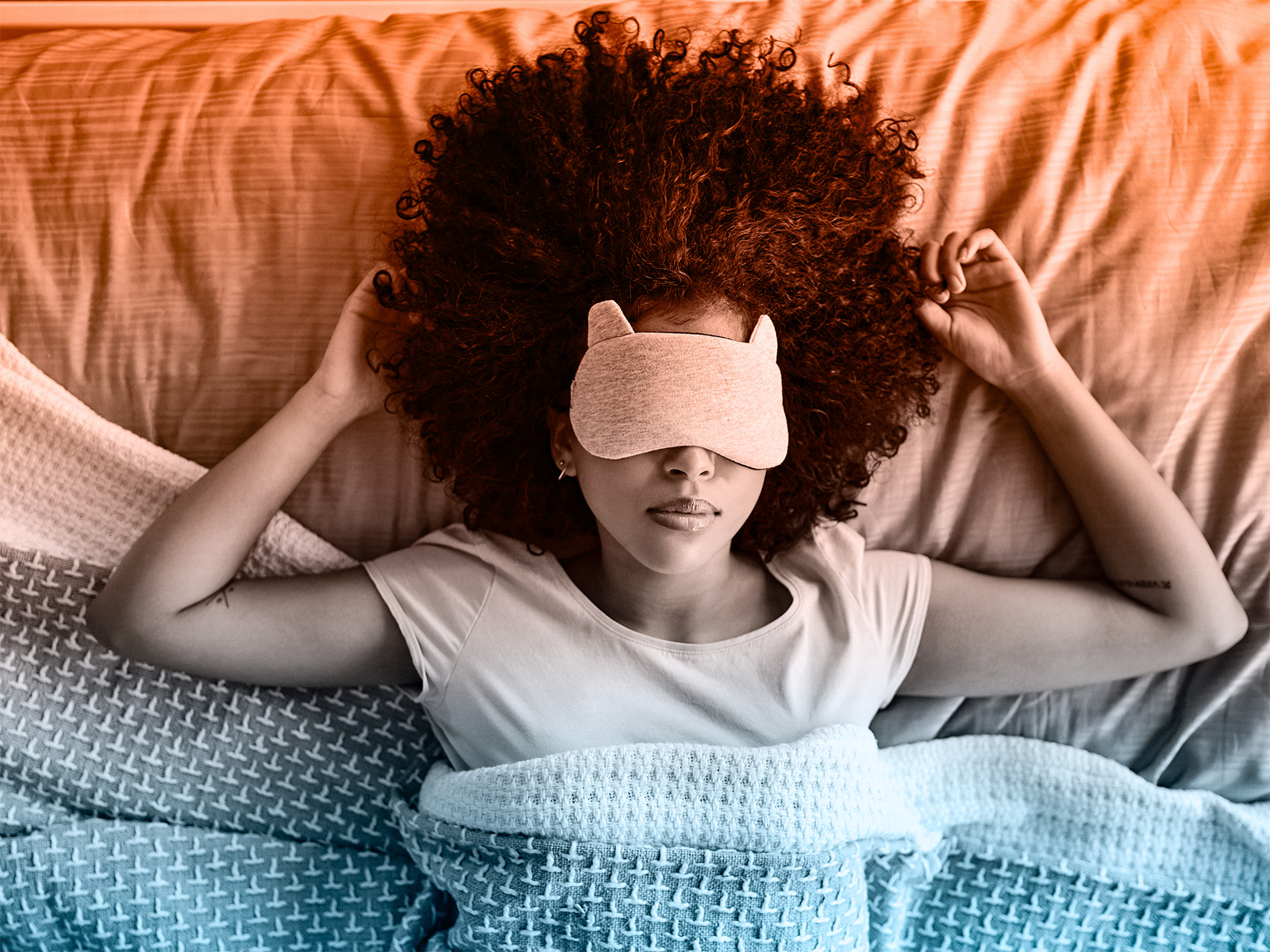
Anyone who has raised a newborn is intimately familiar with the short-term side effects of poor sleep: crankiness, inability to focus, uncontrollable bouts of begging the child to please, please, please go to bed. But the long-term health impacts of tossing and turning are only beginning to be understood. A 2023 paper published in the Oxford University Press’ QJM found that those who reported healthy sleep patterns (based on factors such as duration and whether they woke feeling rested) could expect to live longer (five years for men, two for women) and had lower rates of obesity, hypertension, diabetes, coronary heart disease, stroke, and cancer.
That’s because your body mends itself during shut-eye—and rejuvenating slumber requires hitting your sleep cycles. “The sort of rhythm with which the body repairs itself is dependent on a schedule,” says Dr. Chafen Hart, a sleep specialist at National Jewish Health. “And if you mess up that schedule…the body is not able to repair itself.” With the buzz of modern life making it more difficult than ever to snooze soundly, we asked Hart for advice on seeding good z’s.
How To Sleep Better
- Adenosine: The gradual accrual of adenosine throughout the day is what, come nighttime, tells your brain, “I’m sleepy.” For the most effective sleep routine, start accumulating this neurotransmitter at the same time every day (yes, even on weekends). Light and movement—thanks, evolution!—are the outside stimuli that switch the adenosine factory on, so schedule some outdoor exercise before work if possible. And no lattes after lunch: Caffeine plunders your adenosine vault.
- Alcohol: Alcohol is initially sedating but leads to increased arousals once metabolized. Translation: You fall asleep quickly but wake up at 2 a.m. and wrestle through an annoyingly light slumber the rest of the night. “I don’t want to say sleep docs are fans of day-drinking,” Hart says, “but, as things go, it’s less likely to interfere with sleep quality than alcohol close to bedtime.”
- Screen time: To condition kids for sleep, we give them baths, read them books, and sing them songs. Adults need routines, too. “I don’t think this needs to be this massive, long, drawn-out thing where you do 45 minutes of skincare,” Hart says. Your brain just needs a cue to recognize that bed is coming. Hart isn’t opposed to screens, and a lot of her patients say old episodes of Frasier are basically Ambien for them. Just enjoy Kelsey Grammer’s high-brow hilarity on a tablet or laptop, whose filters block stimulating blue light.
- Activity in bed: Whether you watch a show, read a book, or meditate before hitting the hay, don’t do it in bed. Partaking in any activity (except, well, you know…) between the sheets makes your brain think the bed is a space for action, not slumber.
- Insomnia: Tossing and turning? Looking at the clock? Fretting about your ever-encroaching alarm? “Get out of bed,” Hart says. Stressing out will make your brain associate your bed with anxiety and feed your insomnia. Go do something boring for a few minutes, then return and try to sleep again.
- Hours: Eight hours might be the standard barometer used for good sleep, but some people need more and some need less. The most critical indicator of restful slumber is daytime performance; if you’re energized on six hours, that’s fine. In fact, Hart says, forcing yourself to get more sleep might disrupt your natural rhythm and throw off your daytime functioning.
What Medical Experts Say About Exercise
Travis Nemkov’s grandmother lived 100 years and didn’t waste a single one. “She was a pretty sassy woman and loved life,” Nemkov says. “She spent her 80s and 90s going to art shows and going on cruises, and she wore brightly colored clothing. She was really happy. I’ll spend my whole life figuring out what her secrets were.”
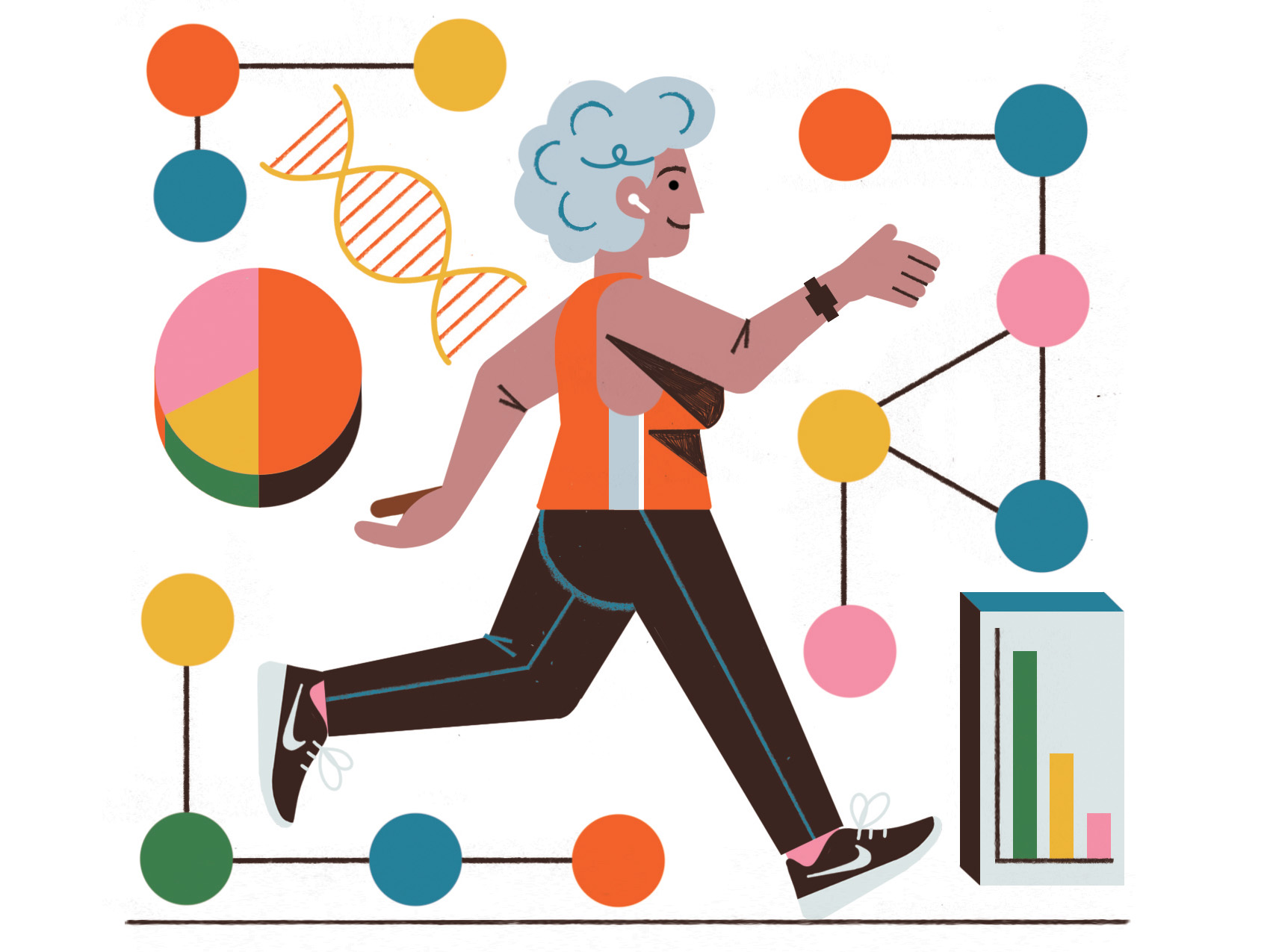
An assistant research professor of biochemistry and molecular genetics at the University of Colorado Anschutz, Nemkov is trying to solve part of that mystery using a technique called mass spectrometry. The technology, which scientists also employ to map genomes, measures thousands of molecules in a single analysis. Rather than chart DNA, Nemkov and his colleagues concentrate on proteins and metabolites: the molecules that define overall fitness. “We’re developing tools that help monitor performance and response to exercise,” Nemkov says. “And exercise is far and away one of the best tools in the portfolio for longevity.”
Nemkov’s analysis, administered through a blood test, goes beyond blood pressure and cholesterol counts to reveal the intricate metabolic dance of fatty acids, amino acids, vitamins, antioxidants, lactate, glucose, and mitochondria on an individual level. That breakdown of how efficiently the body turns food into energy reveals where a patient’s fitness is flagging so doctors can prescribe targeted workouts. Should someone be accumulating too much lactate during their morning jog, for example, physicians could recommend they focus on Zone Two training: low-to-moderate aerobic exercise proven to boost organ function and stave off the kind of metabolic dysfunction that leads to heart disease.
Nemkov’s team has trained this technology on Tour de France cyclists and elite ultrarunners, who use the assessment to tweak their training and improve their PRs. But Nemkov is more excited about mass spectrometry’s potential for boosting the health and lifespans of everyday mortals. He has already taken the metabolic fingerprints of 14,000 people through a blood donation study, while the CU Anschutz Medical Campus is using mass spectrometry in clinical settings to help participants of its BfitBwell initiative—a three-month exercise program for cancer patients—identify the best workouts to aid in their recoveries.
Nemkov has been having discussions with colleagues about starting a company based on the technology. Still, he says it’ll be a few years before this level of data-driven precision fitness hits the marketplace.
Read More: The 12 Best Gyms and Fitness Studios in Denver
What Medical Experts Say About Marijuana
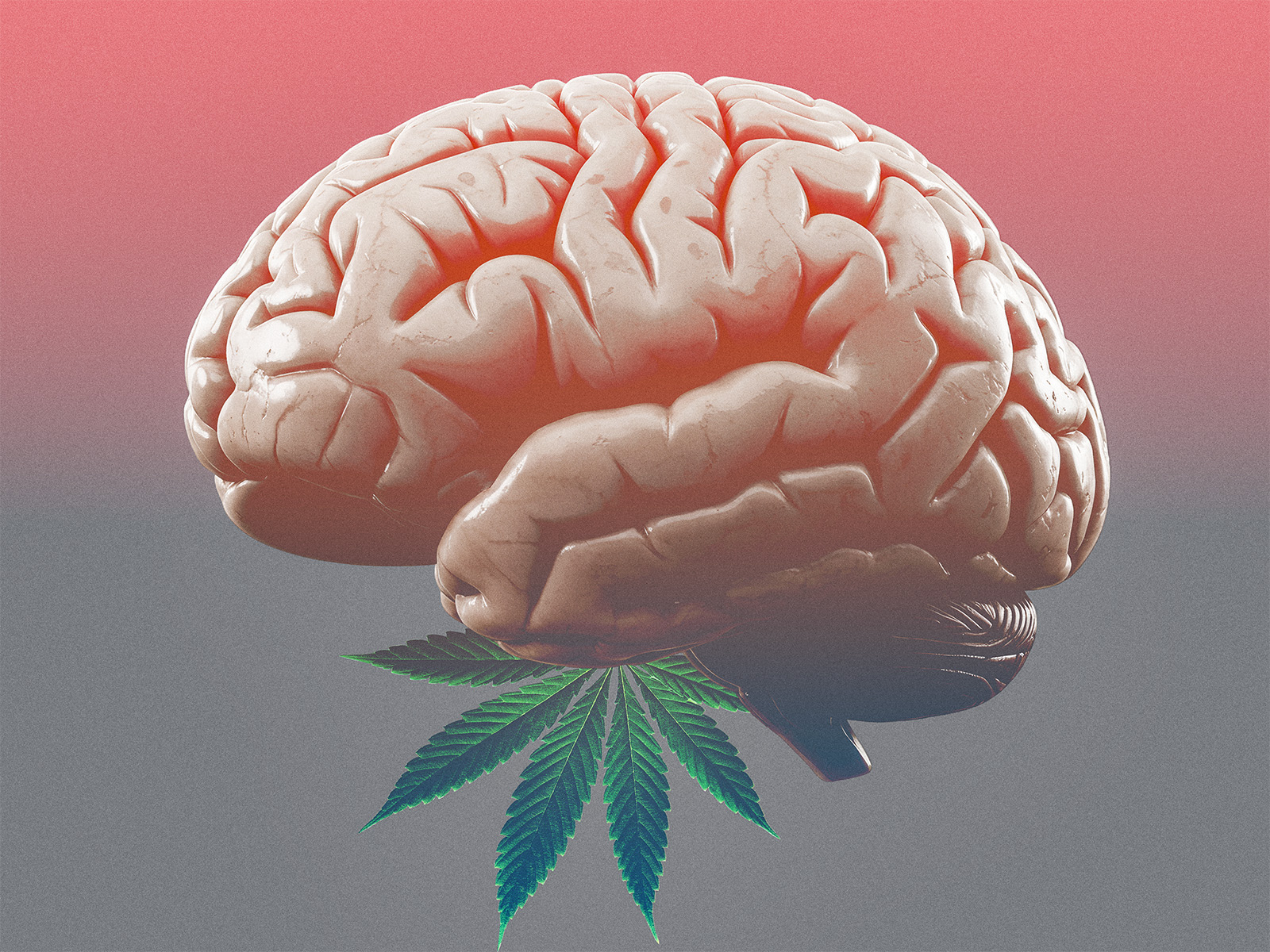
While research suggests marijuana can harm developing minds, CU Anschutz Department of Psychiatry clinical psychologist and faculty research associate Anika Guha recently published a study of 26,362 donated cerebrums ages 40 to 77 that found those who used cannabis throughout their lives had larger brains—and displayed higher cognitive function—than those who abstained.
Because aging often results in shrinking (aka atrophy) upstairs, Guha says, “the idea of a larger brain volume, specifically in an older demographic, may suggest that there’s some sort of preservation” related to cannabis. She’s quick to point out that her study did not reveal a causal link and that more research is needed. Nevertheless, we asked Guha to outline the parts of the brain that could benefit from just saying yes.
- Putamen: A key member of the larger basal ganglia, which handles body movement, the putamen is believed to receive orders from the cerebral cortex to, for example, wave hello to Jan from next door. New research suggests the putamen plays a key role in learning and memory, too, so it’s not a surprise that dysfunction here is associated with Parkinson’s and Alzheimer’s diseases.
- Posterior Cingulate Cortex: In Guha’s study, this was the one area of the brain that was smaller in people categorized as moderate or heavy cannabis users. Considering marijuana’s reputation for inspiring one’s imagination, it might surprise you to learn that the posterior cingulate cortex is thought to be a central player in the Default Mode Network—the parts of the brain that kick into gear when we’re doing introspective things, like daydreaming or thinking about past experiences, that often spark creativity.
- Anterior Cingulate Cortex: The anterior cingulate cortex gets around, connecting to both emotional and cognitive parts of the brain—and by doing so, it helps you get around. It manages many of your social responses, like how you process painful emotions (impairment could lead to addiction as an alternative coping mechanism). This cortex also processes emotional cues, so you know the appropriate response when, say, you find a friend in tears.
- Hippocampus: This squiggle catalogs and retrieves our memories (no wonder it’s typically the first part of the brain impacted by Alzheimer’s disease). It also defines our sense of space and navigation. Some theorize that the hippocampus’ main function is constructing the scenes we see in our minds, whether recreating a past experience or imagining a future one.
- Amygdala: A tiny piece of the temporal lobe, the amygdala is best known for managing fear; it’s what told our ancestors to steer clear of that saber-toothed tiger and what signals to us not to walk across I-25. Research also theorizes that it modulates emotional memories, with Guha noting “memories encoded with emotional content are more easily retained.”
Read More: An Online Course Reveals What Scientists Really Know About Marijuana’s Health Benefits
What Medical Experts Say About Soy
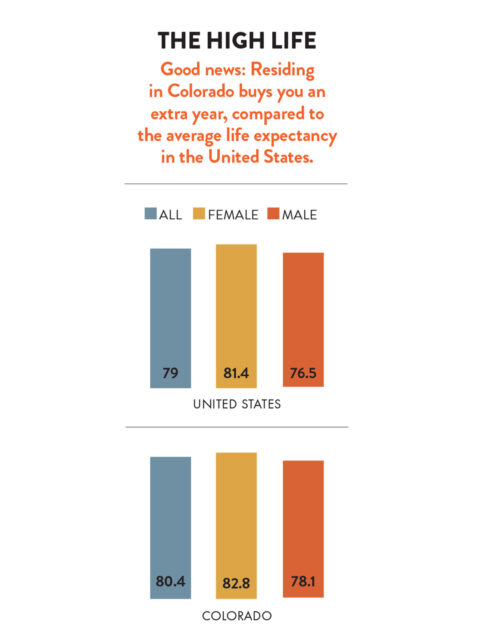
There’s a reason the Mediterranean Diet has outlived other weight-loss fads. “It remains the only diet that has been successfully tested in a prospective, randomized, controlled fashion and shown to reduce the risk of adverse outcomes,” says Dr. William Cornwell, a sports cardiologist with UCHealth. But when it comes to longevity, the Japanese diet has it beat. Since the mid-1970s, Japan has boasted the highest life expectancy in the world (currently 84, compared to 79 in the United States) thanks to eating habits that reduce the prevalence of obesity.
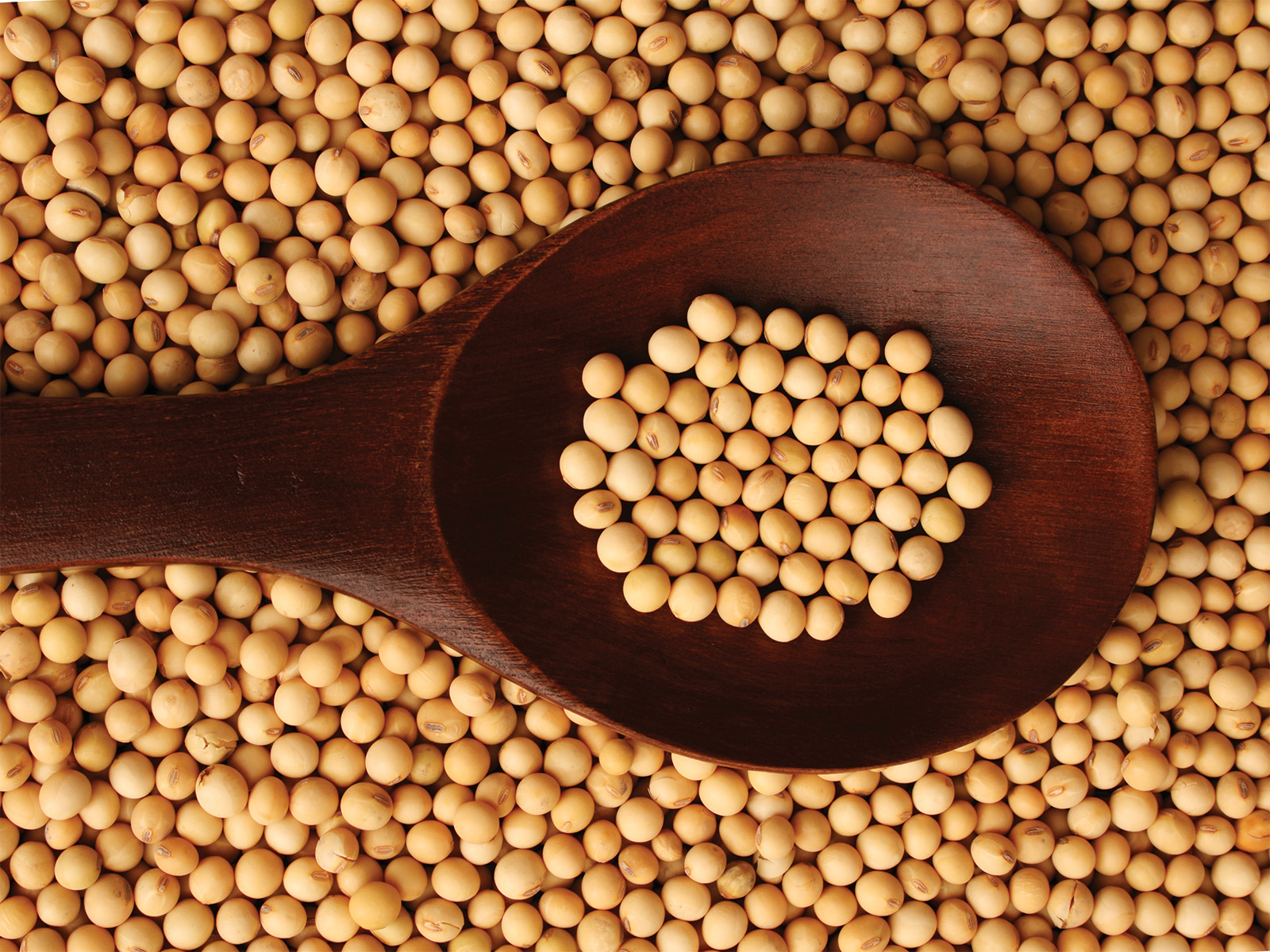
So what’s on Japan’s food pyramid? Acres of soybeans—a crop Colorado farmers happen to grow in abundance. According to a 2020 study, the average resident of Japan consumes 7.34 kilograms of the versatile legume every year. Americans eat a slim 0.04 kilograms. (Studies have shown that high doses of soy isoflavones can lead to breast cancer in rats and mice, but the American Cancer Society certifies soy foods as safe for humans and “excellent sources of protein.”) Adherence to a menu low in saturated fat and high on plants will likely deliver similar results.
However, if you’d rather not mess with Japan’s proven success, we asked 5280 food editor Mark Antonation to recommend three soy-based meals you can find at local restaurants that are sure to accelerate your adoption of this Asian wonder food.
- Agedashi Tofu: “A good way to experience the subtle flavor of soybean curd. Tofu cubes are lightly coated with corn or potato starch and deep fried, so they’re not greasy at all, and served with a light brothy sauce and other toppings. Upscale places like Highland’s Kumoya serve it, as well as inexpensive spots like Kiki’s Japanese Casual Dining in University Hills and Sakura House in Union Station.”
- Japanese-Style Mapo Tofu: “This is an unusual but delicious combo of ground pork and soft tofu in fermented bean sauce. Kawa Ni in LoHi sometimes has a version on its menu; they make the tofu into a smooth sauce for scooping with fried wonton chips. Be careful: If you try the Chinese version at Wok Spicy or Noodles by Nina, it’ll pack more heat.”
- Edamame: “A good example of soybeans served whole, edamame is everywhere these days. For a less traditional spin on the dish, head to Adrift Tiki Bar on Broadway, which has edamame hummus on its menu. It’s combined with tahini, sprinkled with pickled red onion and black sesame seeds, and served with crispy wonton chips for scooping.”
What Medical Experts Say About Diet

When it comes to longevity, you can view science’s outlook on nutrition as half empty or half full. On the one hand, eating poorly can kill you. According to research funded by the Gates Foundation, diet contributed to 11 million deaths worldwide in 2017. However, nutritious eating can also extend your time above ground. This year, a study published in Science Advances found that adhering to one of five established diets (they shared underlying principles such as more fruits and veggies, legumes, nuts, whole grains and fewer processed foods) had the potential to expand lifespans by 1.5 to three years.
But knowing the science behind nutrition and acting on it are two different things. “Eating schedules, access to food, and cultural identity all affect how we eat,” says Molly Swanton, a registered dietitian at Denver Health. “That’s why I don’t prescribe a diet.” Instead, Swanton tries to set small goals that her patients can realistically adhere to. For example, if someone with diabetes drinks five sodas a day, she asks whether they would be willing to drop that number to three. “A person has to be ready to make changes,” Swanton says.
Ken Neumann, the founder of Lakewood-based precision nutrition app Youtopia, agrees. But he has a very different plan for how to get people to alter what they put on their plates.
For most of Neumann’s career, the only thought he gave to kitchens was how to build them. After graduating from the Colorado School of Mines in Golden and the University of Chicago’s Booth School of Business, he started a residential development company that grew to become the 31st-largest home builder in the country. Then came 2008’s housing crash. The downturn forced Neumann Homes to file for bankruptcy and left its CEO adrift.
During his years of self-examination, Neumann began looking into the food industry—a $10 trillion global market, he says. He learned about nutrition’s impact on morbidity, and the stats struck a chord. He’d lost his dad to heart disease, his mother to cancer, and his in-laws to Type 2 diabetes. “And I’m going…why don’t we just solve that problem instead of creating more medicine, red lights, all the gizmos and gadgets and tools and pills and everything else?” Neumann says.
In a way, the problem has been solved. Reams and reams of vetted books and papers on proper nutrition already exist. The bigger issue? “Our ability as human beings to execute on it is close to zero,” Neumann says. So while Youtopia does work with nutritionists and doctors, Neumann says, its real differentiator is synthesizing the science and making its revelations highly personal and easily actionable.
First, customers will submit to blood tests and body exams conducted by third-party labs, which, when combined with medical and family histories, will be used to create an in-depth analysis of clients’ specific nutrient needs. Through the company’s app, customers will then see a list of food producers whose products provide what their bodies require. This could be a restaurant (Youtopia will call out the specific menu items that meet your dietary requirements), raw ingredients (brought to your house or bought independently and prepared to Youtopia’s specifications), or prepared meals delivered to your door. Every 90 days, users will resubmit to the battery of tests to see how their health, and nutritional needs, have changed.
Youtopia will launch in the third quarter, debuting in the south Denver suburbs, and plans run from $50 to $350 per month, including the cost of testing. Once the company has worked out all its kinks, Neumann hopes to scale across the country—and he’s not shy about touting what he believes the company could achieve: “We’re about to transform mankind in very profound ways.” But will it work? “Ask me in the third quarter,” Neumann says.
3 Easy Health Upgrades, According to Doctors
1. Apple AirPods Pro 2 and 3
Dr. Vinaya Manchaiah, Audiologist
UCHealth University of Colorado Hospital
Your body is changing—that’s natural. It’s also bad news for older adults trying to make small talk in a crowded room. Structural changes inside the ear and the brain contribute to a slow deterioration in hearing, and there’s not much you can do about it.
However, the battery of Broncos games, Metallica shows, and gas-powered snowblowers that also hammer away at your hearing can at least be mitigated, perhaps with something you already own. “You don’t have to go beyond Apple” for protection, Manchaiah says. The tech giant’s popular AirPods Pro 2 and 3 feature transparency, adaptive, and noise cancellation modes, each offering a slightly higher level of noise blockage.
Sure, wearing them in a noisy restaurant or to a concert might make others think you’re a hedge-fund exec waiting for a very important call, but 70-year-old you (who can also use the AirPods as over-the-counter hearing aids) will thank you for enduring the momentary embarrassment.
2. A Brisk Walk
Dr. William Cornwell, Sports Cardiologist
UCHealth University of Colorado Hospital
 As a cardiologist for the Nuggets, Avalanche, and Rapids, Cornwell cares for an elite roster of high-performing hearts. But he’s also well acquainted with patients whose ambitions revolve less around Stanley Cups and more around seeing 80.
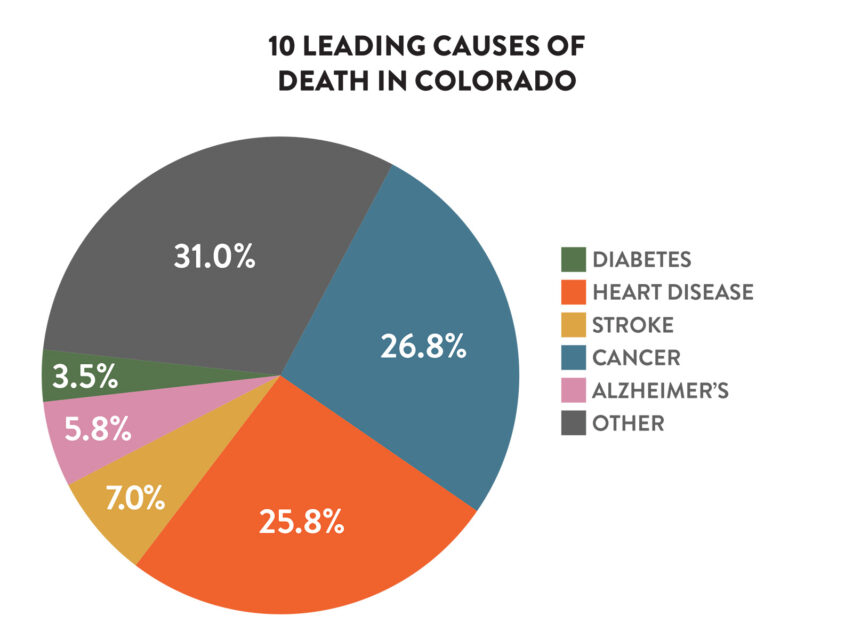
“If your goal is to live healthy, be a normal person, and reduce your risk,” Cornwell says, “here’s my response: Look up the top 10 causes of death in the United States…. Routine exercise will reduce the risk of six.” And although the phrase “routine exercise” conjures different ideas for everyone, the American Heart Association, American Stroke Association, and the Dementia Society of America all agree on exactly what it entails: 150 minutes per week of moderate-intensity physical activity.
The easiest ways to hit that goal, Cornwell says, are to walk 30 minutes a day, five times a week, or to get in 7,000 steps every day. (That mark was recently revised from 10,000.) “When we’re talking about longevity and health span,” Cornwell says, “doing one of those two things will go a long way.”
3. Artificial Tears
Dr. Eva Kim, Medical Director
Icon Eyecare
Like gray hair and wrinkles, some eye issues are unavoidable. “I always tell my patients that if you live long enough,” Kim says, “you’re going to develop a cataract.” Fortunately, these splotches on your lenses can be fixed through a routine—though inconvenient—outpatient operation.
Dry eyes, however, are an itch that can’t be scratched. The irritating syndrome is becoming more prevalent as we spend more time staring, unblinkingly, at phones and other screens, and it’s particularly common in Colorado, Kim says, due to the state’s lack of humidity. But unlike cataracts, you can guard against dry eyes. Relatively inexpensive artificial tears (CVS sells an ounce for $10) will keep your peepers lubricated long term if applied regularly. “Three to four times a day would be lovely with this climate we’re living in,” Kim says.