


The Local newsletter is your free, daily guide to life in Colorado. For locals, by locals.
The tumbleweed is many things to many people: a symbol of the American West’s stubborn, solitary nature; an interloping, foreign-born nuisance; a quirky piece of decor; and an incredibly adaptable plant with DNA that could hold the key to modern crop survival.
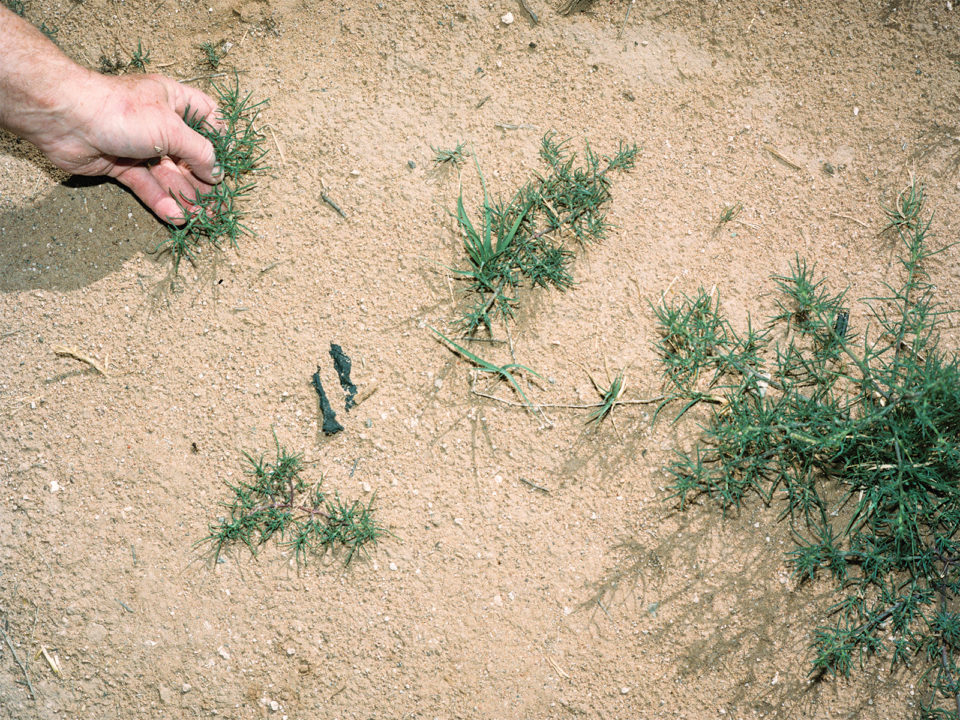
Multiple species of weeds dry out, detach, and rely on the wind to spread their seeds, but Russian thistle is one of the most common sources of Colorado’s tumbleweeds. Likely brought to the United States in crop seed or grain feed in the late 1800s, the plant’s characteristics helped it put down roots even faster than the immigrants it hitched a ride with: It needs very little water, can tolerate salty soil, and germinates as early as late February, giving it a longer growing season and a competitive advantage.

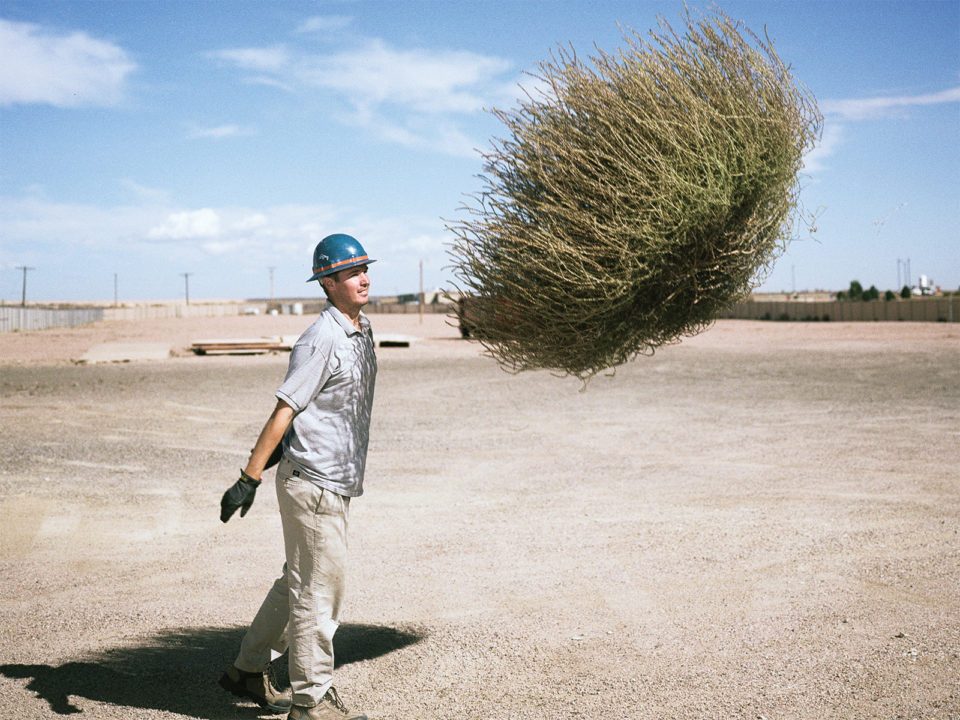
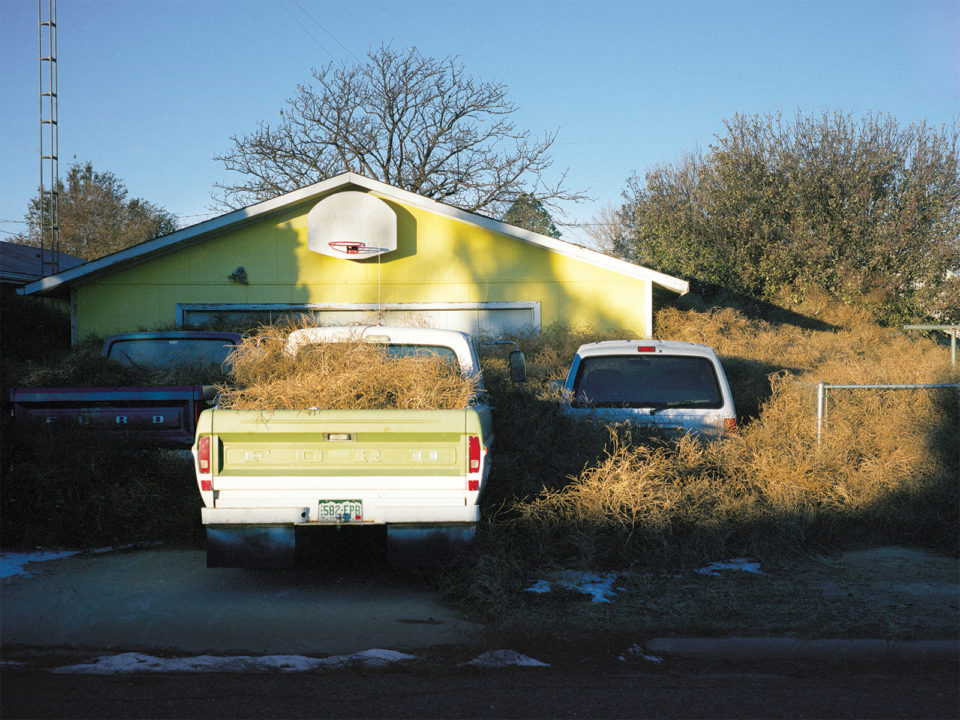
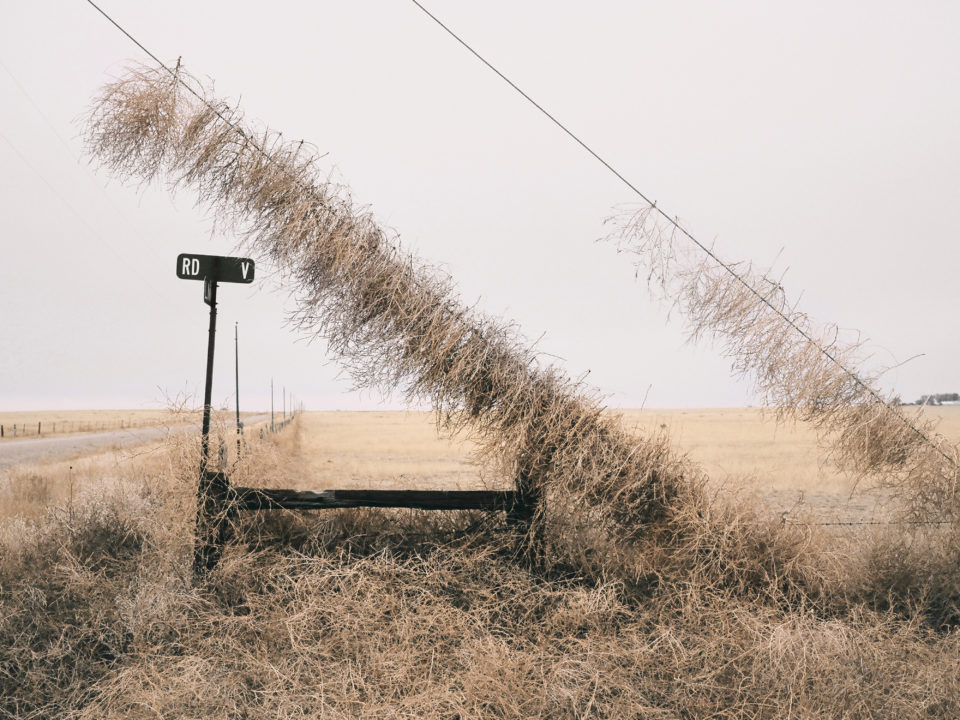
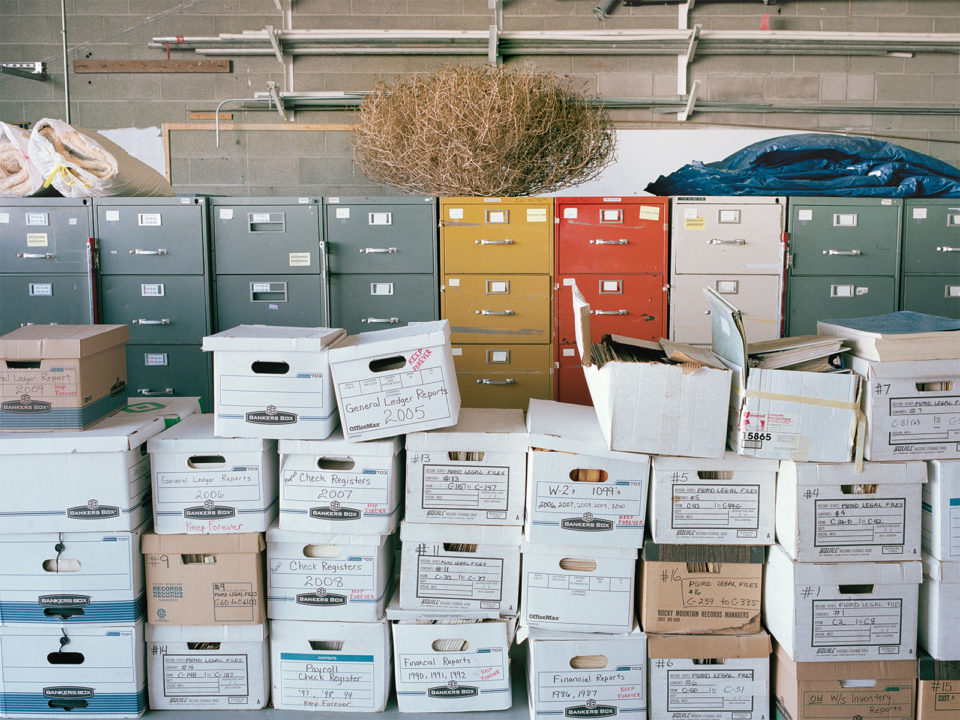
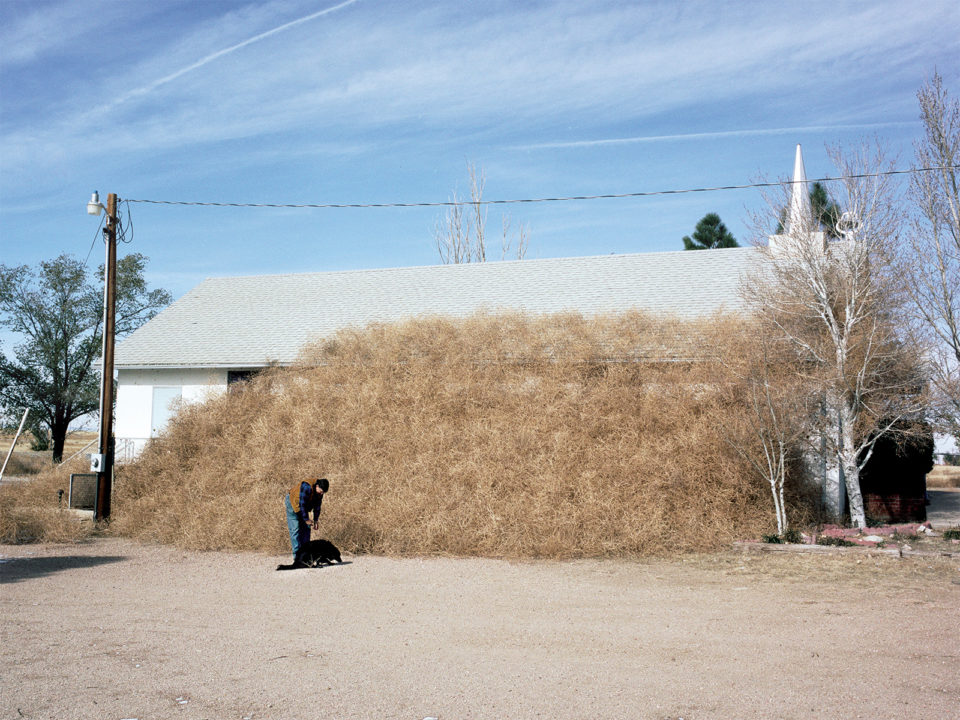
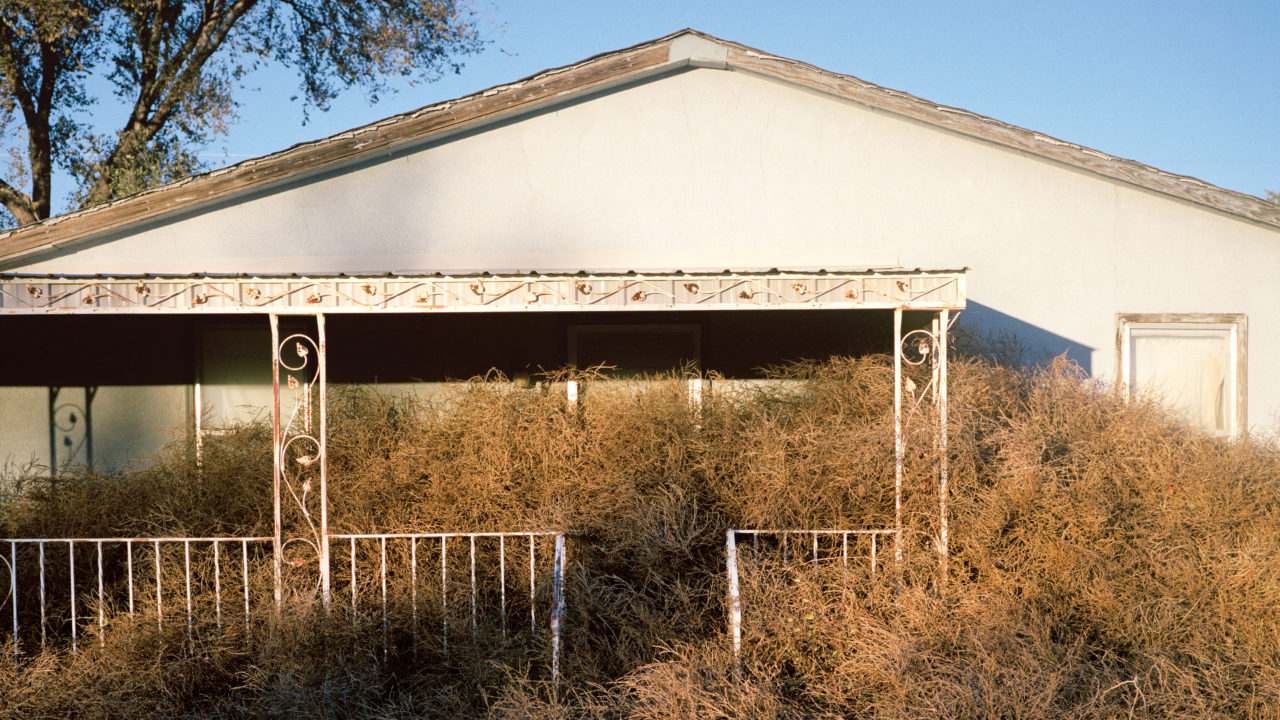
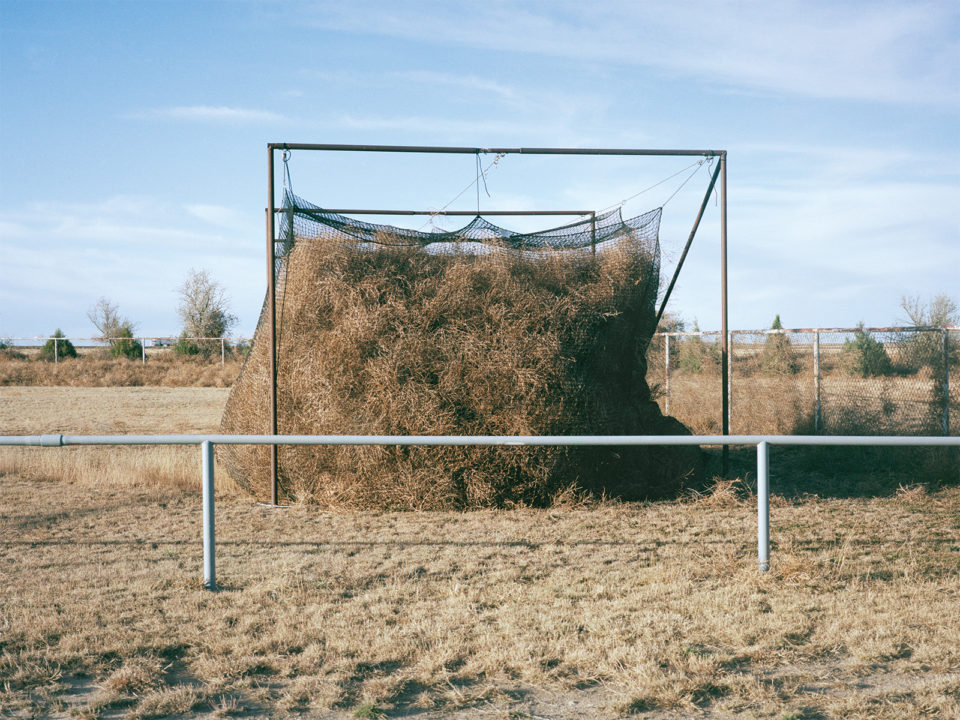
Russian thistle’s tumbleweeds are beach-ball-size, on average, but can grow to more than four feet in diameter. Today, they proliferate on Colorado’s plains, awaiting the right conditions—usually a frost followed by a wind storm—to break off from their stems and overwhelm roads, parked cars, and even entire buildings, as they did Hanover Community Church, southeast of Colorado Springs.
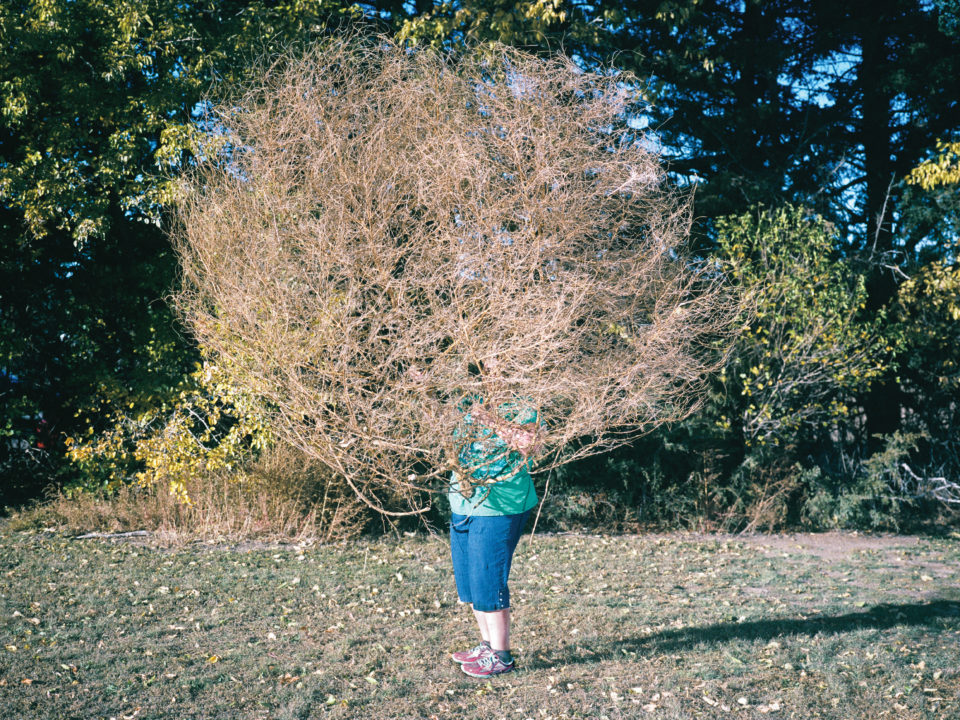
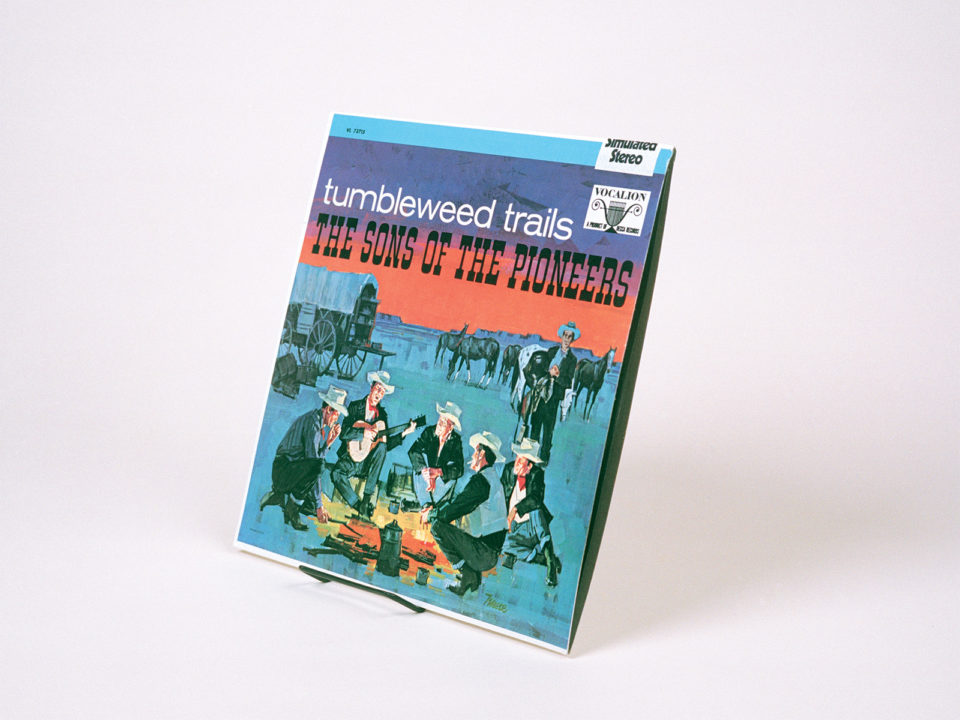



There have been attempts to wrangle Russian thistle for such useful purposes as animal feed, but none have been widely successful. So far, the prickly plant’s most celebrated influences are in popular culture. In songs (the Sons of the Pioneers’ 1934 “Tumbling Tumbleweeds,” Elton John’s 1970 album Tumbleweed Connection), movies (from 1952’s High Noon to 1998’s The Big Lebowski), and memes (see: GIFs in barren comment sections), the tumbleweed is a visual shorthand for emptiness, isolation, and/or aimless wandering.
However, researchers at the Colorado State University Weed Research Laboratory are studying Russian thistle to figure out how the hardy species thrives in salty soil and cold temperatures—findings they could potentially use to increase agricultural crops’ resilience.

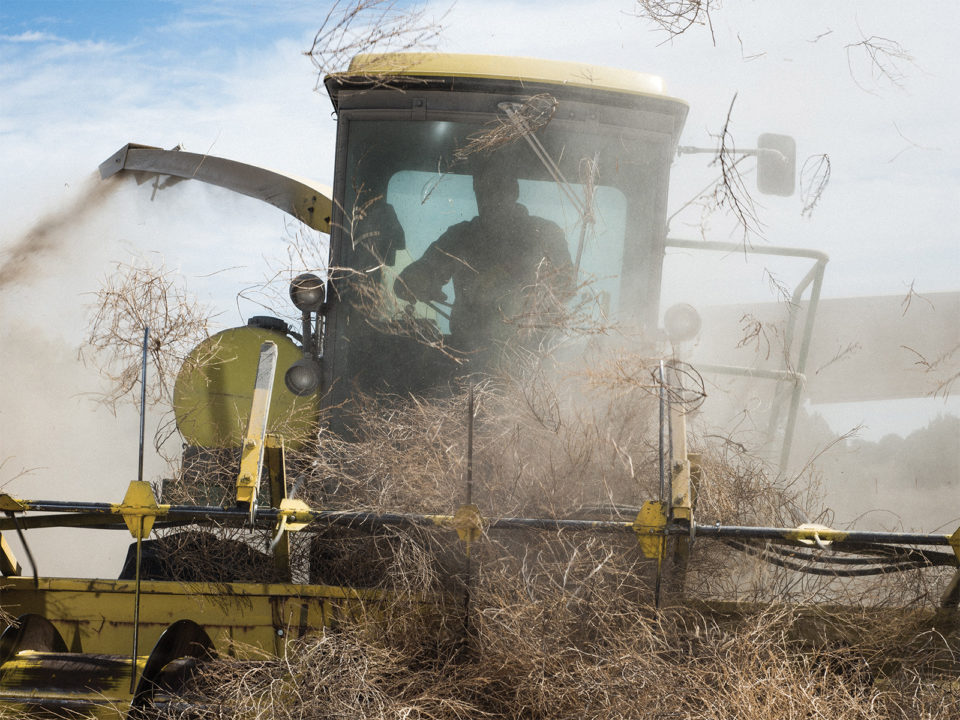
As charming as a single tumbleweed bouncing across a dusty Western backdrop may be, Russian thistle causes real problems across Colorado, particularly for farmers. Left unchecked in agricultural fields, the invasive species can reduce crop yield by 50 percent or more, and it is increasingly resistant to herbicides. (One of the best ways to rid the dirt of seeds is by tilling, which runs contrary to best practices for soil health and runoff prevention.)
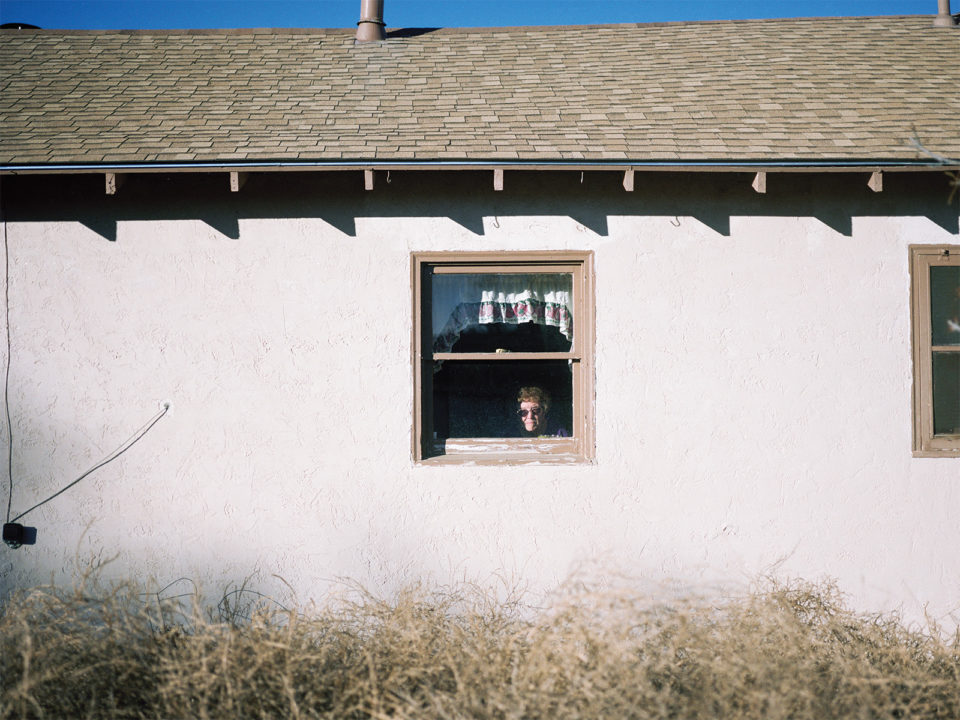
And, of course, there are the everyday folks who, when the wind blows just right, find their properties, byways, and recreational spaces choked by tumbleweeds that may have traveled several miles and spread hundreds of thousands of seeds per plant. Some are bound to find a crack in which to grow—and that’s about all this pertinacious species needs.
Read More: Colorado’s “Other” Weed