
The Local newsletter is your free, daily guide to life in Colorado. For locals, by locals.
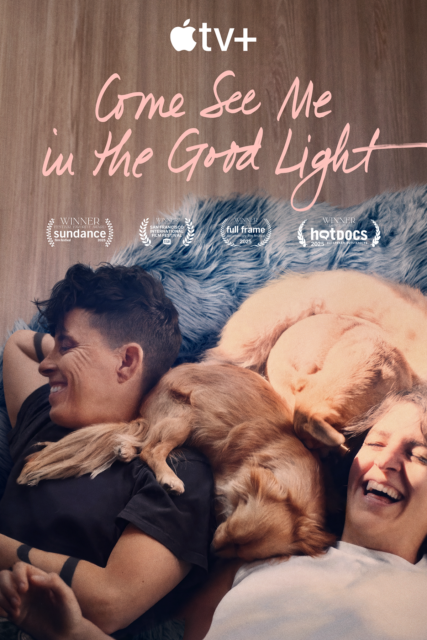
When director Ryan White was first approached about making Come See Me in the Good Light, a documentary about Colorado poet laureate Andrea Gibson, he wasn’t sure what sort of film it would become.
In fact, White had never heard of Gibson or their work as a spoken-word poet when comedian Tig Notaro first suggested the project. When he learned that Gibson had been diagnosed with terminal ovarian cancer, he hesitated. “I was afraid of being invasive,” White says. “I tend to be shy. I’m not comfortable at all with mortality. To walk into someone’s home who is going through something so heavy really scared me.”
Still, after encountering the power of Gibson’s poetry, White decided to travel to Colorado to meet them and their wife, fellow poet Megan Falley. When he arrived, Gibson quickly set the tone. “Welcome to my home,” they told him. “I guess you’re gonna be with me when I die.” The moment, White says, quickly dissolved any tension.
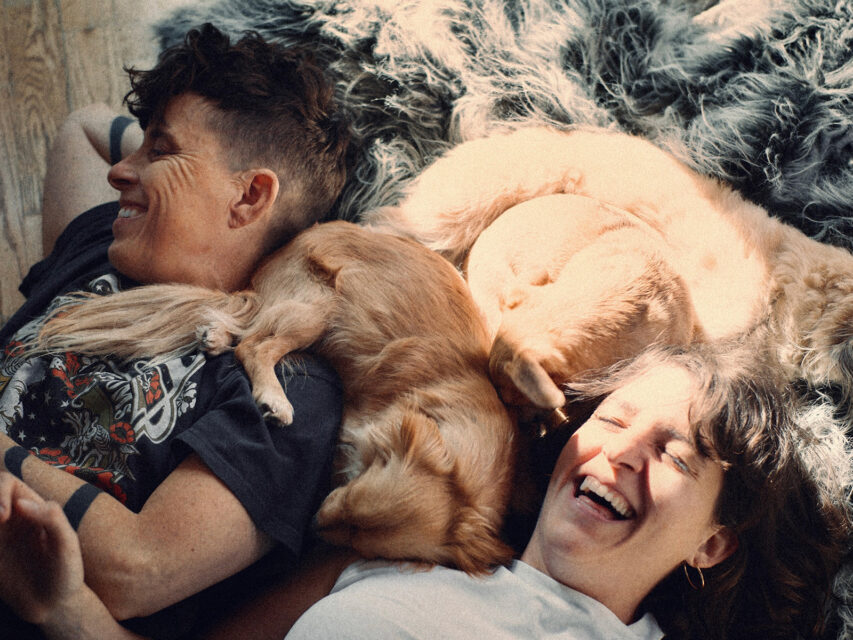
Over two years of filming Come See Me in the Good Light, White grew more comfortable confronting mortality—and realized he was telling a very different story. “I had no idea it would [turn into a love story],” he says. “Usually it takes time for people to act naturally with cameras in their homes and with a group of strangers. But Megan and Andrea made us feel so comfortable from the off.” Gibson died in July 2025, shortly after the documentary’s completion, making the film both a portrait and a farewell.
The result is one of the year’s most acclaimed documentaries. Critics have praised Come See Me in the Good Light for its humor, emotional depth, and surprising sense of hope. The film has also earned White his first Academy Award nomination for Best Documentary Feature.
White spoke with 5280 about the making of the documentary, Gibson’s deep connection to Colorado, the enduring power of their poetry, and how the film evolved over the course of production.
Editor’s note: The following conversation has been edited for length and clarity.
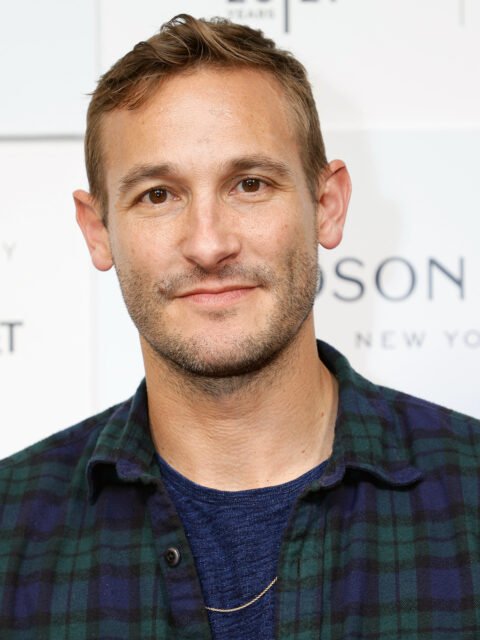
5280: What made Andrea Gibson so unique?
Ryan White: The accessibility of Andrea is really key. We have the running joke throughout the film that Andrea only knows five words. I think that really is the magic of Andrea’s poetry. I’ve met so many people over the past year who’ve basically said, “I had no idea I would like poetry. But I love this person’s poetry.” Andrea’s lack of pretense and their limited vocabulary makes them very disarming. Their poetry cuts straight to the heart in a way that’s not your English Ph.D poetry.
The way Andrea talks about death and mortality—they have this line that I love, “Mortality isn’t small talk, but I wish it was.” I hope that’s what Andrea is doing in this movie. They take something that’s so scary, so lofty and inconceivable, and make it accessible. They bring it back down to earth. That’s what makes it very accessible and safe. Andrea’s magic recipe is that simplicity and the way they spoke about mortality.
How did Colorado shape and inspire the film?
It’s such a beautiful place. When making the film, I looked at a lot of imagery from Westerns. We wanted to shoot it in a very quiet way. Most documentaries are shot handheld these days, but we wanted to shoot mostly on a tripod. The film takes place in just a few locations. We would choose a location and then we would just observe in a very old-school, verite style because we had two incredibly eloquent and hilarious poets. I didn’t need to insert myself into the film a lot.
The movie begins with three or four super-wide scenic shots of Longmont, Colorado, to bring the audience into this very beautiful, peaceful space. So much of the film is about Andrea and their connection to the natural world. Andrea felt very, very aligned with the natural world. Whether that was animals or nature or the lakes and the mountains of Colorado. That was very much a part of Andrea’s poetry.
It definitely was an embarrassment of riches to be given a poet in Colorado to work with because I merge the beauty of the words and the beauty of the imagery.
What was the first day of shooting like?
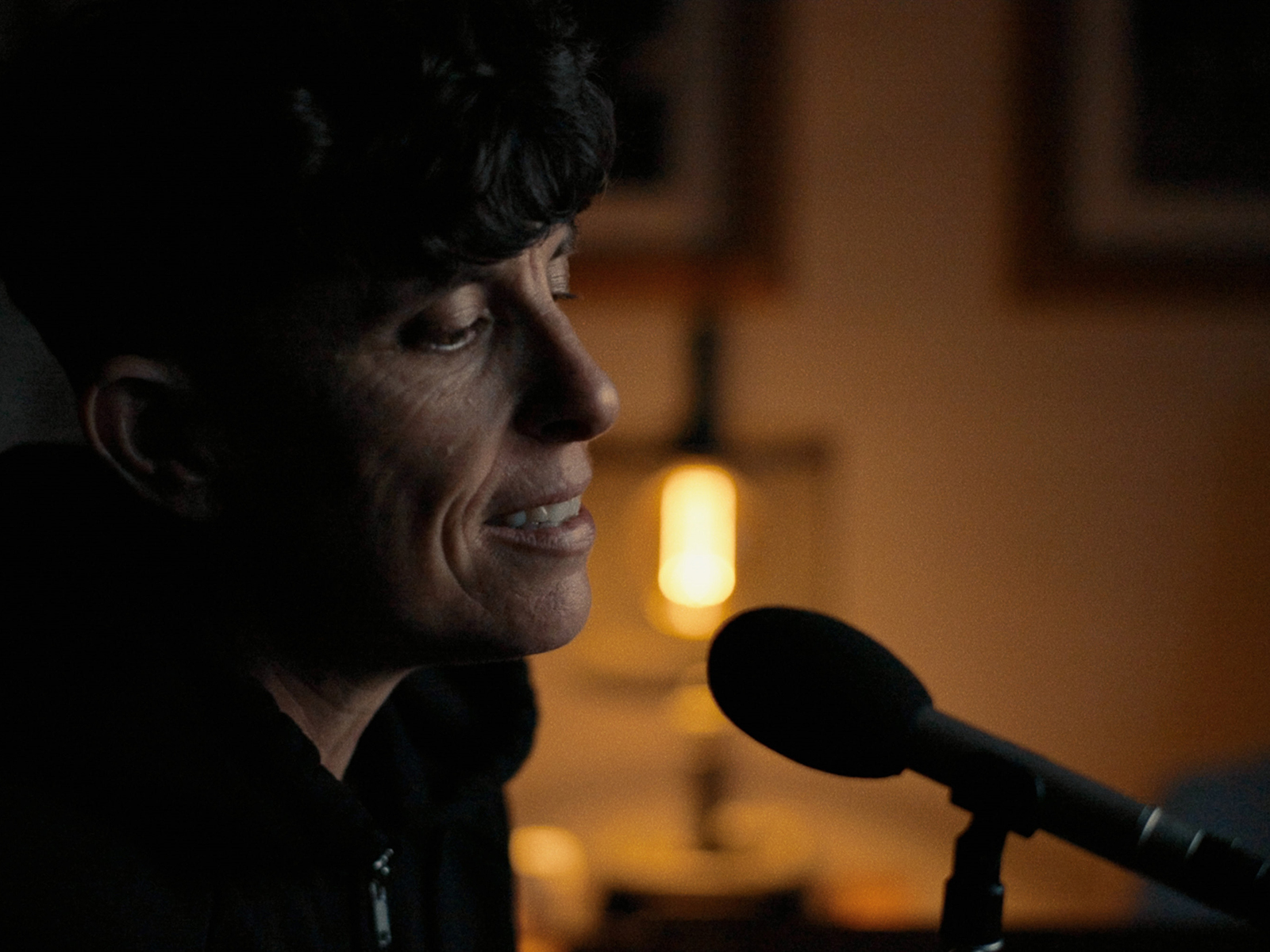
The very first day of filming is probably the best scene in our film. It’s the fingering and thumbing at the dinner table conversation. That happened on night one. That’s a great example of just how quickly they were ready to go.
Megan has said she and Andrea made a pact before we arrived that they were going to be completely open to the cameras from day one. They knew that there was a ticking clock on Andrea’s cancer. But what would be the point in putting up their guards for many months if Andrea could die any day? They were cracked open in a way that I’ve never seen in all of my films. This is my fifteenth documentary. It was an immediate and extreme vulnerability that they both had. Sometimes you might get that in one person, but to get that in two people is extraordinarily rare.
How remarkable was it to have been given so much access to them when they were reading their cancer test results?
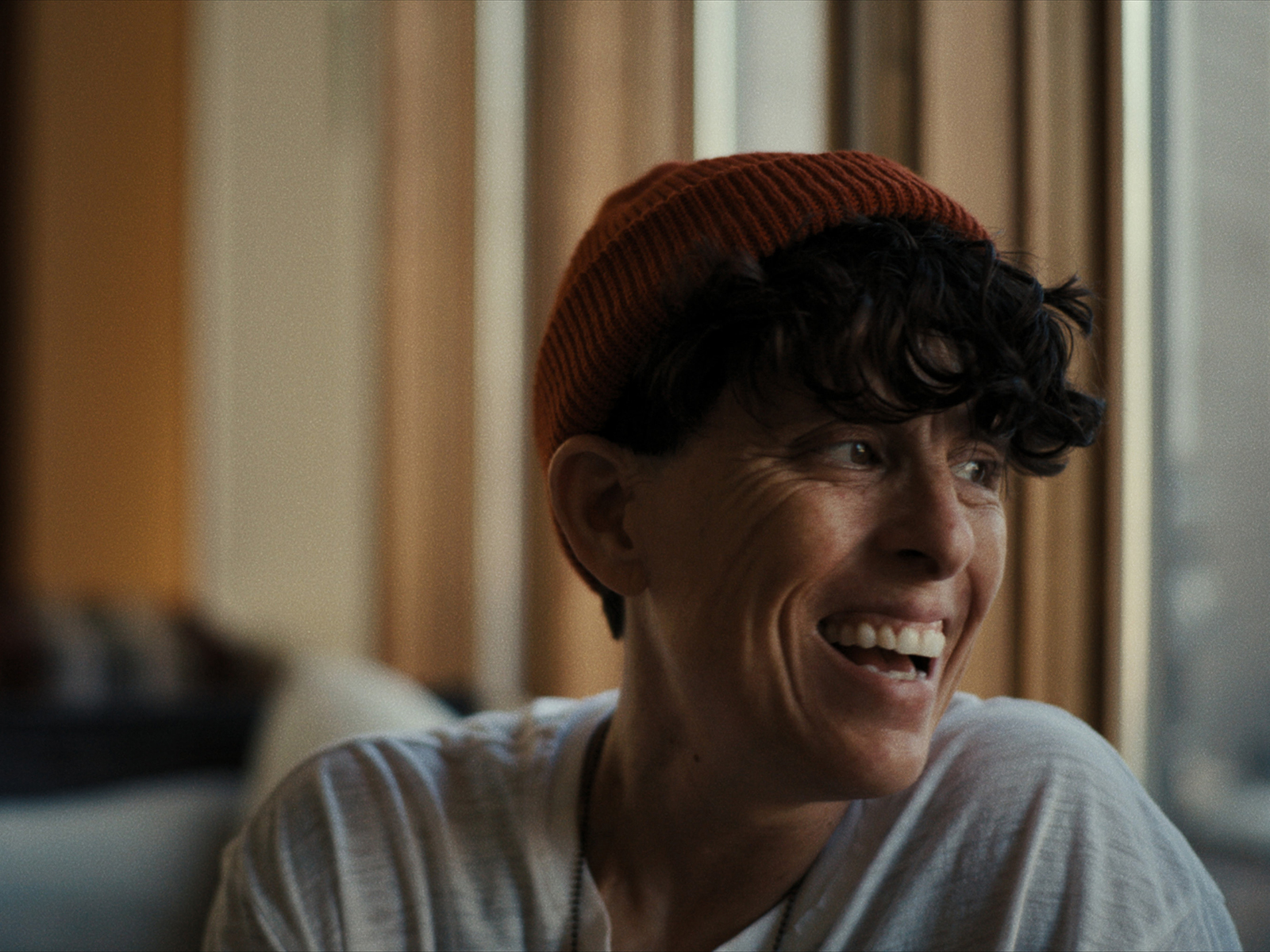
It was heavy. It was also joyful because the results could go either way. Even the heavy results would turn joyful. The joyful results would turn heavy. We filmed every three weeks when Andrea got those results. That’s how we timed our shoots. We only include three of those scenes in the film, but we shot for a year. So we probably filmed 14 or 15 life-or-death results that Andrea was getting. So we were very used to it as a family.
When Andrea gets a good result that allows them to do the live show—you can hear in that scene, the dogs are barking like crazy. That’s because my producer, Steph, jumped up and the dogs went crazy. It ruined the sound. But it was so genuine. When we found out that Andrea’s cancer had increased, that day felt so heavy. Andrea looked so sick and so afraid in that scene. We were all shocked with that number. But it was a total privilege to be able to show that extreme act of vulnerability. I can’t imagine finding out if I’m going to live or die and allowing strangers to be there with me during that moment of vulnerability. Andrea did it, like 15 times with us.
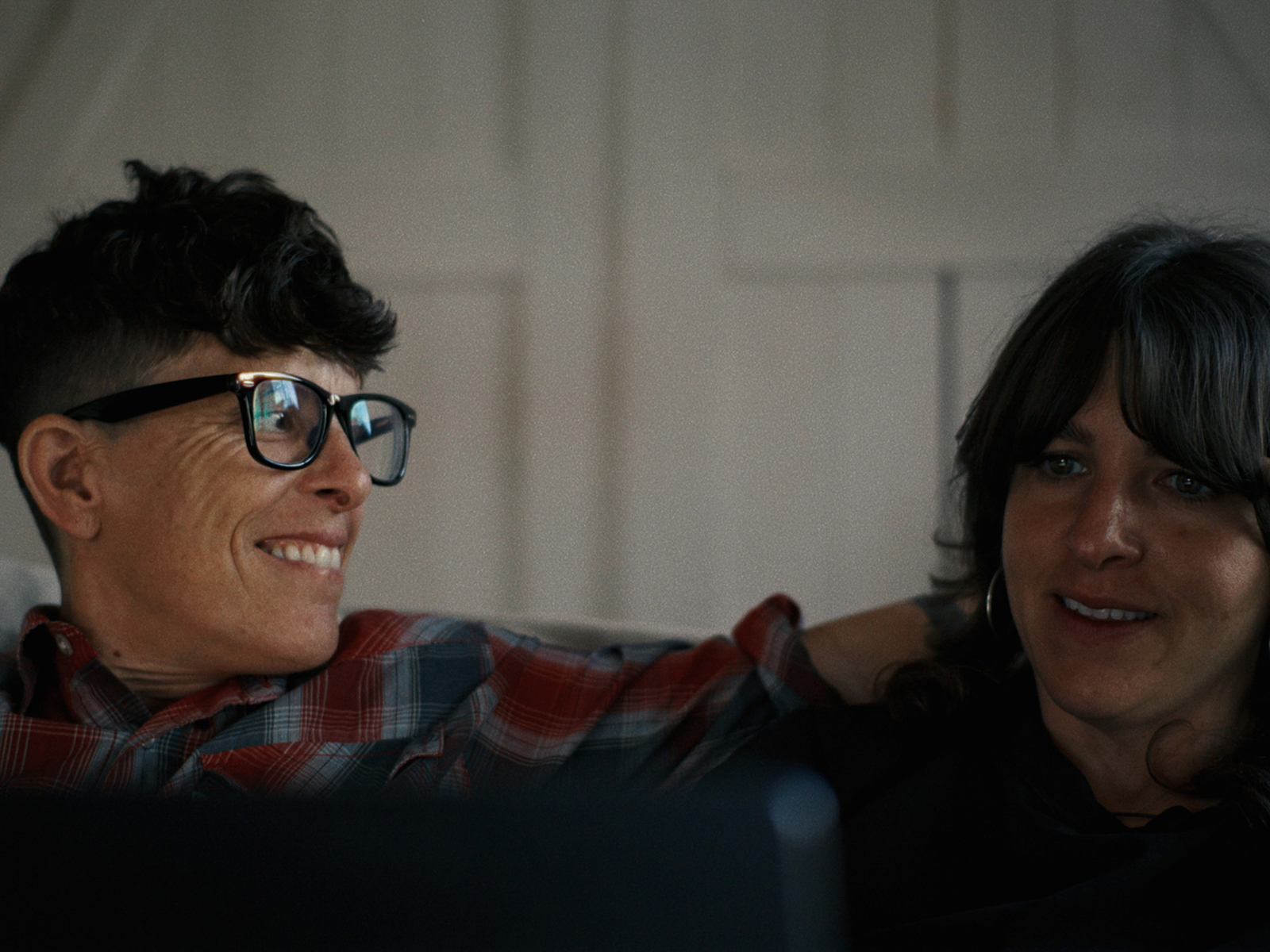
I’m often asked, “Didn’t Megan and Andrea ever fight?” Truly, they didn’t. They will be the first to admit that they fought all the time before the diagnosis. There were moments of tension and anxiety in their relationship. But they were still very loving. I found them really inspirational to be around. Because even moments where it was tense between the two of them, they found a way to give the other space and share their feelings. It was really remarkable to witness. I definitely carried it into my own relationship—this way they were both very in tune with the other person. They were very in sync in a way that was really beautiful to witness.
When did you know what sort of film you wanted to make?
I think we all thought we were making an end-of-life film and that would be the structure. But the more we filmed and especially the more my incredible editor Bernice Chavez cut, the more life and joy we saw in the film. We started to ask ourselves, “Does the hero have to die at the end of this film? Is that the story that we’re telling?” It felt like we weren’t. Andrea was showing us how to die gracefully. I think they were showing us how we all can live before we die.
We decided to structure the film more around life and joy. That’s why the film doesn’t end with a final breath. That also allowed us the beautiful opportunity that no one ever thought would happen: We finished the film while Andrea was still alive. At Sundance last year, Andrea was there with us. That was inconceivable to Andrea. They were sobbing when they heard we’d got in. Andrea was healthy enough to come to Sundance. They got to see it with an audience. I think everyone in that audience thought it was going to be an end-of-life film. When it ended, everyone was waiting for a card that would announce Andrea’s death date. Then the credits ended and Andrea walked up on stage. It went wild. The theater was literally vibrating. People were jumping up and down.
I’m very at peace with that creative decision. It was the right place to end the film. I love that Andrea got to see it. They only got to see it once with the crowd. But I think that was enough for them to know the legacy that their story would have.
Read More: 9 Questions With Colorado’s Poet Laureate Andrea Gibson
Stream Come See Me in the Good Light on Apple TV. The film is nominated for Best Documentary Feature at the Academy Awards, airing at 5 p.m. on ABC Sunday, March 15.