
The Local newsletter is your free, daily guide to life in Colorado. For locals, by locals.
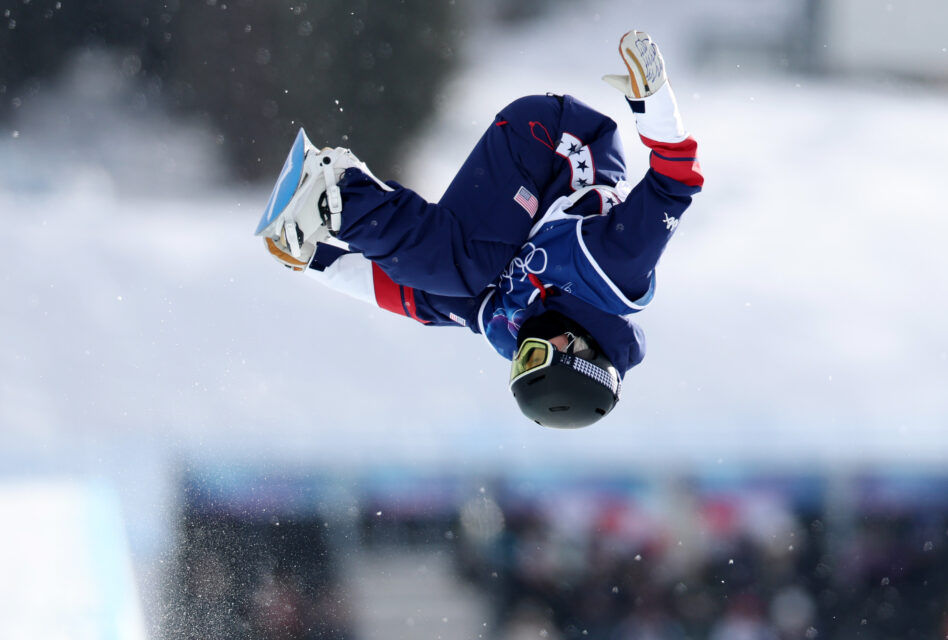
When Maddy Schaffrick dropped into the halfpipe in Secret Garden, China, in December 2024, she hadn’t competed in a World Cup event in a decade. Burned out at age 20 in 2015, the Steamboat Springs native left the sport. She did odd jobs, even apprenticing as a plumber, and eventually took a gig coaching seven-to-nine-year-olds with the Steamboat Springs Winter Sports Club to score a free ski pass. “Working with those kids fully reconnected me to my love for snowboarding that was so separate from competition,” Schaffrick says.
With her passion rekindled and an identity outside of snowboarding, she returned to the pro circuit simply hoping for a clean halfpipe run. “My last three years competing before I retired…it was like as soon as the judges were watching, I would crumble and kind of disassociate,” Schaffrick says. In Secret Garden, “I felt all the same feelings; I realized I might have a different outlook and new mental tools and more maturity, but those thought patterns were ingrained deep in me.” Instead of checking out, however, Schaffrick chose to trust herself and her training—and finished in third place.
Since then, she’s had an Olympic-qualifying World Cup run, including a second-place showing in Aspen in early January. “My goal has been to go on the same journey I went on before, that felt like it broke me,” Schaffrick says, “but to do it again with a belief in myself.”
Two months before she flew to Italy to compete in the halfpipe, we chatted with Schaffrick about how she and the sport have changed over the past 10 years and what she is hoping to get out of her first Olympic experience.
Editor’s note: The following conversation has been edited for length and clarity.
View this post on Instagram
5280: You’ve been pretty open about the burnout and mental health struggles that led you to leave the sport more than a decade ago. What did you do during that time away from snowboarding?
Maddy Schaffrick: It was that chapter of life that I think many early 20-year-olds experience—I had to go back and live with my parents. They told me I couldn’t live there for free. I hadn’t been to college or anything and didn’t have any experience besides the snowboard industry. I knew I wanted to work with my hands, keep my body moving. I was like, Hey, does anyone know of any manual labor opportunities?
I was telling this to my friend who owns a plumbing business, and he was like, Yeah, you can start tomorrow. I became his apprentice for a little over a year and learned a lot of useful stuff. I also learned in that year that I did not want to be a plumber. But I’m forever grateful for him and gained so much respect for trade work. I feel like that one year of plumbing was harder on my body than seven years of professional snowboarding.
What got you back on the mountain?
A lot of my friends started coming back from college. It was going into the winter season, and the mountain was opening up. And I was like, Oh man, so many of my friends are gonna have season passes, I should probably get one. I couldn’t afford one just yet, and so with no intention of re-entering the snowboard world, I reached out to my friend who was the program director at the Steamboat Springs Winter Sports Club and just said, Hey, do you have any volunteer positions available so that I can get a season pass for free? And she put me with a group of seven-to-nine-year-olds who had never snowboarded before. It brought me back to the core of why I love the sport.
So, you’re 31 now. I don’t know if this is comparable at all, but I became a mom five years ago, in my mid-30s. I often think about how I’m in a much better mental place to be a parent now—but man, it would have been easier on my body when I was 25. Do you feel that at all? Like, is there a mismatch between when your body and mind peaked?
[Laughs.] I absolutely relate to you. I would love to be back in my 20-year-old body. I feel like what I’ve gained mentally is my perspective on the day-to-day process of this sport and what it takes—the choices I have and the freedom in my choices. That is exactly why I think I came back into it and wanted to give myself this opportunity again. To go through it with that sort of awareness and freedom and intention. But, I mean, I was told about two months ago that I’m ready for a knee replacement whenever I want one. That’s another thing: Now, with my “mature” mind, I’m paying way more attention to my body and taking way better care of it than I ever did when it was feeling good.
How did the sport change while you were gone?
The tricks people are doing now are wild, and I think that’s also changed the culture a little bit. Free ski and snowboard has always kind of been this counterculture, outcast…let’s just say there’s not as much partying as years ago. This is a legit career that people really dedicate their minds and bodies to in a way that I don’t think was always done in the past.
Is that in part because it’s become more popular?
Our sport has gained more respect and attention—but at the same time, on the halfpipe side, we’re traveling to Europe three to four times a year just to ride a halfpipe. You can count on a hand and a half how many 22-foot halfpipes there are in the world. You can count on one hand how many 22-foot pipes there are in our country. That’s reflected in the amount of participants we have now. This week in Aspen, it’s a World Cup Olympic qualifier, and the women’s snowboard field has 22 competitors. That is half the amount that used to be the norm at an event like this. You can see it in the numbers of kids coming up in the pipeline. We’re not seeing the energy and money being put in the halfpipes and parks around the country at different resorts.
Why do you think that is?
I think it’s because it costs so much money. Bottom line, it costs money and people get hurt in them. Tourists who are paying money to come and ski there for a weekend might get hurt on a big jump.
At your first World Cup event back, you reached the podium, in third place. Were you surprised?
I was so surprised. My goal going into that event was to land my run, and that was it. That World Cup back was crazy, because I felt like my 17-year-old self. When that anxiety and nervousness came up, what I wanted to do first was to check out, disassociate, and stop believing in myself. So when I landed that run—felt all of those things of the past, was able to admit them to myself, accept them, and then choose to do something different with them—it just made me feel like I’m doing the right thing by believing in myself. People talk about muscle memory, but our brain does the same thing. This journey has been one of trying to break those habits and forge new ones.
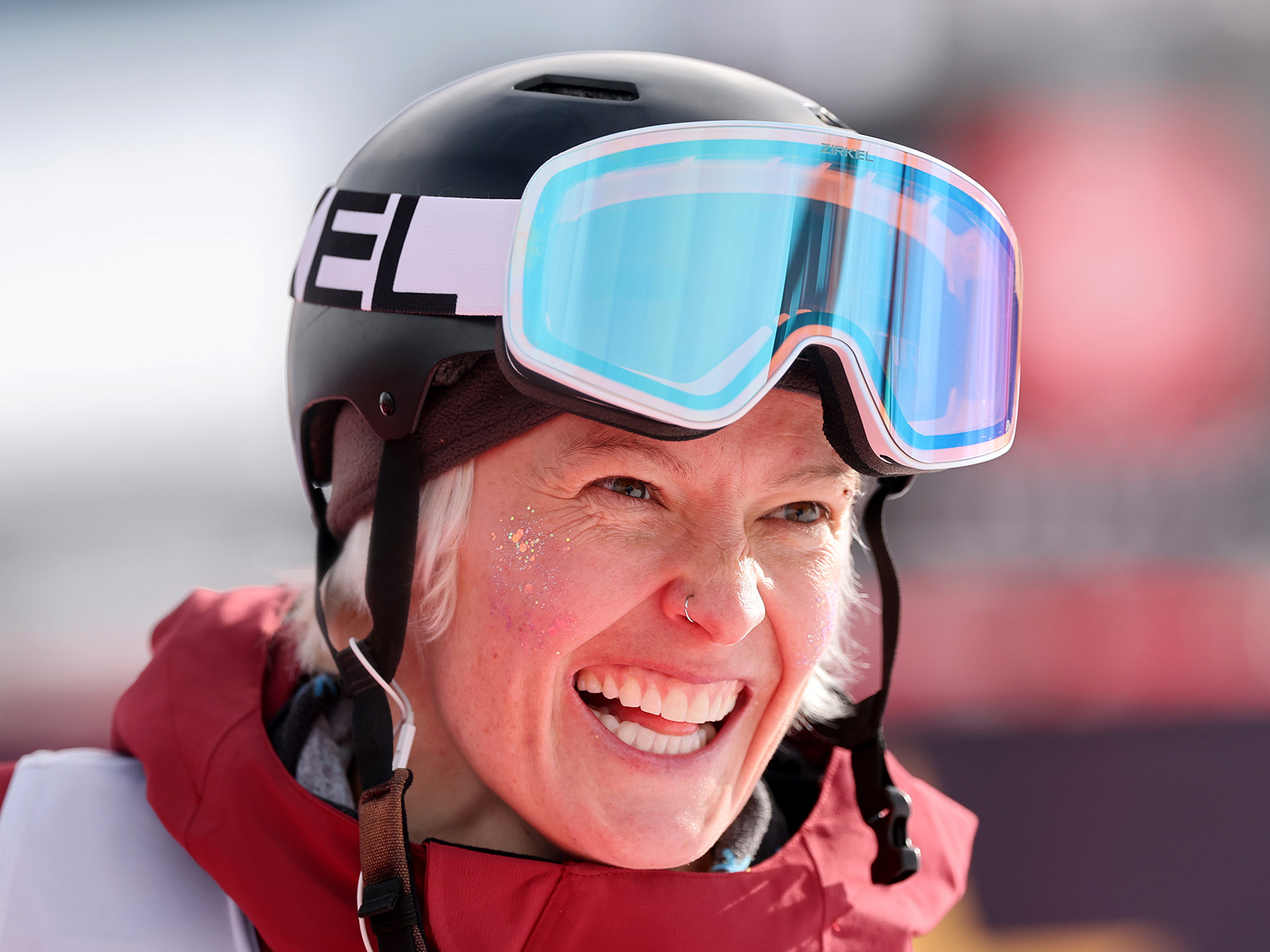
What’s your mindset going into these Games?
Why I’m going for the Olympics again is to really see what I’m capable of in all realms—physically, mentally, emotionally, spiritually. Snowboarding just feels like my tool and my road to discover those things for myself. I want to do it again with a belief in myself and making the daily choices to not give up on myself. And also, I want to go to the Olympics because I’ve wanted that since I was four years old. I want to go there and land a run that I am proud of, that I know I’m capable of, and that I’ve put in all the hard work for.
Believing in yourself is a habit, it’s worth it, and it’s never too late to start, especially if you’ve had a significant amount of time where you didn’t believe in yourself or maybe made choices that weren’t in your best interest. There’s no better way to redeem yourself, to yourself, than to just try to do better.
Read More: Coloradans to Watch at the 2026 Milan Winter Olympics