


The Local newsletter is your free, daily guide to life in Colorado. For locals, by locals.
Although menopause is a momentous biological process that almost half of the population will someday experience, the medical community doesn’t seem too curious about it. Only one percent of all academic research on aging involves “the change,” a 2024 review by a Harvard Medical School professor found.
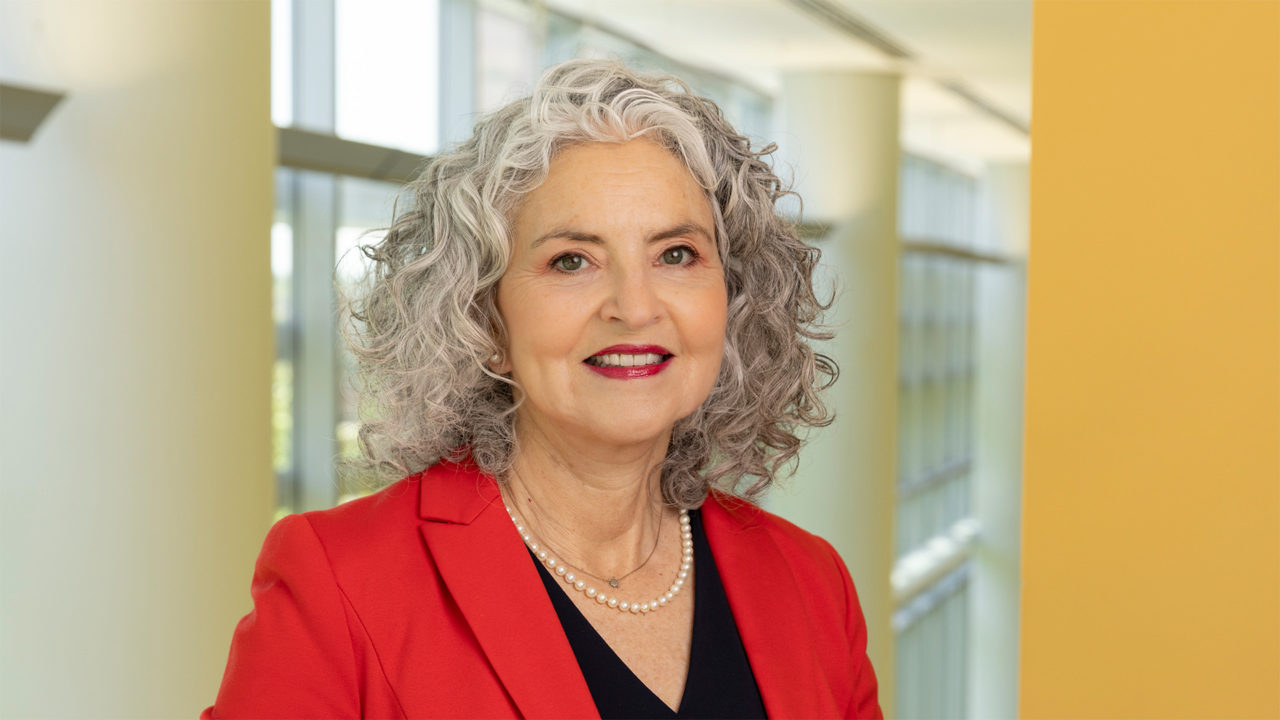
Dr. Nanette Santoro, a menopause researcher and chair of the OB-GYN department at the University of Colorado Anschutz Medical Campus, is hopeful that number will rise. “We are seeing more enthusiasm for research, and more women are not wanting to tolerate menopause breaking their stride,” she says.

Still, misconceptions persist, which is why we asked Santoro to debunk three of them below.
3 Myths About Menopause
Myth: Hormone therapy is risky.
Truth: It’s actually very safe.
Supplemental hormones (estrogen and sometimes progesterone) can relieve menopause symptoms, such as hot flashes and insomnia, but in 2002, a widely publicized study found that they also increased the risk of breast cancer, strokes, and blood clots. Misleading media coverage amplified fears, and alarmed by scary statistics, such as a 26 percent rise in breast cancer, millions of women stopped taking hormones (or never started in the first place).
But the danger is still very low. That increase in cancer, for example, meant the individual threat went from 2.33 percent to 2.94 percent. Still, only about six percent of menopausal women take hormones—a figure that should probably be higher, since 80 percent experience symptoms.
Bottom line: “A majority of women can take hormones with very low risk and will get great relief,” Santoro says.
Myth: Hormone therapy is a cure-all.
Truth: For many, it is—but not for everyone.
“When I prescribe hormones, and then my patient comes back a month or two later, I never know what I’m going to hear,” Santoro says. “She might say, ‘All my symptoms are gone.’ But others will say, ‘It didn’t work at all.’ ”
Thankfully, those who don’t benefit from hormones have options. Several drugs originally prescribed for other purposes—such as some antidepressants and gabapentin, an antiseizure pharmaceutical—can also help. “And there are other medications in development now,” Santoro says. “There’s almost always a way to feel better.”
Myth: Menopause is brief.
Truth: Symptoms can last for years, though experiences vary widely.
The average hot flash sufferer will deal with that symptom for seven years; Black women experience them for an average of 10 years. “That’s a long time to be struggling,” Santoro says, which makes seeking help all the more important, even if your symptoms aren’t severe. Meanwhile, a lucky minority of women will never have menopause symptoms or will have them only briefly.
Read More:
- A First-of-Its-Kind Colorado Clinic Is Changing the Game for Teen Girls in Sports
- She Barely Survived Giving Birth. Then She Vowed To Give Other New Moms a Better Experience.
- Heart Attacks Are Twice As Deadly in Women. A Colorado Doctor Believes Earlier Detection Could Save Lives.
- How Silent Endometriosis Changed My Life