

The Local newsletter is your free, daily guide to life in Colorado. For locals, by locals.
Jean Bedell may not work a nine-to-five any longer, but her life is as busy as ever. The 90-year-old sings in a choir, plays bridge often, participates in a dance program, and attends exercise classes several times a week. When her senior living community, Balfour Louisville, launched a new partnership with the University of Colorado Anschutz Multidisciplinary Center on Aging, however, Bedell knew she would squeeze one more thing into her calendar.
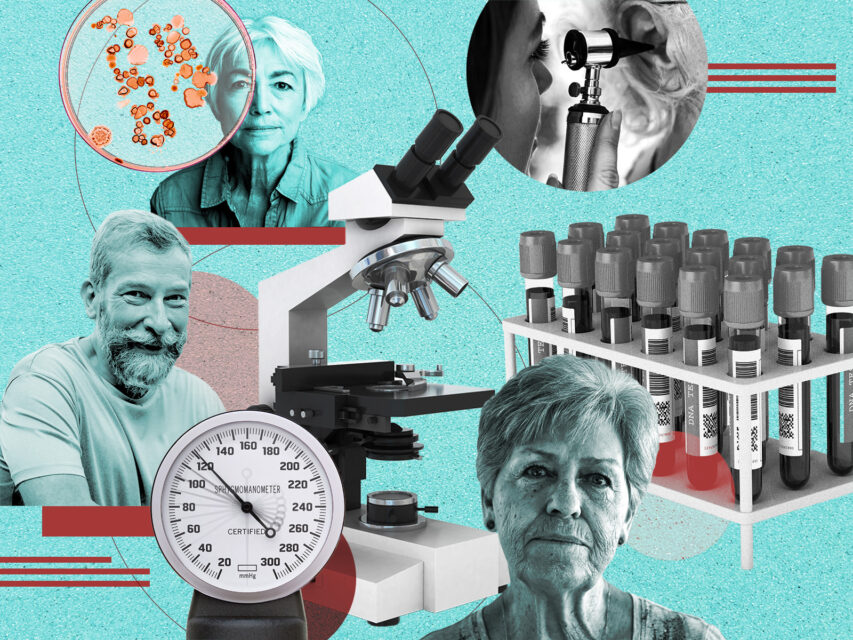
The partnership, coined a “living lab,” allows researchers to conduct some experiments in reserved community rooms at Balfour Louisville. Although studies have yet to commence since the program launched in October, residents may soon participate in research about how high blood pressure affects hearing and if light electrical stimulation can help with walking. It’s one of the first research initiatives based in a senior living facility in the United States, says Dr. Cari Levy, head of the Division of Geriatric Medicine at CU Anschutz.
Older adults are often underrepresented in or excluded from clinical research due to ageist biases, cognitive impairment, comorbidities, and accessibility issues, according to a 2022 article published in the Age and Ageing journal. At the Anschutz Medical Campus in Aurora, only about one in five research studies include participation from someone over the age of 50, creating what Levy calls “a really unbalanced situation.”
She hopes the new living lab will help remedy this disparity by eliminating some accessibility barriers. First, Anschutz researchers present their study to Balfour Louisville’s Academic Resident Advisory Council (ARAC), which comprises current residents—including Bedell. The council reviews the materials and decides if the study is a good fit for its community. Once approved, a researcher can begin finding participants.
Balfour Louisville residents decide which studies they want to participate in, if any; some may even compensate residents for their contributions. Conducting studies within senior care facilities gives researchers a sense of what’s important in these communities, Levy says. And the collaboration isn’t just a win for the health care system. Bedell, a former geriatrician, says the launch of the living lab is a way for seniors to fill their days with meaningful work.
“There are very few of us that want to just sit in our homes and watch TV and read books,” she says. “So this gives us a purpose within our lives…a purpose that will benefit our children and our grandchildren. I just think that’s an exciting and critical part of what this research program is about.”
Levy hopes to scale the pioneering partnership soon. In fact, four other senior living facilities in the Denver area have reached out to express interest in setting up their own in-house research labs. “We have loads of folks in senior communities who wish desperately to be involved in giving back,” she says, “and [be] part of scientific advancements.”