

The Local newsletter is your free, daily guide to life in Colorado. For locals, by locals.
Tattoos aren’t exactly countercultural anymore. The Denver metro area alone has more than 250 tattoo shops, and Coloradans as diverse as musician Nathaniel Rateliff, Republican congresswoman Lauren Boebert, and Nuggets forward Aaron Gordon are all rocking ink. The art form exists along a wide and influential spectrum, with thousands of Instagram followers admiring the intricate, surrealist visions of Cynthia Gomez, the understated stick-and-poke talismans of Lauren Samuels, and the Pachuco-influenced stylings of Santiago Padilla-Jaramillo, just to name a few local stars.
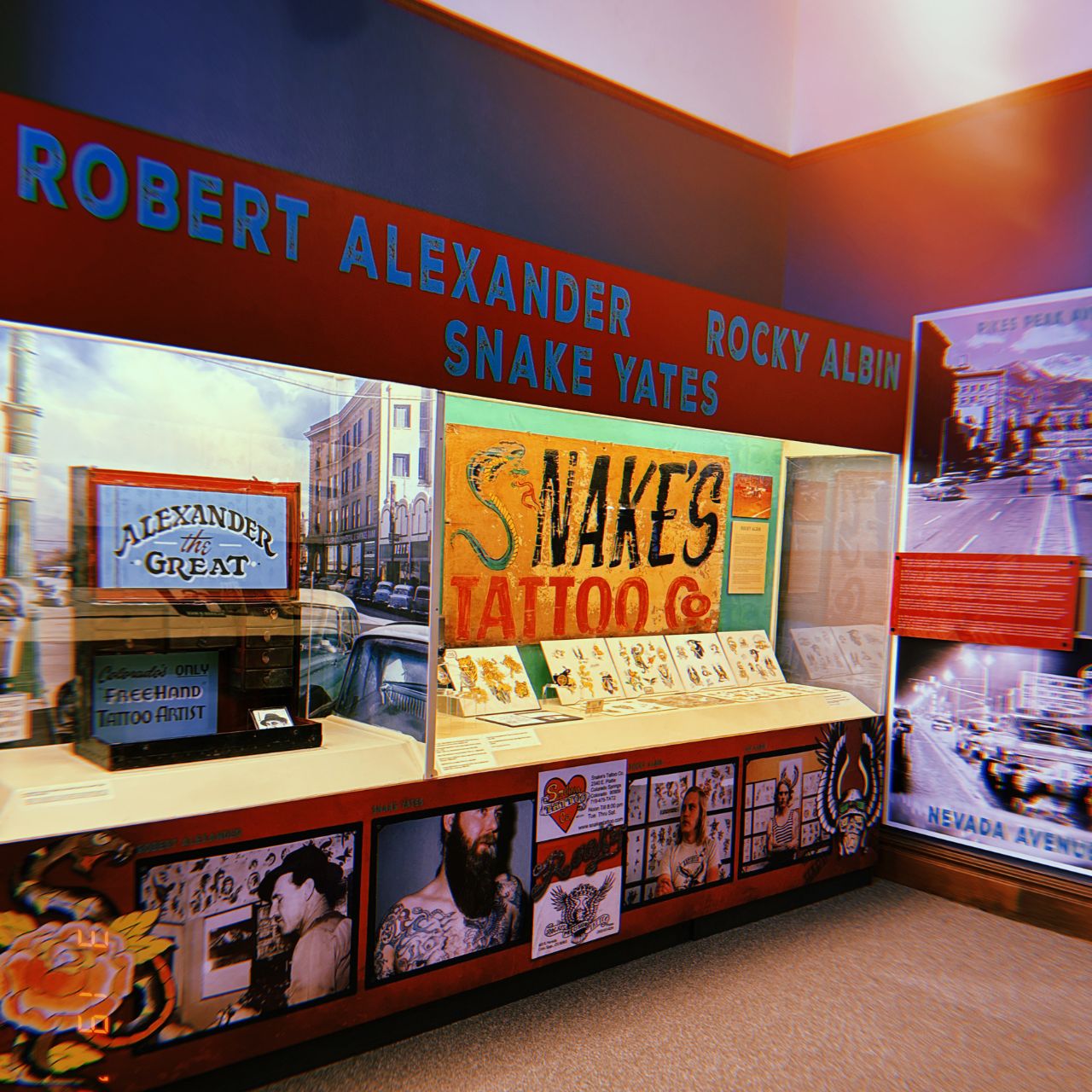
Long before tattoos went mainstream, though, a little-known Colorado Springs artist helped shape the state’s ink culture. Born in 1914, “Colorado Nick” Wisner came of age working in a Victor gold mine, breathing dust that left him with a chronic lung disease. Turned away from military service due to the condition, he took to the road as a traveling tattoo artist in the 1930s and ’40s, bouncing between cities—including a stint in Chicago, where members of the mob beat him nearly to death—before setting up shop in Colorado Springs in the 1950s. Today, his handmade tool trunk and other artifacts are on display at a recently opened yearlong exhibit at the Colorado Springs Pioneers Museum.
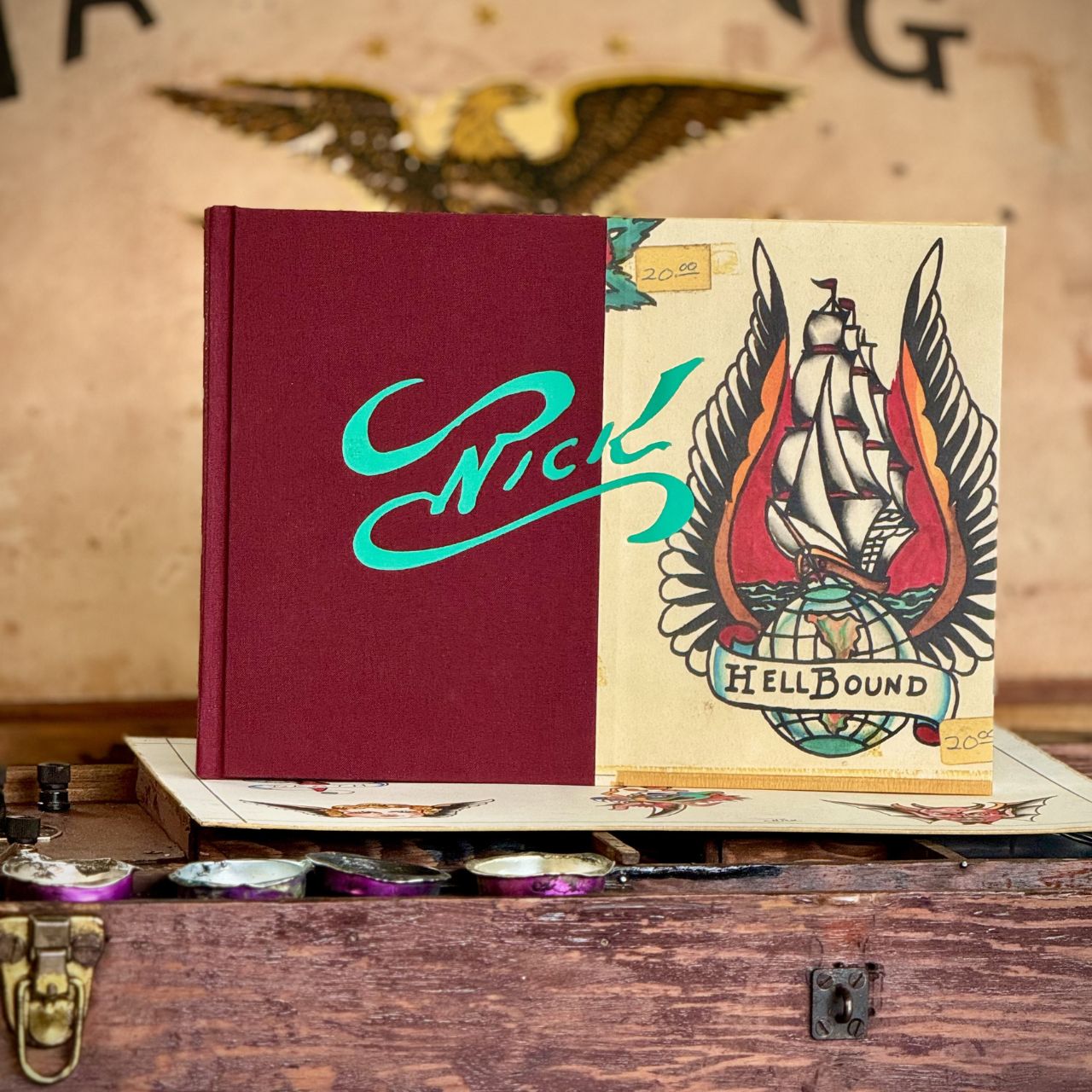
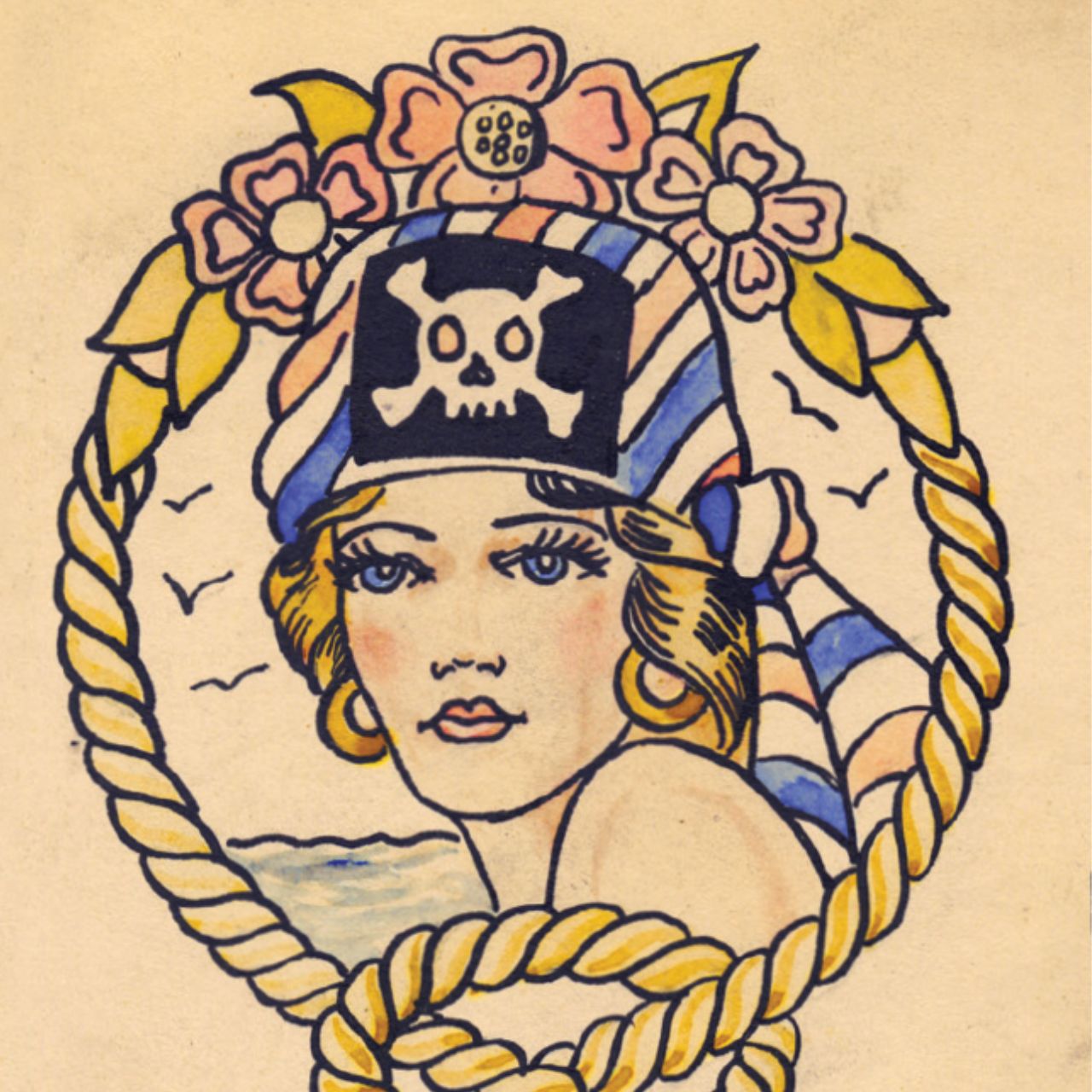
Colorado Nick’s story anchors a new, eponymous coffee-table book by Scott Boyer, released this spring through his own Yellow Beak Press. Boyer spent more than a decade combing through archives and public records, cold-calling family members, and even visiting cemeteries to piece together the lives of Wisner and other midcentury tattoo artists across the Centennial State. The 320-page volume is filled with colorful images of “flash”—templated designs customers could choose from—alongside old photos, postcards, and tales about the rough-and-tumble lives of Wisner and his fellow tattoers.
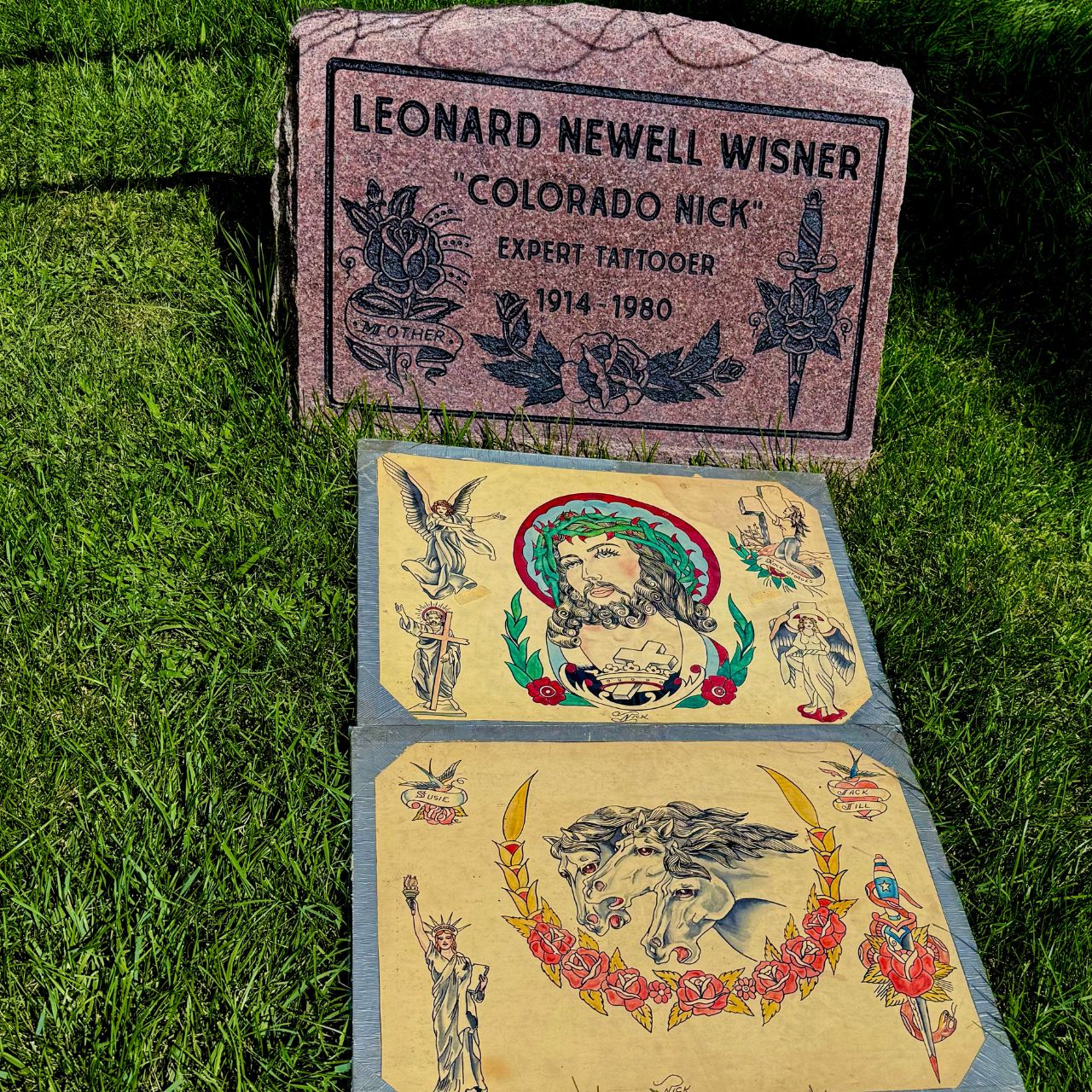
Still, like many folk artists, Wisner lived on the margins and died in relative obscurity. His grave was unmarked for years before Boyer installed a headstone himself. We spoke with Boyer about his decade-long journey creating Colorado Nick.
Editor’s note: The following conversation has been edited for length and clarity.
5280: Nick didn’t serve in the military, but he spent much of his life traveling to Army and Navy bases to ply his trade tattooing soldiers. Did tattoo culture originate in the military?
Scott Boyer: Well, tattoo history as a whole goes back much further than that. People have always had a primal drive to adorn ourselves with tattoos. In the 1800s, it was a high-society thing in Europe—it was popular for European royalty to bring Japanese tattoo masters to the West to give them souvenir tattoos, which were a sign of affluence.
But once the electric tattoo machine was invented around the turn of the 19th century, it became a working-class thing. Tattooers were nomadic and traveled to where the money was, mainly at military bases. Colorado Springs was a tattoo hot spot because it’s a military town.
Soldiers when Nick was active, during World War II and the Korean War, were coping with major trauma and PTSD, which wasn’t really recognized or treated yet. Was tattooing a form of healing for them?
Yeah, there’s some beauty in that. A lot of the imagery is about projecting strength and power—there’s eagles, dragons, panthers, and also flowers and symbols of beauty. In Nick’s tattoos, there’s love, lust, longing, and resignation, all those emotions that these guys weren’t talking about outwardly.
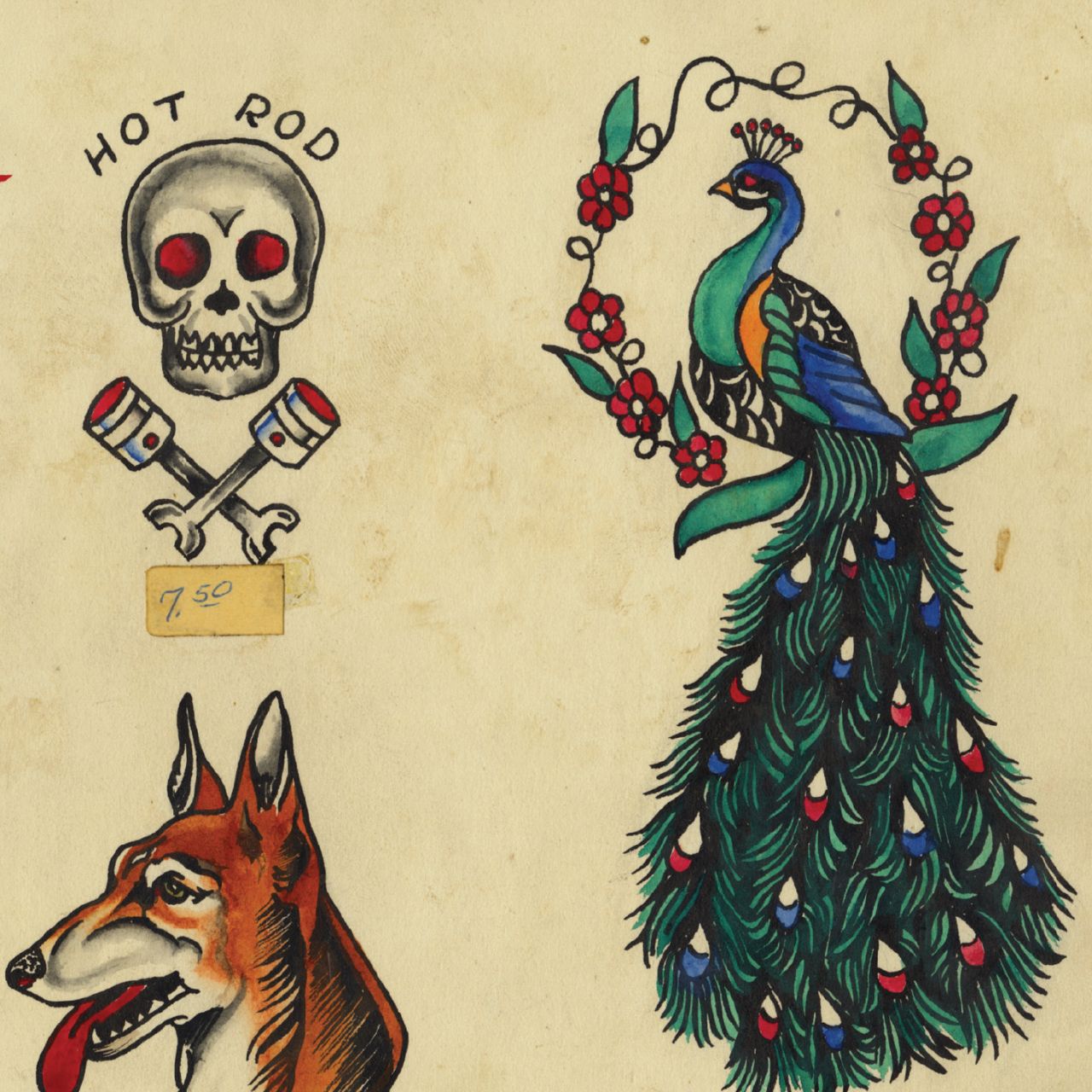
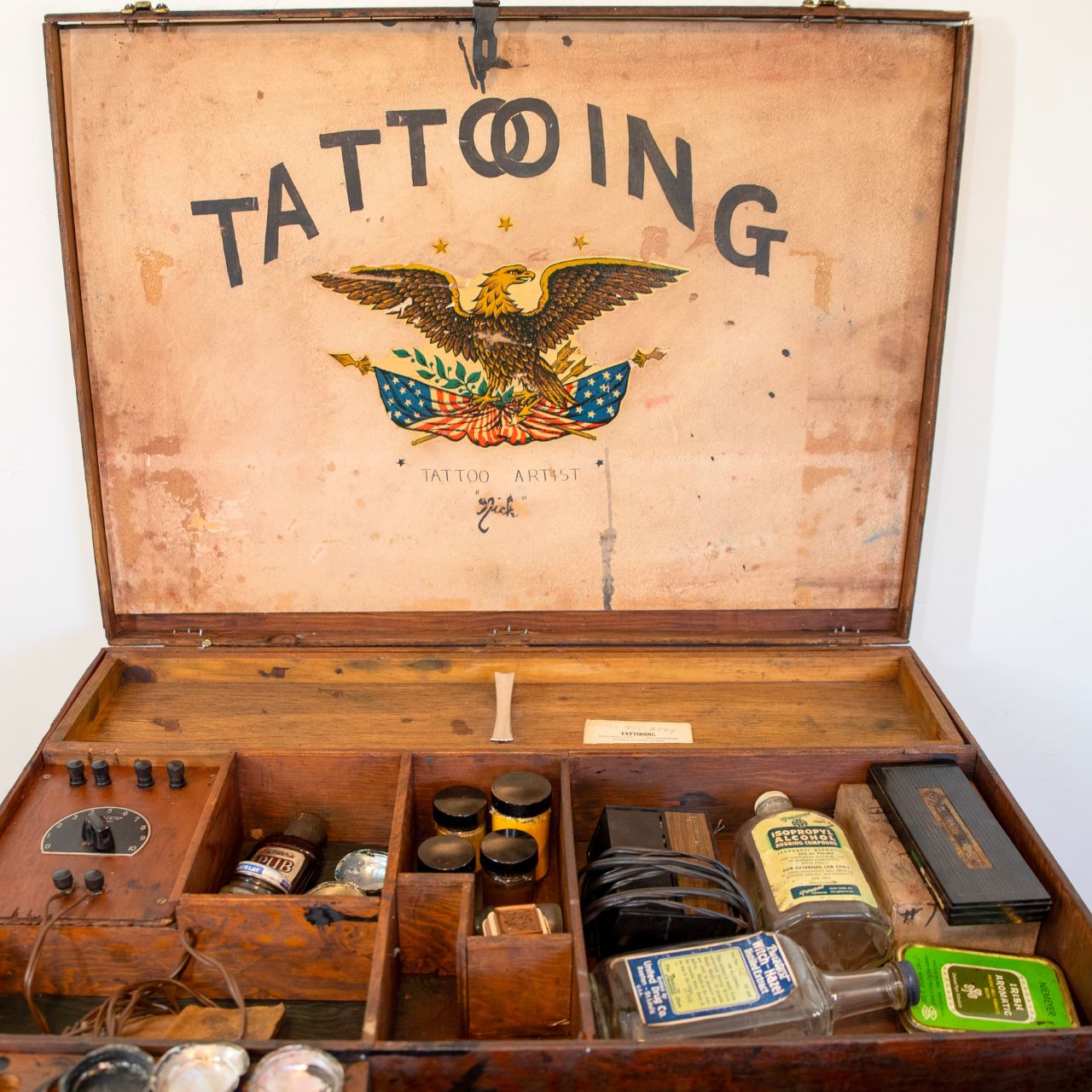
Today the 1950s are remembered as a time of conformity. But you show in the book that there was a countercultural movement with tattoos.
Nick’s second wife, Mildred, and her sisters were all heavily tattooed, despite having a classic 1950s look otherwise. That was not common at the time. I mean, circuses had tattooed women as sideshow attractions. So I can only imagine what it was like for them to, say, work a waitress job and have people comment on their bodies. My understanding, from speaking with family members, was that Mildred and her sisters had big personalities and didn’t fear much. They were Romani [what some people call gypsies] and grew up in a nomadic way of life, so the itinerant life Nick was living might not have seemed that strange to them.
There has always been this social stigma around tattoos, but the past few years, [tattoo memorabilia] has gained more traction with higher-end antiques dealers. Tattoo styles change based on region, time, and all these things. We’re seeing the art world catch on to that. More recently, larger institutions are bidding in auctions, buying high-end flash. It’s starting to gain more recognition as folk art.
Can you talk about the gravestone that you placed for Nick?
The book started with genealogy research, and we found he was buried at a pretty cemetery here in Colorado Springs called Evergreen Cemetery. It was just a bare piece of grass next to his mother and brother’s headstones in the family plot, but the people in the office confirmed he was buried there. And that just seemed sad to me. You know, [my collaborators and I] benefited from this book financially, and tattooing as a whole benefited from Nick and his designs, so this felt like the least we could do, to give him a headstone with an image from his work.
There’s a cool tradition among tattooers. They will sometimes go visit the grave of another artist, do a grave rubbing of the headstone, and hang it in their shop as a tribute. With every copy of this book we ship out, we include a map showing the locations of his shop and his resting place, so if anyone wants to pay him a visit, they can.