
The Local newsletter is your free, daily guide to life in Colorado. For locals, by locals.
In the 1970s, Denver bank executive M.L. Hanson encouraged a friend’s daughter to write a school report on notable Colorado women. There was just one hitch: The girl’s history textbook didn’t mention any. “If women aren’t even being featured in school, they’re just totally invisible,” Hanson says. “Colorado’s history was incomplete.”
The omission inspired Hanson to found the Colorado Women’s Hall of Fame in 1985, and the nonprofit inducted 24 women its first year. Since then, 181 more have joined their prestigious ranks. Still, the hall doesn’t have a physical location open to the public. “We get emails all the time from people asking where they can see the hall, and we don’t have a place where you can see portraits of the 205 women of the hall,” says Barb Beckner, current board chair. “I hope it doesn’t take 40 years, but I hope we can negotiate space in the next 40 years to display these women and their accomplishments.”
Some of those inductees, such as Margaret “Molly” Brown and Dana Crawford, have become household names in Denver, but many others remain unknown. Ahead of the hall’s invitation-only 40th anniversary gala on August 12, we introduce you to three lesser-known inductees whose contributions to the Centennial State were anything but small.
1. Laura Ann Hershey
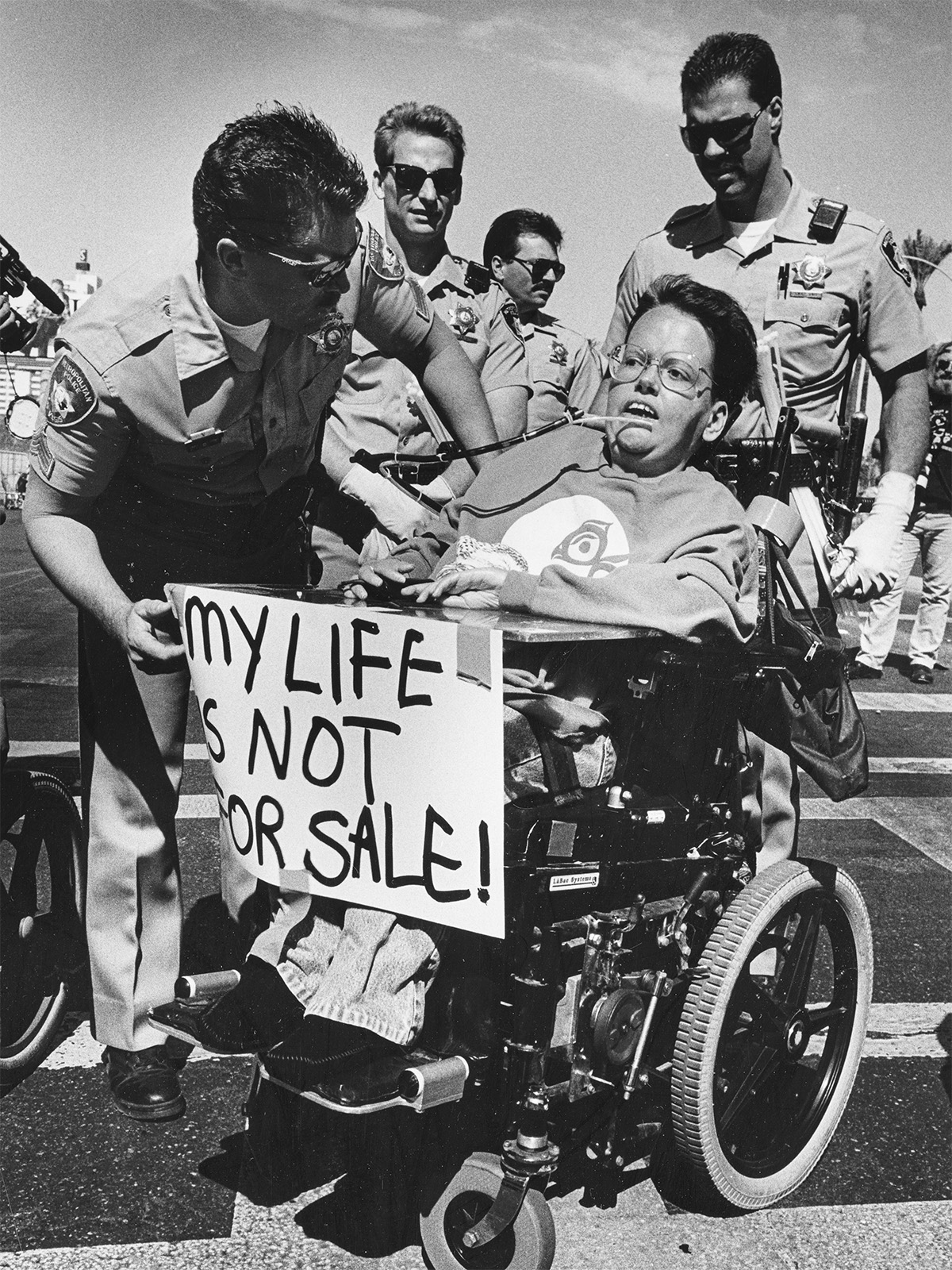
When Hershey arrived at Colorado College as a student in 1979, one of her classes and her student newspaper meetings had to be moved because she couldn’t access the buildings in her wheelchair. Hershey spent her life pushing back against those and myriad other barriers through poetry, journalism, and activism. She directed Denver’s Commission for People with Disabilities, educating developers on accessible housing, and penned a disability-focused column for the Denver Post. But perhaps her most lasting legacy is “You Get Proud by Practicing,” a poem on self-worth that’s still often read aloud at rallies and conferences. Inducted 2016
2. Ruth Cousins Denny
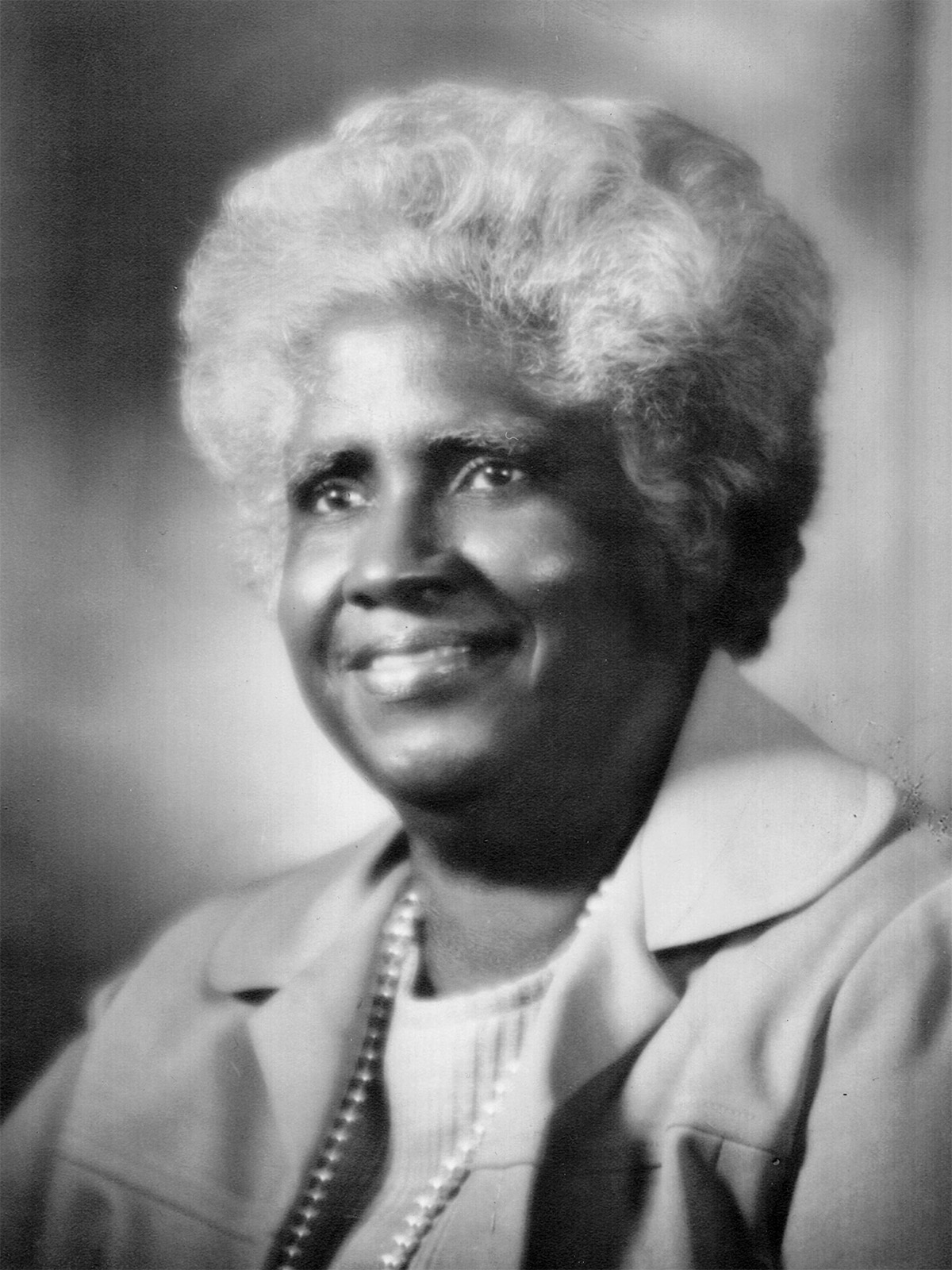
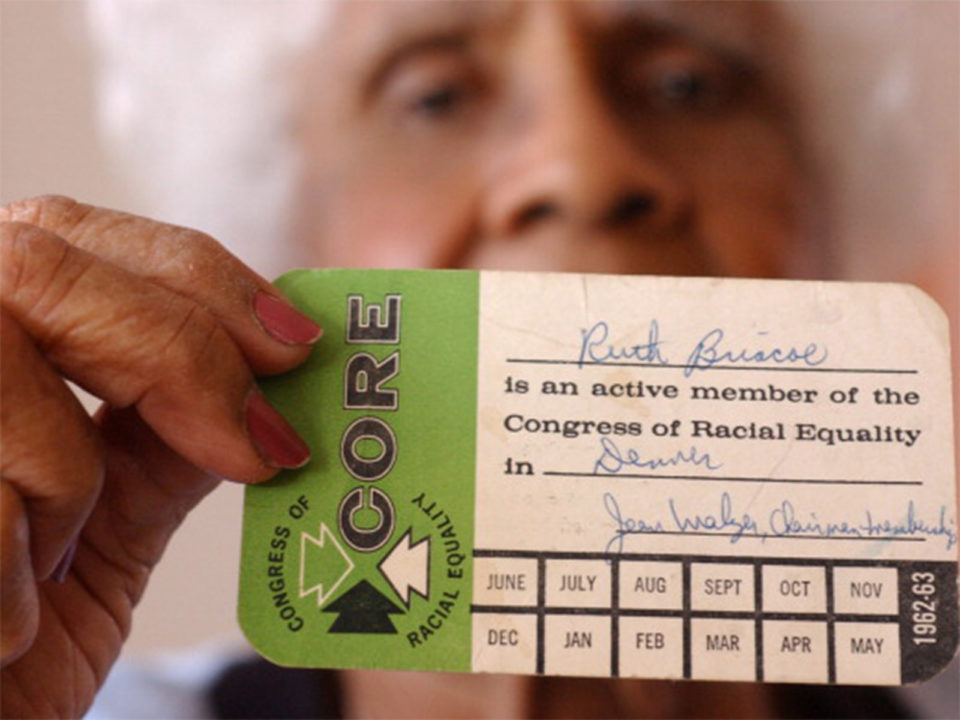
Born in Missouri in 1920, Cousins Denny was the granddaughter of enslaved people and experienced racism as a child—starting when store clerks refused to serve her family. She moved to Denver in the 1950s and lived through segregation, once being relegated to the balcony of a local movie theater. In response, she co-founded Denver’s chapter of the Congress of Racial Equality, organizing a protest against a downtown department store that refused to hire Black employees and leading a Colorado contingent to the 1963 March on Washington, D.C. Inducted 2022
3. Dr. Frances McConnell-Mills
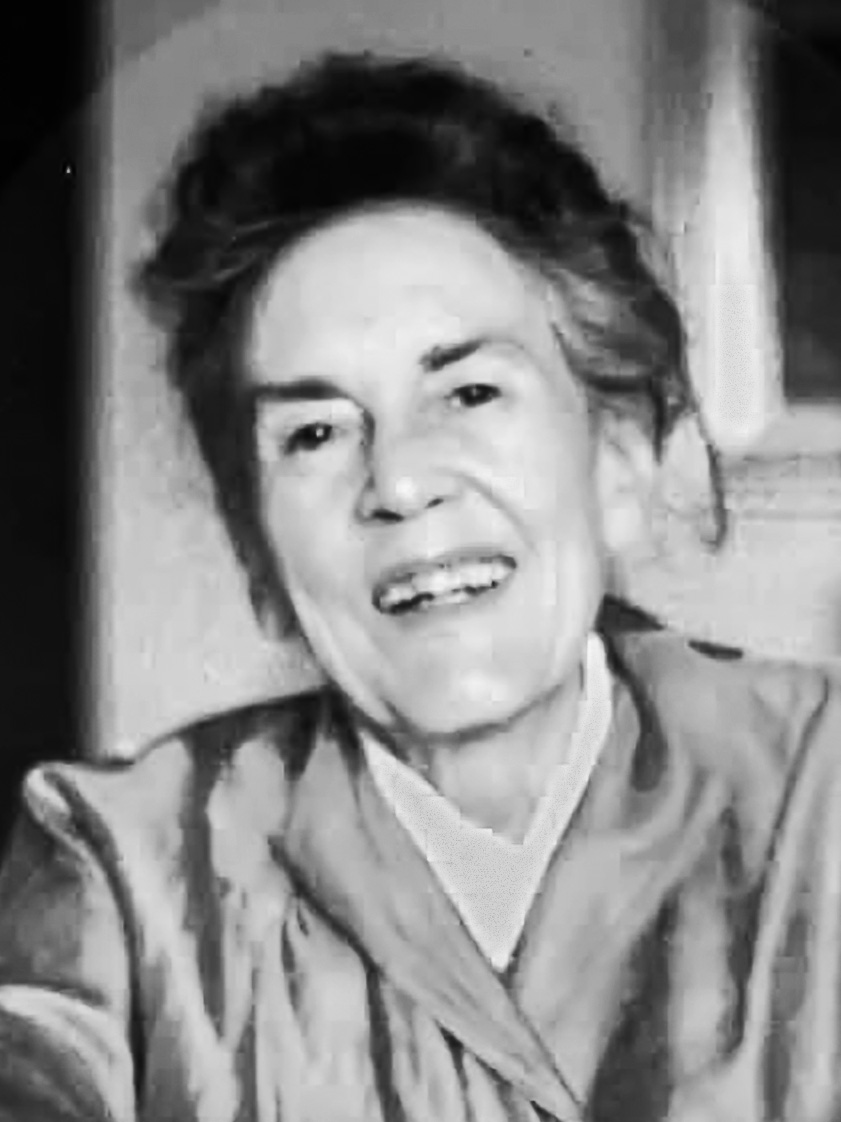
Born in Monument in 1900, McConnell-Mills graduated from high school at 15 and earned a master’s degree in chemistry at 19. But when she expressed interest in medical school, her father refused to pay; he was convinced the coursework would be too demanding for a woman. Undeterred, she graduated at 25 from what was then called the University of Colorado Medical School and went on to become the city of Denver’s first female toxicologist (and may have been the nation’s first female forensic pathologist). In that role, she helped prove serial killer Anna Hahn had poisoned her traveling companion in Colorado Springs, which ultimately led to Hahn’s conviction. But McConnell-Mills made her biggest mark on the medical profession by founding a now-defunct school for medical technologists at Denver General Hospital (now Denver Health) in the 1940s, which focused on training women in the field. Inducted 1996