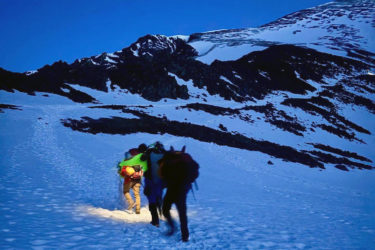


The Mary Kay Of MJ
This isn’t your grandmother’s Tupperware party.
This isn’t your grandmother’s Tupperware party.

Denver taps the international market to try and rebuild its roster.
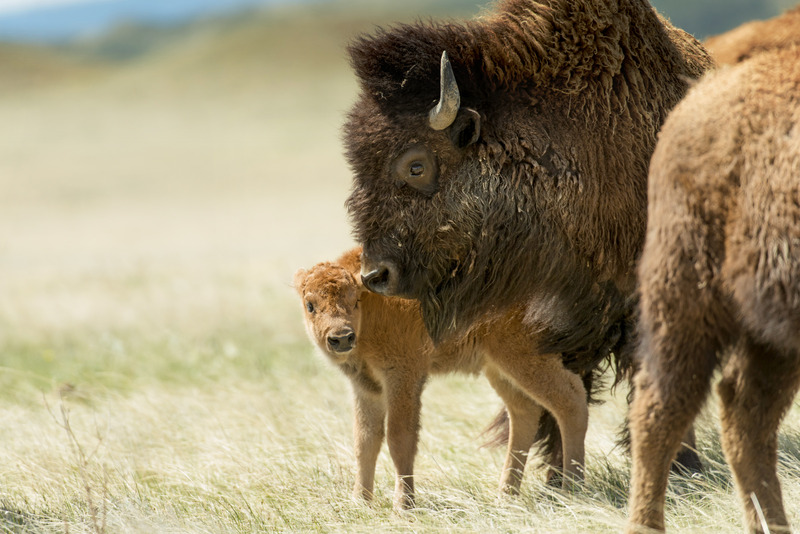
A unique type of baby boom in northern Colorado bodes well for the future of bison.
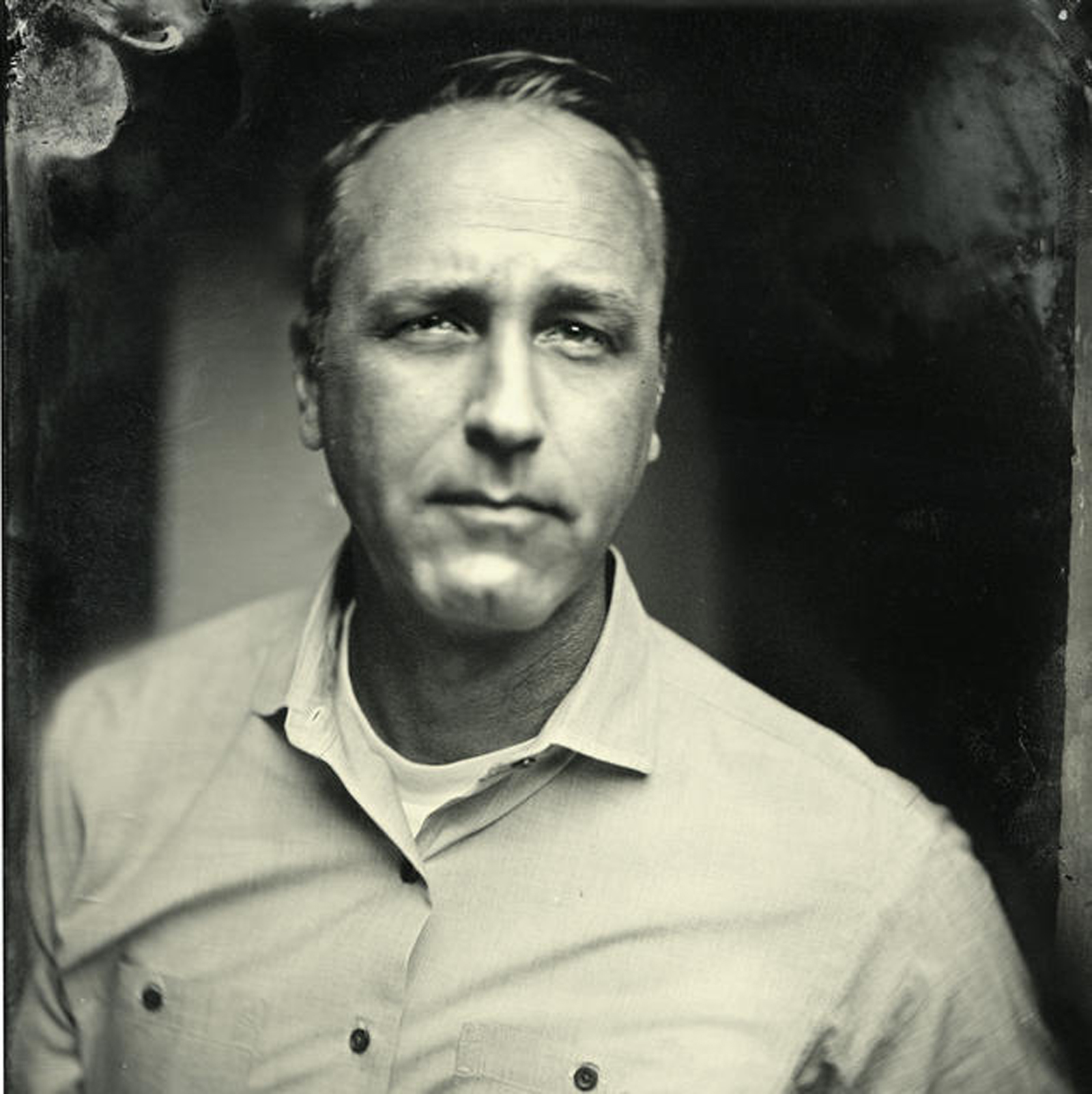
A letter from the editor of our October 2016 issue.

Get Involved is a weekly series pointing readers toward community-oriented events, volunteer opportunities, and good causes in Colorado.
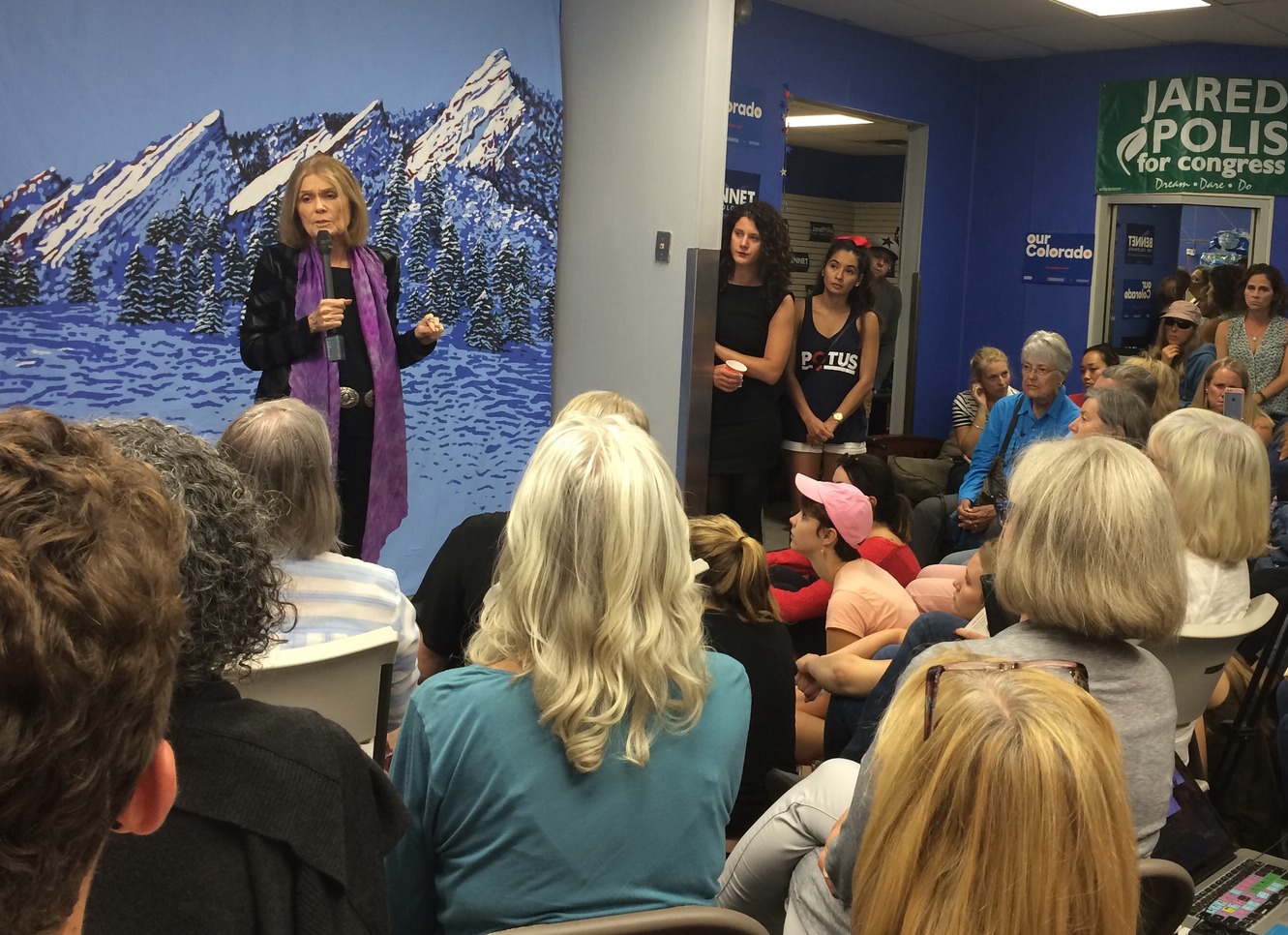
The women’s rights legend makes a last-minute stop at the candidate’s campaign office.

Upset by the election? Recreate Colorado in Canada with these tips.

CBS has produced a four-hour docu-series that investigates the 20-year-old cold case.

Twenty years after an accident left him paralyzed, Team USA captain Jason Regier seeks Paralympic gold for the second time.
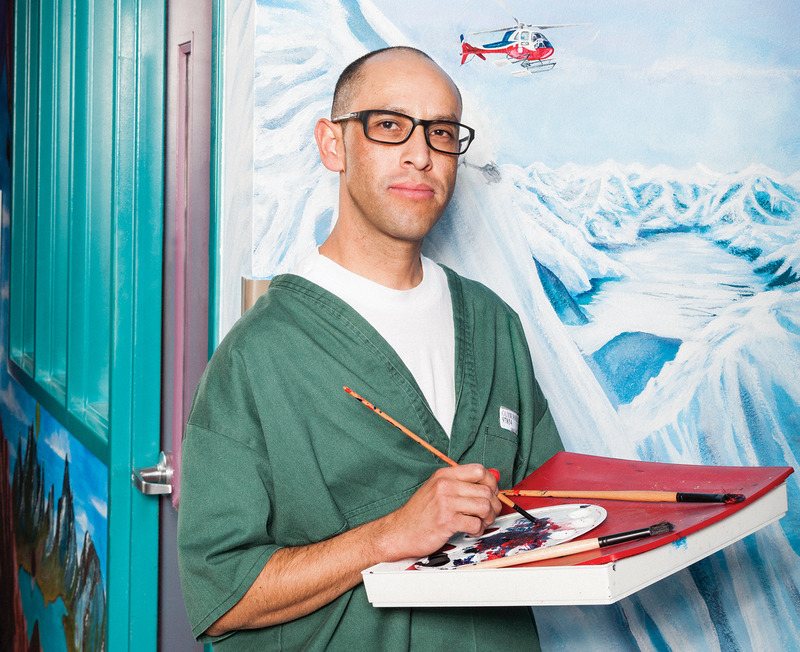
District Attorney Dave Young has offered Giselle Gutierrez-Ruiz a new deal in a nearly 20-year-old case that was highlighted by 5280 earlier this year.
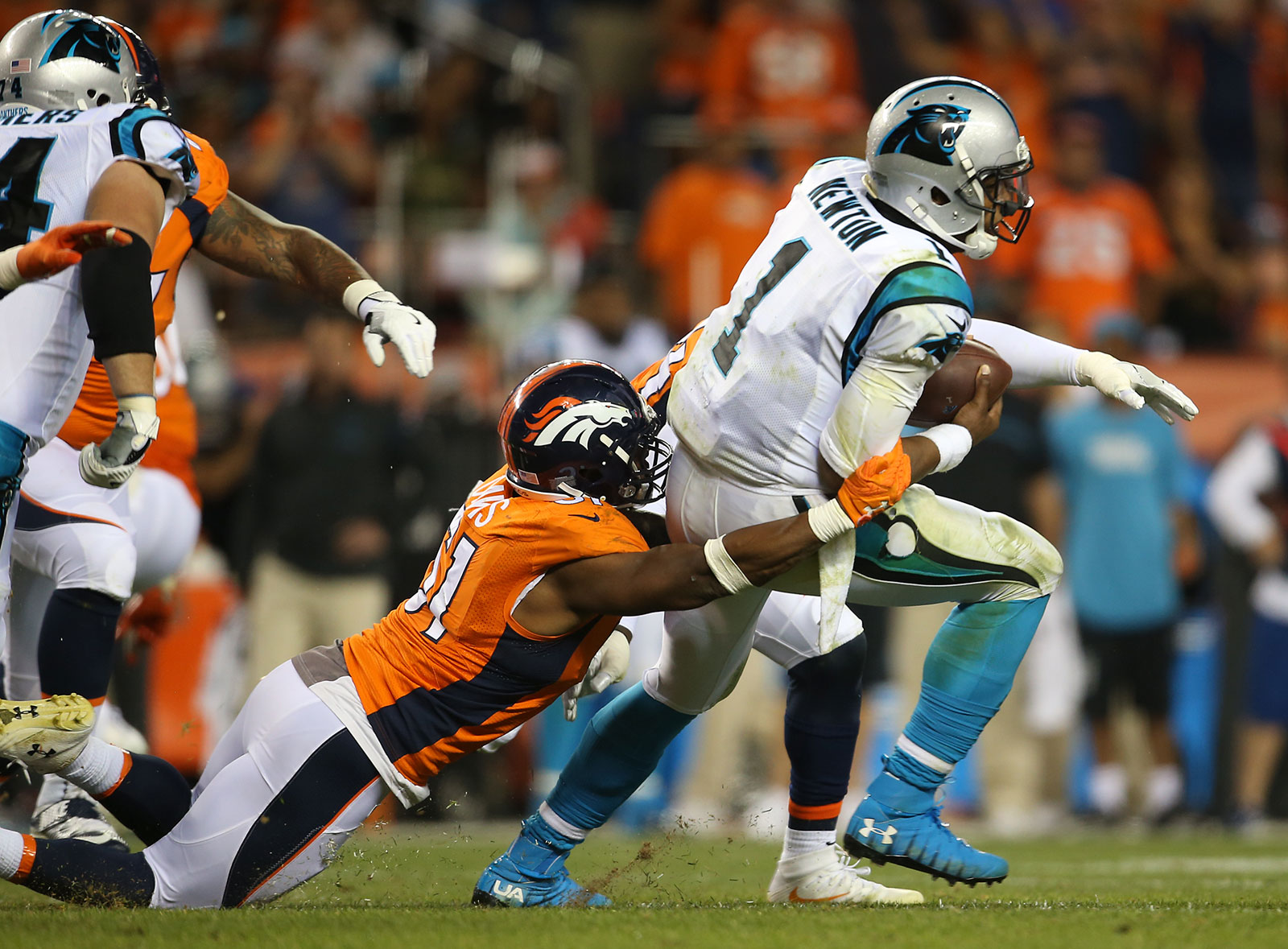
Siemian’s going to have to continually improve for the Broncos to have a chance at defending their title.

Get Involved is a weekly series pointing readers toward community-oriented events, volunteer opportunities, and good causes in Colorado.

The GOP Senate nominee has gone from conservative firebrand to the man who wasn’t there.

This is part of a weekly series published fresh on Thursday mornings.
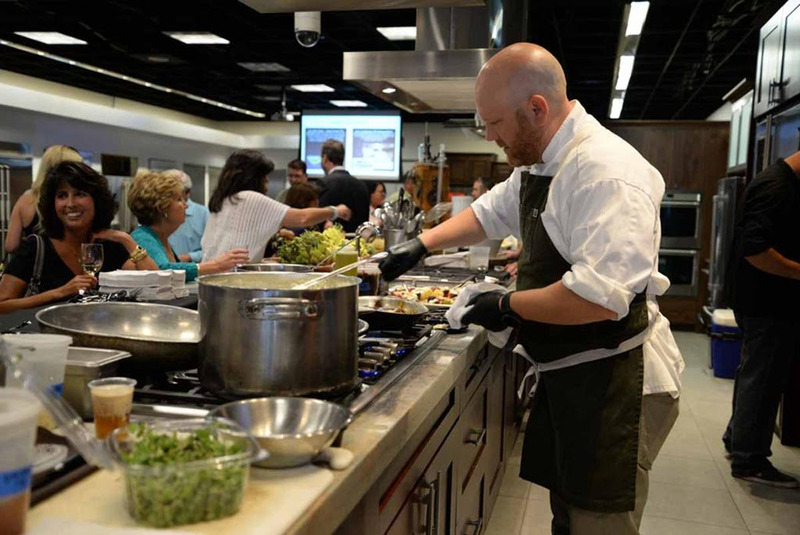
Get Involved is a weekly series pointing readers toward community-oriented events, volunteer opportunities, and good causes in Colorado.

In many ways we aren’t much closer to a reasonable compromise than we were two years ago.

A chronological guide to the best matchups at the top venues in the state this fall.
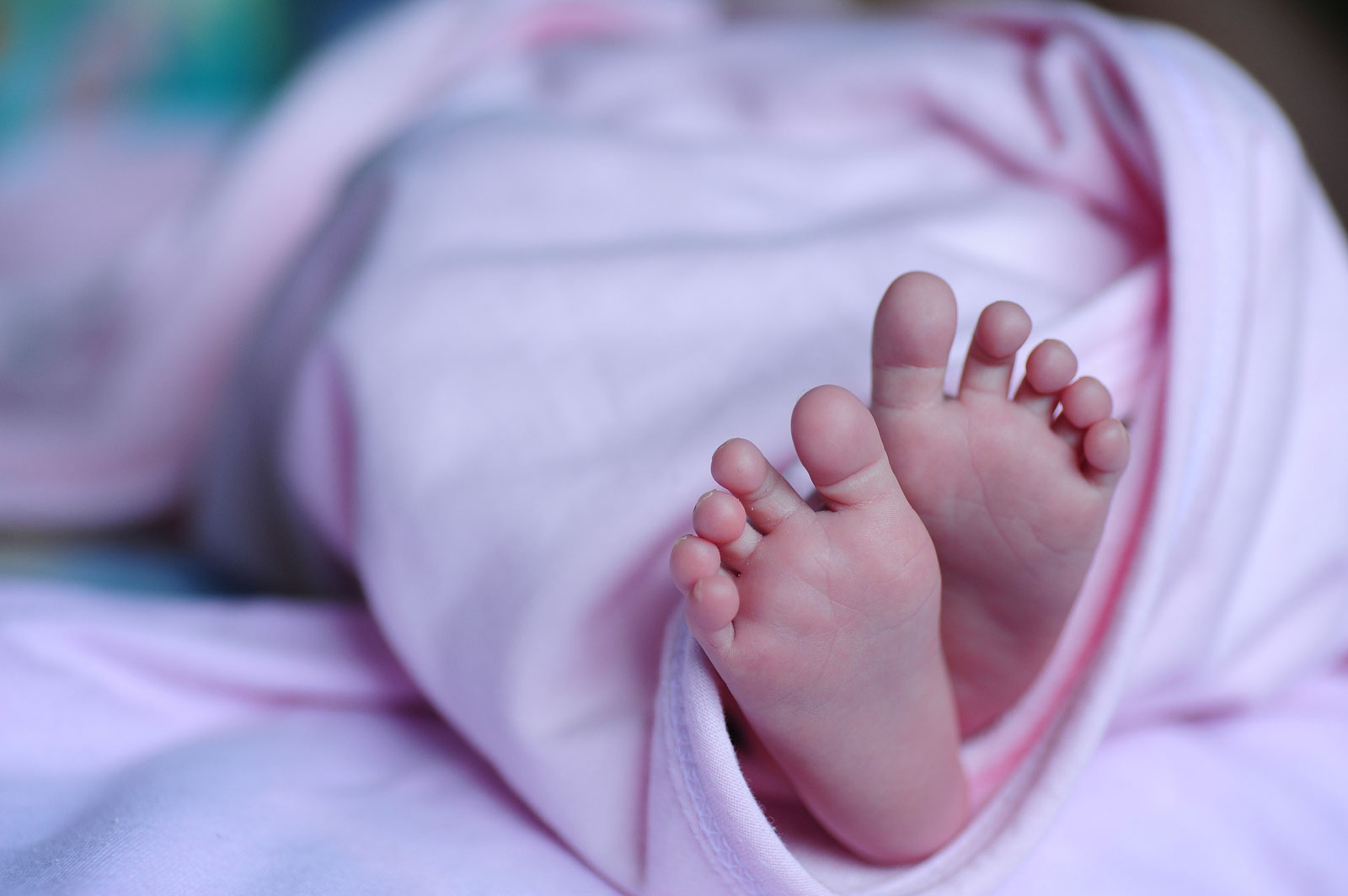
The majority-minority crossover for Colorado’s youngest citizens is still more than a decade away.

A local Jewish organization is handing out posters for peace.

As cremations surpass burials in the U.S., this Denver-based product is gaining worldwide attention.