
Documentary on the West’s Water Crisis Premieres Thursday
What would happen if the Colorado River—currently supplying 40 million Americans with water—ran dry?
What would happen if the Colorado River—currently supplying 40 million Americans with water—ran dry?
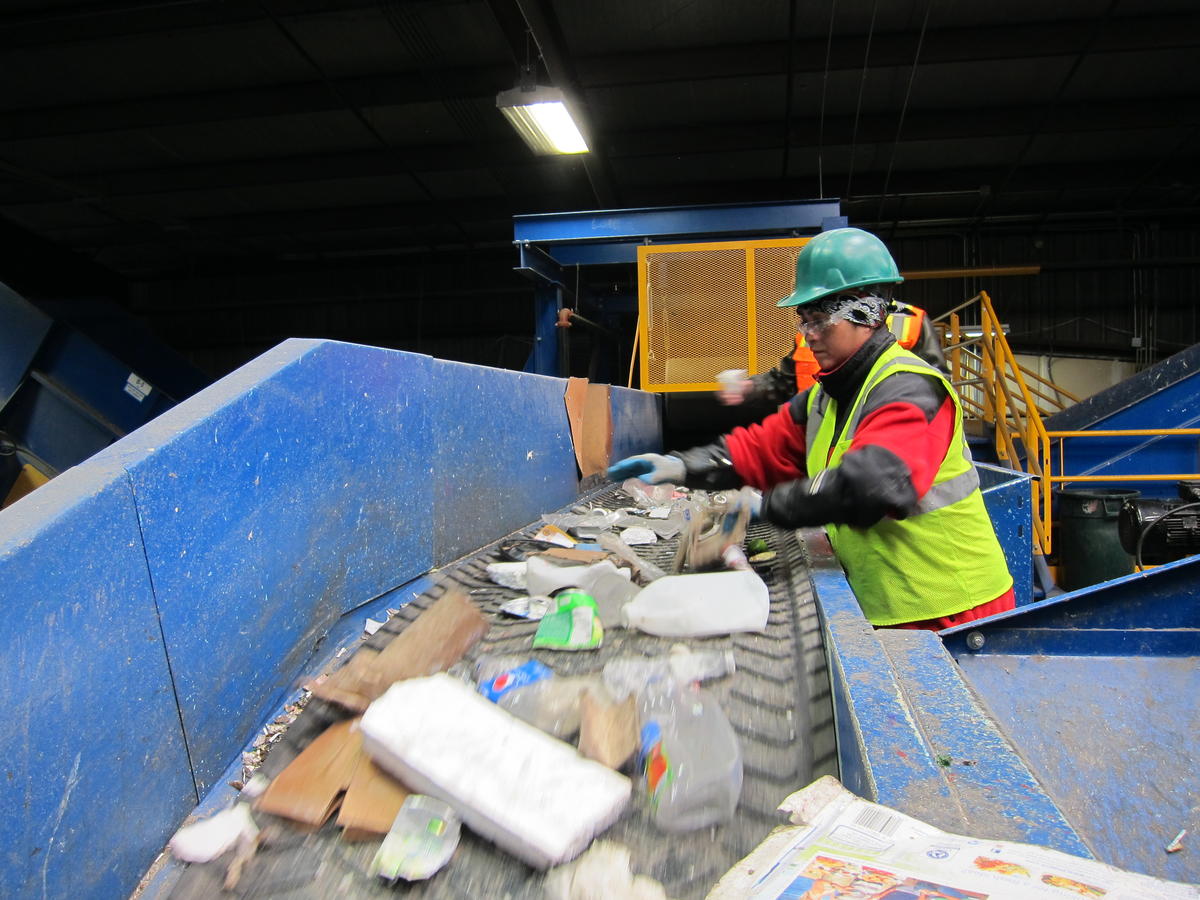
A look inside a local recycling plant—plus three ways you can help the process this Earth Day.
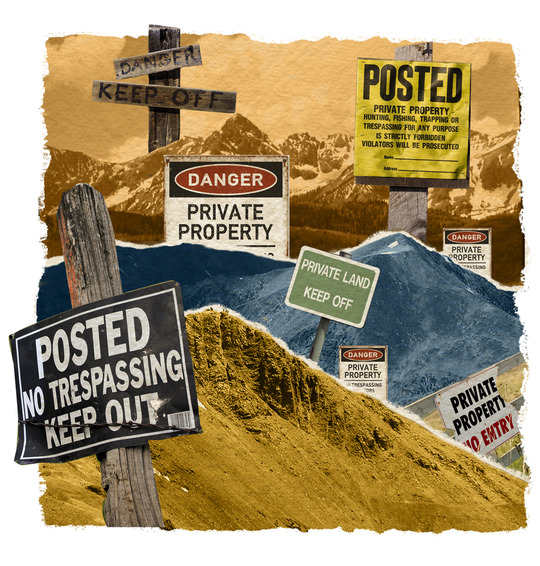
How a mining law that dates to the 1870s is limiting access to backcountry recreation trails and posing a threat to Colorado’s wild spaces.

Lie down with this dog bed—and help protect the environment.

Easier than you’re making it, anyway. Here, a by-the-numbers guide to recycling in Denver.
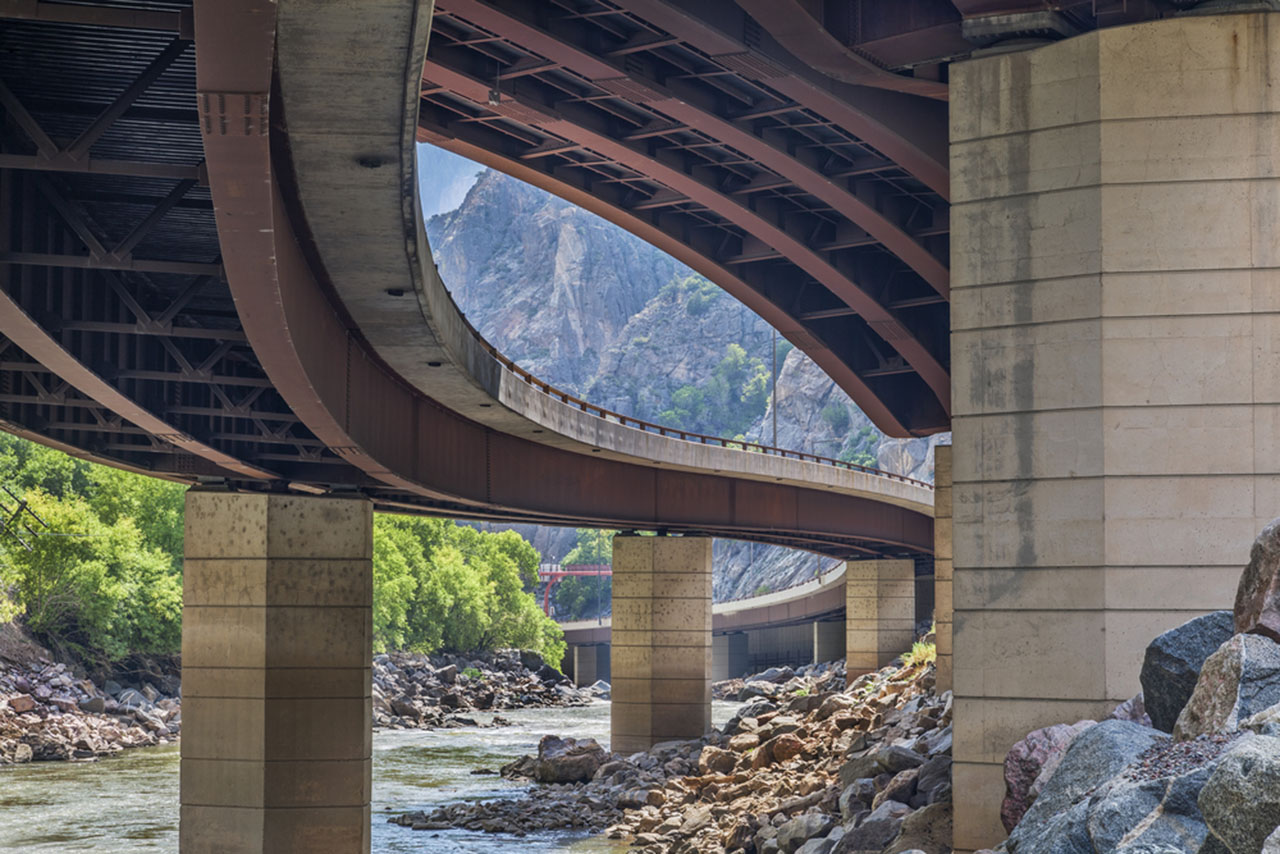
The story behind the longest I-70 road closure in Glenwood Canyon’s history.
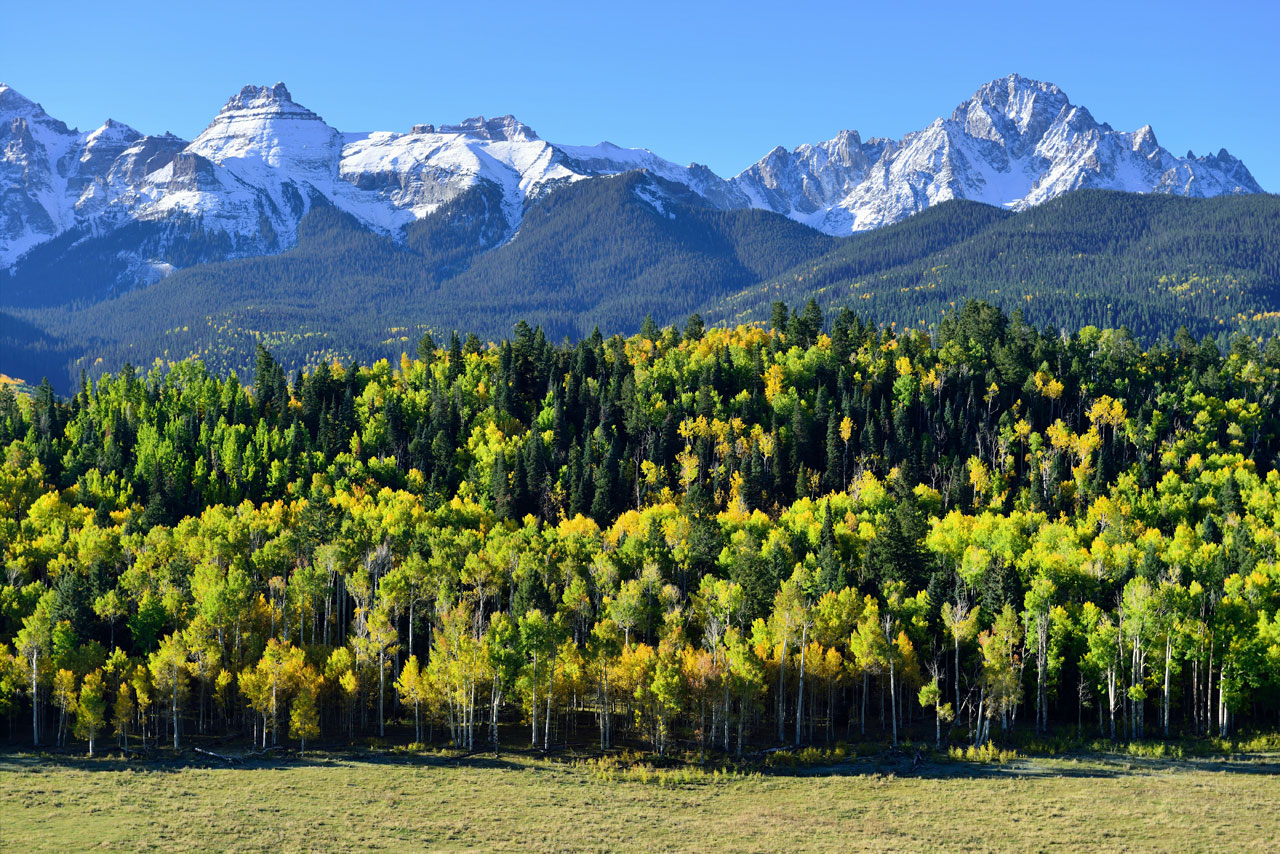
The Aspen Center for Environmental Studies’ Forest Forecast tool visualizes the impact of climate change on Colorado’s beautiful forests.

More than a decade ago, the federal government improperly leased portions of a pristine slice of Colorado known as the Thompson Divide. An inside look at the uncertain future of this precious landscape.

Denver’s updated Climate Action Plan takes a local look at a global problem.

Why winter is the best season for researchers to get a bead on Colorado wildlife.

A Denver company makes it easier to turn water rights into gold—without selling the farm.

Most of the state is drought-free this summer, thanks to all the heavy rain. But what does this weather pattern mean for ski season? We asked the experts.
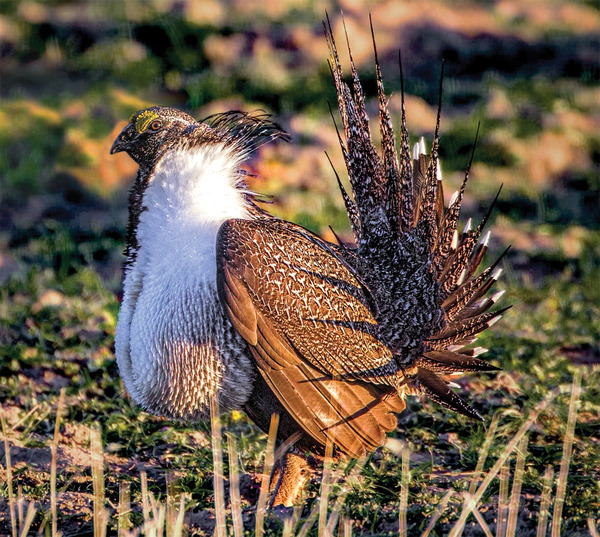
The funny-looking two-foot-long bird is among the region’s most imperiled native species. So why is protecting it so controversial?

Steve Szymanski, vice president and co-founder of Planet Bluegrass, talks about the greening of one of Colorado’s oldest and largest festivals.

Algae helps Upslope Brewing Company make beer you can feel good about drinking.

5280’s deputy editor Lindsey Koehler talks about Colorado’s ag industry, the beauty of Palisade, and those delicious peaches.

Colorado’s ag industry has a more profound connection to our land than maybe any other commercial sector. It’s a relationship that, in the case of those who grow the state’s iconic Palisade peaches, has roots creeping back over a century.
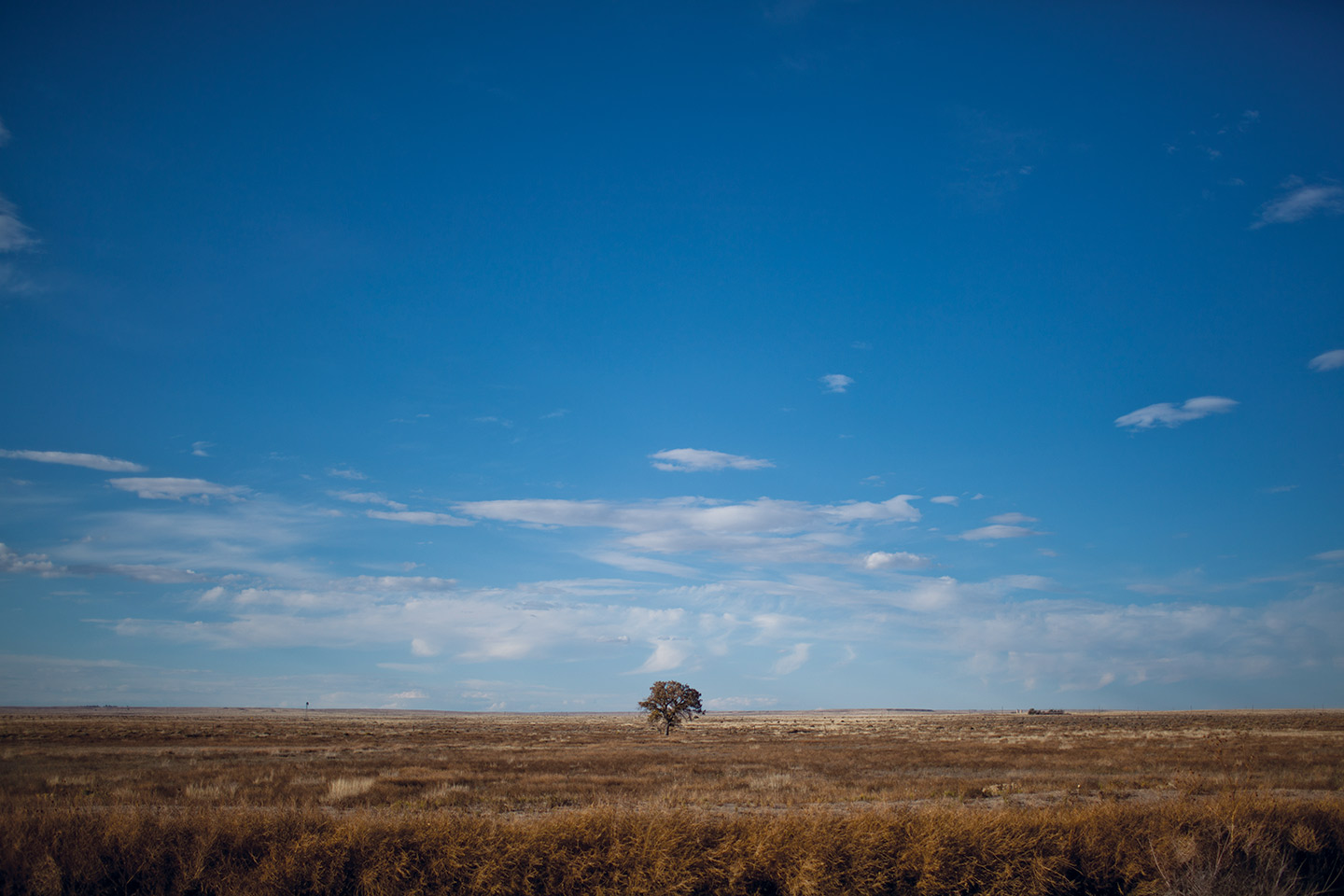
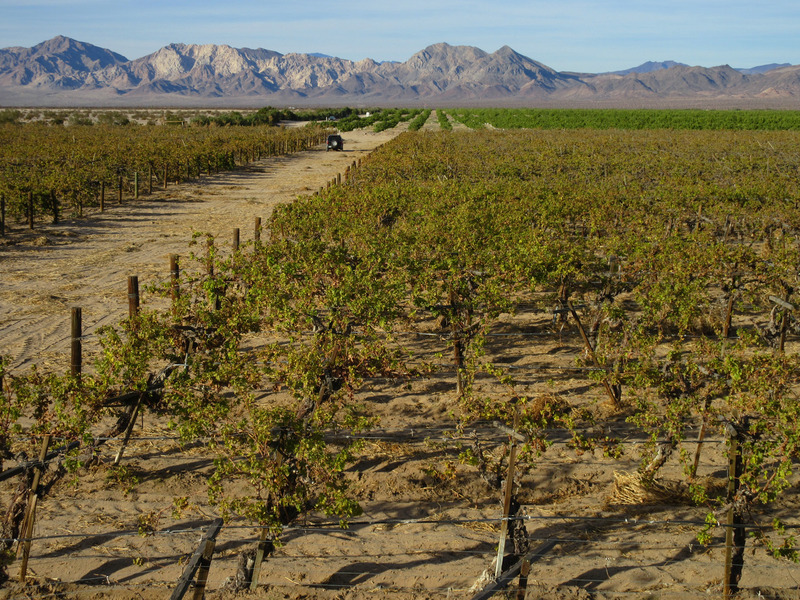
For decades, Crowley County’s farmers sold off their water, gallon by gallon. No one could have anticipated what would happen next.
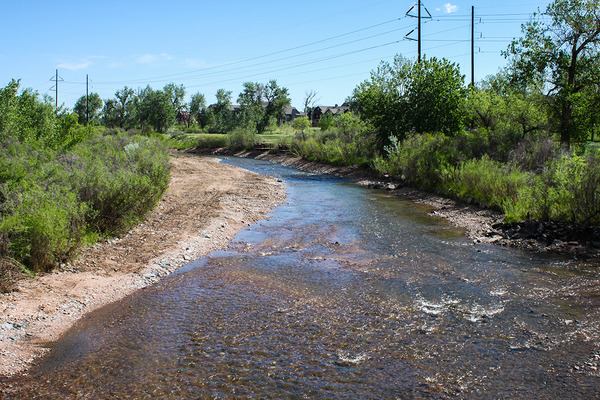
After more than a generation of mistreatment, Metro Denver’s urban waterway is starting to return to health.
A 30,000-foot view of the unremitting changes affecting our land.