
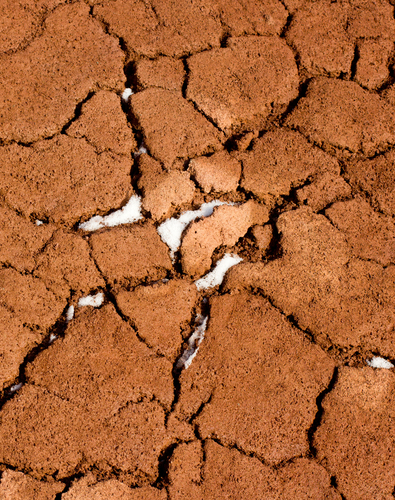
With snowpack far below normal levels, a federal agency says this year’s water-supply outlook is “bleak.”
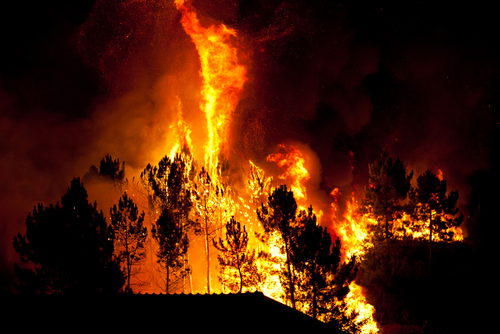
The state’s forest service says homeowners in the wildland-urban interface need to fix up their properties now to help mitigate wildfire in the future.


Boulder scientists predict how the sun’s whims will affect Earth’s technologies.
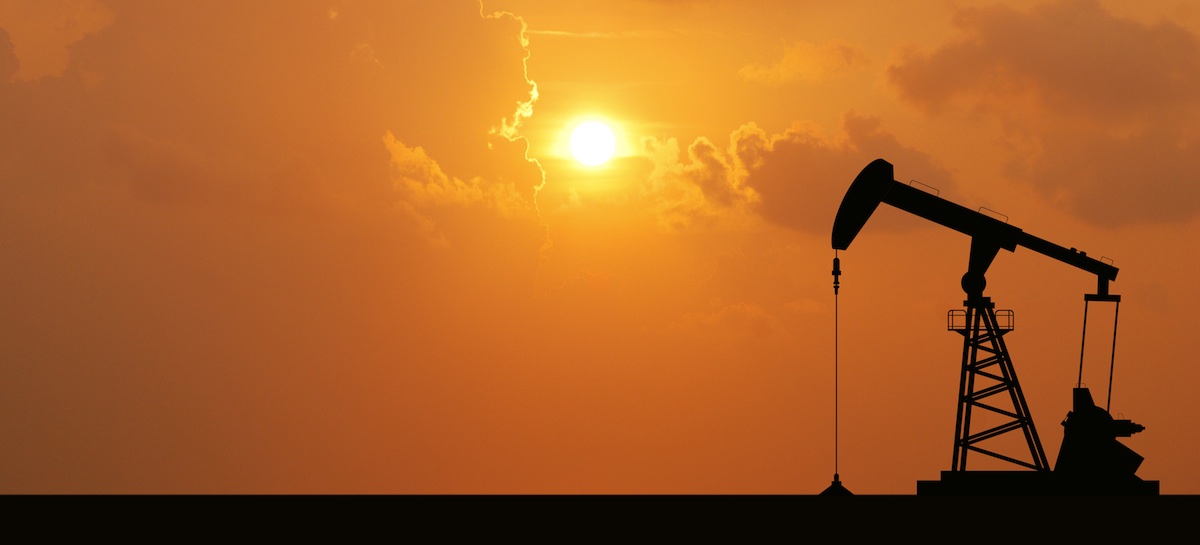

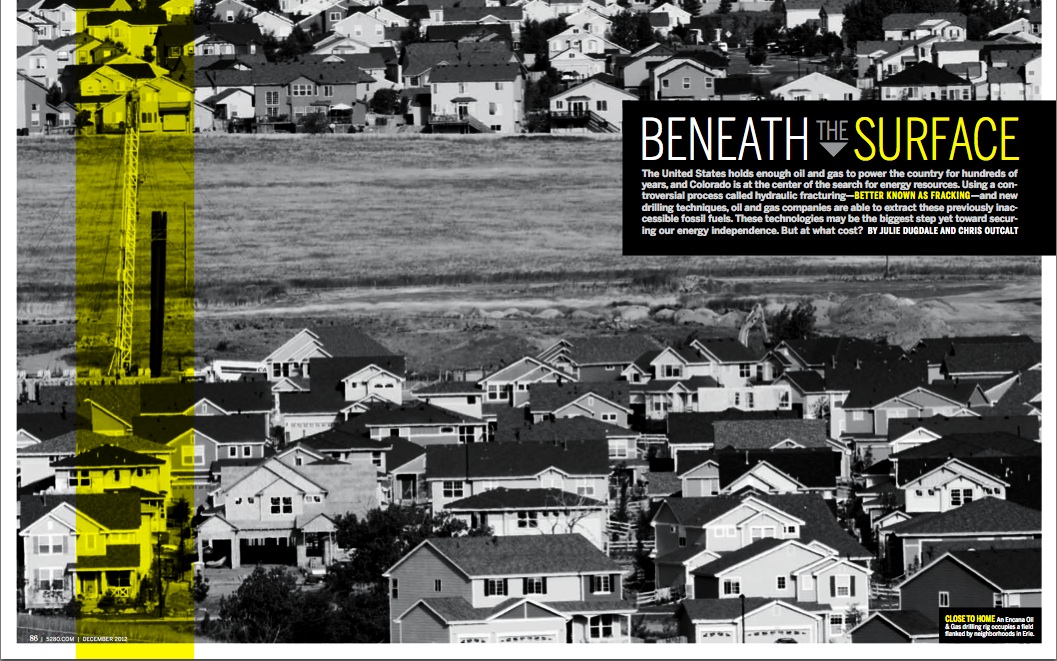
The United States holds enough oil and gas to power the country for hundreds of years, and Colorado is at the center of the search for energy resources. Using a controversial process called hydraulic fracturing—better known as fracking—and new drilling techniques, oil and gas companies are able to extract these previously inaccessible fossil fuels. These technologies may be the biggest step yet toward securing our energy independence. But at what cost?


When the High Park inferno spared our home, our first emotion was relief. But even though we were lucky, we didn’t realize how much work was still left to do.

Colorado has a thorny relationship with water. University of Colorado Boulder professor Patricia Limerick explores that interplay in A Ditch in Time: The City, the West, and Water. Three fun facts we learned from the book:

Karen Minniear and her family survived the 2010 Fourmile Fire in Boulder County. Their home did not. In this interview, she talks about the lessons she learned and gives insight into what the victims of this year’s wildfires are going through now.