

Denver’s Mayoral Candidates on the Issues: Gentrification and Displacement
As Denver grows, gentrification remains a point of citywide contention. We asked the candidates about the impact of one of the city’s most ubiquitous problems.
As Denver grows, gentrification remains a point of citywide contention. We asked the candidates about the impact of one of the city’s most ubiquitous problems.
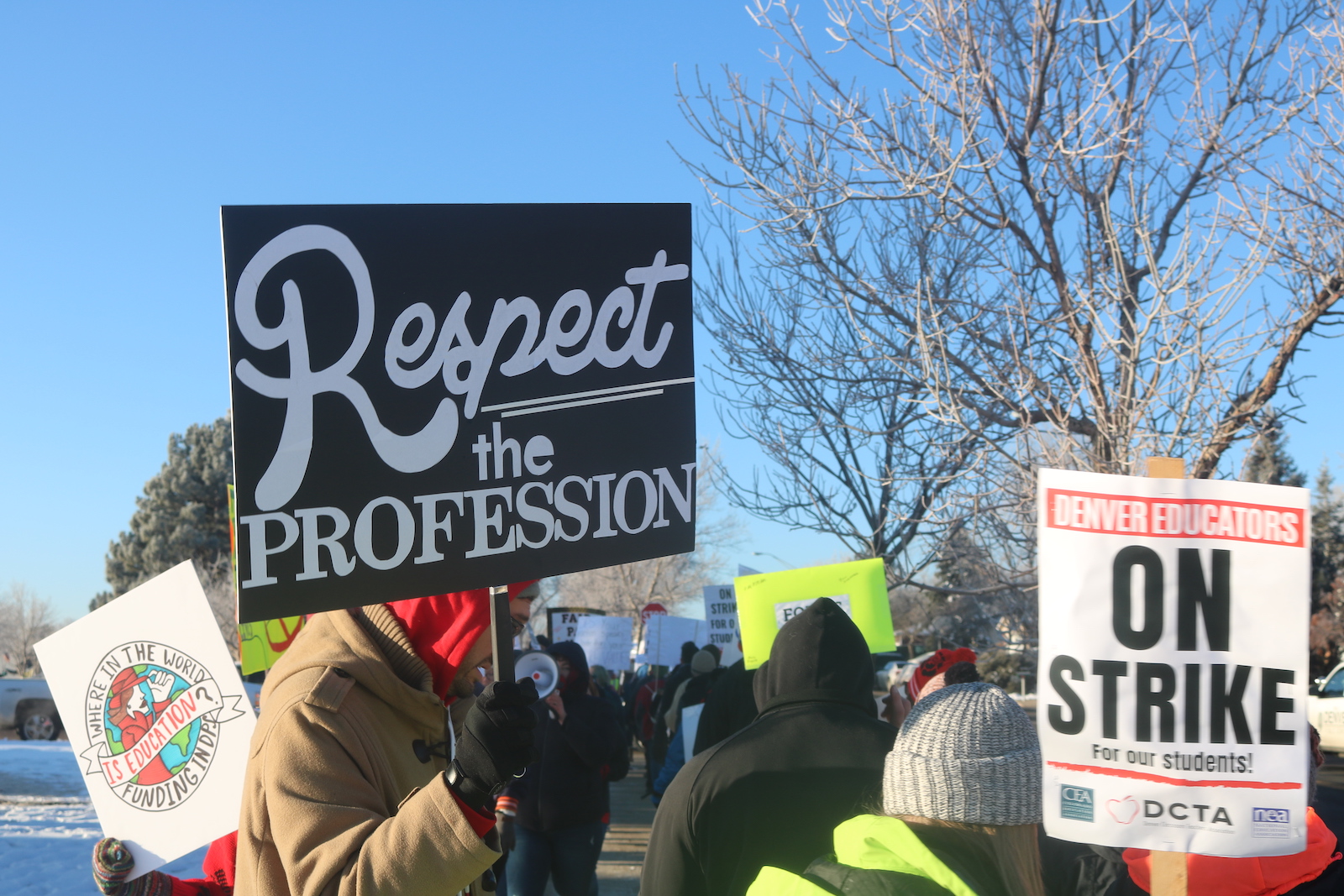
While the mayor doesn’t have a lot of control over Denver Public Schools, education—especially after the recent teachers’ strike—has been at the forefront of the candidates’ minds.

There’s a new police chief in town, violent crime in Denver is increasing, the sheriff’s department is under scrutiny—and that’s just the start of the discussion about criminal justice, safety, and reform.

While not technically a “sanctuary city” (Denver doesn’t have laws on the books saying we won’t comply with federal immigration laws), current leaders have made it clear the city won’t comply with certain federal policies targeting undocumented immigrants.
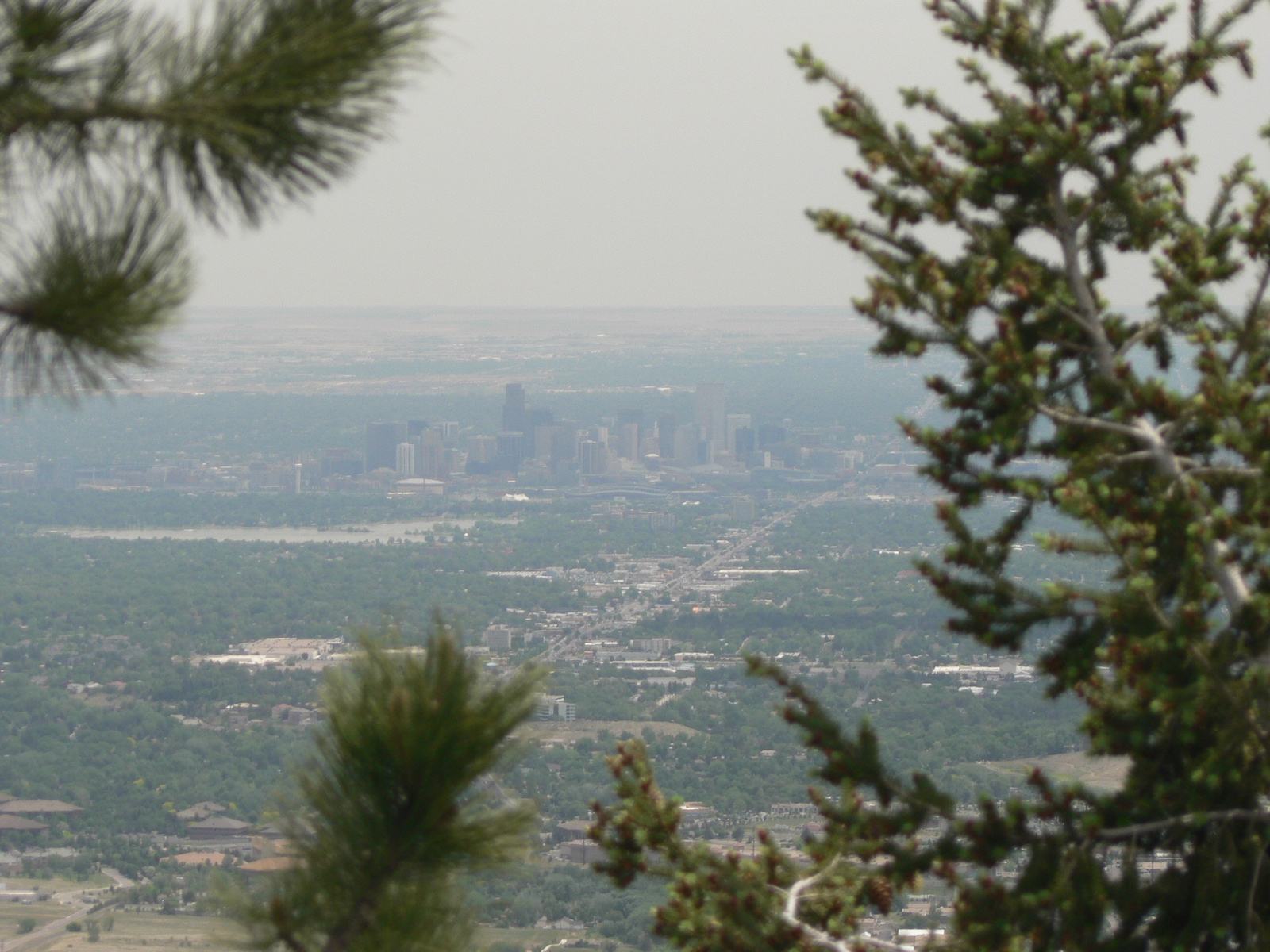
Voters are asking questions about the national Green New Deal, the recent approval of plans for the Green Roof Initiative (or rewriting of, depending on whom you ask), and the return of the Brown Cloud.
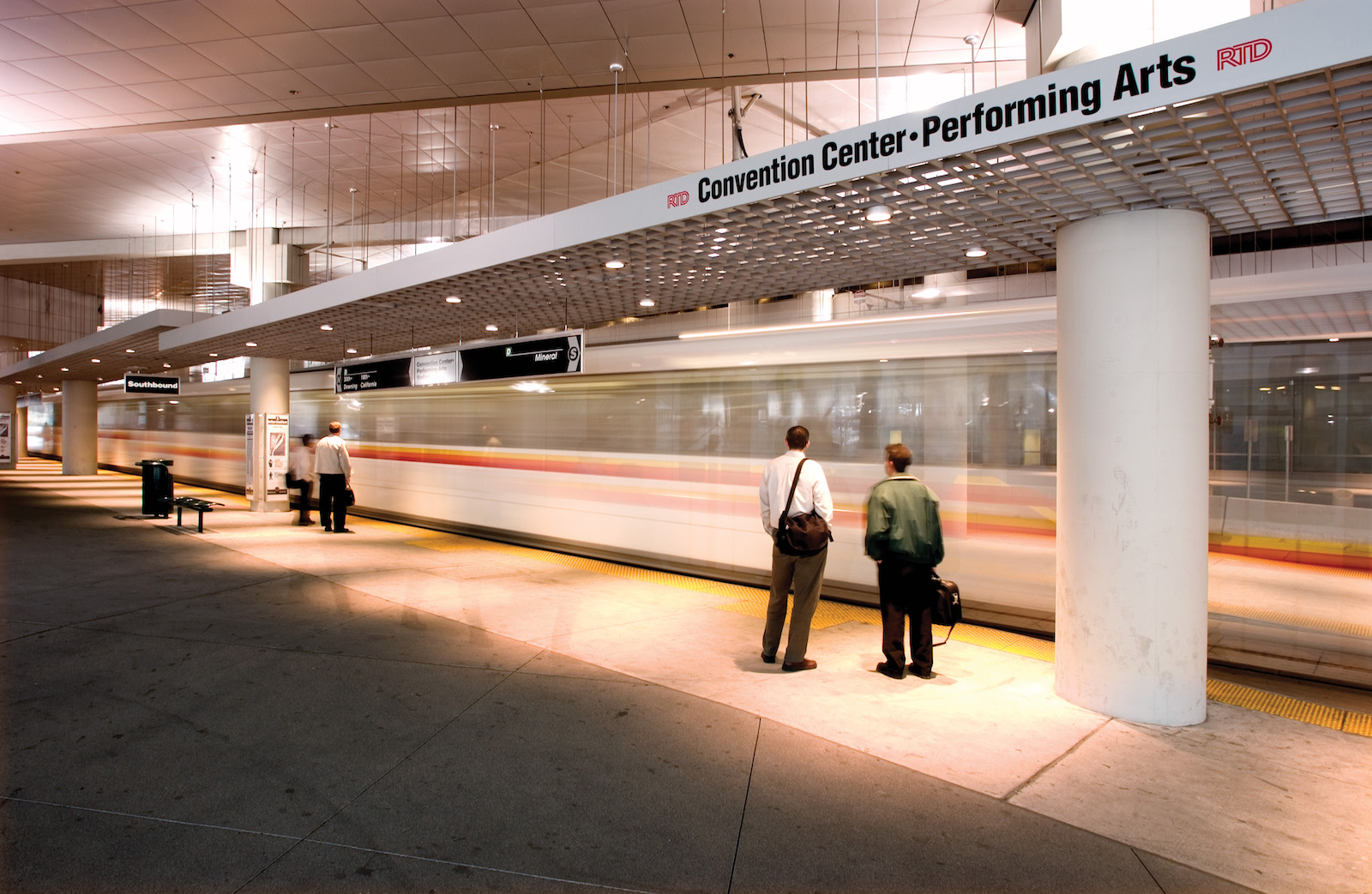
Denver residents spend a lot about time thinking electric scooters, potholes, mass transit options, bike lanes, broken sidewalks, and, of course, stalled traffic. Here’s what the candidates had to say about the path forward when it comes to mobility.
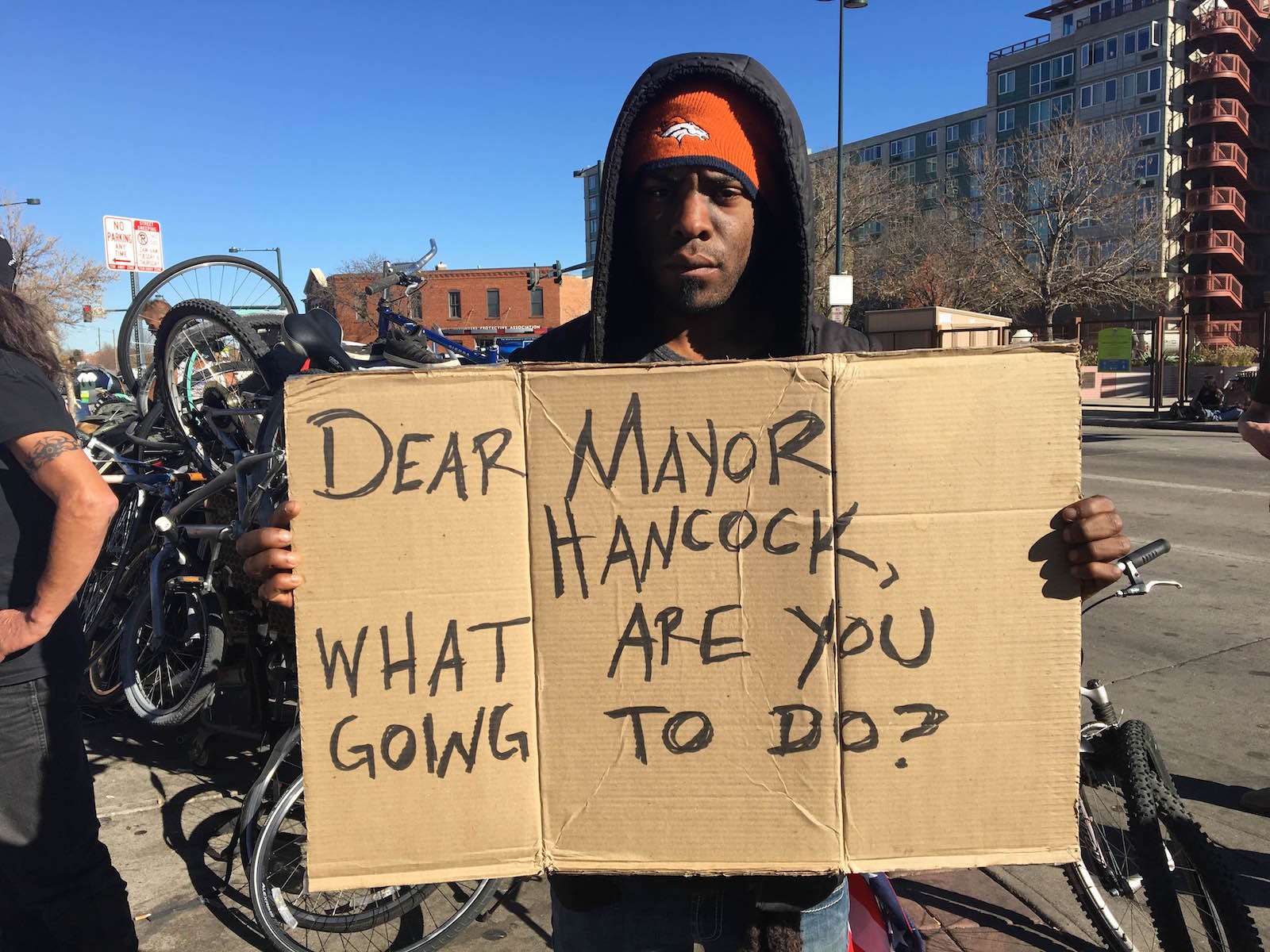
If passed, Initiative 300, also known as the “Right to Survive Initiative,” would end Denver’s urban camping ban and change the way the city addresses homelessness. We asked the candidates to weigh in.

Yes, Denver’s real estate market isn’t as red-hot as it once was, but increases in housing prices in recent years have left renters, owners, sellers, and buyers reeling.

Not surprisingly, many of the questions we asked the candidates led back to growth and how to plan for Denver’s future.

Touting a record of stability and success, the incumbent is looking to secure his third term as Denver’s chief executive. Though he faces loud critics and experienced opponents, Hancock doesn’t think it’s time for the city to change course.
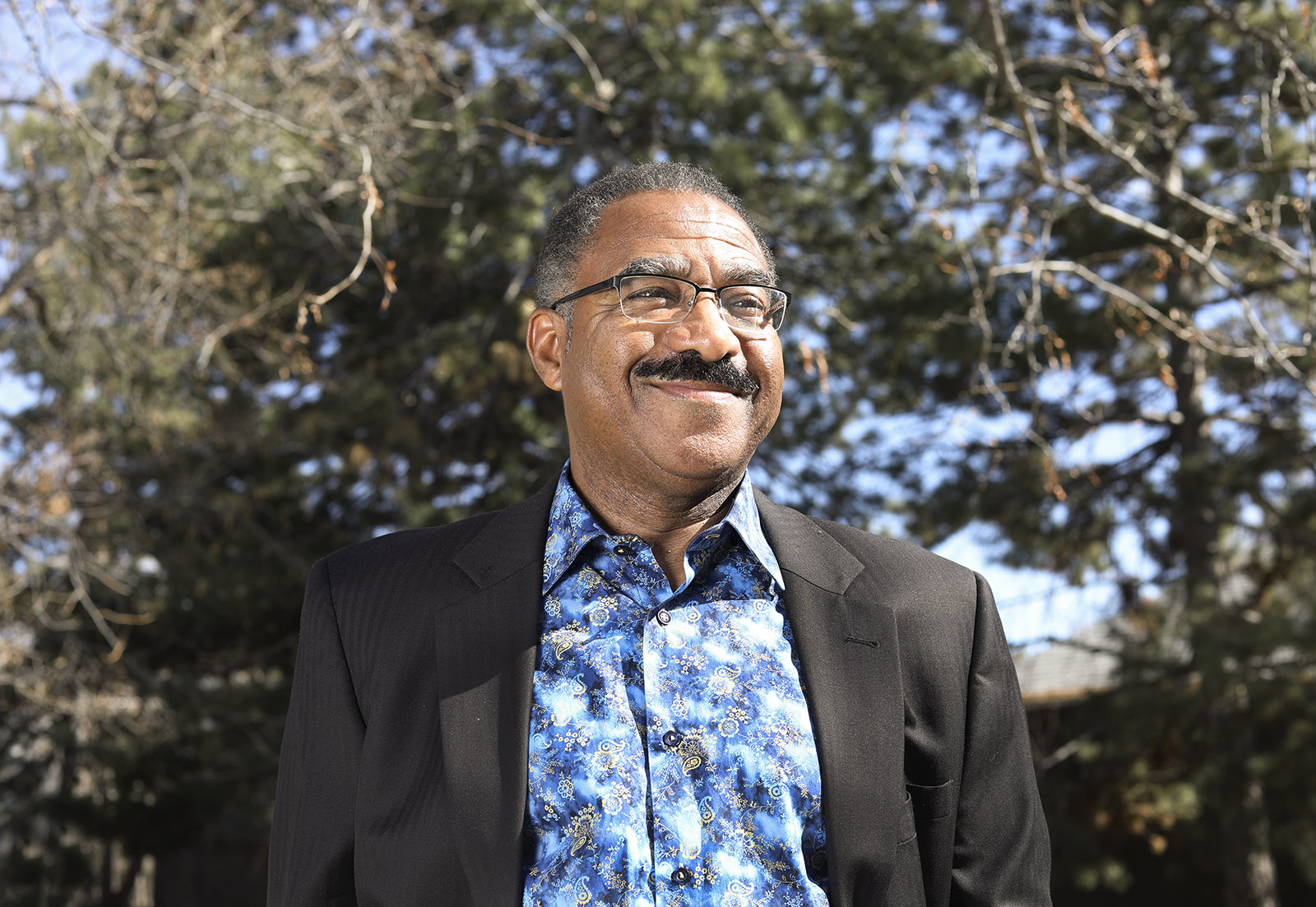
The longtime attorney and legislator is taking aim at development and advocating for responsible growth. A vocal critic of Mayor Hancock, Tate says he’ll be quick to address homelessness in Denver and will bring harmony back to a city that’s losing a grip on its cultural past.
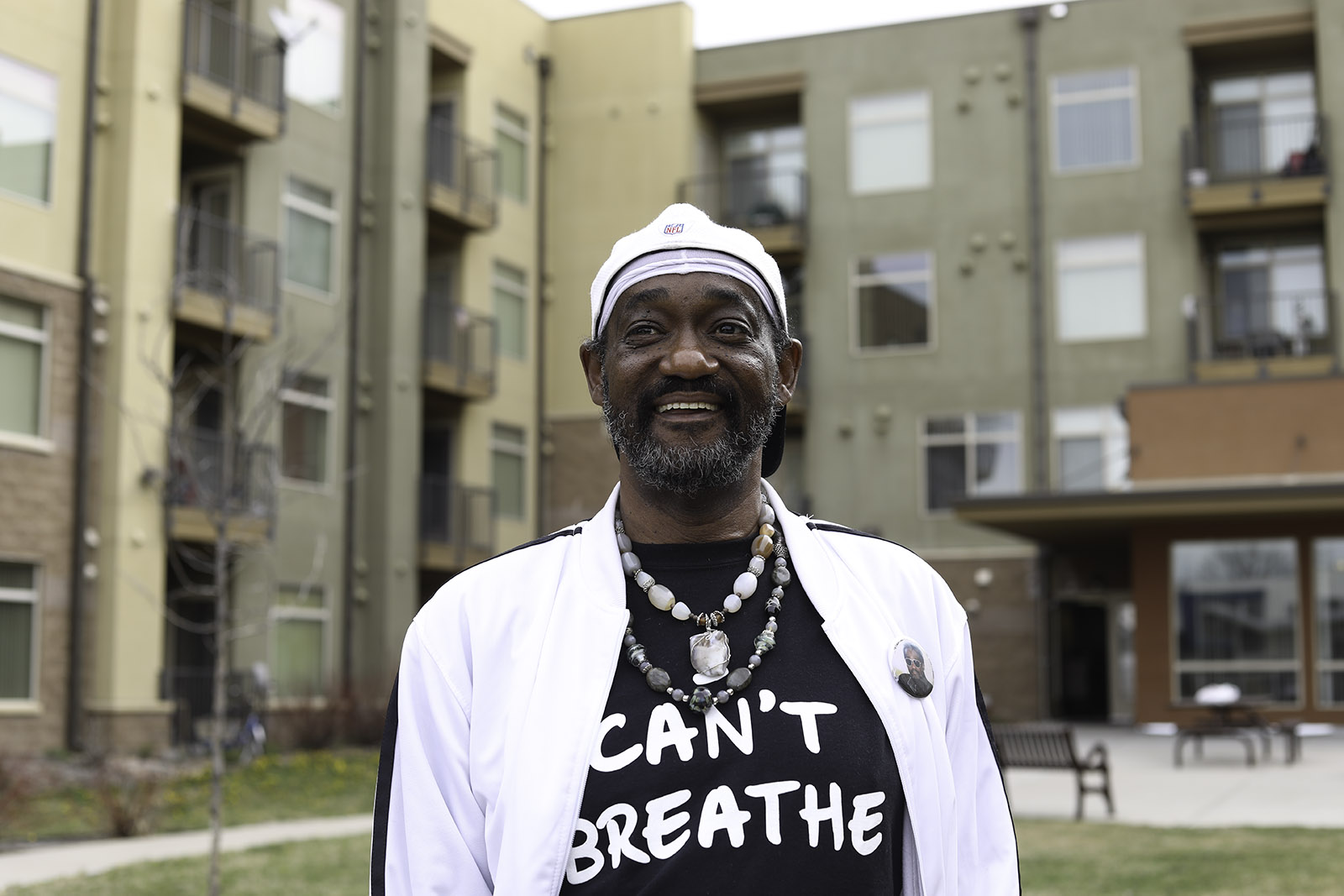
A brazen voice and champion for the poor, Chairman Seku is inherently skeptical of wealthy bureaucrats. The outspoken activist wants to see a complete overhaul of city business and return Denver to its Wild West roots.
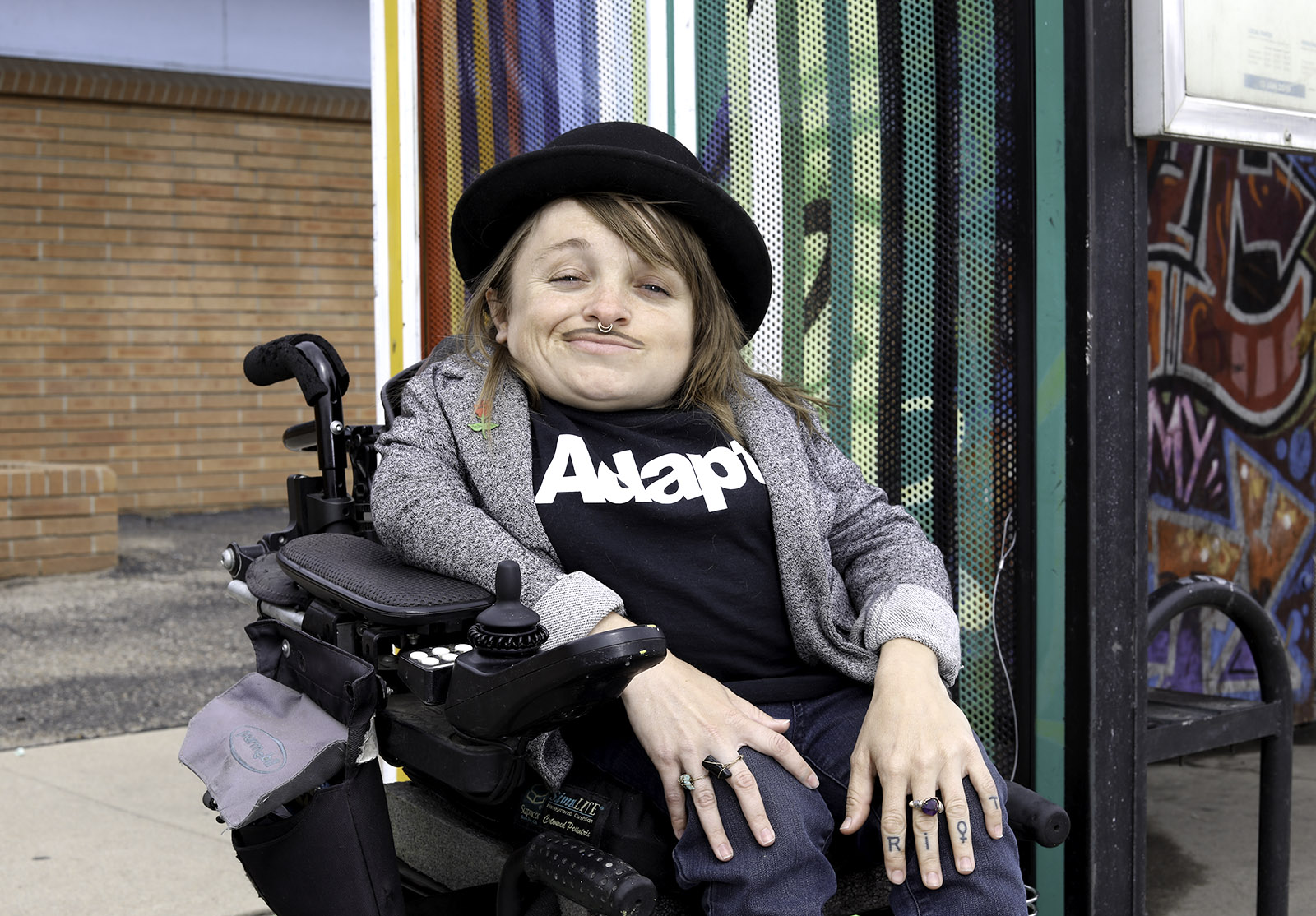
The activist, musician, and artist started her campaign a year ago as a joke. But she’s taken a serious turn. Now, she’s “rolling for office” to help people experiencing homelessness and make the city more accessible to those with disabilities.

One of the mayor’s most vocal opponents with years of experience in activism, Calderón helped organize the “Time’s Up Hancock” rally a year ago. Now, she wants to bring equity, fairness, and justice back to the city’s highest elected office.
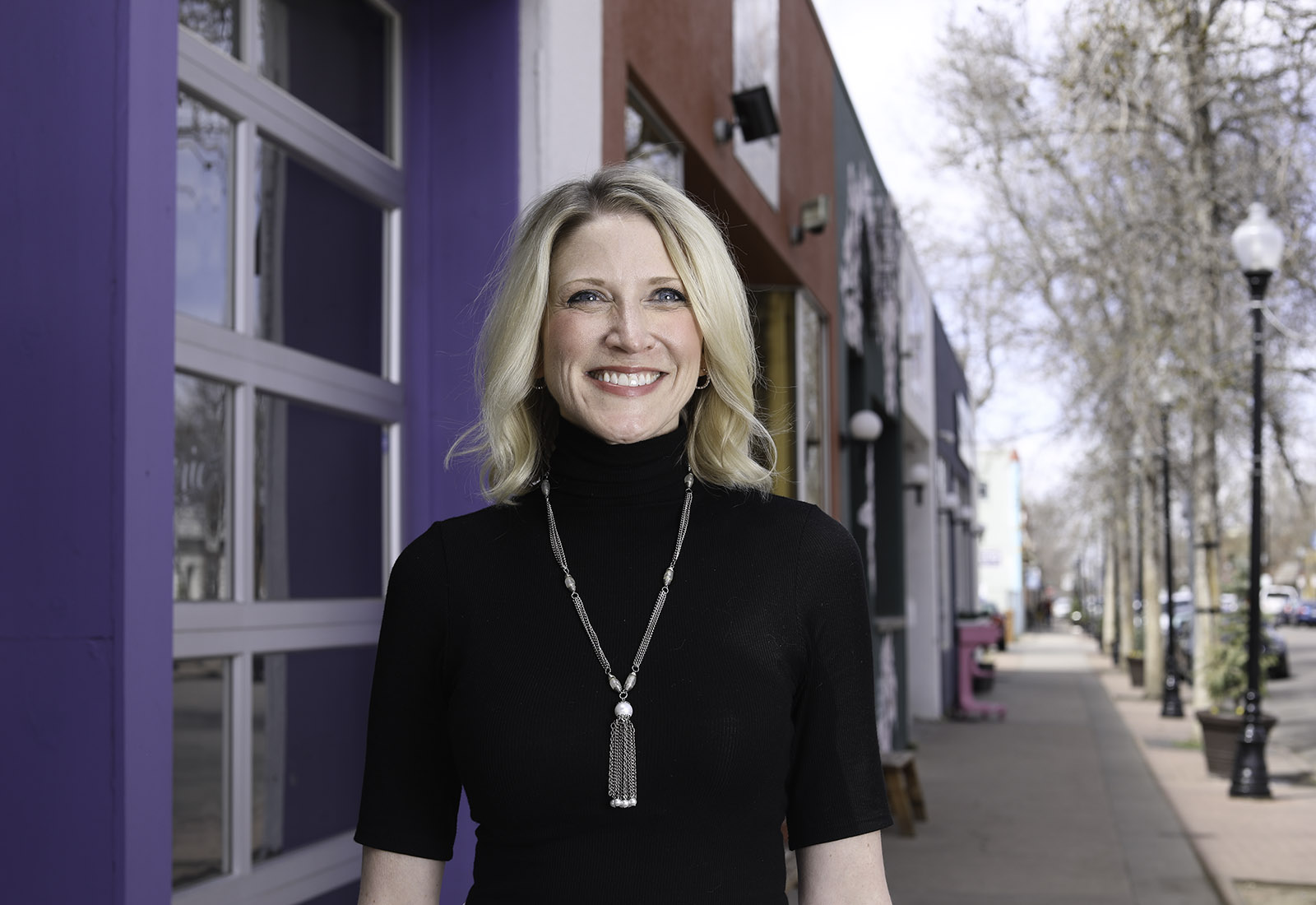
Most well known for her work in RiNo, Giellis wants to introduce large-scale infrastructure reform. The urban planning expert has strong ties to the Zeppelin family and hopes to transform the way people live in and move around Denver.

Here’s who is running for office and what they have to say about key issues facing Denver.

SB-181 is on the way to Gov. Jared Polis for signature, but the controversy over the sweeping oil and gas reform legislation is just heating up. Here, we look at what the new law means for the future of the industry in Colorado.

Named after the team’s late president, the Rockies’ mixed-use development will feature more than 100 private residences, nearly 200 hotel rooms, office space, restaurants, shopping, and more.
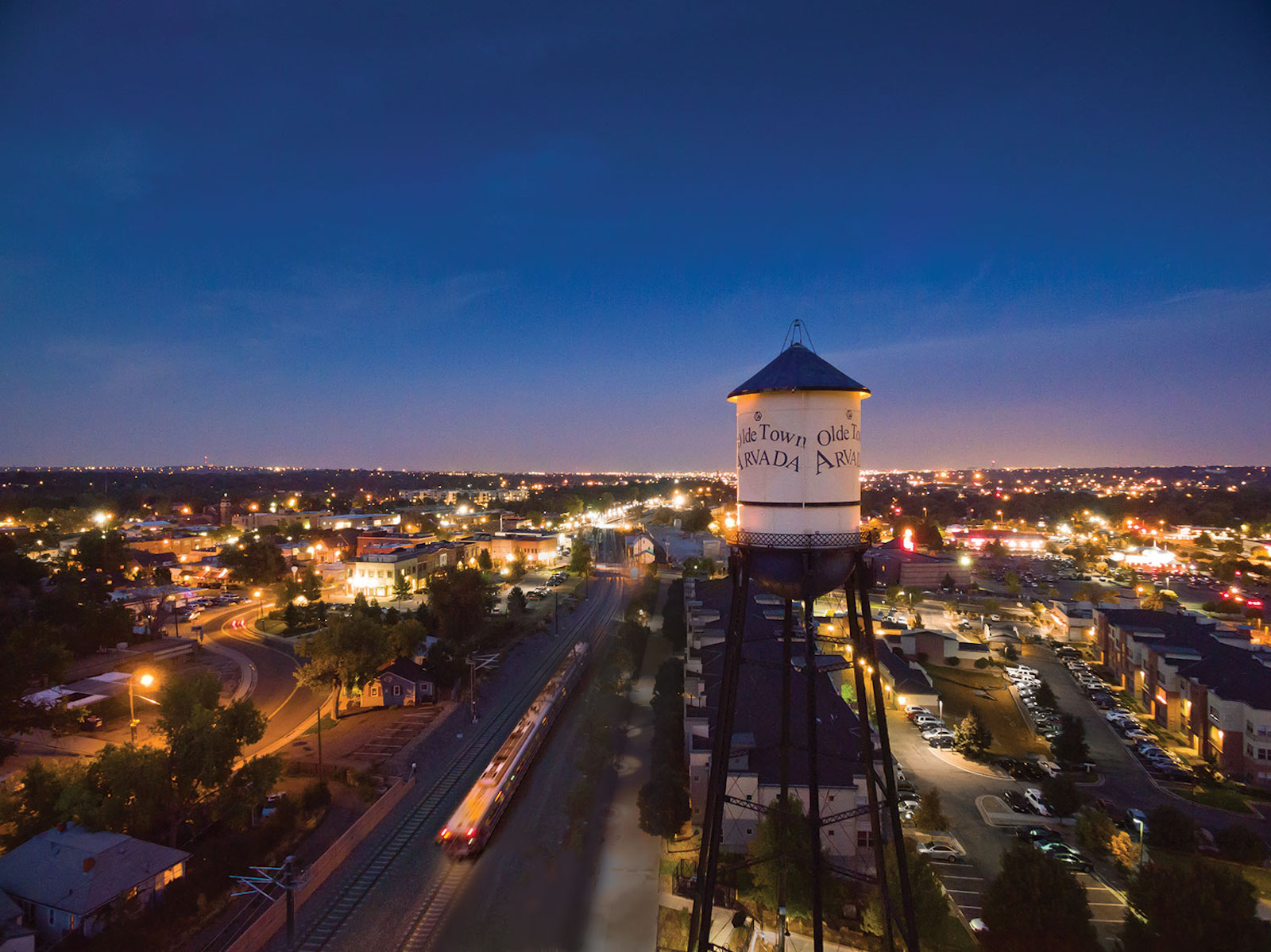
After more than two years of delays, RTD is finally ready to open its new service from Wheat Ridge and Arvada to Union Station.

We asked our readers and our in-house designers what they think of the new state logo.