
The Local newsletter is your free, daily guide to life in Colorado. For locals, by locals.
Ahead of Boulder International Film Festival this April 9 through 12, we spoke with director Peter Mortimer, Boulder-based climber and Emmy-winning filmmaker, about adventure athletes and the accountability that comes with telling their story. From the dirtbag ethos of Valley Uprising to the white-knuckle ascent of The Dawn Wall and the devastating loss at the heart of The Alpinist, Mortimer’s films don’t look away.
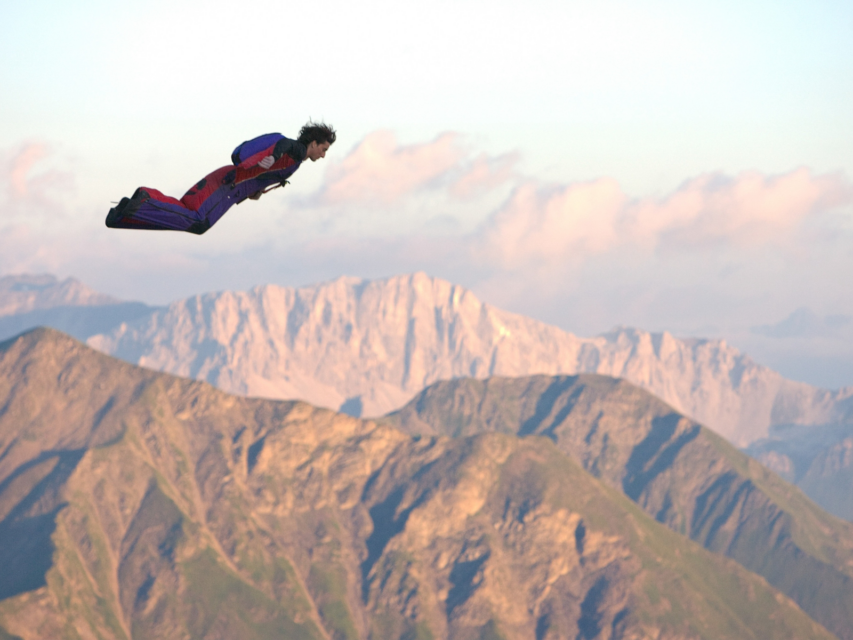
His latest project, HBO’s The Dark Wizard, continues that thread, following climber and BASE jumper Dean Potter as he chases the edge—until he falls off it.
Editor’s note: The following conversation has been edited for length and clarity.
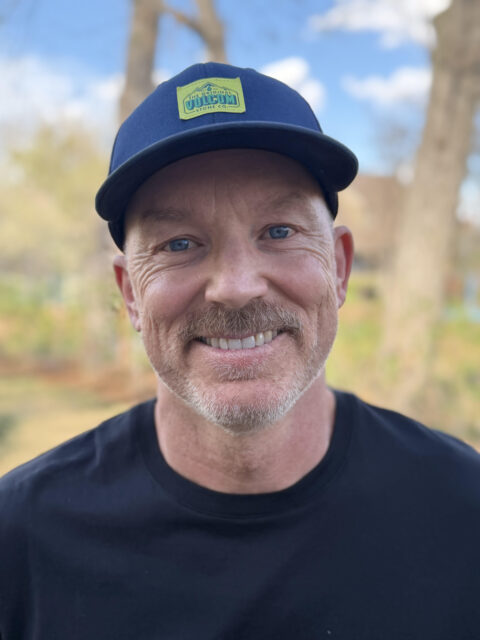
5280: How did your upbringing in Colorado lead to a career in adventure filmmaking?
Peter Mortimer: I grew up in Boulder and got into climbing early. At Fairview High School, we had a climbing class that would go to Eldorado Canyon where I learned to climb. Then at Colorado College, I studied geology, so more rocks. But I’ve always been a storyteller, so I went to USC for film school. Once I got the opportunity to make one film about rock climbing, it just kept snowballing. Now, 25 years later, I’m still loving it. My kids are climbers, I just knew climbing would always be part of my life.
Dean Potter died in 2015. Why is his story still worth telling today?
I knew Dean quite well, had lots of footage of him, and was actually working on a project with him when he died. (He didn’t die filming, just jumping with another friend.) I always knew I wanted to tell his story. He was such a larger-than-life character, just so enigmatic. He had a darkness and a complex relationship with fear. I was intrigued by his personal motivation to do all these extreme things.
Dean called himself a “performance artist.” He was known for creating these incredible moments—doing these climbs that are almost stunts. But we wanted to show the complexity behind it: struggling with self-doubt, internal demons, and mental health. In this day of Instagram where amazing images are everywhere and we all have FOMO, his story feels grounding, real, and human.
It’s four one-hour-long episodes and goes really deep into his relationships. There are high-highs and low-lows. Seeing that struggle is powerful and connecting, even years later.
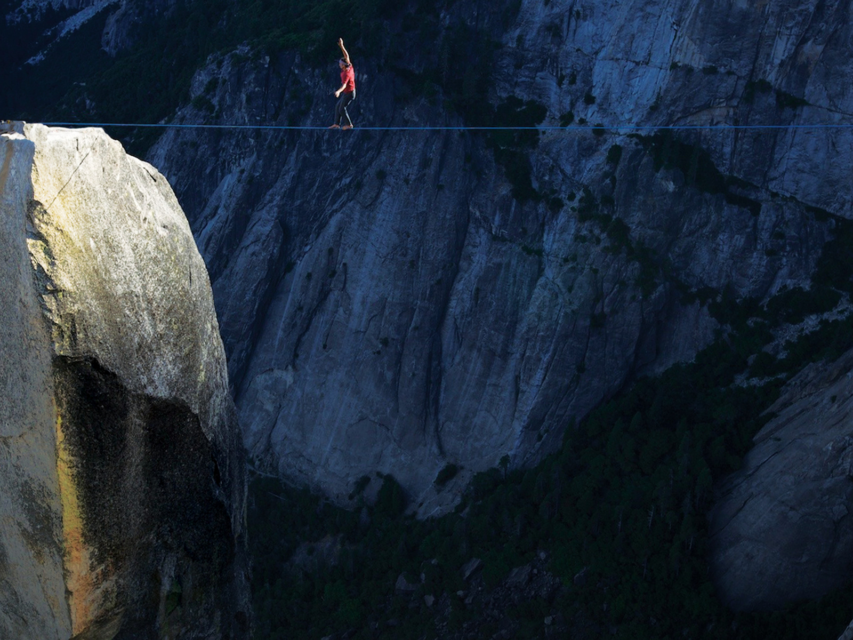
Watching your films, the tension is palpable. Can we expect the same with this one?
This series is hands down the most stressful one we have made yet. Sometimes you wonder if Dean is doing it for the right reason. We really pull away the veil, interviewing filmmakers working with him. You just get the visceral feeling of why he is doing it, and that sometimes it’s competition or ego or wrong headspace. It’s a whole other level of intensity watching this one.
On top of that, most people know he died, but don’t know how, so you’re kind of on the edge of your seat the whole time. The interviews were pretty emotional, and lots of people cried. Everyone had a lot of unresolved issues haunting them, since Dean had big breakups with most of the important people in his life, and this acted as a form of therapy.
What responsibility do you feel filming extreme acts with big consequences? Do you ever worry that the presence of your camera pushes these athletes to go harder?
You always worry about that as a filmmaker. And especially with Dean. You know he’s doing it partly for the camera, so you are a part of this. If he succeeds, you feel like you succeed. On the flip side, if something happens, you are going to feel responsibility. Luckily, he didn’t have any terrible accidents in front of the camera.
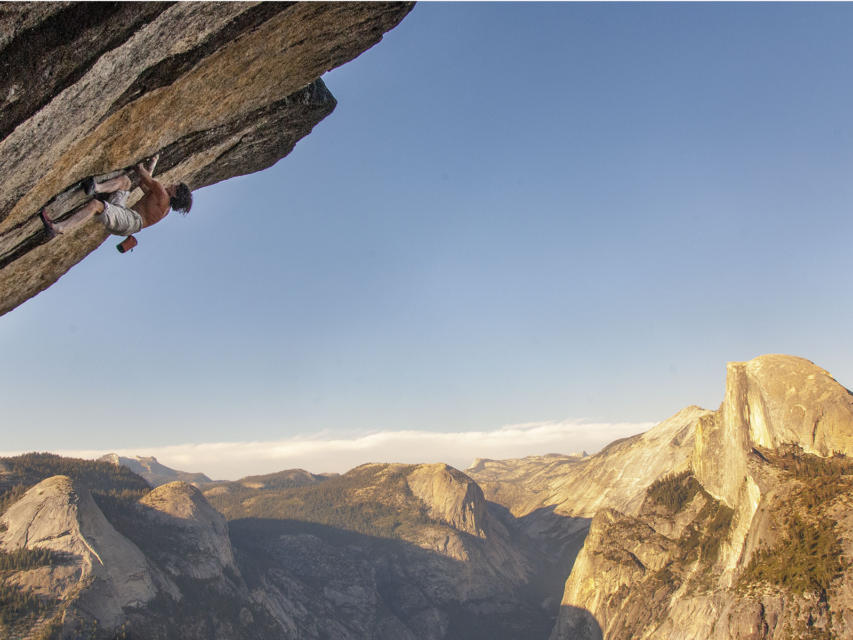
Do you discuss ahead of time whether to keep filming if something goes wrong?
Dean once said to his buddy Brad Lynch [a Boulder-based filmmaker who’s footage appears in the docuseries], “If I fall, you better get the shot.” It’s something you wouldn’t normally talk about because there’s an assumption. And I only like to take on projects I feel good about. I’ve always felt like [Colorado native] Tommy Caldwell and Alex Honnold, and some other athletes I’ve worked with are so calculated.
I remember feeling so relieved when we wrapped with Marc-André Leclerc [the late climber featured in The Alpinist] that we were done. When Mark Leclerc [who died climbing after the film wrapped] died, and same thing with Dean, it wasn’t while filming. It was on a more casual day. They are out there so much, that in some ways, when they are really focused on the big projects, they are so locked in. Sometimes when they step it down a notch, that’s when accidents happen.
Will you be attending BIFF?
Yes, I live here, and our offices are in downtown Boulder. Lots of the people we interviewed in the film are Boulder-based climbers, so almost everyone from the show is going to be there. We will be doing a Q&A after the screenings. And then, I’m also hoping to catch the new Paul Rudd movie.
Where are you climbing nowadays?
My daughter is on the team at the Boulder Rock Club. It’s got an old-school, family vibe, and you’ll see the old legends from when I was growing up, like Lynn Hill and Alan Lester still climbing harder than me in their 60s.
What’s next for you?
Working on this series has been very stimulating. It was a new creative challenge, figuring out how to make each standalone episode and its arc work, and then how the whole piece came together. My next storytelling challenge is a narrative feature. The content will be in that same world.
Get tickets to see The Dark Wizard at BIFF, or stream it on HBO starting April 14.