

The Local newsletter is your free, daily guide to life in Colorado. For locals, by locals.
The chill in the air means it’s time to cozy up in front of a big screen to catch some of the most captivating new flicks before the rest of the world gets the chance.
Denver Film Festival, the city’s most storied gathering of cinema buffs, industry folks, filmmakers, and award-winning actors, returns October 31 to November 9 with 136 films at eight different venues. “We’ve worked really hard over the last few years to elevate industry presence at the festival,” says Denver Film CEO Kevin Smith. “We have a lot more high-level talent, and a lot of people on the award circuit. Being able to highlight these performances is what differentiates us from a lot of regional festivals.”

This year’s lineup also includes 17 foreign submissions, including Sentimental Value, which received a 15-minute standing ovation (and the Grand Prix) at the Cannes Film Festival, and Korean thriller No Other Choice, starring Squid Games’ villain Lee Byung-hun.
Plus, the anticipation of the Sundance Film Festival’s impending move to Boulder in 2027 is heightening general cinema zeal locally, and “elevating all the work we’re doing,” Smith says. “Over the next few years, we’ll be working very closely with Sundance. They’re very supportive of us, and we’ll continue to expand on what that partnership looks like.”
Don’t forget to hit the festival extras between screenings. Catch icons such as Lucy Liu and Niecy Nash-Betts in conversation as they accept individual awards. Watch renowned critic Katey Rich interview award-winning director Gus Van Sant for her weekly podcast, Prestige Junkie. Finally, grab your snazziest Stetson for the closing-night party at Four Mile Historic Park and wind down Wild West–style.
None of the featured films have been released yet, and more than half likely won’t be available on U.S. streaming services at all, Smith says. That’s one reason the appeal of a live film festival endures despite our Netflix couch-viewing culture. Another reason? “Film festivals are really a place of discovery,” Smith says. “When you’re at home, scrolling streamers, you kind of default to your comfort zone. If you’re at a festival and you see something, it might open up a world you haven’t thought of before.”
Here, seven picks to expand your cinematic horizons at this year’s fest, plus a conversation with a local filmmaker behind one of DFF’s most inspiring documentaries.
Elway (98 minutes)
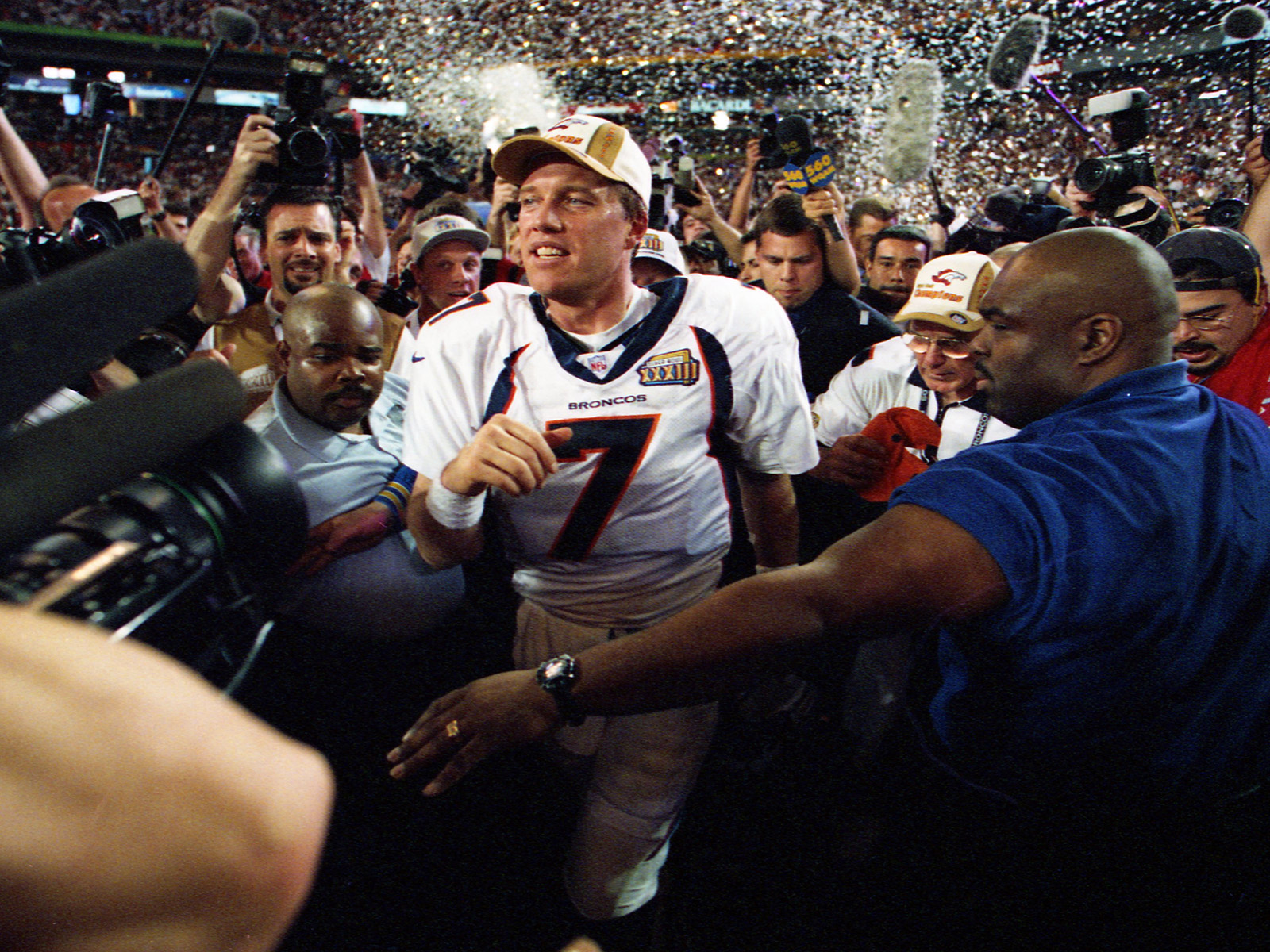
Is there anyone in Denver who isn’t dying to see this one? The mile-high legend himself will present his own story on the big screen at the Ellie Caulkins Opera House and join directors Ken Rodgers and Chris Weaver after the screening for a discussion. Take a trip down memory lane through the Hall of Fame quarterback’s 16 seasons with the Broncos, from “The Drive” to his Superbowl victories to his personal sacrifices. It’s the perfect closer to the week, yet it’s also a great way into the world of film festivals if you’re new to the arts scene. You (and everyone else in Broncos country) won’t want to be anywhere else.
Man on the Run(115 minutes)
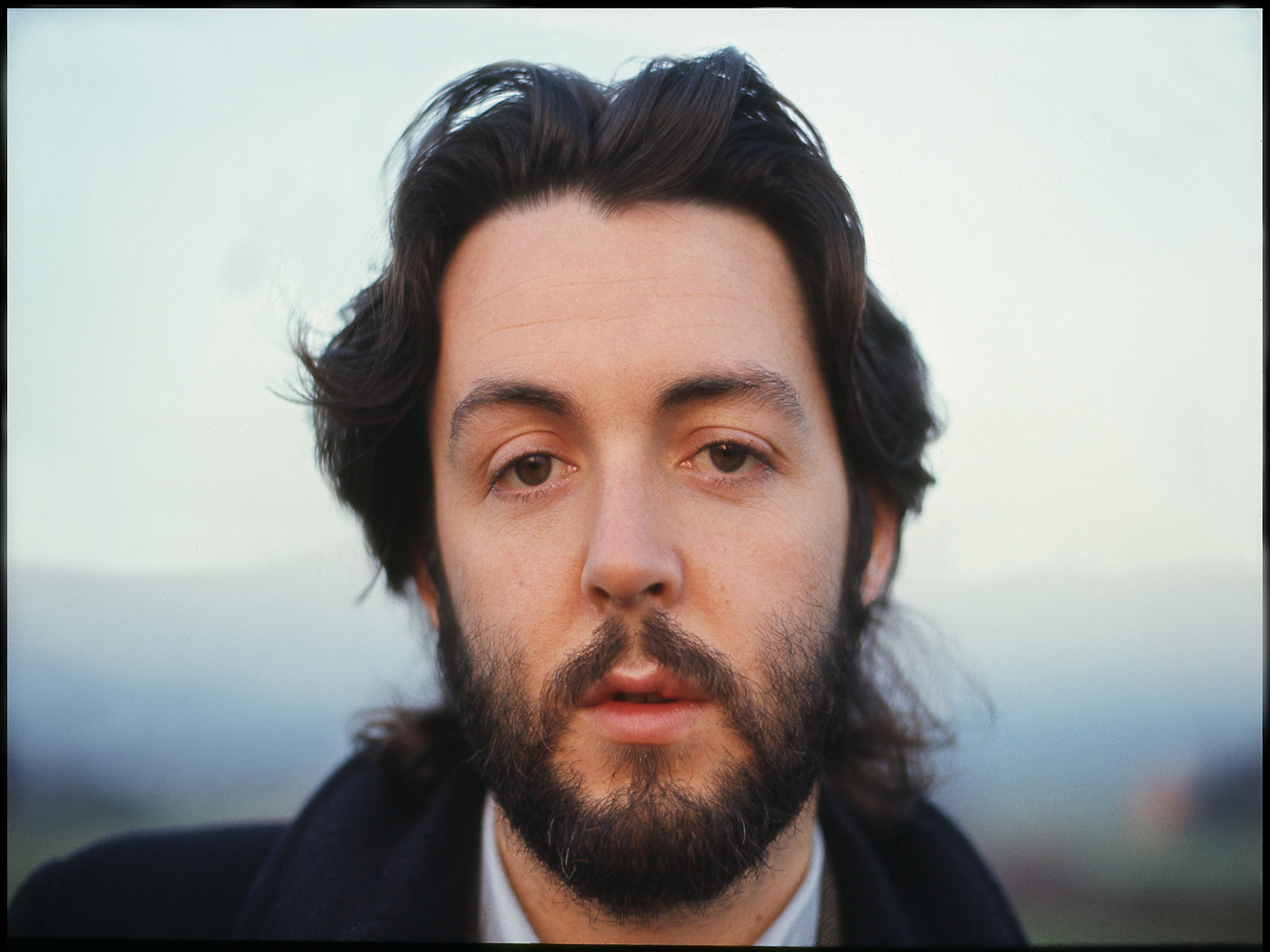
If you’re anything like Denver Film CEO Kevin Smith, you won’t want this documentary to end. A chronicle of Paul McCartney’s life and career post-Beatles breakup (directed by Academy Award winner Morgan Neville), Man on the Run is a portrait of vulnerability and grit as McCartney navigates a new path toward generation-defining music. “It’s all archival footage, and really beautifully done,” Smith says. “It’s one of those documentaries where when I finished it, I thought, ‘I could really use three or four more hours of that.’ ”
Eternity (114 minutes)
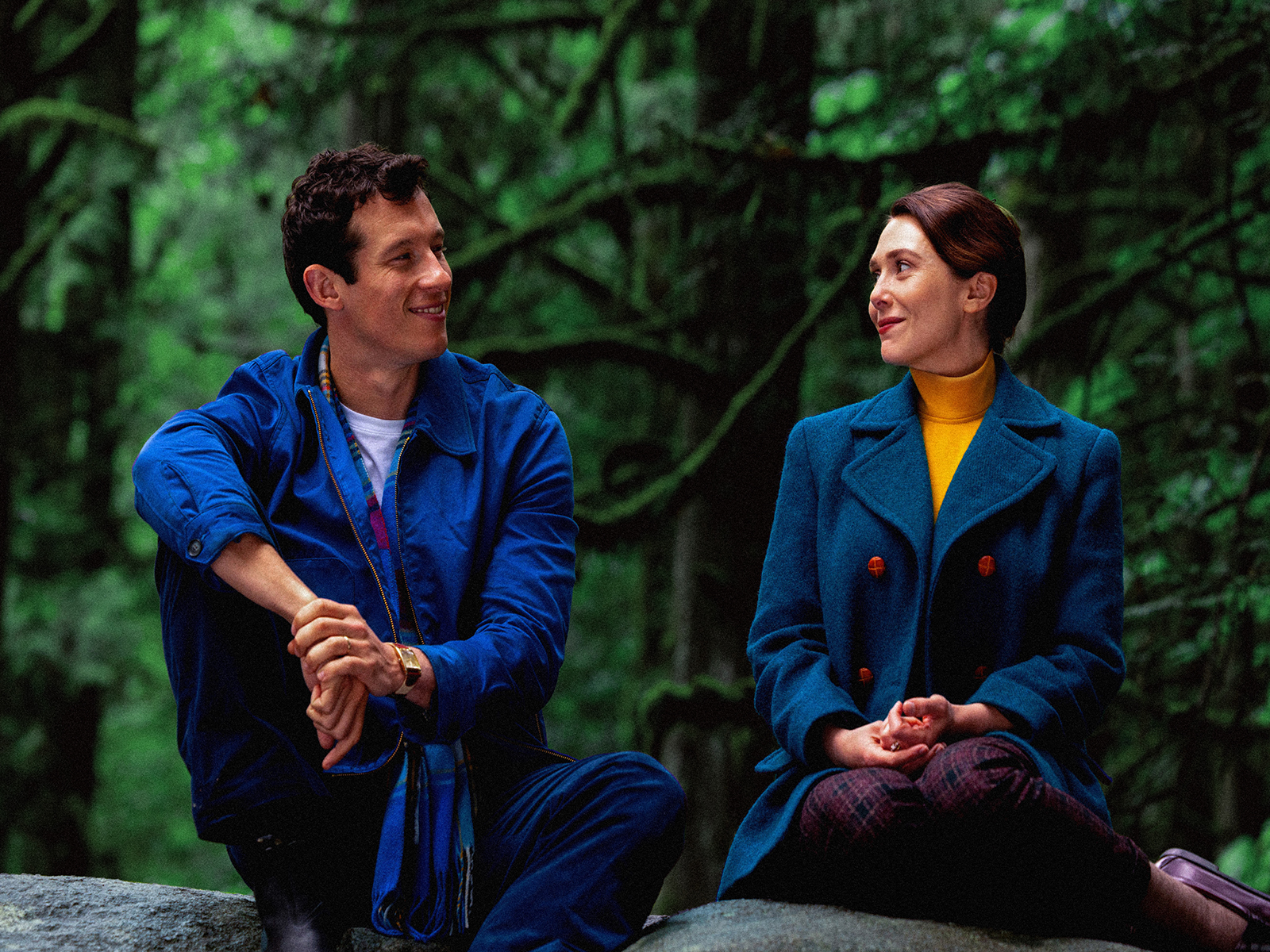
Elizabeth Olson, Miles Teller, and Callum Turner star in this dramatic comedy about a woman who has one week to decide who she’s spending the afterlife with, and the choice boils down to her longtime husband and her first love who lost his life to war. “It’s got all of the emotions,” Smith says. “It’s a beautiful journey, very similar to what we all grapple with in life. All of these actors are mostly known for their dramatic work, but their comedic work is on top of the game.”
Rental Family (103 minutes)
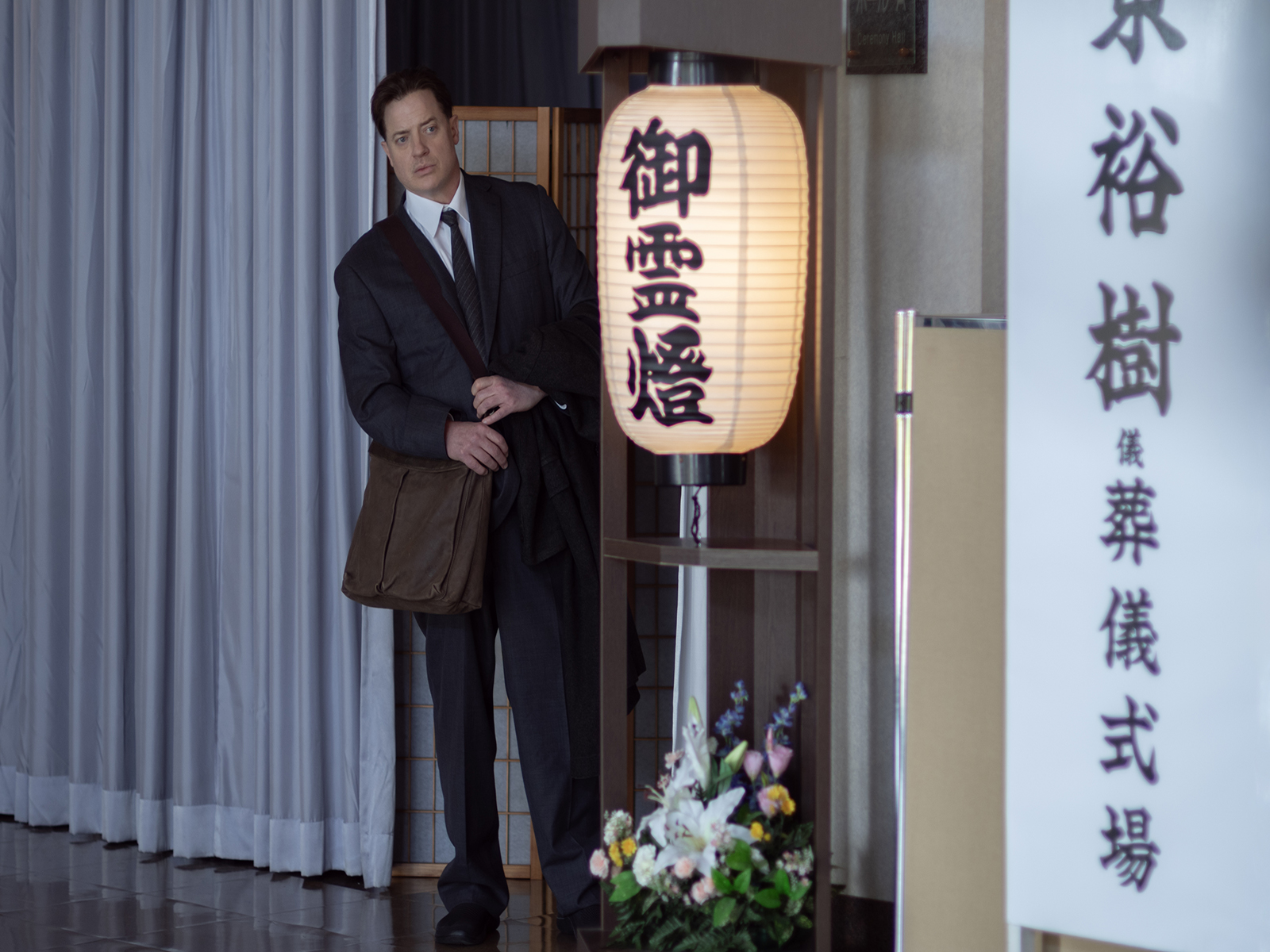
Fan favorite Brendan Fraser logs a soulful performance as a hapless American commercial actor who lands a role in Tokyo through a “rental family” agency, where he stands in for strangers stuck in unusual family situations. He finds himself blurring the line between performing and participating in real life as a father on a mission to get his daughter into private school. “It’s a fascinating look at human connections,” Smith says “Even though he’s an actor, he gets in really deep, and there’s no way out. It’s definitely going to be a buzzy one for Oscar season.”
La Grazia (133 minutes)
An Italian film by Academy Award–winning director Paolo Sorrentino, La Grazia is a snapshot of an Italian president approaching the end of his term and the truths that come with aging, transitions of power, family politics, and facing a moral crossroads. “It’s beautifully shot, with cool and interesting imagery,” Smith says. “The acting is just incredible; Toni Servillo is the lead, and he’s getting Oscar buzz for that. In this world where we’re always looking at wrestling with moral obligation, it’s a good one.”
Christy (135 minutes)
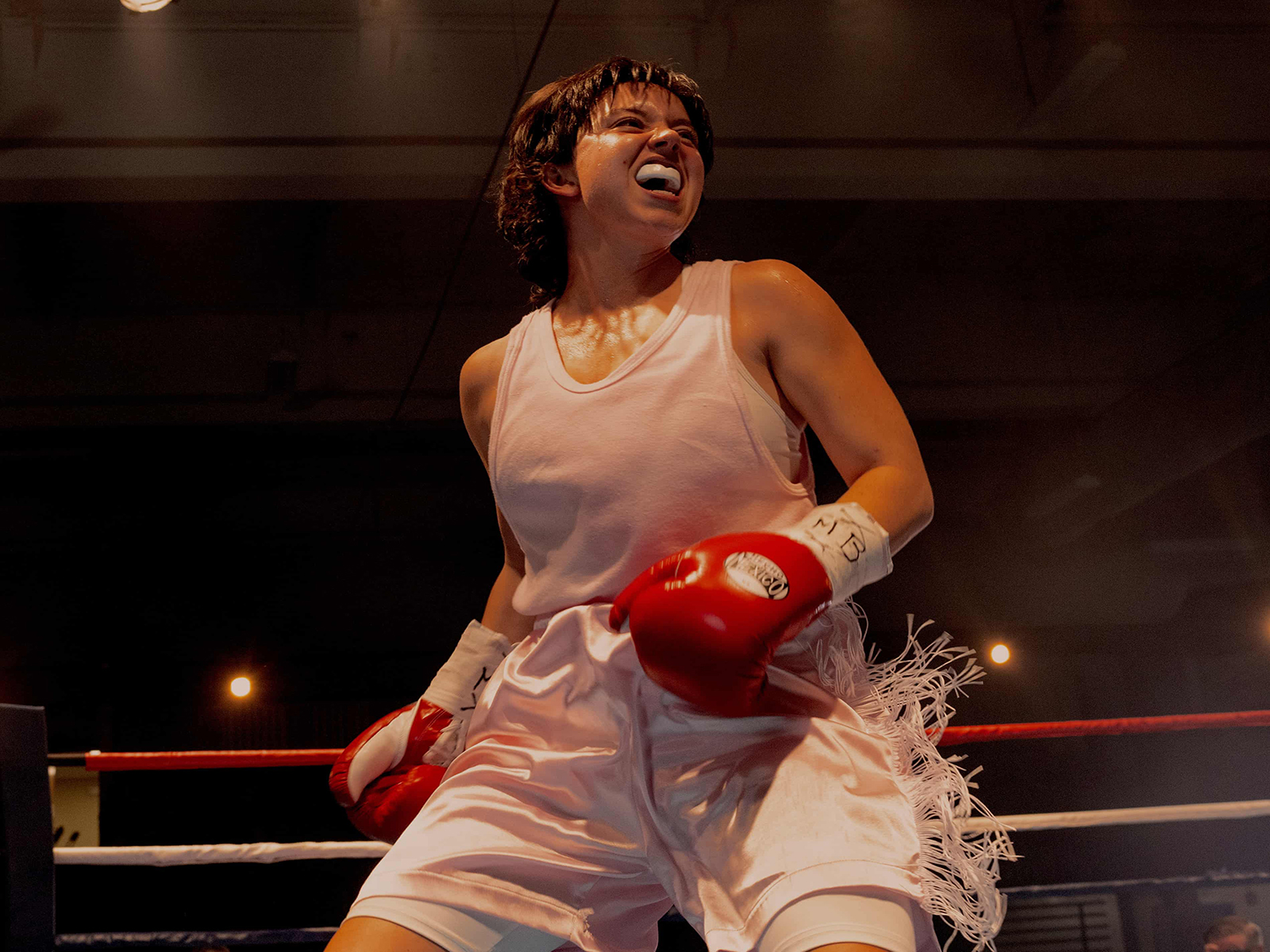
This gritty picture of the athlete who brought the spotlight to women’s boxing showcases Sydney Sweeney as Christy Martin, a boxer from West Virginia who rose from small-town wins to Sports Illustrated fame. The film follows her journey inside and outside the ring, including an intimate glimpse at her abusive marriage to her trainer, played by Ben Foster. “This is not a normal sports biopic,” Smith says. “It’s really going to put [Sweeney] on the map in a different way. She’s kind of unrecognizable from every other role we’ve seen her in.”
Comparsa (79 minutes)
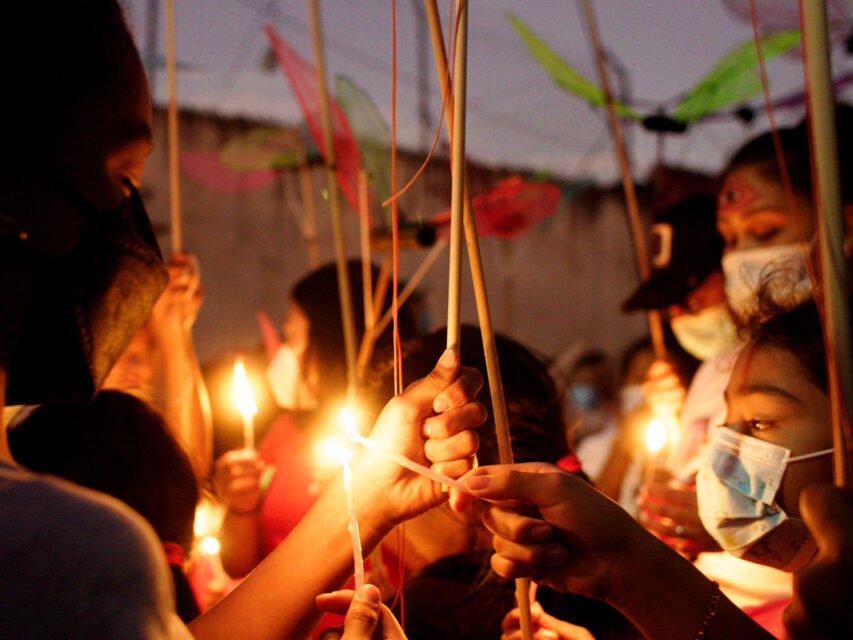
Boulder-based filmmaker Vickie Curtis, along with co-director Doug Anderson, began shooting Comparsa in 2019 in the wake of a tragedy that took the lives of 41 girls at a Guatemalan safe home. In short, a group of at-risk girls were burned to death in a locked room inside a government-run group home. The award-winning documentary follows the efforts of survivors Lesli and Lupe Peréz, who—along with the longtime leader of a local youth-focused nonprofit—produce a jubilant, circuslike street festival in response to the trauma. The daylong carnival and the passionate people who envision, plan, build, and perform it demonstrate how art, theater, and creative expression can become tools for dismantling systems of oppression and healing on both a personal and community level.
We caught up with filmmaker Vickie Curtis to talk style, impact, and filming in a difficult place as an outsider.
Editor’s note: This conversation has been edited for length and clarity.
5280: How did you get involved with the sisters and their storyline?
Vickie Curtis: One of my best friends moved down to Guatemala in 2007. We stayed in touch, and I heard for 10 years about these youth artist organizers. [In my previous project, The Social Dilemma], we were pointing the camera at a lot of folks who were uncovering problems, and I found myself in the mood to turn my lens next on people who were enacting local solutions…how to rebuild resilient communities and a shared understanding of truth.
What’s behind the title Comparsa?
The work they do on the street with art and performance as a way to rally the community to bring an issue to the forefront—this art form is called a comparsa. They host a daylong festival, a day of people coming together and gathering with candy, treats, and performances on stage. They march through streets, across gang boundary lines, and people gather and follow them, delivering a powerful message about ending violence against women.
Why is this type of event an effective tool in the battle against gender injustices?
It serves multiple purposes: In environments where it might not be safe to do a direct protest because of corruption, impunity, and disappearances of activists, using the art, the stilts, the fire-breathing, the circus, and joy as a kind of Trojan horse for the political message can be really effective. While a traditional parade might call for gender violence to end and the empowerment of women, the comparsa actually creates that environment while it’s happening. The event itself is empowering for the girls and boys who participate. It creates room for self-expression that feels personal and transformative. It allows women to come together to build skills, organize as a community, problem-solve, and nourish each other. It changes people’s perspectives, as you see in the film. It’s not just calling for these changes; it is these changes
How did you navigate the intricacies of filming in this nuanced region as an outsider?
[Ciudad] Peronia is not the kind of community you just waltz in if you’re not from the community. I do think it was completely necessary to coauthor this with people who were members of the community, and not just take an outsider’s perspective. I’ve worked on a lot of documentaries, and I know how tough it can be to find the story if you start off with just an issue you want to talk about. I went into this knowing we wanted to focus on characters, given that this is often a really effective way to illuminate issues…taking an almost narrative approach to Comparsa where we found real people who we wanted to stay with and view their world and work through their eyes. For me, that is the secret sauce to having a film with a beginning, a middle, and an end.
Can you speak to the stylistic choices you made in how you told the story?
For us, the most exciting part of this story is not to overstay and over-focus on the salacious details of abuse and violence. Instead, we wanted to focus on the strategic, effective, exuberant, and joyful methods that Lesli and Lupe have for combating it. Television is full of true crime stories. What is less available is women finding solutions. We really wanted to follow their lead in the way we put the film together to feature their art: the body painting, the puppet-making. These are the magical components of community that lead to healing. In test screenings while still in production, we realized a lot of people didn’t understand [the abuse and massacre] leading up to this, so we had to make some of those historical facts more present in the testimonies of the girls, but there’s no reason to depict that in visuals.
What do you hope this film accomplishes?
It is a very hard time for art, for women, and for independent filmmaking. We really do need allies. We are trying to recruit support to share this film with as many people as we can, to build a really strong audience for this art-as-activism work that is transformational for kids who participate. I think there are ways to use art to build resilience—ways for which Lesli and Lupe have built a blueprint, inspired by the work of leaders before them in the community. It’s a blueprint that can be used anywhere.
We’re excited to bring the film to other organizations, into schools, where [there are] kids who have something to say, and to do deep work with populations in Guatemala and elsewhere to offer workshops, facilitated conversations, and curriculums. We’re hoping audiences feel uplifted by what Lesli and Lupe are doing and humbled by what they’re facing. We also want to bring the film to audiences in the U.S. who often only have access to really skewed information about migrant populations in Central America.
Denver Film Festival runs from Oct. 31–Nov. 9 at various venues across the city. Get your festival passes here and find the film schedule here. 5280 is a media sponsor of the Denver Film Festival.