

The Local newsletter is your free, daily guide to life in Colorado. For locals, by locals.
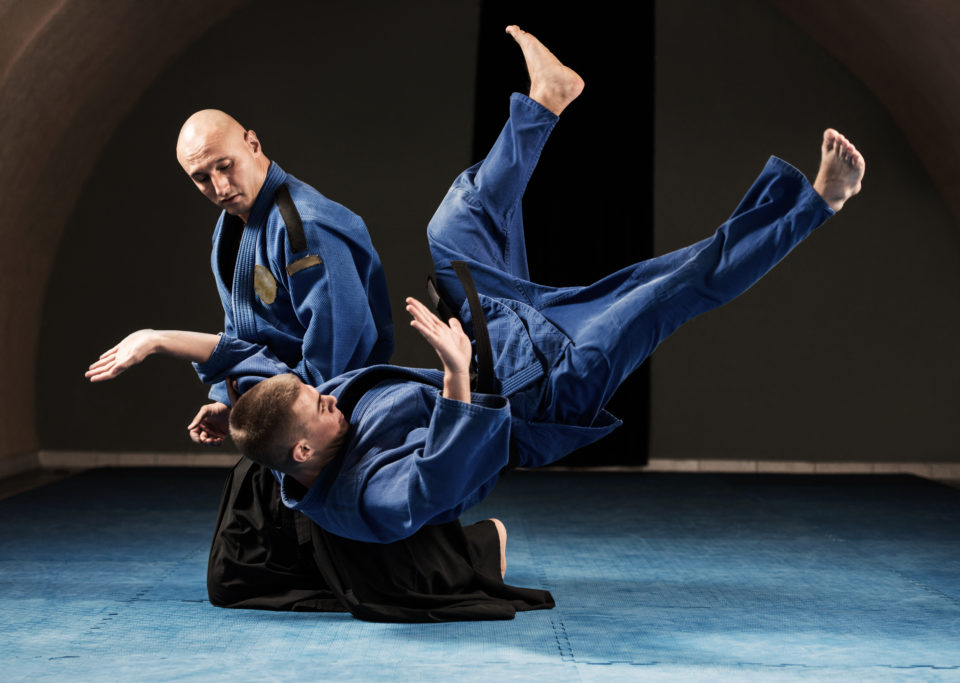
Founded in the 1920s by Tokyo-based teacher Morihei Ueshiba, the youngest Japanese martial art, aikido, has evolved into dozens of styles that are practiced in more than 140 countries. Gentler than karate or judo, aikido (which translates roughly to “the way of harmonizing energy”) focuses on self-defense rather than defeating an attacker.
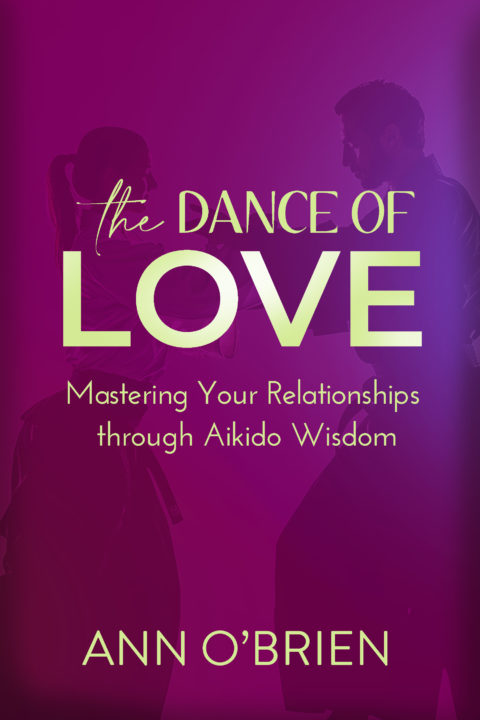
In addition to sport, aikido is also a comprehensive set of principles, writes Carbondale author and spiritual guide Ann O’Brien in her new book, The Dance of Love: Mastering Your Relationships Through Aikido Wisdom. With aikido, students and practitioners learn to blend and redirect their opponent’s energy. And although other forms of dynamic communication, such as talk therapy, are helpful, aikido sets itself apart by emphasizing the body and moving energy—incorporating both physical and somatic components. O’Brien spoke with 5280 about how she applies aikido in her work.

Editor’s note: The following conversation has been edited for length and clarity.
5280: Can you tell me more about The Dance of Love: Mastering Your Relationships Through Aikido Wisdom and what inspired it?
Ann O’Brien: It’s about how to have better relationships with anybody. Some people think it’s just romantic—but it can really apply to family, friends, the workplace, and parenting, as well as romance and also how to have a better relationship with life and with yourself. A lot of people in relationships are really shut down or feeling overwhelmed or numb—what we would call the “freeze mentality.” Or when there’s conflict, there’s a lot of polarization, and certainly in the collective, there’s more separation.
So I’m thinking, How do I share something that would help us bring it together? I find myself with my personal clients bringing in aikido principles, which are very empowering. So, just the idea that you affect everything that comes your way, that when it comes into your space, then it’s on your terms. You don’t have to be a victim of that energy. It’s really, really helpful for people.
When did you start practicing aikido yourself?
My first class was in college, in the 1990s. I tried it and I quit—and I cried when I quit because I knew it was going to be really important. And then I came back again during grad school [at Naropa University in Boulder].
You mentioned that aikido doesn’t necessarily have to be practiced only by martial artists. Where else in our lives can everyone and anyone incorporate this practice?
Really, all the time, because so much of it is just about being present. There are themes which can be practiced any time, like the theme of generosity, or coming to life with a generous spirit, instead of coming to life empty and limp and feeling like a victim. As soon as you do that, you realize, What comes my way is something I’m participating in, and I’m not just kind of floating around—which I think a lot of people are doing with technology, and we’re just checked out a lot.
You can apply generosity with the question: What would love do in any interaction? It could be calling tech support, or the insurance company, and you say, “Let me come from a life-giving spirit. Let me come from a loving spirit.”
Can you tell me about what it means to you to be a spiritual guide?
I remind people of who they really are, and that comes into play in both the aikido and the one-on-one work I do. People come to me and talk about their problems, kind of like somebody would come to a therapist, but unlike talk therapy, they’re not just talking through it all—and it’s not just a mental process. It’s like an unpeeling of the things that we think we are, that are getting in our own way. Remembering that we are loved, remembering that we are whole, remembering those opportunities to love.
How do you keep your own cup full in this emotionally draining profession, and what can people learn from that?
Well, that’s actually why I got into this work, because I wanted to feel better. I was always so sensitive and felt everything. So, actually, when I started doing this for my job, it got better for me because I did it in a “container,” putting on my professional hat. I have learned, and practiced, and I even teach tools for how to ground yourself, how to clear energy that’s not yours, and how to protect your energy.
My second and previous book is called Everyone Is Psychic, and it’s a practical intuition manual of examples. But honestly, your best protection is presence, and so we’re more likely to pick up negativity when we’re not as present or when we’re in our own negative spin. So, trying to keep myself grounded, healthy, and empowered.
What’s the most important message you hope readers will take from your book?
That life is worth celebrating. That we can live with full aliveness. So much of where we feel shut down, we have more choice than we think in doing that—and we’re really made of love. So why not enjoy that? Why not express that? Why not share that? It almost always goes well when we do.
Ann O’Brien’s book The Dance of Love: Mastering Your Relationships Through Aikido Wisdom was published in June. The author will speak about it and sign copies at the Boulder Bookstore on Thursday, September 11 at 6:30 p.m. Tickets are $5 and can be purchased online.