


The Local newsletter is your free, daily guide to life in Colorado. For locals, by locals.
Few photographers can claim to know as much about forest fires as Aaron Colussi. For the past decade, the Fort Collins–based photographer, videographer, and director has embedded with U.S. Forest Service fire crews across the country. The 40-year-old has shivered through bitter-cold morning briefings, sweat alongside firefighters as they battled major blazes, and choked on smoke on the front lines.
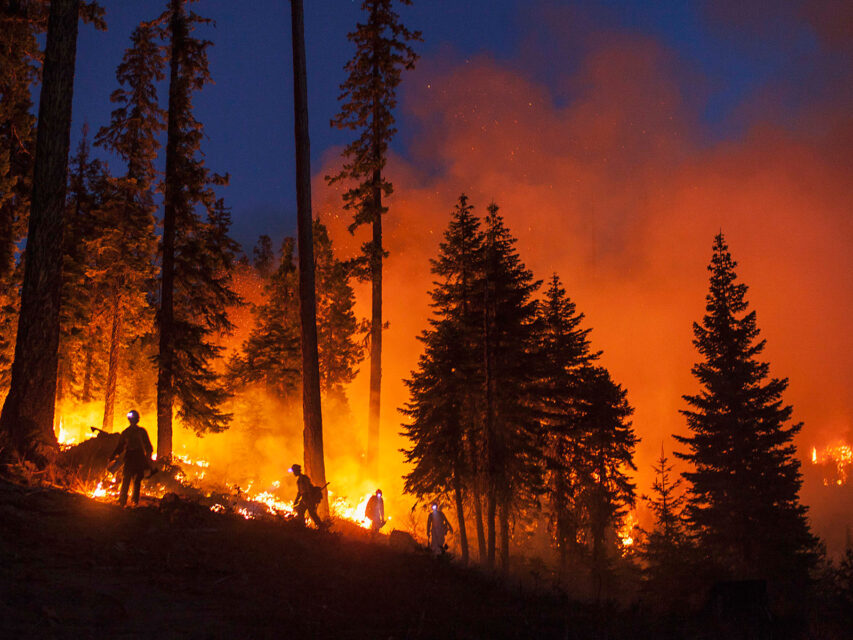
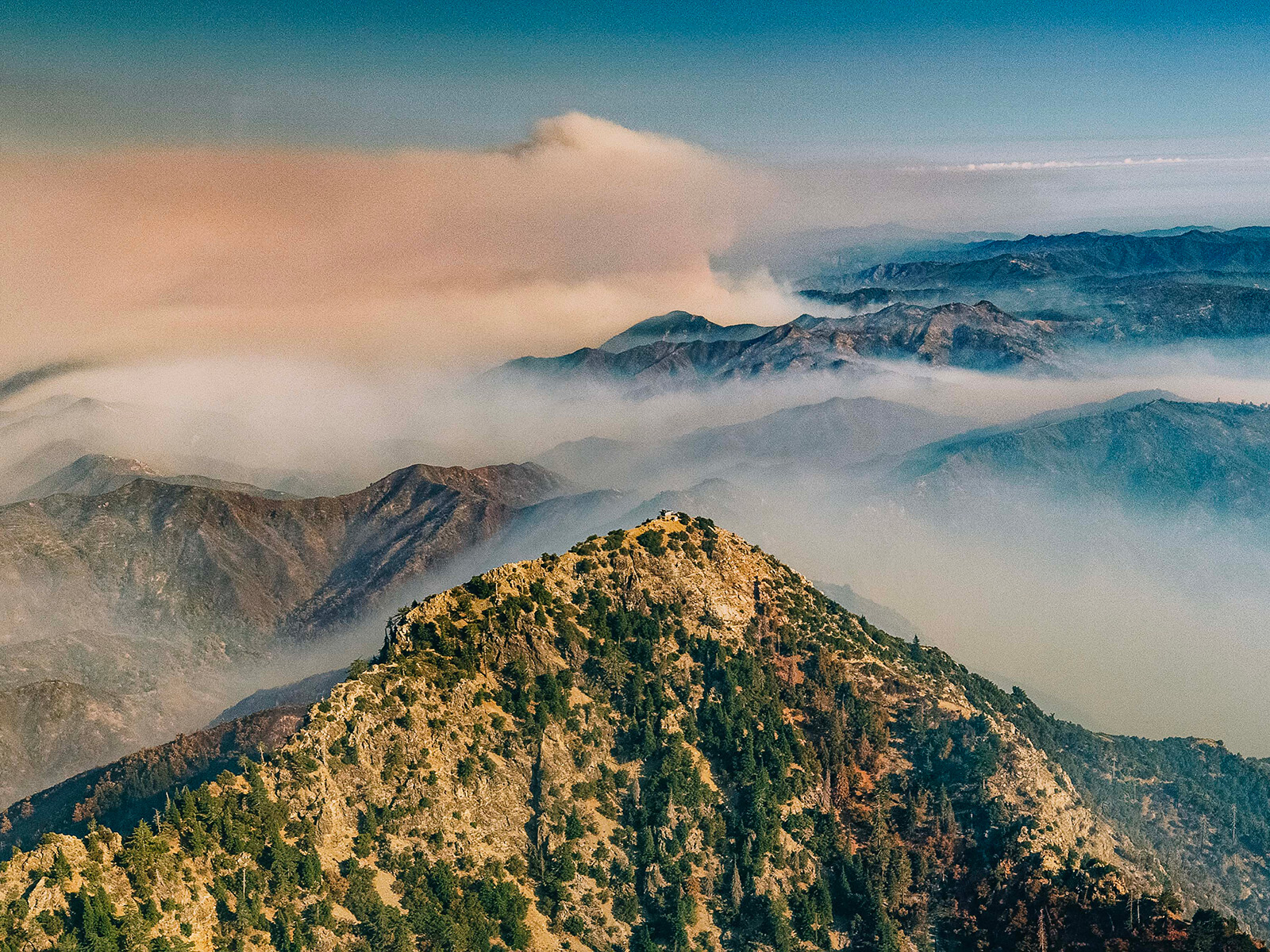
Next week, those years of experience culminate in the debut of his new documentary, Fire Lives Here, created in partnership with the U.S. Forest Service and the National Forest Foundation. The 30-minute film chronicles a year of fire in Colorado’s Arapaho-Roosevelt National Forest, from routine prescribed burns to the destructive, human-caused Alexander Mountain Fire.
Colussi aims to show viewers that forest fire isn’t always a disaster to be feared, but rather, a natural and necessary part of the ecosystem. “The biggest takeaway is for people to know that we want fire—on our own terms,” he says. Fire Lives Here will make its PBS broadcast debut at 3 p.m. on October 5 and is currently streaming on PBS.org.
We sat down with Colussi before the doc’s public premiere to get the story behind the fiery footage.
Editor’s note: The following conversation has been edited for length and clarity.
5280: How would you describe Fire Lives Here?
Aaron Colussi: It shows how fire exists on the landscape, through incidents or natural causes, and also how the Forest Service and its partners are putting fire onto the landscape to help restore the forest. The forest used to burn naturally, every 20 to 50 years, on average. Native Americans understood that. When pioneers came, we started putting out fires. The Forest Service and all of its partners are now trying to get the forest back to that natural state.
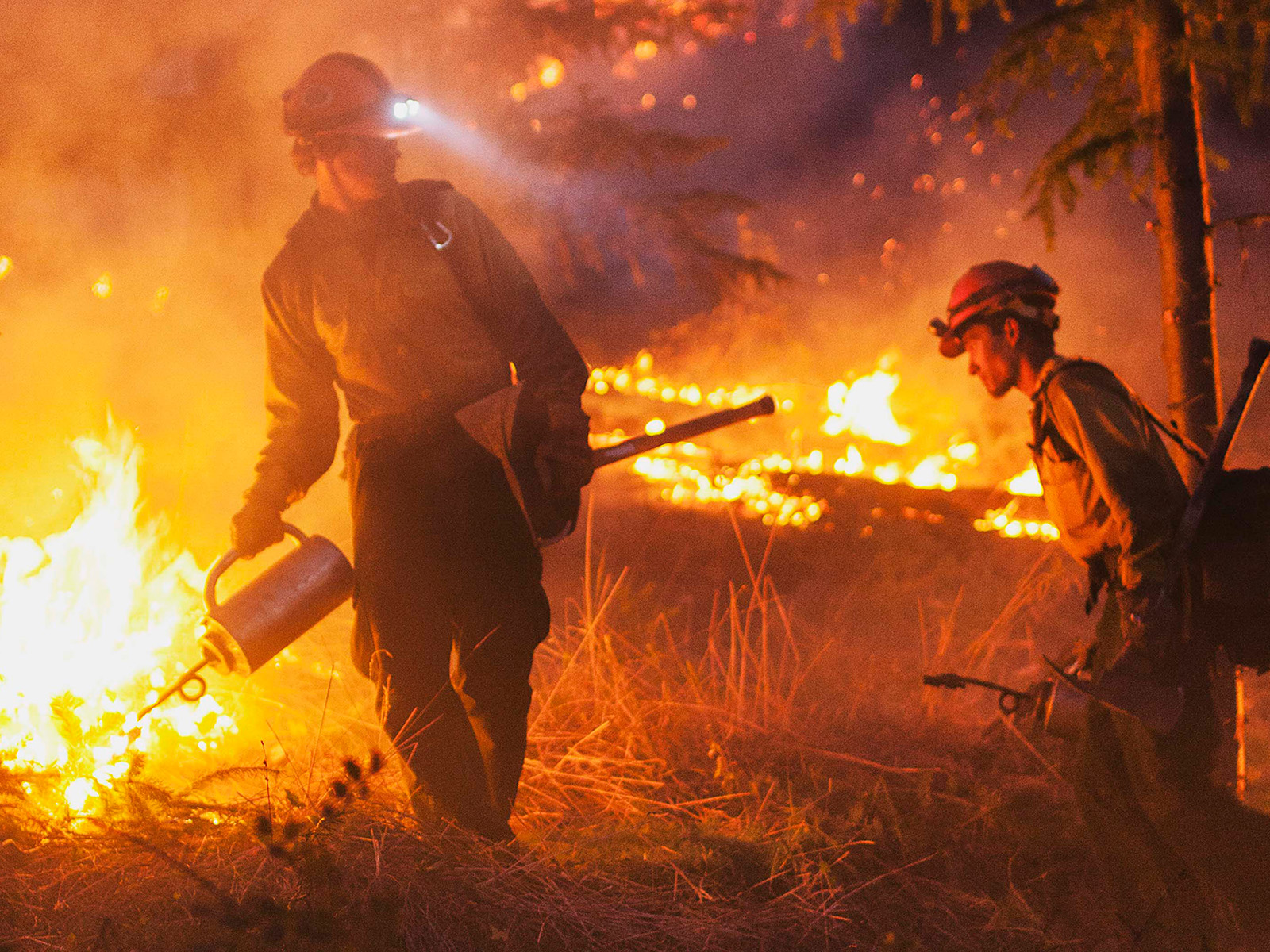
Throughout the year, they start with pile burns, which are piles [of wood] built up over the years. They’re burned in the winter, so there’s no danger of them spreading. That cleans up the understory, gets the forest floor back to a healthy state. In the spring, they conduct prescribed burns to help promote a mix of pine, spruce, and aspens that are a variety of ages. The documentary is really to educate people, to tell how we can get the forest back to a healthy state and reduce the impact of catastrophic wildfires in the future.
What inspired you to make this film?
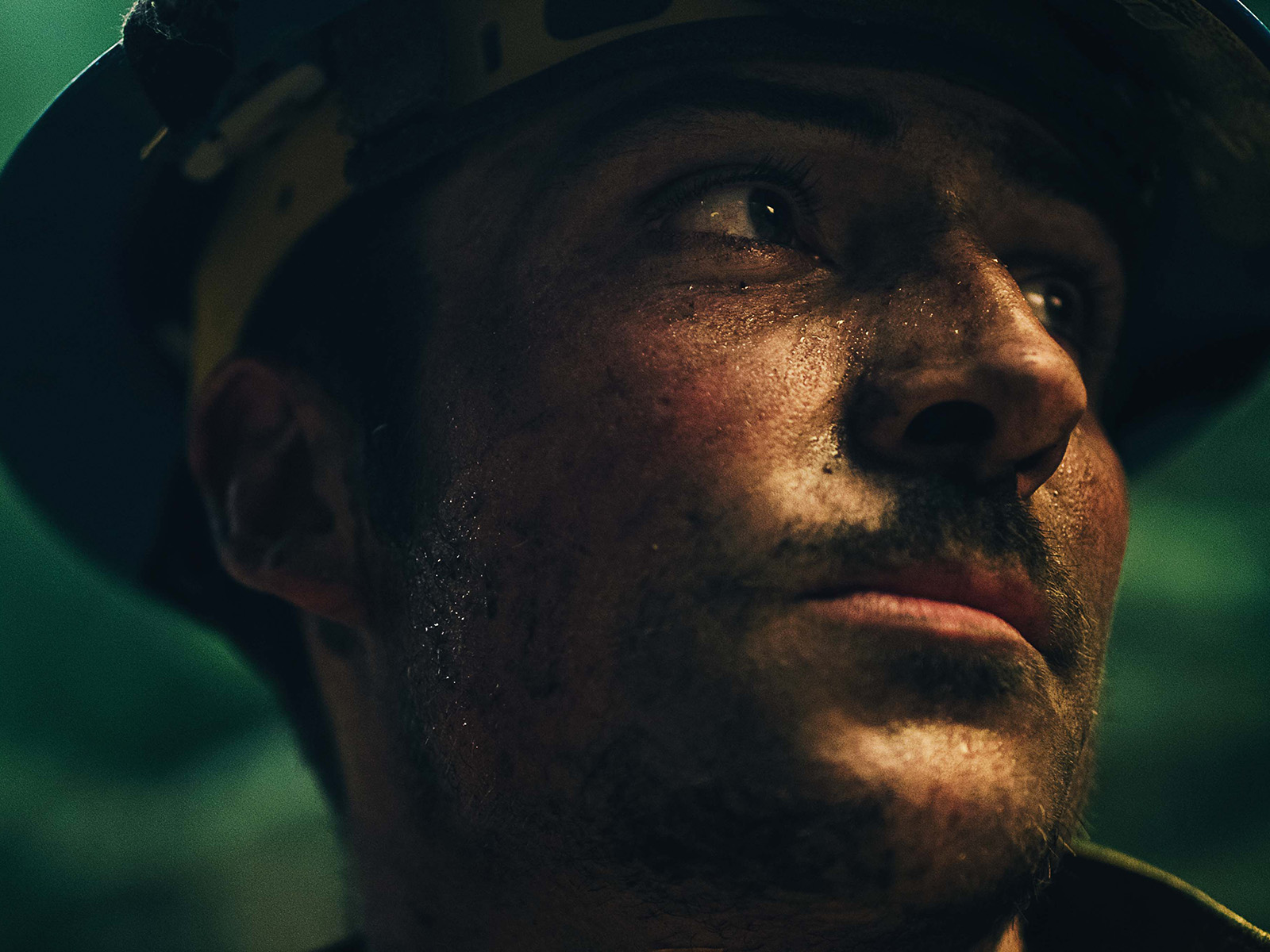
I’ve been shooting fire, either in photo or video, in cooperation with the Forest Service for about 10 years now. When I first moved to Colorado, there were a bunch of really bad fires on the Front Range. I felt connected to the firefighters themselves—I thought, Who’s telling their story? Everything I saw [in the media] was about damage or acres burned. But these people doing the fighting, they’ve got to have a story.
So I did a 5280 piece on the Roosevelt Interagency Hotshot Crew. I followed them throughout their entire season, doing character studies and an overview of what it takes to be a wildland firefighter. That was very successful, and the Forest Service on a national level took notice. I’ve had a contract with the Forest Service and the Bureau of Land Management to be sent out on fires for quite some time now.
I’ve built a really good relationship with the people on the Roosevelt [crew] here and the National Forest Foundation. They asked me to put together a project—that ended up being this documentary—to educate the public about what they’re doing.
What kind of training do you need to be able to embed with these fire crews?
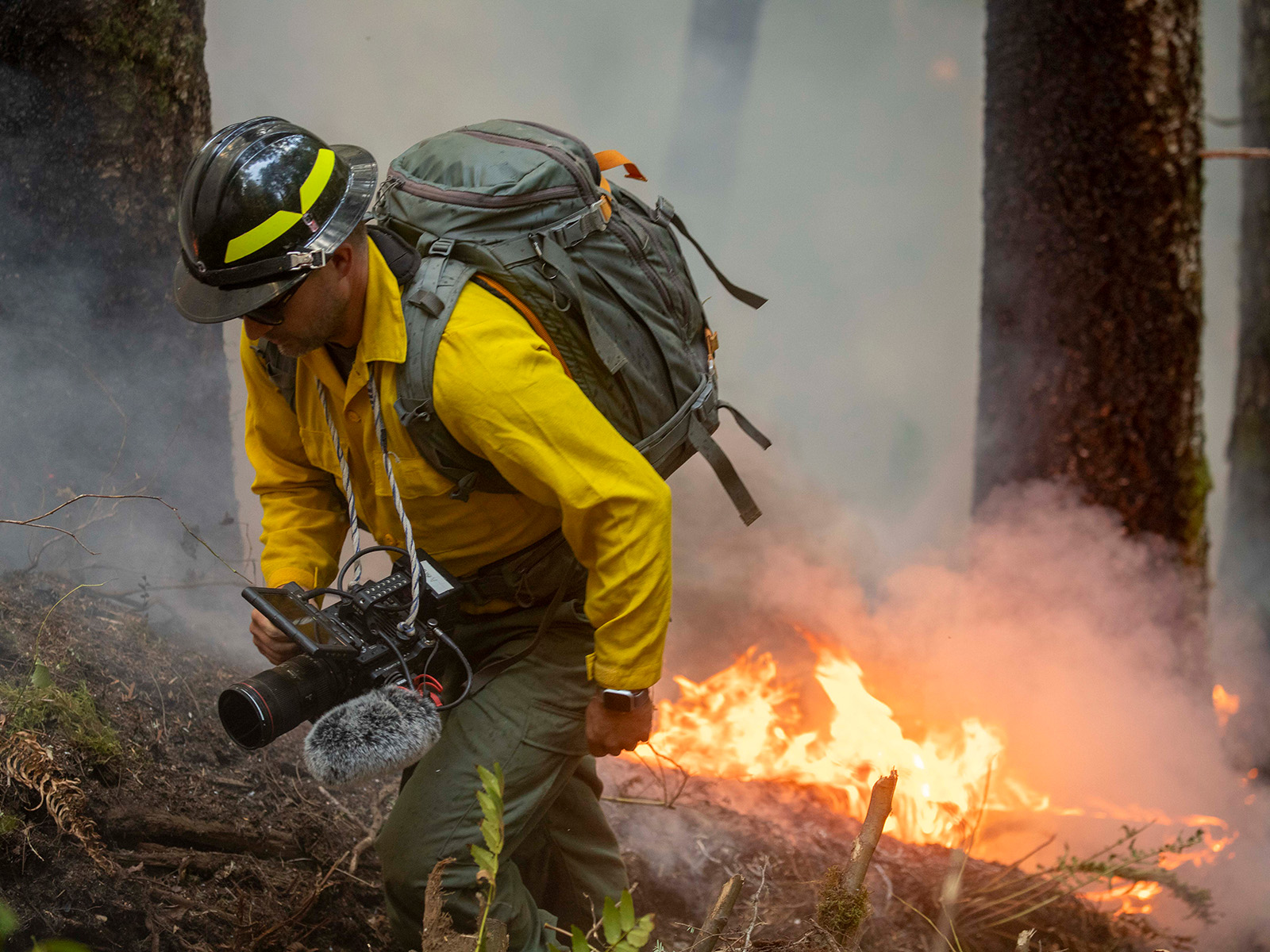
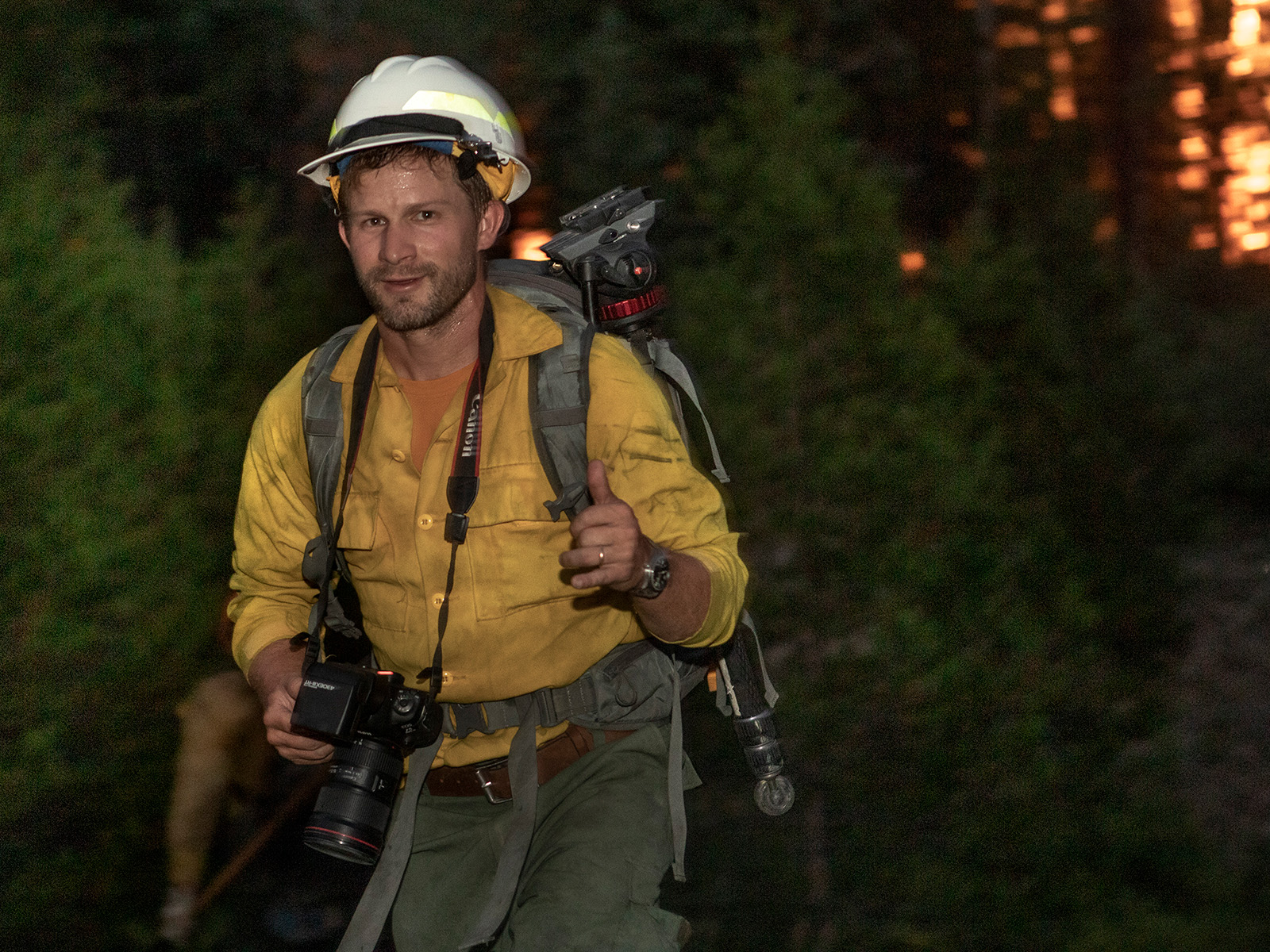
From the very first time I went out with the hotshots 10 years ago, I had to do their training. I had to show that I was not going to be a liability. I have to be able to hike, mountaineer, carry a bunch of packs, and be self-sufficient. I have to be able to go 16 hours in the forest without any help. None of it’s on trail. It’s rugged, and it’s hot as hell. They do huge pack tests—load up 70-pound packs and go hike a fourteener—to make sure you can do it.
What’s a day in the field like?
Six a.m. is usually the morning briefing. You get the weather, the fire update, the plan of attack for the day. I’ll listen, find out what’s active, and go talk to the person in charge of the fire line. I’ll say, “Can I come hang out in your area?” You ask very nicely.
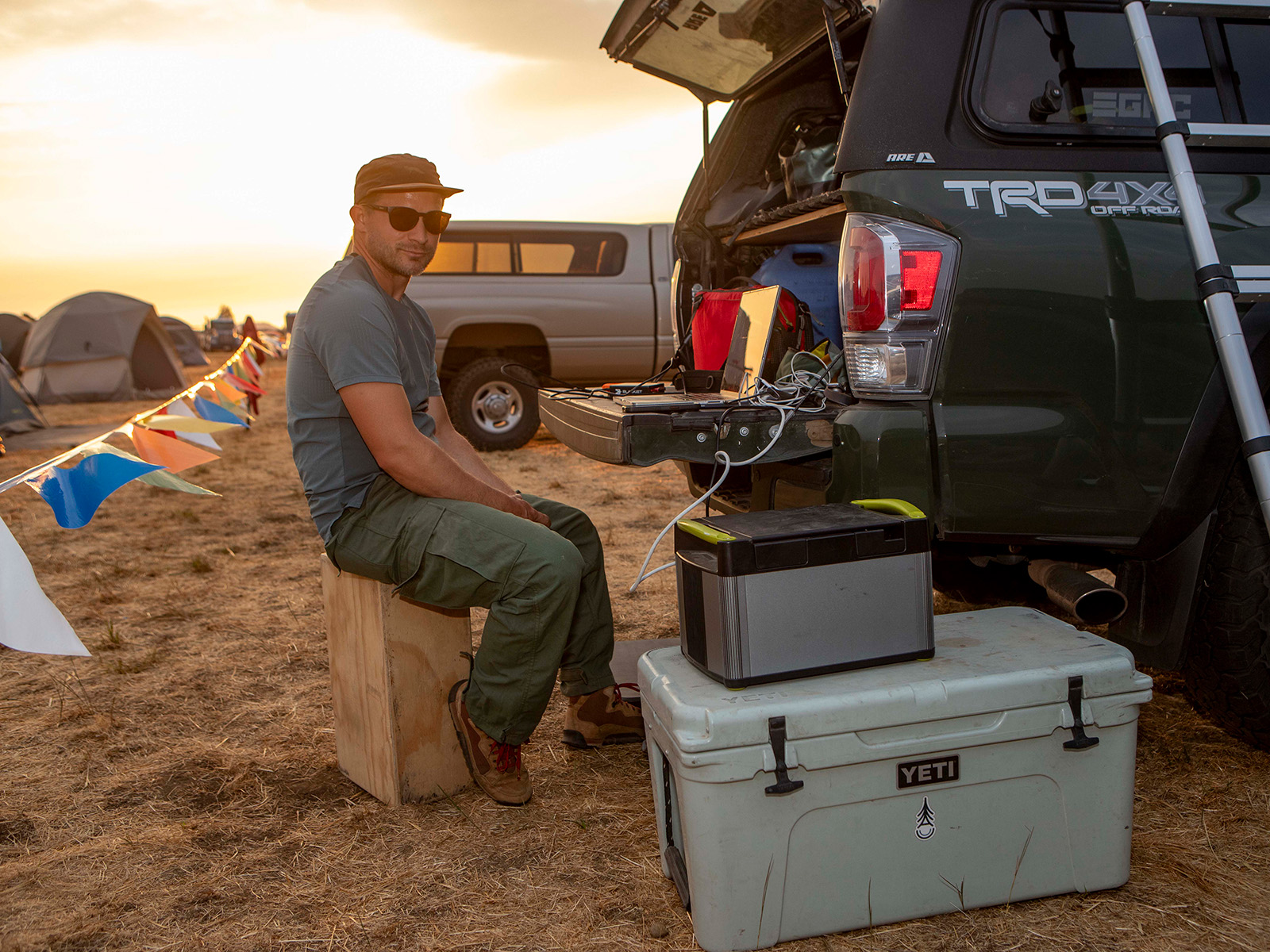
Then I’ll follow a team while they’re conducting operations. You’re on their hip for their entire shift. It’s super smoky, and you just deal with it. When I get off a super smoky incident, it feels like I’ve just been ripping cigarettes for a week. Then you come back to camp and try to find dinner. I’ll have to try to edit, too. When I’m on an incident like that, I’ll try to do one day on, one day off, so I can be sure to get media out.
What don’t people understand about wildfires?
People see prescribed burns and pile burns, and they freak out. Fire is scary—I understand that. But there’s good fire and bad fire. We need good fire. We want fire we can control, to stop the out-of-control fires.