The Local newsletter is your free, daily guide to life in Colorado. For locals, by locals.
Did splurging on tickets to Paul Simon at Red Rocks this month decimate your live music budget? Not a problem. Forty years ago, City Park Jazz began offering free Sunday performances during the summer, and it’s now complemented by a chorus of seasonal concert series—all of which are unique, but none of which will cost you a dime. Here are three worth a listen.
Read More: 17 Must-See Concerts Around Denver in 2026
1. City Park Jazz
- Vibe: Block Party
- When: Every Sunday, June 7 to August 9, 6 to 8 p.m.
- Where: City Park Pavilion
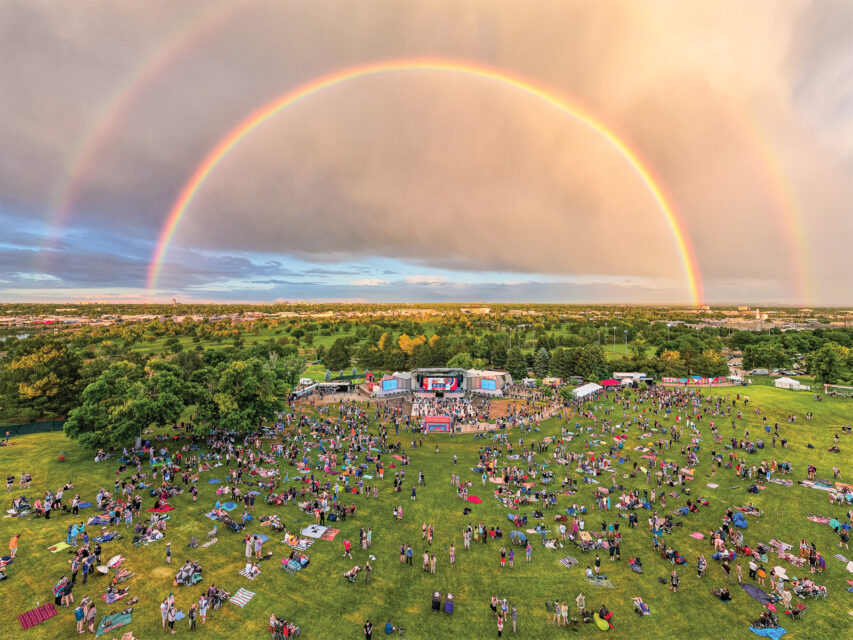
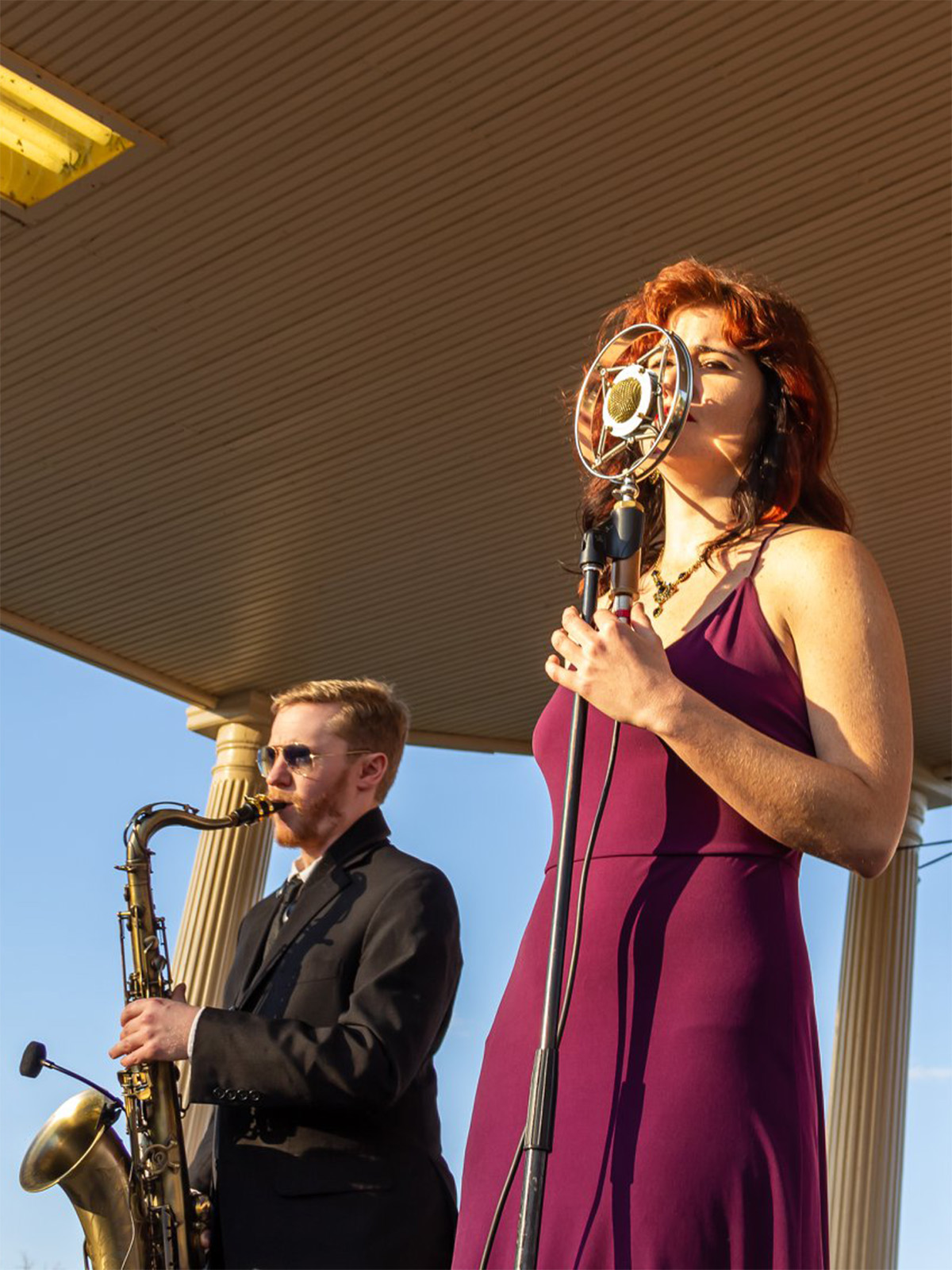
This volunteer-run tradition attracts 8,000 to 12,000 people per show to the western shore of Ferril Lake, where Colorado acts including Hazel Miller & the Collective, Conjunto Colores, and Shane Endsley and the Denver Municipal Band radiate a brass-heavy, danceable groove that carries across the lawn. (A late March fire destroyed the bandshell, so musicians will perform on a mobile stage this year.)
Despite the crowds, the atmosphere feels more like a neighborhood hang than a big-time concert: Kids kick soccer balls, people play yard games, and friends stretch out on blankets to watch the last rays of sunlight slowly disappear.
2. Levitt Pavilion Concert Series
- Vibe: Easy Listening
- When: May 23 through October 1; check levittdenver.org for specific dates and times
- Where: Ruby Hill Park
Levitt Pavilion’s nonprofit venue sits at the bottom of a natural grassy amphitheater, meaning you’ll hear the band just as well from a lawn chair in the back as you will from the foot of the stage. Levitt hosts more than 40 free shows every summer—from Steph Strings (June 6) to Fleetmac Wood (June 12) to Rebirth Brass Band (August 14)—and has become a showcase for up-and-coming talent.
That’ll be especially true next month, when graduates of the weeklong Girls Rock Denver camp (for ages eight to 16) will perform their new songs at Levitt (July 18 at 6 p.m.), alongside local headliners May Be Fern and Sunstoney.
3. Rock the Block
- Vibe: Happy Hour
- When: June 4 and 25, July 9, August 6 and 13, 5 to 7 p.m.
- Where: Marjorie Park, Greenwood Village
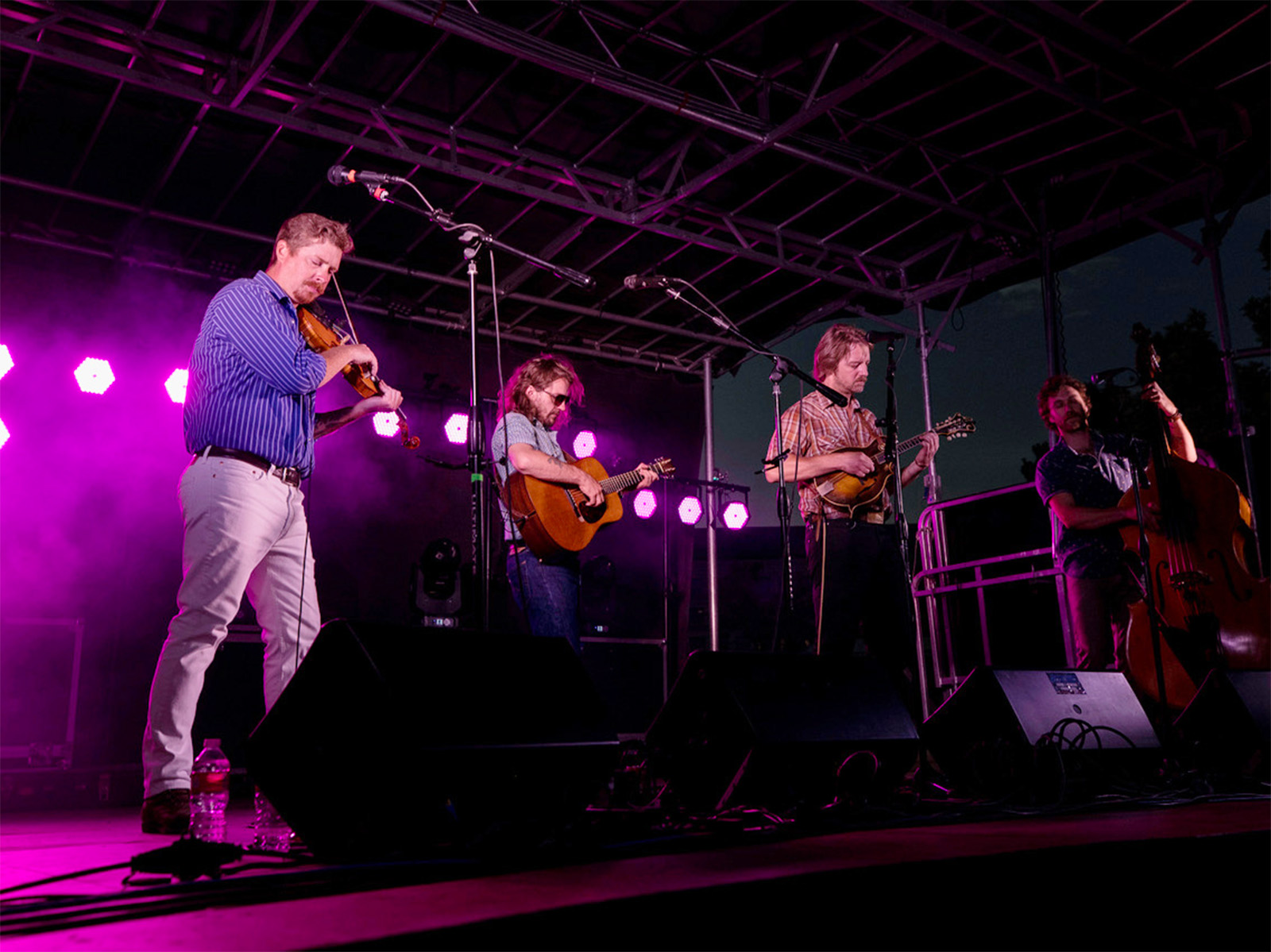
Local musicians such as the Midnight Soulbirds and West of Fennario provide the soundtrack as visitors stroll the grounds of this Greenwood Village private event space, where the Museum of Outdoor Arts displays more than 40 pieces, including “Puppet Theatre Bench” by Denver artist Lonnie Hanzon.
Don’t worry about the scene feeling too stuffy: With drink specials (including $5 beers and seltzers and $7 margaritas) and yard games like cornhole and Connect Four, Rock the Block sets the stage for an ideal post-work unwind.